Featured Topics / 特集
-

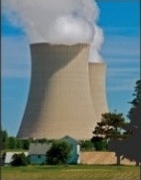
A nuclear power plant in Byron, Illinois. Taken by photographer Joseph Pobereskin (http://pobereskin.com). カレンダー
June 2026 S M T W T F S 1 2 3 4 5 6 7 8 9 10 11 12 13 14 15 16 17 18 19 20 21 22 23 24 25 26 27 28 29 30 -
Latest Posts / 最新記事
- Ship modified for transport of used MOX fuel via World Nuclear News 2026/05/06
- Nuclear’s cleanup cost threatens the expansion dream via DW 2026/03/21
- Germany won’t return to nuclear power, chancellor says via DW 2026/03/12
- President Trump’s radical attack on radiation safety via Bulletin of the Atomic Scientists 2025/10/27
- ‘It’s Sellafield or nothing’: what life is like growing up in the shadow of Europe’s oldest nuclear site via The Guardian 2025/10/07
Discussion / 最新の議論
- Leonsz on Combating corrosion in the world’s aging nuclear reactors via c&en
- Mark Ultra on Special Report: Help wanted in Fukushima: Low pay, high risks and gangsters via Reuters
- Grom Montenegro on Duke Energy’s shell game via Beyond Nuclear International
- Jim Rice on Trinity: “The most significant hazard of the entire Manhattan Project” via Bulletin of Atomic Scientists
- Barbarra BBonney on COVID-19 spreading among workers on Fukushima plant, related projects via The Mainichi
Archives / 月別アーカイブ
- May 2026 (1)
- March 2026 (2)
- October 2025 (2)
- August 2025 (1)
- June 2025 (2)
- May 2025 (10)
- February 2025 (1)
- November 2024 (3)
- October 2024 (1)
- September 2024 (5)
- July 2024 (4)
- June 2024 (3)
- March 2024 (1)
- February 2024 (6)
- January 2024 (4)
- November 2023 (8)
- October 2023 (1)
- September 2023 (7)
- August 2023 (5)
- July 2023 (10)
- June 2023 (12)
- May 2023 (15)
- April 2023 (17)
- March 2023 (20)
- February 2023 (19)
- January 2023 (31)
- December 2022 (11)
- November 2022 (12)
- October 2022 (7)
- September 2022 (6)
- August 2022 (22)
- July 2022 (29)
- June 2022 (15)
- May 2022 (46)
- April 2022 (36)
- March 2022 (47)
- February 2022 (24)
- January 2022 (57)
- December 2021 (27)
- November 2021 (32)
- October 2021 (48)
- September 2021 (56)
- August 2021 (53)
- July 2021 (60)
- June 2021 (55)
- May 2021 (48)
- April 2021 (64)
- March 2021 (93)
- February 2021 (69)
- January 2021 (91)
- December 2020 (104)
- November 2020 (126)
- October 2020 (122)
- September 2020 (66)
- August 2020 (63)
- July 2020 (56)
- June 2020 (70)
- May 2020 (54)
- April 2020 (85)
- March 2020 (88)
- February 2020 (97)
- January 2020 (130)
- December 2019 (75)
- November 2019 (106)
- October 2019 (138)
- September 2019 (102)
- August 2019 (99)
- July 2019 (76)
- June 2019 (52)
- May 2019 (92)
- April 2019 (121)
- March 2019 (174)
- February 2019 (146)
- January 2019 (149)
- December 2018 (38)
- November 2018 (51)
- October 2018 (89)
- September 2018 (118)
- August 2018 (194)
- July 2018 (22)
- June 2018 (96)
- May 2018 (240)
- April 2018 (185)
- March 2018 (106)
- February 2018 (165)
- January 2018 (241)
- December 2017 (113)
- November 2017 (198)
- October 2017 (198)
- September 2017 (226)
- August 2017 (219)
- July 2017 (258)
- June 2017 (240)
- May 2017 (195)
- April 2017 (176)
- March 2017 (115)
- February 2017 (195)
- January 2017 (180)
- December 2016 (116)
- November 2016 (115)
- October 2016 (177)
- September 2016 (178)
- August 2016 (158)
- July 2016 (201)
- June 2016 (73)
- May 2016 (195)
- April 2016 (183)
- March 2016 (201)
- February 2016 (154)
- January 2016 (161)
- December 2015 (141)
- November 2015 (153)
- October 2015 (212)
- September 2015 (163)
- August 2015 (189)
- July 2015 (178)
- June 2015 (150)
- May 2015 (175)
- April 2015 (155)
- March 2015 (153)
- February 2015 (132)
- January 2015 (158)
- December 2014 (109)
- November 2014 (192)
- October 2014 (206)
- September 2014 (206)
- August 2014 (208)
- July 2014 (178)
- June 2014 (155)
- May 2014 (209)
- April 2014 (242)
- March 2014 (190)
- February 2014 (170)
- January 2014 (227)
- December 2013 (137)
- November 2013 (164)
- October 2013 (200)
- September 2013 (255)
- August 2013 (198)
- July 2013 (208)
- June 2013 (231)
- May 2013 (174)
- April 2013 (156)
- March 2013 (199)
- February 2013 (191)
- January 2013 (173)
- December 2012 (92)
- November 2012 (198)
- October 2012 (229)
- September 2012 (207)
- August 2012 (255)
- July 2012 (347)
- June 2012 (230)
- May 2012 (168)
- April 2012 (116)
- March 2012 (150)
- February 2012 (198)
- January 2012 (292)
- December 2011 (251)
- November 2011 (252)
- October 2011 (364)
- September 2011 (288)
- August 2011 (513)
- July 2011 (592)
- June 2011 (253)
- May 2011 (251)
- April 2011 (571)
- March 2011 (494)
- February 2011 (1)
- December 2010 (1)
Top Topics / TOPトピック
- anti-nuclear
- Atomic Age
- Capitalism
- East Japan Earthquake + Fukushima
- energy policy
- EU
- France
- Hanford
- health
- Hiroshima/Nagasaki
- Inequality
- labor
- Nuclear power
- nuclear waste
- Nuclear Weapons
- Radiation exposure
- Russia/Ukraine/Chernobyl
- Safety
- TEPCO
- U.S.
- UK
- エネルギー政策
- メディア
- ロシア/ウクライナ/チェルノブイリ
- 健康
- 公正・共生
- 兵器
- 再稼働
- 労働における公正・平等
- 原子力規制委員会
- 原発推進
- 反原発運動
- 大飯原発
- 安全
- 広島・長崎
- 廃炉
- 東京電力
- 東日本大震災・福島原発
- 汚染水
- 米国
- 脱原発
- 被ばく
- 資本主義
- 除染
- 食の安全
Choose Language / 言語
質問なるほドリ 貯蔵施設は十分?=回答・柳楽未来 via毎日新聞
タンクは限界寸前 続く「自転車操業」
なるほドリ 東京(とうきょう)電力(でんりょく)福島(ふくしま)第(だい)1原発(げんぱつ)事故(じこ)から5年半経過するけど、汚染水(おせんすい)をためているタンクは間に合っているの?記者 東電は汚染水をためるタンクの建設を続けています。すでに約1000基(容量約100万トン)あり、たまった汚染水量は約89万トンに上ります。容量の89%に達し、ドラム缶に換算(かんさん)すると約450万本に相当します。東電は容量を増やすため、7月からはかつて高濃度(こうのうど)汚染水を入れていた解体予定のタンクに、処理後の水の一部を入れてしのいでおり、「自転車操業(じてんしゃそうぎょう)」の状況です。
Q タンクの老朽化が心配だね。A 東電は事故直後に、複数の鋼板(こうばん)をボルトでつなぎ合わせるフランジ型タンクを大量導入しましたが、汚染水が漏れるトラブルが相次ぎました。このため今年度前期までに、漏れるリスクの少ない溶接型(ようせつがた)に置き換える予定でしたが汚染水対策に追われ、達成は困難な情勢です。
Q 凍土遮水壁(とうどしゃすいへき)以外はどんな対策をしているの?
A 土壌(どじょう)などが汚染されている影響で、建屋(たてや)周辺では地下水も多くの放射性物質を含んで汚染されています。この汚染された地下水が海にしみ出る恐れがあったため、東電は昨年10月、海側に鋼管矢板(こうかんやいた)を打ち込んだ全長約780メートルの壁を完成させました。
「。。。」
もっと読む。
Abe’s Fukushima ‘under control’ pledge to secure Olympics was a lie: former PM via Reuters
Japanese Prime Minister Shinzo Abe’s promise that the crippled Fukushima nuclear plant was “under control” in his successful pitch three years ago for Tokyo to host the 2020 Olympic Games “was a lie”, former premier Junichiro Koizumi said on Wednesday.
Koizumi, one of Japan’s most popular premiers during his 2001-2006 term, became an outspoken critic of nuclear energy after a March 2011 earthquake and tsunami triggered meltdowns at Tokyo Electric Power Co’s (Tepco) Fukushima Daiichi plant, the worst nuclear disaster since Chernobyl in 1986.
Abe gave the assurances about safety at the Fukushima plant in his September 2013 speech to the International Olympic Committee to allay concerns about awarding the Games to Tokyo. The comment met with considerable criticism at the time.
“Mr. Abe’s ‘under control’ remark, that was a lie,” Koizumi, now 74 and his unruly mane of hair turned white, told a news conference where he repeated his opposition to nuclear power.
[…]
Koizumi also said he was “ashamed” that he had believed experts who assured him that nuclear power was cheap, clean and safe and that resource-poor Japan had to rely on nuclear energy.
After the Fukushima crisis, Koizumi said, “I studied the process, reality and history of the introduction of nuclear power and became ashamed of myself for believing such lies.”
[…]
Abe’s government has set a target for nuclear power to supply a fifth of energy generation by 2030.
The meltdowns in three Fukushima reactors spewed radiation over a wide area of the countryside, contaminating water, food and air. More than 160,000 people were evacuated from nearby towns.
Read more at Abe’s Fukushima ‘under control’ pledge to secure Olympics was a lie: former PM
Posted in *English
Tagged East Japan Earthquake + Fukushima, energy policy, health, Koizumi Jun'ichiro, Radiation exposure, Safety
1 Comment
(核リポート)生きる尊厳奪われ…「ひだんれん」は闘う via 朝日新聞
5年前の東京電力福島第一原発事故で、 被害者は「生きる尊厳」を奪われました――。原発事故の集団賠償訴訟の原告団などが2015年5月に設立した「原発事故被害者団体連絡会(略称・ひだんれ ん)」はいま、住宅の無償提供の打ち切りなどの問題をめぐって、福島県との交渉に力を入れている。武藤類子・共同代表の話からは、事故から時を経て厳しさ を増す被害者の実情が浮かぶ。
■「ばらばら」ではダメだ
――「ひだんれん」をつくった経緯は。
設立前年の14年11月のことでした。全国各地で東電や国を相手に集団民事訴訟を している団体や、私が団長で東電の刑事責任を追及する「福島原発告訴団」など30団体が交流を深めようということで一堂に会して、原発事故被害者集会を開 きました。終了後、このつながりをもっと広げていきたいね、という話が出ました。やはり、原発事故の被害者がばらばらのままではダメだと。裏を返すと、原 発事故を終わったことにしたい「勢力」にとって、被害者がばらばらでいるというのは都合のいいことだと思ったのです。それで一緒にやれることは一緒にとい うことで被害当事者の横断組織をつくろうと動き出しました。
(略)
健康診断などの目標は、本来、福島県が東電や国に要求すべきことだと思います。いま、子どもたちの甲状腺がんの 多発が原発事故の影響ではないのかと懸念されていますよね。これに対して、福島県が頼りにする専門家は、事故の影響とは考えにくいと断じています。しか し、多発は事実なので、きちんと原因を詳しく調べるべきだと私たちは思うのです。それで、設立宣言の「目標」に健康診断も入れました。
(略)
■住宅提供打ち切りは大問題
――来年3月に予定される住宅無償提供の打ち切りをめぐり、会として福島県との交渉に力を入れています。とりわけ避難指示区域外からの「自主避難」と呼ばれる方々の状況が深刻なようですが。
そうなんです。いわゆる「自主避難者」に対する支援が住宅の無償提供が中心だったために、これがなくなると生活がそれこそ逼迫(ひっぱく)しま す。なかでも、夫を地元に残している「母子避難」の場合は、二重の生活費がかかっているのでさらに深刻です。住宅提供の打ち切りは、彼女たちが避難先で5 年かけてようやくつくりあげた生活を、またここで壊すということに他なりません。何とか、この打ち切りを撤回してほしいと、私たちは何度も県にお願いして いるのですが、県は国との協議の中で決まったことなので、と門前払いです。
それで県は独自の支援策として、打ち切り後の1年目は月3万円、2年目は月2万円という家賃補助を打ち出しました。しかし、その後はそれもなくします。多くの方々は従来通りの無償提供による支援を願っています。
そもそも、なぜ、彼女たちは避難しなければいけなかったのでしょうか。それは、何より原発事故による放射線の子どもへの影響を心配したからです。 彼女たちに何の罪もありませんし、彼女たちが苦しめられる理由はないはずです。無償提供にかかる県の費用負担が重たいのであれば、県はそれを東電や国に請 求していいと思うのですが。(※注:福島県の住宅無償提供の打ち切り問題をめぐっては、山形県の吉村美栄子知事が8月29日の会見で、退去せざるをえない人々を対象に県職員住宅の無償提供を検討する考えを示した。こうした動きが他県に広がるか注目される)
■これでは「棄民政策」だ
――住宅の無償提供の打ち切りは、国による帰還政策に沿うものですね。国の避難指示の解除など帰還政策も早まっています。
国が帰還政策を急ぐのは、事故の被害者を見えなくしたいという思いがあるのでは、と疑っています。例えば、福島県内に約3千台ある放射線監視装置(モニタリングポ スト)を大幅に撤去するという計画があるそうです。放射線を見えなくすることで、事故はもう終わった、事故が起きてもこんなに早く復活できる、そんなイ メージを流布させたいようにみえます。原子力推進のためということなのでしょうか。これから原発を国内ではつくらないにしても、海外に売っていくとき、そ うやって宣伝したいのかなと感じます。
2020年の東京オリンピックも、そのために利用しようという気がしてなりません。もう、日本は安全ですよ、というプロパガンダ(政治宣伝)です。怖くなります。福島の人であれば、誰しも、心の奥底に放射能への不安があるはずです。だけど、事故後は除染で仕事を得ているという人がいたり、昨今は復興が進んだという報道も増えたりして、とにかく早期帰還だし、それが復興なんだ、という風潮を感じてしまいます。
――しかし、国が「年20ミリシーベルトを下回ること」を避難指示の解除要件としたことへの不安を言う人は少なくない。
はい。20ミリという水準そのものが高いだけでなく、いたるところに線量の高いホットスポットや、除染廃棄物の「山」があります。汚染廃棄物も本来、放射性セシウムで100ベクレル以上は厳重に管理する必要があったのに、事故のあと、8千ベクレル以下は埋め立てることができるようになってしまいました。繰り返しになりますが、安全になったから帰すというのではなく、放射性物質はあるけど我慢して暮らしてね、というのが国の帰還政策です。どう考えてもおかしいことです。それこそ、被害者を切り捨てる「棄民政策」だと思います。
当サイト既出関連記事:
“We need to recognize this hopeless sight…. To recognize that this horrible crime is what our country is doing to us”: Interview with Mutō Ruiko via the Asia-Pacific Journal: Japan Focus
Mutō Ruiko interviewed by Katsuya Hirano
Translation by Ryoko Nishijima
Transcription by Akiko Anson
Mutō Ruiko is a long-time antinuclear activist based in Fukushima. She represents 1,324 Fukushima residents who filed a criminal complaint in June 2012 pressing charges against TEPCO executives and government officials. In July 2015, an inquest committee decided that three former executives of TEPCO merited indictment, clearing the way for a criminal trial. This marked an unprecedented development in the history of criminal justice in Japan since indictment against the nuclear industry had never been granted in the country. On August 26, 2015, I visited Mutō in Miharumachi, Fukushima to hear about her activism, understanding of the Fukushima situations, and view of ecological issues on a global scale. Norma Field, a close friend of Mutō and a scholar who has been working on Fukushima issues since 2011, contributes an accompanying essay that puts this interview into a critical perspective. For details about the content of the criminal complaint and Mutō’s background, see Yamaguchi Tomomi and Mutō Ruiko, “Muto Ruiko and the Movement of Fukushima Residents to Pursue Criminal Charges against Tepco Executives and Government Officials” in the Asia-Pacific Journal (Link). (K.H.)
[…]
Mutō: The predisposition of the organization might be something like “We’re not doing anything wrong, we’re the ones with the highest technology and proper understanding of the situation, which ordinary citizens can’t grasp.” Of course they won’t say this directly to our face, but this is what it feels like.
Hirano: They brush you off with condescension. The gap between citizens and experts is unavoidable because ordinary people are ignorant and uneducated.
Mutō: I always sense that. Sometimes we just can’t take it anymore and feel like bursting out, “This is too much!” “We are the victims! You brought this on us, don’t you understand!?” Maybe this is too grandiose, but I think we have an opportunity to rethink what “development” means. They believe that certain sacrifices are inevitable. Using nuclear power to generate electricity requires sacrifice on a fundamental level, right? But is it really okay for us to keep thinking that certain sacrifices are necessary for the sake of development and economic outcomes? We need to revisit this question. This is a human rights issue.
[…]
Mutō: I often feel like shouting out, is it really okay if we end up just crying ourselves to sleep? I know everybody’s concerned about life and livelihood, and that a lot of energy is taken up there, and that there’re important things we want to protect. But the way in which people are constantly being discriminated against, exploited, and faced with outrageous situations in this social structure—if we don’t gain self-awareness of these things, it’s going to be difficult to change them from our end. So I think it’s extremely important to be conscious of our victimhood. Then, as we gain consciousness of our victimhood, I think we start seeing our own participation in victimization, which also needs to be examined.
[…]
Muto: In my speech, I described the people in Fukushima as “the ogres of the Northeast quietly burning their anger.” I put a lot of thought into the word choice of “quietly.” Of course, anger is very important, and you have to be angry, but I want that anger to be calm. Now, people tell me that we can’t be so “quiet” with our anger, and I think to myself, that’s not exactly what I mean (laughter). But everyone can interpret it differently, I think (laughter). So, yes, I want to stay calm and look intently at reality. Even despair. I want to take on despair, too, and despair properly. It’s by looking at it squarely that I want to go about finding the next step.
Hirano: You want to calmly accept despair as despair. Otherwise, you cannot find the next step or discover new hope. Is this what you mean?
Muto: I think humans can’t go on living without hope. But we need to acknowledge this hopeless sight before us. This is what our nation is doing. Our anger and sadness will deepen and mature. That can give birth to the prospect of a future. Everybody’s different, I know, but for me, I am a person who wants to know (laughter). I just want to know the truth.
[…]
Hirano: So they came here and claimed that it was safe even after the accident. They spread the safety myth: “100 mSv is fine. Under 10 mSv/hour, it’s safe to play outside.” When some people raised concerns about health, they would respond with irresponsible and irrational arguments like “If you worry too much, you really will get exposed.” How do you think their presence affected the residents of Fukushima?
Mutō: Oh it was massive. It certainly played a huge role in providing a strong sense of security. It was March of 2011 when these people came. They had already done a seminar in Iwaki city at the end of March. After that, they went around the cities with high radiation levels like Iitate village, Fukushima city, and Date city. On May 3rd, I went to a talk by Yamashita Shunichi (then at Nagasaki University) in Nihonmatsu city (二本松市). There were already some people who weren’t feeling just right. So there was a suggestion passed around various mailing lists that we wear something yellow if we weren’t feeling well. So I went with a yellow bandana.
[…]
Mutō: When many people criticized him [Yamashita Shun’ichi], he lost it. He said “I am Japanese. I follow what my country has decided.” That was his final remark. Many people thought this comment was wonderful. In March, while I was still away, having evacuated, people would call and tell me about this professor who was giving lectures in Fukushima, appearing on radio and TV many times, and that the local paper wrote up a Q&A article using his words. “Apparently this scholar is a second-generation hibakusha (被爆者—those exposed to radiation) from Nagasaki, and a doctor who went to Chernobyl.” This is how he gained trust.
[…]
Hirano: Allow me to switch topics here. Terms like “Reconstruction”(fukkō/復興) “Reputational damage” (fūhyō higai/風評被害) “Hang in there” (gambare/頑張れ) and “Friendship” (kizuna/絆) – these words were everywhere, especially after the quake, and we still see them today all over the place. What do you think about the influence of these words and the meanings they have come to represent in society?
Mutō: Right. “Friendship” “Hang in there” “Reconstruction” “Reputational damage.” For example, there is one episode about reputational damage. I went to Minamata last month and learned that middle school students from Minamata came to Fukushima.11 Apparently, the students learned about radiation and found out that the food in Fukushima was safe. However, they discovered, that consumers were not buying the products at all because of the damaged reputation. “So, let’s send them to Minamata, and let’s have our school lunch at Minamata using made-in-Fukushima products,” the middle schooler proposed. Such a shocking thing could happen. I could not believe what I heard. “What?!” I said.
Posted in *English
Tagged East Japan Earthquake + Fukushima, energy policy, health, Katsuya Hirano, Radiation exposure, Ruiko Muto, TEPCO
1 Comment
From Fukushima: To Despair Properly, To Find the Next Step via The Asia-Pacific Journal: Japan Focus
We are ogres of the North
“Those of you from Fukushima, please stand. Hello, everyone! I came here from Fukushima. I came today with many busloads of companions from Fukushima Prefecture and from the places where we’ve evacuated.”1
These unassuming words begin the speech that electrified the 60,000-some gathered under an intense autumn sun for an anti-nuke rally in Meiji Park on September 19, 2011. Six months had passed since the triple disaster. The rally was dramatic evidence for a world that had forgotten the first postwar decades that Japanese people could, and indeed do, protest. Mutō’s speech spread over the internet, over the archipelago and into the world. Six months later, she would be heading The Complainants for Criminal Prosecution of the Fukushima Nuclear Disaster, whose activities represent the most sustained, and to date, only successful effort to seek criminal prosecution of individuals responsible for the Fukushima nuclear disaster.
What are the features of that speech that have given it a distinctive place in the annals of postwar Japanese movements? What does it tell us about the kind of leader Mutō has become and the movement she represents?
[…]
“Division,” or bundan, continues to be a recurrent word designating one of the thorniest problems afflicting Fukushima. It might be said that TEPCO and the state expend what ingenuity they have in exercising the principle of “divide and conquer.” This speech acknowledges the pain of division, explicitly and implicitly: people have responded in opposing ways to the series of choices, so-called, enumerated above. Because of the pervasive, invasive anxiety produced by the prospect of exposure, neighbors are readily threatened by neighbors’ decisions about mundane and definitive life choices. Mutō draws them together as “ogres of the North” (Tohoku), reminding them of their centuries-old union as dominated peoples capable of mounting resistance against centralized power.
[…]
As an outgrowth of work with the Complainants, Mutō Ruiko helped organize a national group, Hidanren (Gempatsu Jiko Higaisha Dantai Renrakukai, or the Liaison Council of Victims of the Nuclear Disaster). Established in May of 2015, it continues to seek affiliates for mutual support, including pooling the knowledge gathered along the arduous path of legally challenging the state and the nuclear industry. Although many of the names of membership organizations, including “observers,” take the form of “xx [place, often an evacuation location] Nuclear Power Plaintiffs,” others give a more vivid sense of plaintiff identity: The Association for the Trial Seeking to Protect Children from Radiation Exposure; The Association to Protect Evacuee Life; Plaintiffs in the If Only Nuclear Power Had Not Existed Trial; “Give Us Back Our Livelihood, Give Us Back Our Land”: Fukushima Nuclear Power Plaintiffs; Denouncing Nuclear Power Damage: Fukushima Petitioners of Iitate Village. The last-named group is engaged in an ADR (Alternative Dispute Resolution) procedure outside the courtroom. Individuals and groups, including prefectural governments, have had recourse to ADR in the hopes of swift settlement, Many have been disappointed, however, by TEPCO’s refusal to accept the sums suggested by a national dispute resolution center and ended up going to court.6
Two major categories of claims have emerged from these struggles: compensation for loss, psychological as well as material, and support for continued evacuation. It goes without saying that the government and TEPCO wish to minimize such forms of expenditure, and that that wish is inextricable from the desire to minimize, preferably to deny altogether, the impact of the nuclear disaster, thus safeguarding the role of nuclear power in the Japanese energy mix as well as overseas sales. The migration of the “safety myth” from nuclear power itself to radiation exposure can be traced in the breathtakingly cynical redefinition of safety as measured in air dose rate from the government’s original decontamination goal of 1 mSv per year to up to 20 mSv per year. The threshold of 20 mSv per year, averaged over five years, is the ICRP (International Commission for Radiological Protection) standard for industry workers, not the general public.7 Combining the announcement of compensation cutoffs (for mental anguish and damage to business) with lifting evacuation orders from “preparing-to-lift-evacuation-order zones” and “residency-restricted zones”(most recently, on July 12 of 2016) effectively reinforces the new safety campaign,8 which, moreover, must have completed its work in time for the 2020 Tokyo Olympics. It was in September of 2013 that Prime Minister Abe, bidding for the Olympics in London, declared Fukushima to be “under control.” Now Mr. Abe is even suggesting reopening parts of the “difficult-to-return zones.”9 In the meanwhile, compensation payments, like the initial designation of concentric zones of risk/safety, with their inevitable semblance of arbitrariness, have yielded the by-product of suspicion and resentment, in other words, division.10
An especially urgent target of struggle is the cut-off of housing aid, announced for March 2017, to so-called “voluntary” evacuees. Because they left without government orders, they have been eligible only for housing assistance under a general disaster relief law. Their very status as “voluntary” evacuees is the result, of course, of the excruciatingly parsimonious designation of zones warranting departure. The anxiety understandably provoked by general awareness of the sensitivity of children to radioactivity—even or especially among those who have thought themselves unable to leave—has made this a distinctly fraught issue. “Don’t you love Fukushima? Why do you want to hurt it?” is the sort of question leveled at parents who have stayed away.11 The imminent cut-off of housing aid for evacuee families, most of whom have had to maintain two households, means that “parents must now choose between submitting their children to poverty or to radiation exposure.”12
[…]
As Mutō observes to Hirano, recognition of oneself as a victim demands effort, especially when social conditioning suggests that life and livelihood are more secure if one is numb to exploitation. Without establishing the truth about responsibility, both the prevention of future repetition and mitigation of ongoing harm are hamstrung; without acknowledging victimization, the harm itself remains obscure. These elements are interdependent in the logic of this complaint.
[…]
Fukushima health anxiety intertwines two potent strands of dread: (1) fear of illness and (2) fear of discrimination, tracing its way back to the hibakusha of Hiroshima and Nagasaki. Together, they sustain a regime of mutual surveillance and self-censorship as pervasive and penetrating as anything the state could wish for.
Read more at From Fukushima: To Despair Properly, To Find the Next Step
故郷奪った福島原発 「原子力明るい未来のエネルギー」標語考案者の大沼勇治氏に聞くvia長週新聞新聞
[…]
大沼氏は双葉町の入口に掲げられた原発PR看板「原子力明るい未来のエネルギー」の標語を子どもの頃に考案して表彰された過去を明かし、震災後は「明るい未来」どころではなくなってしまった双葉町や福島の実情を伝えるために、全国各地を訪れて講演などで思いをのべている。近年は福島がどうなっているのか、とりわけ双葉町や大熊町がどうなっているのかは、まるで報道管制でも敷かれたように表に出てこない。そして原発に翻弄された一般住民を東電と同列の「加害者」のように叩く構造もあるなかで、いいたいことをあからさまにいえない力も加わっている。その声なき声を伝えることを重視し、以下、大沼氏が撮影した写真とともにインタビュー形式で紹介する。
「。。。」Q 福島第1原発事故が起きてからの変化はどうだったか。
A 原発で成り立ってきた町は、事故が起きてから一変した。私も家とアパートのローンが残ったまま出ていかなければならず、その後もローンは払い続けて補償金で完済したが、無人のアパートは汚染されているので、もう貸すこともできない。自宅もおそらく解体するしかない。人口に見合わないのに電源立地交付金で建てた立派な駅や役場なども何の意味もないものになってしまった。それらのハコモノができたからといって、潤ったのは工事に携わった人ぐらいで私たち住民の生活がよくなるわけでもなかったのだが…。東電の補償金でローンは終わり、残った補償金で土地を探した。土地と建物を探すときも、福島では避難者がいっぱいで地価も上がっていたので、茨城に土地を買った。震災の年とその2年後に子どもが生まれ、幼稚園にも通わせなければならない。茨城だったら東京からも1時間半、福島には4時間ぐらいで行くことができるのでそうした。
原発事故に直面している者として、30年以上にわたって反対している人たちと交流することは大切だし、家族でデモに参加することで祝島の人たちと共感しあえたらいいと思って上関に来た。
[…]
今、福島原発の復旧作業のための作業員でいわきなどの宿舎やホテルもいっぱいになっている。そういう人のための宿舎をやれば2150万円くらいの補助金が下りる。コンビニなどを開いた人にも国が補助金を出して住民の帰還を促している。住民票を移して自分もいなければならないのが条件だが、そこまでして戻りたいという人はあまりいない。メディアがコンビニなどを映して復興しているかのように伝えているが、現実には人などほとんどいない。
私は福島の現状を講演しながら回っているが、私がこの地域のことを知らないように、遠くなればなるほど、五年半前のことはもう話さなくてもいいという空気も感じる。また、福井など原発を推進しているようなところへ講演に行くのは、やはりおっかないなという思いもある。ネットなどでも「原発を推進していたくせになんだ」「虫が良すぎる」という書き込みを見かけたりする。しかし逆に、このような境遇になったからこそ思いを伝えられる。福島第一原発があのような状況になって、原発を推進する人はいないと思う。双葉町民の心情もそうだと思う。ただいいづらくていえない。双葉町民で脱原発を訴えている人に出会わないのは、家族や親戚、周囲に勤めている人がいるとかが大半だからだと思う。
双葉町は、「原子力明るい未来のエネルギー」の標語とまったく反対の運命をたどってしまった。この看板は今年3月4日に「老朽化して危険だ」という理由で撤去されてしまった。双葉町の負の遺産である看板を残してほしいという署名は6500筆にのぼったが叶わなかった。看板よりも撤去されるべき倒壊家屋は無数にあり、なにより撤去してほしいのは原発だ。そして町長が「看板の老朽化」よりも心配しないといけないのは、5年半も避難生活を送っている双葉町民のことではないだろうか。そのような心配よりも真っ先に看板を撤去するのはなぜなのか。「大事に保管する」といっていた看板は今シートに包まれ、草に覆われている。双葉町が行き着いた先は「明るい未来」ではなく、人がいなくなり赤信号だけが点滅する暗い町だ。いくら看板を撤去しても過去は永遠に残る。
[…]
Q 原発事故を経験した双葉町民として、上関や全国の人人に伝えたいことは何か。
A 上関町の景色を見て、原発に30年反対してきた気持ちに共感できる。たった1回の事故で、これから先もいつ帰れるかわからないが、そのようななかで解除しようとしている。国は補償金を払いたくないので、被災者の立場ではなく「復興」を無理矢理させようとしているのを感じる。原発ができれば町が発展するという“嘘”というか、“魔法”で信じ込ませるやり方は上関も双葉も同じだ。建てれば最初の何年かは町財政も右肩上がりだが、それが次第に下がってくるとまた増設、増設になり、麻薬のように依存していく。1回建ててしまうと必ずそうなってしまう。交付金がおり続けるわけでもなく、その交付金もハコモノに化けてしまう。
[…]
もっと読む。
社民県連、野党各党と協議へ 原発再稼働、慎重な候補を /新潟via 毎日新聞
社民党県連は5日、新潟市中央区で幹事会を開き、任期満了に伴う知事選(29日告示、10月16日投開票)への対応を協議した。県連には、唯一立候補を表明している森民夫長岡市長(67)から推薦要請が届いているが、東京電力柏崎刈羽原発の再稼働を巡る姿勢が分かりづらいとして保留。7月の参院選に続き、原発再稼働に慎重な候補の擁立を模索し、野党各党と協議する方針を決めた。
[…]
もっと読む。
Government has been urged to demand Sellafield’s closure via The Irish Times
The Government has been urged to demand the complete closure of the Sellafield nuclear site on the west coast of Britain after a BBC programme raised concerns about safety at the facility.
The Panorama investigation was prompted by a former senior manager turned whistleblower who expressed fears about conditions at the site in Cumbria which is some 170km from the Irish coast.
The programme alleged that radioactive plutonium and uranium were stored in plastic bottles at Sellafield, and the facility often did not have enough people on duty to meet minimum safety levels.
[…]
The whistleblower said his biggest fear was a fire in a nuclear waste silo or processing plant. “If there is a fire there it could generate a plume of radiological waste that will go across western Europe. ”
[…]
Front line
Sinn Féin leader Gerry Adams said the Government should demand the closure of Sellafield. His Louth constituency was “in the front line of any threat”. Fianna Fáil TD for Louth Declan Breathnach said concerns raised in the documentary needed to be addressed immediately.
In a statement, Minister for Energy Denis Naughten said Sellafield was “an ongoing concern” for him and the Government, and a detailed report on the matters raised in Panorama had been sought. – PA
Read more.
福島県内の4カ所で森林を除染 秋以降、モデル地区対象に via 福島民友
政府は6日、東京電力福島第1原発事故の放射性物質で汚染された森林の除染に向けた実証実験を、福島県広野町の サッカー施設「Jヴィレッジ」周辺など県内4カ所のモデル地区で実施すると決めた。今秋から順次着手して2019年度までに終え、除染効果を検証する。モ デル地区は今後、計10カ所にまで増やす予定だ。
(略)
現在は原発事故の対応拠点となっているJヴィレッジ周辺では、森林5ヘクタールを含む11ヘクタールが対象。住民らが再び遊歩道を散策できるようにする。川俣町では森林2ヘクタールの利用再開を目指す。