
(抜粋)
国の基準値(1キロ当たり100ベクレル)を超える放射性セシウムは全市町村で検出されなかった。
県は12年から、県全域でコメの全量全袋検査を続けてきた。15年以降は基準値を超える放射性セシウムの検出例はなく、20年は東京電力福島第1原発事故で避難指示が出るなどした12市町村を除いて抽出方式に移行した。
(抜粋)
国の基準値(1キロ当たり100ベクレル)を超える放射性セシウムは全市町村で検出されなかった。
県は12年から、県全域でコメの全量全袋検査を続けてきた。15年以降は基準値を超える放射性セシウムの検出例はなく、20年は東京電力福島第1原発事故で避難指示が出るなどした12市町村を除いて抽出方式に移行した。
Sputnik: The Japanese government appears to have decided that they are going to dump radioactive waste from the Fukushima Daiichi nuclear power plant into the Pacific Ocean. Haven’t they already been doing this since the 2011 nuclear accident?
Robert Hunziker: Since 2011, TEPCO (Tokyo Electric Power Company) has managed to control most of the flow of radioactive contaminated water, but an indeterminate amount spews into the ocean on a daily basis. In point of fact, controlling the radioactive water has been, and remains, a logistical nightmare.
For example, seawater is constantly circulated to cool the crippled reactors and turbines, where radioactivity is so high that on occasion it has disabled robotic underwater drones used to view the damage to the reactors.
Contaminated water leaks out of the reactor coolant systems and into buildings that house the reactors and turbines on a daily basis. TEPCO pumps 800 tons/day out of the reactor building basements. The 800 tons is thereafter desalinated and filtered, as much as possible, to remove radioactive caesium. Of the 800 tons, 400 tons/day is pumped back to cool the reactors and is contaminated once again. The balance of 400 tons, containing high concentrations of Stronium-90 (a deadly isotope) and tritium is pumped to a massive storage tank farm.
Additionally, groundwater flows into and out of the basements of the reactor buildings from which some contaminated water leaks out into the soil and surrounding groundwater beyond the facilities. This is contaminated water, including radioactive caesium, strontium, and tritium.
Furthermore, there have been instances of storage tanks leaking highly contaminated water.
Thus, the most direct straightforward answer to the question is: Yes, TEPCO has been dumping radioactive water into the Pacific Ocean but not as an organised plan of action, not intentionally. It happens simply because TEPCO is overwhelmed by the crippled nuclear reactors and the necessity of keeping radioactivity from literally spewing throughout the surrounding countryside.
As such, Fukushima Daiichi is a prime example of humanity’s worst nightmare come true, like the fabled China Syndrome, as one of the worst industrial accidents in history.
It remains a serious threat to this day, which is explained in more detail in my most recent article: “Dumping Fukushima’s Water into the Ocean… What Could Possibly go Wrong?”
[…]
However, many scientists claim tritium, as well as other radionuclides, will never be completely removed from the water in storage tanks, certainly not enough to satisfy the scrutiny of critics. The brutal truth is that dangerous radionuclides, like strontium-90 and iodine-129, will most likely not be completely removed, contrary to claims by TEPCO.
Furthermore, and of major concern, proper monitoring by independent third parties will likely be a virtual nightmare. To date, the Japanese government has not indicated it will allow independent testing of treated water. Alas, this attitude creates suspicion within the ranks of critics throughout the world.
Meanwhile, according to a recent article by the International Atomic Energy Agency – “IAEA Reviews Management of Water Stored at Fukushima Daiichi Nuclear Power Station”:
“Once the Government of Japan has decided on its preferred disposition option, the IAEA is ready to work with Japan to provide radiation safety assistance before, during and after the disposition.”
[…]
Nevertheless, on a strict morality basis, and as importantly, for worldwide opinion purposes, banning should be honoured whether from sea or land so as not to compromise the spirit of the treaty, meaning, no radioactive waste should ever be dumped into the ocean. Why else draft the treaty in the first instance?
Sputnik: According to a report given to the IAEA by Japan, analysis by the power company of sea and groundwater shows “confirm that the radiation level of sampled water is substantially below the operational targets set by TEPCO”. How do you respond to this? Isn’t it possible that the level of radioactive discharge being released will simply be diluted by the ocean and won’t dangerously contaminate sea life and the food chain?
Robert Hunziker: That is questionable. It is very probable that the discharge will not be effectively diluted in ocean water. Rather, the ocean will simply carry radioactive ingredients to the shorelines of other countries.
[…]
The opposing camp, e.g., fishing interests, neighbouring countries like South Korea and China, and environmentalists, do not agree that the ocean is a universal dumping ground, especially for radioactive water.
After all, even assuming that TEPCO is able to remove the most dangerous isotopes, like Stronium-90, leaving only tritium, similar to all radioactive substances, tritium is:
(1) a carcinogen (causes cancer),
(2) a mutagen (causes genetic mutation) and
(3) a teratogen (causes malformation of an embryo).
This is indisputable medical fact.
Moreover, it takes years and years for the damage of radioactivity to show up in human bodies. That is how nuclear power advocates get a “free ride”. It takes years and decades before the true impact of radioactive isotopes are fully recognised in humanoids.
[…]
According to that same BBC article, the Russian Academy of Sciences said as many as 112,000-125,000 Chernobyl victims died by 2005, not 50 or 31 deaths. Therefore, the real death count is 2,500 times more than the official report by the UN. As it happens, radiation takes its merry ole time blasting, destroying, and/or altering human cell structure before it shows up as chronic illness or death.
Moreover, in the BBC article, Ukrainian authorities claimed death rates of Chernobyl cleanup workers rose from 3.5 to 17.5 deaths per 1,000 over 24 years from 1988 to 2012 on a database of 651,453 cleanup workers. That equates to another 11,392 deaths, not 31 or 50 deaths.
Moreover, Belarus had 99,693 cleanup workers, which equals another 1,732 deaths, once again, not 31 or 50 deaths.
Furthermore, disability amongst workers on Chernobyl showed 5 per cent of workers were still healthy in 2012, meaning 95 per cent unhealthy, with commonality of cardiovascular and circulatory diseases and nervous system issues.
By 2008, in Belarus alone, 40,049 “liquidators” Chernobyl cleanup workers registered cancer illnesses.
Viktor Sushko, deputy director general of the National Research Centre for Radiation Medicine based in Kiev, Ukraine, described the Chernobyl disaster as: “The largest anthropogenic disaster in the history of humankind”. That is not an overstatement. It is true.
“As of January 2018, 1.8 million people in Ukraine, including 377,589 children, were considered victims of the Chernobyl nuclear meltdown, according to Dr. Sushko. Not only that, there was a rapid increase in the number of people with disabilities, rising from 40,106 in 1995 to 107,115 in 2018.”
For further evidence of the latent impact of exposure to radioactive isotopes, and a good reason not to dump radioactive substances into the ocean, according to a USA Today article in 2016: “Chernobyl’s Legacy: Kids With Bodies Ravaged by Disaster”:
“There are 2,397,863 people registered with Ukraine’s health ministry to receive ongoing Chernobyl-related health care. Of these, 453,391 are children — none born at the time of the accident. Their parents were children in 1986. These children have a range of illnesses: respiratory, digestive, musculoskeletal, eye diseases, blood diseases, cancer, congenital malformations, genetic abnormalities, trauma.”
Many of the children are hidden away deep in the forested countryside in orphanages in Belarus.
[…]
In the final analysis, radioactive isotopes accumulate in living tissue, whether fish or human, and over time disrupt DNA and alter genes to the extent that chronic illnesses overwhelm functionality, as such, given enough time, malformation and/or death ensues. As discussed previously, examples of that happening in the aftermath of Chernobyl are far-reaching. One can only conclude that any amount of tritium dumped into the ocean will become part of the “accumulation process” within living creatures.
Further to the point, dumping Fukushima Daiichi’s contaminated water into the ocean will likely result in the worst PR stunt ever committed by a major nation/state, the worst since human writing started 5,000 years ago.
Sputnik: What realistic alternatives are there to releasing this waste into the Pacific?
[…]
Environmentalists, and scientists, suggest building as many storage tanks as required and suffer the consequences within Japan, not the world.
After all, the world community did not choose to build one of the world’s largest nuclear facilities on the shoreline of the Pacific Ocean in a country sitting on top of the infamous volcanic zone known as the Pacific Ring of Fire, the most active earthquake belt in the world. It’s why Japan experiences 1,500 earthquakes per year, proving the validity of the saying, “think before you design/build”.
[…]
Sputnik: Does Japan have a plausible alternative to continuing to make use of nuclear power?
Robert Hunziker: Of course they have alternatives to nuclear power, as do most countries of the world. More to the point, they’ve gotten along just fine since 2011, almost a full decade, without nuclear power, other than a recent startup of a plant or two. Japan should send a delegation to Norway, which produces 98 per cent of its energy from renewables or to Iceland, which is a world leader in renewable energy. It’s an island, same as Japan.
Seven countries are at, or very nearly, 100 per cent renewable power, to wit: Iceland, Paraguay, Costa Rica, Norway, Austria, Brazil, and Denmark. Japan needs to explore the world. Solutions are already at work and fully operational for all to see in the field.
Read more at ‘Brutal Truth’: Fukushima’s Radioactive Water Threatens Life Worldwide, Warns Environmental Journo
東北電力の女川原発が、地元同意を経て再稼働へ向かう。東日本大震災で被災してから来春で10年。地元はなぜ同意するのか。事故への備えは十分か。▼1面参照
あの日、震源から約130キロの女川原発を、震度6弱の揺れと高さ13メートルの津波が襲った。敷地まで、あと80センチ。ポンプ室を通じて敷地内に海水が入り、原子炉を冷やす設備の一部は使えなくなった。東北電力は「安全に停止できた」と強調するが、一歩間違えば事故が起きかねなかった。
[…]
最初に動いたのは女川の町民だ。町では800人以上が犠牲になり、人口は1万人から6千人余りまで減った。600ほどの事業所は半減した。原発に物品を納める業者も入る女川町商工会が再稼働を求める陳情を町議会に出したのは今年2月。5月には県漁協の女川町支所も続いた。
福島の漁師たちは東京電力福島第一原発事故の影響に今も苦しむ。女川の60代漁師は「心が痛むし、明日は我が身。それでも原発との共存関係は崩せない」。
自宅と漁船を津波に流された。頼ったのは町からの支援だ。漁獲が激減した時に穴埋めする共済制度がある。掛け金は、町が震災後の2012年度から100%補助してくれた。幅は縮んだが、補助は今も続く。
支えるのは、固定資産税など原発マネーだ。町の貯金にあたる財政調整基金は、震災前の時点で94億円。人口100倍超の仙台市の半分にあたる。
再稼働をめぐる県民の世論は賛成一色ではない。地元紙の河北新報社が3月に実施した世論調査では反対意見は61%あった。それでも、4期目の村井知事は再稼働への同意表明へと向かう。県が国から受け取った電源三法交付金は累計で100億円超にのぼる。(徳島慎也、岡本進)
[…]
政府は2030年度の総発電量に占める原発の割合を20~22%と想定する。達成には30基ほどを動かす必要がある。国内の原発は建設中を除き33基。うち17基がBWRだ。そのBWRでは、女川2号機のほか、日本原子力発電の東海第二(茨城県)や東電の柏崎刈羽6、7号機(新潟県)も新基準への適合を認められている。
福島の事故対応費を工面したい政府は東電の柏崎刈羽を重視するが、新潟県が同意するめどは立ってない。安全性について検証委員会にはかっており、花角英世知事は「検証が終わらない限り再稼働の議論はしない」としている。(伊藤弘毅、長橋亮文)
[…]
■再被災の懸念、避難に不安も
東北電力は再稼働に向けて、標高29メートルの防潮堤の建設や、揺れの想定を約2倍に引き上げての耐震対策を急ぐ。23年春までの完了をめざす。
ただ、現場はプレート境界に近く、過去3回、想定を超える揺れに見舞われた。最初は05年の宮城県沖地震だ。
事故時の避難への備えは十分とは言いがたい。[…]
女川原発は牡鹿(おしか)半島の付け根に近い。福島のような事故が起きると、原発5キロ圏と半島に住む約3500人の避難には2日以上、激しい渋滞が起きると5日以上かかる。県はそう試算する。
地元市町と県が国に求めているバイパスなどの建設はめどが立っていない。半島の先端に近い石巻市小渕地区の大沢俊雄区長(69)は「せめて道路をつくる目標時期を示してほしい」と話す。(小坪遊、桑原紀彦)
東京電力福島第一原発から北西に三十キロ以上離れた福島県飯舘村前田地区。ここで乳牛約五十頭を飼い、地区の区長もしていた長谷川健一さん(67)は東日本大震災四日後の二〇一一年三月十五日夕、地区の住民を集会場に集めてこう伝えた。 「家の外にはできるだけ出ない方がいい。畑の野菜も汚染されてっから、食べちゃなんねえ」。長谷川さんは、原発が極めて厳しい状態だと、東工大大学院で核物理を学び、役場で農政担当をしていた杉岡誠さん(44)=現村長=から聞いていた。
[…]
汚染蒸気は風に乗って飯舘村がある北西方向に向かい、運悪く降っていた雨と雪とともに村内一円に降り注いだ。隣接する南相馬市や浪江町から避難してきた人たちもいた。昼ごろから放射線量が急上昇。前田地区では毎時一〇〇マイクロシーベルトを超えていたと後に知った。 「飯舘の酪農は駄目になるかもしんねえな」。長谷川さんは覚悟し、翌十六日朝、長男や孫らを千葉県の弟宅に送り出した。自身は牛の世話があるほか、区長としての務めもあり、妻の花子さん(66)と残った。苦しい年月の始まりだった。
東京電力福島第一原発事故から間もなく10年を迎える。重要なのは被災状況や行政の対応を丁寧に振り返り、浮かび上がった課題を教訓にすること。ただ、記者の体験からは、事実関係の把握で重要な手掛かりになる文書の管理について福島県は雑な印象がぬぐえない。過去から学び、教訓をどう伝えるか、改めて考えるべきではないか。(榊原崇仁)
福島県内部では早い時期から、事故当時の文書管理に関する「お達し」が出ていた。2012年3月に災害対策本部事務局長名で「確実な保管をお願いする」と各部局に要請があり、14年10月には文書法務課長名で「保管期間満了後も即時に廃棄せず、当分の間は保管を」と周知された。
しかし、適切な文書管理が徹底されているかというと疑問に思わざるを得ない。記者は以前、発災直後に県が避難者向けに行ったスクリーニング(体表面汚染測定)を検証するため、実動を担った各保健福祉事務所に関連文書を情報開示請求した。
首をかしげたくなったのは、県南保健福祉事務所(白河市)が出した不開示決定だった。「開示できる文書はない」との判断で、通知書に「保存期限を過ぎて廃棄しているため」と理由が記されていた。汚染の程度を調べるスクリーニングは、県のマニュアルにある代表的な避難者対応だった。県文書法務課の浅倉孝総括主幹は「関連文書は長期保管の対象になる」と語る。
ところが廃棄の理由を同事務所に尋ねると、「手書きの集計表やその清書のような一覧表が数枚残っていた」と話したが、正規の記録票のほか、県庁からの指示や、具体的な作業実績を記した文書は見つからなかった。同事務所の戸井田光洋・総務企画課長は「一連の文書が存在していたのか、あったけど廃棄したのか分からない。かなり前の話なので…」と釈明した。
他の複数の保健福祉事務所も、情報開示請求に「保有していない」との理由で不開示決定を出した。
ずさんな文書管理で思い出されるのが、緊急時迅速放射能影響予測ネットワークシステム(SPEEDI)に関する問題だ。発災直後の11年3月12日深夜から16日朝にかけ、県はSPEEDIの試算結果を国側からメールで受け取りながら避難に役立てることなく、大半を消去してしまった。受信容量を確保しようとデータを整理する中で、重要なメールも削除した。
[…]
The operator of a storage facility in northern Japan is making arrangements with power companies to resume accepting shipments of highly radioactive nuclear waste from spent fuel reprocessed in Britain.
NHK has learned that Japan Nuclear Fuel Limited has started talks with utility companies to accept the nuclear waste again in the business year that begins next April.
The facility in Aomori Prefecture has now met the government requirements for its operation that were introduced after the 2011 nuclear accident in Fukushima.
Japan has been promoting a policy of using special fuel at nuclear power plants. The fuel is made of plutonium extracted from reprocessed spent nuclear fuel.
Japan has commissioned Britain and France to handle the reprocessing, as it does not have any commercial plants that can carry out the task.
[…]
Read more.
2018年10月に採択された国連気候変動に関する政府間パネル(IPCC)の地球温暖化に関する『1.5度特別報告書』は、地球の気温を産業化以前より1.5度以上上昇させないための方法として、「2050年カーボンニュートラル(炭素中立)」(二酸化炭素の純排出量ゼロ)を国際社会に公式に提示した重要な報告書だ。脱原発を推進する側にとって、この特別報告書はエネルギー転換政策の土台であり、かつ障害だった。
[…]
IPCCが原発を増やすべきだと勧告したとか、同特別報告書が原発を拡大しなければ気候危機に対処できないとの結論を下した、という原子力学界などの説明は事実と異なる。
[…]
[…]
Biden, the Democratic nominee for president, issued a statement on Aug. 6 to mark the 75th anniversary of the atomic bombing of Hiroshima.
“I will work to bring us closer to a world without nuclear weapons, so that the horrors of Hiroshima and Nagasaki are never repeated,” the statement read.
Tomonaga, who heads the Nagasaki Hibakusha Techo Tomo no Kai, a group of survivors of the Aug. 9, 1945, atomic bombing in Nagasaki, said he is relieved Biden secured victory since he has vowed to carry on the work of former U.S. President Barack Obama toward realizing a nuclear-free world.
Donald Trump beat Hillary Clinton in the 2016 U.S. presidential election, running on an “America First” policy. After Trump took office, the United States withdrew from the Intermediate-Range Nuclear Forces Treaty with Russia and unilaterally pulled out of the 2015 Iran nuclear deal.
Media outlets also reported in May that the Trump administration discussed resuming nuclear tests.
[…]
Shigeaki Mori, another atomic bomb survivor who lives in Hiroshima’s Nishi Ward, also rejoiced over the news of Biden’s victory.
“Biden is a sensible person, just like Obama,” the 83-year-old historian said happily in an interview with The Asahi Shimbun on Nov. 8. “I want him to put (his country) back on the right track toward nuclear disarmament.”
In May 2016, Obama became the first sitting U.S. president to visit Hiroshima. In his speech during the visit, Obama touched upon Mori’s achievements from decades-long research into the deaths of U.S. POWs in the city’s atomic bombing.
Before leaving the Hiroshima Peace Memorial Park, Obama spoke with atomic bombing survivors who had listened to his speech. He then embraced Mori, who was moved to tears as he talked with Obama.
[…]
NAGASAKI MAYOR WELCOMES BIDEN’S STANCE
Nagasaki Mayor Tomihisa Taue called for disarmament in a statement released on the morning of Nov. 8 following media reports of Biden’s win.
“The United States has a huge influence on the world, and its drastic shift to nuclear disarmament can accelerate the move toward abolishing nuclear weapons in the international community,” Taue said, referring to Biden’s Aug. 6 statement on his commitment to pursuing a world free of nuclear arms.
The mayor also called for the United States to extend the new START (Strategic Arms Reduction Treaty), due to expire in February, and set out a viable path for nuclear disarmament at a review conference for the Non-Proliferation Treaty (NPT), scheduled for next year.
(This article was compiled from reports by Rika Yuminaga and Sonoko Miyazaki.)
Read more at Atomic bomb survivors hope Biden steers U.S. away from nukes



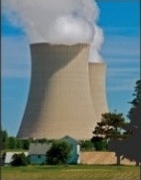
A nuclear power plant in Byron, Illinois. Taken by photographer Joseph Pobereskin (http://pobereskin.com).