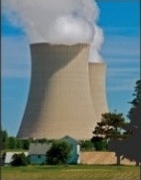
韓国の原発は密集度世界1位、古里原発の周辺人口は福島の22倍 via hankyoreh

古里原発8基「世界最多」にもかかわらず
政府は2基追加建設を承認
半径30キロ圏内に380万人が居住
月城原発、ハンウル原発、ハンビッ原発も10位以内

25基のうち19基が集中している東南部一帯に
60あまりの活断層が分布
「強震に襲われれば大災害」警告

12日夜に発生した観測史上最大規模の地震は、韓国の原子力発電所(原発)の密集度が世界で最も高いということが重なり一層不安を高めている。韓国は原発 の国土面積当たりの設備容量はもちろん、団地別の密集度、半径30キロメートル以内の人口などすべて世界1位だ。地震の事故による危険もその分大きくなら ざるを得ないと専門家らは指摘する。

 世界で原発は30カ国189団地448基が運営されている。13日、原子力安全委員会が2014年に国会に提出した資料「原発密集度国際比較」による と、韓国は国土面積9万9720平方キロメートルに、8万721メガワットの発電容量の原発を稼動しており、密集度が0.207だった。原発を10基以上 保有している国の中で最も高い。2位の日本は0.112で韓国の半分の水準だ。原発100基を運営し、最も多くの原発を保有する米国も密集度は0.01で あり、韓国の20分の1に過ぎない。この比較を進めていた当時、韓国は原発23基を運営中だったが、現在は25基に増え、密集度は0.282(今年6月基 準。エネルギー正義行動分析)となり、より高くなった。

原発団地別に見た密集度はさらに深刻だ。環境団体グリーンピース・ソウル事務所は「8基ある古里(コリ)原発はすでにカナダのブルース原発とともに世界最 多の原子炉密集団地というタイトルを持つ」と明らかにした。特に設備容量を基準にした場合、古里原発は8260メガワットであり、ブルース原発(6700 メガワット)を凌駕する。古里原発は半径30キロメートル以内の人口も380万人にのぼる。「全世界で原発が6基以上集まっている団地の中で、周辺に人間 が最も多く住んでいるところ」とグリーンピース側は説明した。古里だけでなく、月城(ウォルソン)、ハンウル、ハンビッなど、韓国の全ての原発団地が世界 最多の原子炉密集団地のうち10位以内に入る。

2011年の東日本大震災や福島原発事故は、原発団地内で同時に事故が起こり得るという警戒心を全世界に伝えた。当時の福島原発6基のうち3基の核燃料棒 が溶融した。東国大学のパク・ジョンウン教授(原子力・エネルギーシステム工学)は「政府は韓国が日本より地震の可能性が低いという点を強調してきたが、 地震などの事故は急に発生する。団地内での発電容量が大きいということは、放射線放出量が多いということであり、付近に住民が多く住んでいるということ は、その分事故による被害がより大きいということだ。これらを考慮し『潜在的危険性』を計算すると、古里原発は福島原発よりはるかに深刻なレベルで危険 だ」と主張した。韓国は日本より地震発生率が低い方だが、一度事故が起こればそれによる危険性が数十倍大きくなり得るという話だ。何よりも古里原発の半径 30キロメートル以内に住む住民が多いという点に専門家たちは注目している。福島原発(約17万人)に比べると22倍も多い。

続きは韓国の原発は密集度世界1位、古里原発の周辺人口は福島の22倍

Posted in *日本語 | Tagged , , , , | 1 Comment

「官邸や自分に不利なことも正直に話す」 寺田学・元首相補佐官が語る東日本大震災の15日間【8/8】via the Huffington Post

2011年3月11日。寺田学氏は、菅直人首相(当時)の下、首相補佐官として東日本大震災を経験した。突然、福島県に乗り込んだ菅・元 首相。緊迫した状況で右往左往する政治家たち。「自分や官邸関係者には不利なこともありますが、それでも正直に記すことが被害に遭われた方や未来の方々へ の微かな誠意と思っております」と語る寺田氏の証言を8回にわたってハフポスト日本版でお届けします。(寺田氏が2013年に書いたものを加筆修正し、3月に公開したブログです。また本人が、事故調査委員会に証言した話に加え、聞かれなかった内容も含まれています。)

(略)

<SPEEDI スピーディ>

その存在を、私が最初に知ったのはTwitterだった。福山副長官も同様だったはず。

「Twitterでスピーディってのがあるって情報、多いですよね?」そんな話を福山副長官とした。
「班目委員長に聞いてみないとな。」

総理は福島社民党党首から教えてもらったと言っていた。「スピーディという放射能拡散予想装置?があるらしい」そんな朧げな情報。
直ちに班目原子力安全委員長に聞く。「スピーディってのがあるらしいが。」

すると、班目委員長からは、「ありますよ、でも今は役にはたちません。実際にどれぐらい放射性物質が放出量が解らなければ、拡散予想が出来ないんです。だから、いまは使えません。いま原発からどれぐらい放出されたわかりませんもん。」と、一笑にふされた。
何度も聞いた。私からも、総理からも、福山副長官からも。全て同じ答えだったらしい。

日時は、自衛隊ヘリによる放水後だったから、早くても 3月17日以降。既に原発が3度も爆発した遥か後のこと。実際は事故当初から、スピーディを所有している文科省の関係団体が使用していたと、後の報道で知 る。一号機の爆発の時、官邸はスピーディ情報を隠していたと言われるが、実態は以上の通り。隠す情報すらなかった。なにより、この手の情報が、避難の実務 的な陣頭指揮をとる伊藤危機管理監にすら入っていなかった。政治が隠した、のでもなく、役所機構のトップが隠したのでもなく、そもそも官邸に情報が入らな かった。

住民の避難に関して、政治側は「避難させるかどうか」の大局を判断し、行政側(主に警察、危機管理センター)は「どのように、どこ に避難させるか」の実務的な判断する。その行政側のトップが危機管理監なのだが、伊藤危機管理監にも情報が入っていなかった。文科省で止まっていたのだろ う。そもそも、文科省が所管している事自体、おかしい。官邸にあげるべき情報か否かの判断すら出来なかったのだろうか。これも縦割り行政、縄張り行政の悪 弊。

(略)

<20ミリシーベルト問題>

3月の月末あたり。
小佐古教授が、党所属議員の推挙で内閣府参与になった。私は初対面。総理も初対面。大衆被爆の専門ということで、助言を受ける事に。

その小佐古教授はテレビで、一般公衆の線量限度を「一ミリシーベルト以下にすべき」と泣きながら会見をした人。当時、国は20ミリシーベルトを基準と決定していた。

ここでの記憶を数点。

ま ず、小佐古教授。官邸で避難地域の拡大が議論されていた時に、「そんなに拡大しなくていい」と一番反対していたのが小佐古教授だった。班目委員長らが拡大 必要という路線で議論し、総理に報告に来た時に、参与として小佐古教授が同席していた。まさしく、参与としてセカンドオピニオンを述べる為に。

班目委員長が避難地域拡大の必要性を訴えた時に、小佐古教授は猛烈に、そして感情的に反対していた。(私は別件で隣室の秘書官室で仕事をしていたところ、会議に同席していた秘書官から「寺田補佐官、何とかしてください、、、」と急遽呼ばれて途中から参加した)

(略)

大げんかは終了。その小佐古教授、これほど避難地域の拡大に反対していた人が、数日後、テレビの前で国の20ミリシーベルト基準を批判し涙を流していた。何がなんだかわからなかった。この20ミリシーベルト問題、一度福山副長官に聞いた。何とか出来ないか、と。
すると「いやぁ、したいんだけど、知事が相当嫌がってるんだ。人口が減る、福島が無くなるからと言って。地元の了解なしに政府が決めても実効性が乏しいんだ」。

全文は「官邸や自分に不利なことも正直に話す」 寺田学・元首相補佐官が語る東日本大震災の15日間【8/8】

(2016年3月11日「寺田学のオフィシャルウェブサイト マナブドットジェーピー [ Manabu.jp ]」より転載)

当サイト既出関連記事:

その他エントリー

Posted in *日本語 | Tagged , , , , | 2 Comments

ウラジオストクに日本から放射能汚染車が運ばれる via Sputnik

ウラジオストクに危うく放射能汚染車が持ち込まれるところだった。RIA「ヴォストーク・メディア」が報じた。

プリモルスク港に到着した日本のディーゼル船で、税関職員が危険な乗用車を発見した。 より綿密な調査をした後、税関職員は、自動車の放射線レベルを高めている源がベータ活性粒子であることをつきとめた。その数は、1平方センチメートルあた り平均30個。複数の箇所では1平方センチメートル当たり70個だった。ロシア連邦消費者権利保護・福利監督庁・沿海地方支部が即時に伝えた。 また極東税関局の広報部は、さらなる調査が行われた後、放射能汚染車はディーゼル船に残されたと伝えた。自動車は日本へ戻ることになる。

(略)
前に伝えられたところによりますと、小泉元首相は安倍首相の福島第1管理下との声明はウソだと述べた。

Posted in *日本語 | Tagged , , , , | 1 Comment

泊原発札幌説明会議論かみ合わず 3時間半で打ち切りvia 北海道新聞

北電側が「再稼働しないのが安全だというご意見は、その通りだと思う」と回答すると、会場はひときわ大きな拍手に包まれた。
[…]

全文を読む。

Posted in *日本語 | Tagged , , , | 3 Comments

Hinkley must not be taken as a precedent for other nuclear stations via The Guardian

Despite the majority of the British public being opposed to a new nuclear power station at Hinkley Point C, according to various surveys, Theresa May has approved the £18bn project.

The arguments against it are well understood – cost, safety and national security. On the first point, George Osborne, the former chancellor, was on the radio supporting the project last week, claiming that the costs would be borne by French group EDF and its Chinese partner CGN.

That is disingenuous at best, misleading at worst. EDF and CGN expect to make a profit from their investment and the National Audit Office has said the project could cost taxpayers almost £30bn in subsidies to these companies.Other factors May had to consider when making a final call about whether to go ahead with Hinkley included the diplomatic repercussions of scrapping a project that was significant to France and China. The shadow of Brexit also hung over the decision: this is not a time to be damaging relationships with two key trading partnerships.

EDF and CGN’s reputations were on the line. EDF has lost its finance director and is at war with its trade unions because of the project. China – a country not renowned for taking disappointment well – has said the opportunity to invest in UK nuclear will allow it to advertise its technological expertise to the world.

As a result, May faced a decision akin to not inviting your boss to your wedding. It is your day, you are more than entitled to make that decision and you probably shouldn’t have invited them in the first place: but snubbing them is not going to be positive for your career prospects.

[…]
May and her government must seriously think about whether they want more nuclear power stations popping up around the country. While the decision on whether to proceed with Hinkley became wrapped up with diplomatic issues, Bradwell and Sizewell must only be approved if the government genuinely believes they are the best solution to Britain’s energy issues. Most experts would say they are not.

Read more.

Posted in *English | Tagged , , | Comments Off on Hinkley must not be taken as a precedent for other nuclear stations via The Guardian

甲状腺がんの子ども支援シンポジウム 寄付を呼びかけ via NHK

福島第一原発の事故後に甲状腺がんと診断された子どもたちを支援する団体が都内でシンポジウムを開き、長期的な定期検査の充実を求めるとともに、経済的な支援を行うための寄付を呼びかけました。
[…]」はじめにチェルノブイリの原発事故の後、ベラルーシで子どもたちの甲状腺がんの治療にあたった外科医で長野県の松本市長、菅谷昭さんが講演を行いました。
この中で菅谷さんは、ベラルーシでは事故から30年がたった今も汚染された地域の6歳から17歳までの子どもに対して国が甲状腺検査などの定期健診を年2回、行っていることを紹介しました。そして、福島県で診断された甲状腺がんが事故による影響なのか、現時点で特定することは難しいとしたうえで、疫学的な検証をするためにも国や県は定期検査に力を入れるべきだと指摘しました。

一方、基金によりますと、甲状腺がんと診断された子どもの中にはリンパ節への転移などが確認された子どももいるということで、経済的な支援を行うため寄付を呼びかけました。

もっと読む。

Posted in *日本語 | Tagged , , | Comments Off on 甲状腺がんの子ども支援シンポジウム 寄付を呼びかけ via NHK

原発賠償関西訴訟原告団代表 森松明希子さんインタビュー via 通販生活

「原発事故の被災者には、避難する権利、とどまる権利、帰還する権利が認められるべきです」

福島第一原発の事故後、たくさんの人が全国各地へ避難しました。しかし、国と東京電力は、避難者に対して十分な賠償や必要な支援策を講じていません。そのため、国と東京電力を相手どった避難者による訴訟が各地で起こされています。その中の一つ、関西へ避難した被災者による「原発賠償関西訴訟」の原告団代表、森松明希子さんに訴訟に至った敬意を詳しく伺いました。

(略)

森松 震災後、実家の家族はみんな、「早く福島を出なさい」と言っていたんです。
でも私は、この人たちは何を言うんだろうと思って、あまり真面目に取り合っていませんでした。被ばくに対する漠然とした恐怖があったとはいえ、その報道を見るまでは避難しようとは思ったこともなかったのですから。

――具体的には、どういう内容の報道だったのですか?

森松 原子力施設で起きた事故の深刻度を示す国際原子力事象評価尺度(INES)で、福島第一原発の事故は、最も深刻度の高いレベル7 とされたという報道でした。同じくレベル7と評価されたチェルノブイリでは、事故後20年以上が経過しても健康被害が絶えないことなども、その報道で始め て知りました。
当時、福島県内で報道されることと言えば、どこの学校で授業が再開されましたとか、流通が元に戻ってきましたとか、復興に関するものが圧倒的に多かったんです。原発事故に関する報道で、しかも危険を知らせる報道なんて、少なくとも私は見たことがなかった。
福島第一原発事故の深刻度を伝えるその報道を見て、「もう福島には帰れない」と思いました。
郡山で生活を再建しようと思っていたのは事実なんです。一方で、郡山での生活に強烈な違和感があったのも確か。

――どんな違和感だったんですか。

森松 原発事故後の4月、長男は幼稚園に入園したのですが、制服を着せることができたのは入園式の1日だけでした。入園式の翌日からは、長そで長ズボンの服を着用するようにと言われたのです。
それから、数日後には幼稚園からマスクが配られ、外出時にはマスクを着用させるようになりました。外遊びもさせられないので、週末になると、ブランコやすべり台があるだけの普通の公園で1時間ほど子どもを遊ばせるためだけに車で県外まで行っていました。
娘は、できる限り外に出さないようにしました。徒歩5分の距離にある幼稚園に息子を送迎する時も、家に一人で残していました。寝返りができるようになっ た娘に、「寝返りしないでね」と言い聞かせ、窒息させないようにと周りをきれいに片づけて、まだ0歳の娘を一人で自宅に残して、大急ぎで息子の送迎をして いました。
もう、何が普通で、何が普通でないのかが、分からなくなっていました。子どもを被ばくさせないための暮しにはいろんな制約があり……。「一体いつまでこんな暮しが続くんだろう」。そんな先行きの見えない不安がありながらも、郡山で生活を再建するために、必死でした。

――それでも、避難をしようとは思わなかったのですね。

森松 そこが、福島を中から見るか、外から見るかの圧倒的な違いだと思うのです。福島県内で生活していると、日頃どれだけ苦労して放射 能と闘っていても、「避難しよう」とまでは、あまり思えないんです。放射能があることは分かっていても、他の地域と比べてどれだけ汚染されているのか、と いうような情報が手に入りにくいからです。

(略)

森松 自主避難者が必ずしもそうであるわけではありませんが、私たち親子は、住民票を移動していません。住民票を大阪に移すと、県民健 康調査の通知などが届かなくなるかもしれない。福島県は、事故当時福島県内に住んでいた子どもに関しては、追跡調査をするとしていますが、避難先に住民票 を移動した避難者の中には、通知が届いていない方もいるのです。 ですが、もう2年以上、大阪に暮していますし、私も大阪で仕事をしているのに、行政サービスが受けられずに困ることがありますね。

――具体的には?

森松 私が働き出した時に、長女の預け先を探していたのですが、住民票が大阪にない、という理由で、保育所の入所手続きすらできなかったんです。郡山と大阪の市役所に掛け合っても、「できません」と言われるばかりで。
何とか自分で、特別な事情がある場合には、住民票のある自治体以外の保育所に子どもを入所させることができる「広域入所」という制度があることを調べて、入所手続きをしました。
今年の4月には、長男が小学校に入学しましたが、やはり手続きはスムーズにいきませんでした。
この時も、郡山と大阪の市役所へ行って事情を説明し、ようやく大阪の小学校への入学が認められました。

(略)

――「とどまる権利」と「帰還する権利」ですね。

森松 そうです。ですが、被災地で生活することを選択した人に、被ばくをおしつけるようなことがあってはいけません。被災者がどんな選択をしようとも、放射線被ばくの恐怖から免れ健康を享受する権利が侵害されないようにするには、国の支援が必要です。
原発事故の真相を究明し、国の法的な責任を明らかにするよう訴え、原発事故の被災者が被ばくから免れるために必要な支援を受けられるように求めることも、今回の訴訟の目的です。
私たち被災者が何よりも求めているのは、被ばくから免れるために必要な具体的な施策です。「原発事故子ども・被災者支援法」(注)の当初の理念に基づいた具体的な支援策の実施こそが、この裁判の真の目的なのです。

(略)

森松 震災後、郡山の水道水からは放射性物質が検出されましたが、その水を子どもに与えました。
震災直後は、食料も、なんとか息子に食べさせるのがやっとという状態でした。でも、避難所には水道水があるから、私が水さえ飲んでおけば、娘に母乳をあげられる、助かったと思っていました。
なのに、その水には放射性物質が入っていたんです。テレビのニュースでそれを知った時、言葉が出ませんでした。
でも、水道水から放射性物質が出ていると分かっていても、どうすることもできませんでした。流通も十分に回復していない状況では、ペットボトルの水を買うことすらできなかったんです。
飲みたくないと思っても、飲まないわけにはいきません。私たち夫婦は、子どもの将来の健康リスクを覚悟してでも、放射性物質の入った水道水を与えざるをえないという、決断をしたのです。
その水を飲んだ後、母乳を娘に与えましたし、息子がのどがかわいたと言えば、その水を飲ませました。

――…………。

森松 こういう話は、あまり知られていませんよね。でもこの決断は、私たち夫婦だけの決断じゃない。郡山には当時、留まっている住民がたくさんいたんですから。
これが、被ばくと直面するということです。現実に起きていたことなんです。世の中の人はあまりにも原発事故の真実を知らな過ぎる。

(略)

森松さんの著書『母子避難、心の軌跡 家族で訴訟を決意するまで』(かもがわ出版、定価1400円+税)。震災直後の郡山市での暮しから、訴訟に至るまでの経緯を森松さん自身の言葉で書いた手記。

原発事故被災者支援関西弁護団
http://hinansha-shien.sakura.ne.jp/kansai_bengodan/
原発賠償関西訴訟の弁護団。

全文は原発賠償関西訴訟原告団代表 森松明希子さんインタビュー

Posted in *日本語 | Tagged , , , , , | Comments Off on 原発賠償関西訴訟原告団代表 森松明希子さんインタビュー via 通販生活

The Myth of the Nuclear Renaissance via U.S. News

The game is already over for nuclear energy.

Dear editor,

Desperate times for the nuclear industry call for desperate rhetoric. Hence the reach, once again, for “renaissance,” even though the facts support no such thing and the industry itself dare not even resurrect the mythological moniker. [“The New Nuclear Renaissance,” 6/11/2016]

With nuclear power priced out of the market – not only by natural gas but, more importantly for climate, by renewables – die-hard nuclear proponents are dressing up old reactors in new propaganda.

Sodium-cooled, fast and even small modular reactors are all designs that have been around – and rejected – for decades.

Sodium-cooled reactors are prone to fires, explosions and super-criticality accidents. A rapid power increase inside the core of such a reactor could vaporize the fuel and blow the core apart. Far from “walk away safe,” these on-paper designs have not been submitted to the kind of rigorous “all scenarios” testing that could definitively designate them as meltdown proof.

The reactor that consumes its own radioactive waste as fuel is not the waste management panacea its sounds like. It could theoretically “transmute” wastes by reducing the proportion of long-lived isotopes contained in them. But radioactive fission products would remain, some of which are very long-lived. Management of these radioactive wastes would still be necessary for several hundred years. They would not magically vanish.

[…]

Sen. Cory Booker has cited asthma rates as his motivation for turning to nuclear. Yet studies have shown a 37 percent increase in leukemia rates among children living near nuclear power plants, hardly an acceptable alternative. Booker should also be concerned that many aspects of the nuclear fuel chain, especially uranium mining and waste dumps, tend to burden low-income communities of color.

The authors specifically mention “racing against China and Russia.” Is it coincidental both countries are fellow members of the nuclear weapons club and that at least one of the “new” reactor designs the authors tout, uses and produces plutonium, the key component of atomic weapons?

The real race the U.S. is letting China win is in the renewable energy field. China’s renewable investments in 2015 totaled $100 billion, according to the just released 2016 World Nuclear Industry Status Report,” more than five times the amount the country invested for new reactors, which was $18 billion.

[…]

If there is $1 billion to spare for energy “innovation,” why not spend it on renewables, energy sources that could not radioactively contaminate vast areas for decades, use no fuel and produce no waste? That would be truly “modern.”

The Renaissance was a cultural movement that bridged Medieval times to the so-called Early Modern Age. Like nuclear energy, it is of the past, not the future.

Linda Pentz Gunter
International specialist and director of media and development
Beyond Nuclear
Takoma Park, Maryland

Posted in *English | Tagged , , , , | Comments Off on The Myth of the Nuclear Renaissance via U.S. News

Finland’s new nuclear project piques South Australia’s interest as state considers waste storage via abc news

In the small town of Eurajoki on Finland’s west coast, a passionate practice ice hockey match is underway.

The rink is one of the most popular facilities in town and it was partly funded by the nuclear industry.

“Most people think the industry has been good for the area,” local councillor Vesa Jalonen says, while we watch the game.

“We’ve been living with it since about the ’70s. It’s brought lots of benefits. There are more jobs, more welfare, taxes are second-lowest of all [municipalities] and we think the risks are kept low.”

That’s not to say people don’t worry something could go wrong.

[…]

“We are going to put the harmful radioactive waste from the reactors deep underground in a final repository,” Errki Palonen, an executive from nuclear waste management company Posiva, explains.

“It will keep it safely away … for at least 100,000 years … and as long as a million”.

[…]

What will the world be like in 100,000 years’ time?

Posiva wants to keep the waste away from humans, animals and most importantly, the water table, for at least 100,000 years.

By then it believes the waste will only be as harmful as normal background radiation.

But 100,000 years is a staggeringly long time in human terms.

Most think Ancient Egypt only formed a touch over five millennia ago and it is estimated an ice sheet only receded from parts of Finland between 8,000 and 9,000 BC.

[…]

So why is Australia interested?

By law, Finnish nuclear power companies have to find ways to safely dispose of their waste long-term.

This dump will only take radioactive material from a few local power plants and is likely to be full in about a century’s time.

By contrast, Australia, which doesn’t have nuclear power plants (or nuclear submarines), doesn’t produce any high-level waste.

But a recent royal commission found South Australia could make more than $100 billion over 120 years by building a high-level dump and burying waste from other countries deep underground.

[…]

Do we have a ‘moral’ responsibility too?

Some of the 400-odd nuclear power plants across the globe, including those in Finland, use some Australian uranium.

Our nation has the world’s biggest uranium reserves and we are the third-largest exporter.

Given we’re already playing a role in what’s known as the “nuclear energy cycle” some have argued we have a “moral” responsibility to help get rid of it.

Read more at Finland’s new nuclear project piques South Australia’s interest as state considers waste storage

Posted in *English | Tagged , , , , | 1 Comment

Obama to decide on cuts to US nuclear arsenal in October via The Guardian

Limited politically feasible options on table for president to cement a disarmer legacy, most far-reaching of which is a one-third cut to deployed strategic arsenal

Barack Obama is expected to make a final decision next month on possible cuts to the US nuclear arsenal, in an attempt to consolidate his legacy as a disarmer before leaving office.

[…]

Unable to persuade the Senate to reconsider ratification of the Comprehensive Test Ban Treaty, the White House has backed a United Nations security council resolution, due to be passed on Thursday, that reaffirms member states’ commitment not to conduct explosive nuclear testing. The administration official said there might be more steps to come before Obama leaves office in January.

“There are a whole lot of other steps the administration is looking at, and right now it is an open book as to what will be decided,” he said.

Nuclear disarmament was one of the signature ambitions of Obama’s first months in office. In a speech in Prague in April 2009, he pledged US commitment “to seek the peace and security of a world without nuclear weapons”. However, he approaches the end of his eight years in office having made fewer reductions to the US arsenal than any president since the end of the cold war.

[…]

Zia Mian, from the programme on science and global security at Princeton University, said fissile material stocks could also be cut. They are now believed to constitute 243 tons of HEU and 38 tons of plutonium.

“If say, a typical US warhead has 25kg of HEU and 4kg of plutnium, then if the US were to reduce to 1,000 operational warheads (as Obama says they can) and say 1,000 reserve warheads, it would need only 50 tons of HEU and eight tons of plutonium for its nuclear arsenal and the rest could be declared excess,” Mian said.

Read more at Obama to decide on cuts to US nuclear arsenal in October

Posted in *English | Tagged , , , , | Comments Off on Obama to decide on cuts to US nuclear arsenal in October via The Guardian