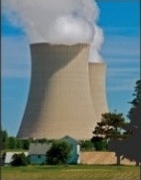
Damaged fuel rods soon to be extracted from Lepse nuclear service vessel via Bellona

Officials in Northwest Russia have said they will soon begin removing hundreds of nuclear fuel assemblies, some of them damaged, from what was the country’s most radioactive nuclear fuel storage ship, the Lepse.

Officials in Northwest Russia have said they will soon begin removing hundreds of nuclear fuel assemblies, some of them damaged, from what was the country’s most radioactive nuclear fuel storage ship, the Lepse.

The fuel removal process is one of the most technically demanding nuclear legacy cleanup operations, and when it’s complete in 2020, it will represent decades of technical preparation and coordination of international funding in often trying political circumstances.

[…]

The Lepse, which was used to unload spent nuclear fuel from Soviet nuclear icebreakers, spent more than two decades languishing at the Atomflot icebreaker port in Murmansk, just four kilometers from the city’s population of 300,000.

Its irradiated holds contain 639 spent nuclear fuel assemblies, many of which were damaged when the vessel refueled the Lenin Icebreaker in 1965 and 1967, and defy removal by conventional means.

[…]

Once the Lepse was in dry-dock at Nerpa, it was cut into five sections, or “storage packages”: the stern section, which is said to be relatively uncontaminated; the section with liquid radioactive waste tanks; the engine and boiler room, and two packaged bow sections, one of which contains the notorious 639 spent nuclear fuel assemblies.

When it was hauled out of the water onto a special slipway, the bow storage package, along with the side sections, was completely enclosed, heating equipment was installed to ensure climate controls for the spent nuclear fuel assemblies inside.

The vessel was also fitted with a communications system, a ventilation system and trace gas detection equipment to ensure safety for the 5000 technicians working on its dismantlement.

Radiation safety shields have also been put up around the vessel, and additional protections were added around the bow to block some 4600 microsieverts of radiation.

After the vessel was pulled out of the water onto a slipway, decommissioning engineers began forming the storage packages – essentially big blocks holing the remainders of the vessel, which will be shipped to long-term storage in Sayda Bay, a refurbished storage site on the coast of Kola Bay where dozens of reactor compartments from other nuclear vessels are kept.

Read more at Damaged fuel rods soon to be extracted from Lepse nuclear service vessel 

Posted in *English | Tagged , , , | 3 Comments

福島第1原発事故 汚染牧草や堆肥、一時保管にも交付金 農水省新制度 処理方法未定でも /宮城 via 毎日新聞

農林水産省は今年度から、東京電力福島第1原発事故で生じた放射性物質に汚染された牧草や堆肥(たいひ)の一時保管を決めた自治体などに対し、「東日本大震災農業生産対策交付金」を交付する制度を導入した。これまでの国の補助制度と違い、処理方法が未定でも交付される。県内の一部自治体は、農家の庭先などで保管されたままになっている汚染廃棄物の解消につながればと利用の検討を始めた。【山田研】

農家から集約に期待

 新たな交付対象は、市町村や農協などが行う「一時保管施設の設置・点検・補修費」や「新たな保管場所への運搬・委託料」など。保管場所は簡易ハウスや土の中を想定しており、費用は国が全額負担する。ただ、国の基準(1キロ当たり8000ベクレル)を超えた稲わらなどの指定廃棄物や汚染ほだ木は対象にならない。

 これまで基準以下の牧草などについて、環境省の「農林業系廃棄物の処理加速化事業」の対象となり、焼却やすき込みなどの処理方法が決まっている場合、国が全額処理費用を負担。その後、負担分を東電に請求していた。また、自治体や農家が独自に処理した場合は個別に東電に請求し、交渉する必要があった。

 しかし、農水省飼料課によると、全国で汚染された牧草約12万トンのうち4万トンは未処理のまま。うち県内は約2万トン(18日県公表)ある。また未処理の堆肥は県内に約3700トン(同)残る。背景には、安全性や風評被害を危惧する住民らの反発がある。

(略)

 そこで、県などは昨年から新たな制度の創設を国に要望。農水省は、津波被害にあった農地の除塩や汚染された農地での吸収抑制対策事業などを対象に設けた同交付金に一時保管などを加えた。今年度の予算額は同交付金全体で約25億円。東電への求償は従来通りしない。

(略)

廃棄物処理問題に詳しい県議は「事故の後始末に税金を使ってよいかの議論はあるが、事態を動かすために現実的だ」と評価。焼却以外の処理を模索するある首長は「すき込みをするには牧草の量が多い。濃度の高い牧草の保管を検討したい」と述べた。

全文は福島第1原発事故 汚染牧草や堆肥、一時保管にも交付金 農水省新制度 処理方法未定でも /宮城 

Posted in *日本語 | Tagged , , , | 7 Comments

「2018年の一部帰還目指す」福島第一立地の大熊町長 via 朝日新聞

東京電力福島第一原発事故で、町全域に避難指示が出ている福島県大熊町の渡辺利綱町長は21日、2018年中に一部地域の町民の帰還をめざす考えを明らかにした。朝日新聞の取材に「放射線量が低くなり、住める環境が整いつつある」と述べた。帰還が実現すれば、第一原発が立地する大熊、双葉両町では初めて。

帰還の対象は、第一原発から約10キロ離れた「居住制限区域」の大川原地区(5月末時点131世帯364人)と、「避難指示解除準備区域」の中屋敷地区(同11世帯22人)。全町民の3・6%にあたる。大川原地区には東電の単身寮があり、昨夏以降、第一原発の廃炉に携わる社員約750人が特例的に暮らしている。

(略)

放射線量が高く、対象外となる「帰還困難区域」の一部については、国が「特定復興拠点」として集中的に除染し、22年までに人が住めるようにする方針だ。(池田拓哉)

全文は「2018年の一部帰還目指す」福島第一立地の大熊町長

Posted in *日本語 | Tagged , , | Comments Off on 「2018年の一部帰還目指す」福島第一立地の大熊町長 via 朝日新聞

Energy Sec Rick Perry warns Fukushima could happen here if US doesn’t deal with its nuclear waste via CNBC

Energy Secretary Rick Perry on Tuesday warned that the United States could suffer a nuclear disaster like Japan’s Fukushima catastrophe if it does not find a solution for its nuclear waste.

The Trump administration believes that solution is a long-delayed plan to store all of the country’s nuclear waste at a facility located deep inside Nevada’s Yucca Mountain.

The White House has asked Congress for $120 million to restart the licensing process for the nuclear waste facility, which is meant to be a permanent home for atomic waste that is currently stored at nuclear facilities around the U.S.

In testimony to Congress, Perry raised concerns about the San Onofre Nuclear Generating Station, where Southern California Edison has for years stored spent nuclear fuel rods in cooling ponds, a common practice across the country.

[…]

“Having those spent fuel rods in those cooling ponds in a region of the world that’s inside that ‘Ring of Fire,’ as they call it — and the potential to have a geologic event — we could have a repeat of what happened at Fukushima to some degree,” Perry told members of the House Committee on Appropriations.

[…]

On Tuesday, Perry also raised the prospect of temporarily storing nuclear waste from around the country at the Nevada National Security Site, a former testing ground for nuclear devices. He also mentioned sites in New Mexico and Texas that have previously been discussed as interim storage sites.

A bipartisan group of lawmakers has introduced legislation to authorize the Department of Energy to enter into contracts to store high-level radioactive waste and spent nuclear fuel at temporary facilities. Perry needs that authorization, as well as permission to tap funds, to establish the sites.

Read more at Energy Sec Rick Perry warns Fukushima could happen here if US doesn’t deal with its nuclear waste

Posted in *English | Tagged , , , , | Comments Off on Energy Sec Rick Perry warns Fukushima could happen here if US doesn’t deal with its nuclear waste via CNBC

福島第1、敷地の95%で全面マスク不要 廃炉作業の環境改善 via 日本経済新聞

 2011年に事故を起こした福島県の東京電力福島第1原子力発電所で廃炉作業の環境が改善している。東電は21日、発電所内の一部を報道機関に公開した。除染が進んだことなどで、顔全体を覆う全面マスクなど特別な装備を着用せず、一般的な服で立ち入れる地域が発電所の敷地の95%まで広がった。

原子炉建屋から約200メートル離れた海岸沿いで視察用のバスを降りると、東電職員は「今春まではここも一般服では来られなかった」と説明した。草木を伐採したり地表を舗装したりしたことで、放射性物質を含む土などが舞い上がるリスクが大幅に下がった。

事故直後は所内全域で全面マスクが必須だったが、不要な地域は13年5月時点で30%、14年5月で65%と広がっていた。東電は「発電所の周辺に汚染物質が拡散する可能性の低下にもつながる」と説明する。

続きは福島第1、敷地の95%で全面マスク不要 廃炉作業の環境改善

関連記事:

Posted in *日本語 | Tagged , , , | Comments Off on 福島第1、敷地の95%で全面マスク不要 廃炉作業の環境改善 via 日本経済新聞

Small head size and delayed body weight growth in wild Japanese monkey fetuses after the Fukushima Daiichi nuclear disaster via Scientific Reports

ABSTRACT

To evaluate the biological effect of the Fukushima Daiichi nuclear disaster, relative differences in the growth of wild Japanese monkeys (Macaca fuscata) were measured before and after the disaster of 2011 in Fukushima City, which is approximately 70 km from the nuclear power plant, by performing external measurements on fetuses collected from 2008 to 2016. Comparing the relative growth of 31 fetuses conceived prior to the disaster and 31 fetuses conceived after the disaster in terms of body weight and head size (product of the occipital frontal diameter and biparietal diameter) to crown-rump length ratio revealed that body weight growth rate and proportional head size were significantly lower in fetuses conceived after the disaster. No significant difference was observed in nutritional indicators for the fetuses’ mothers. Accordingly, radiation exposure could be one factor contributed to the observed growth delay in this study.

INTRODUCTION

The Fukushima Daiichi nuclear power plant (NPP) disaster that occurred in March 2011 exposed a large number of humans and wild animals to radioactive substances. Several studies of wild animals in Fukushima investigated health effects of the disaster, such as morphological abnormalities in gall-forming aphids (Tetraneura soriniTnigriabdominalis)1 and pale grass blue butterfly (Zizeeria maha)2, hematological abnormalities in carp (Cyprinus carpio)3, and chromosomal aberrations in wild mice (Apodemus argenteusMus musculus)4. However, there is no research investigating long-term exposure to radiation on mammals that typically have long life-span to date. This study is the first report to observe long-term biological effects of the pre- and post-NPP disaster on non-human primates in Fukushima.

[…]

Read more.

Posted in *English | Tagged , , | Comments Off on Small head size and delayed body weight growth in wild Japanese monkey fetuses after the Fukushima Daiichi nuclear disaster via Scientific Reports

Report: Years of issues at Pilgrim Nuclear plant via The Patriot Ledger

PLYMOUTH — Pilgrim Nuclear Power Station leads the nation’s fleet of 99 reactors for incidents or conditions over the last 40 years that could have led to core damage and an accompanying release of radiation, according to a division of the Nuclear Regulatory Commission that conducts risk analysis.
While not among the 11 reactors on the 2016 list published June 8 by the NRC’s Division of Risk Analysis, Pilgrim has made the list for “accident sequence precursors” 23 times since 1980.

Such precursors are defined by the NRC as observed events or conditions that, when combined with one or more factors such as human error or equipment failure, could result in damage to the reactor’s core and a massive release of radiation.

“The accident sequence precursors are like golf scores, in that the low score wins,” said David Lochbaum, director of the Nuclear Safety Program for the Union of Concerned Scientists.

While the 45-year-old Plymouth plant, owned by Entergy Corp., was on the annual list only four times in the past 20 years, all four of the potentially dangerous incidents have been recent, occurring since 2011.

[…]

Since the fall of 2015, Pilgrim has been ranked by federal regulators in a performance category just one step above ordered shutdown, based on standards set by the Nuclear Regulatory Commission. Because of its ranking as one of the three worst performers in the country, Pilgrim was required to undergo 12,000 hours of federal inspection last year.

Lochbaum called the nature of the Pilgrim events on the accident sequence precursor list over the years “not surprising.”

“The list includes safety relief valve problems, losses of offsite power, and high pressure coolant system failures — the same problems that factored in recent Nuclear Regulatory Commission findings and sanctions,” he said.


Read more.

Posted in *English | Tagged , | 1 Comment

Anti-Nuclear Bomb Activists Arrested at U.S. Mission to U.N. via Reuters

NEW YORK (Reuters) – More than a dozen activists were arrested for disorderly conduct after they blocked the entrances to the United States mission to the United Nations on Monday to protest Washington’s decision to boycott negotiations on a nuclear weapons ban treaty.

[…]

U.S. Ambassador to the United Nations Nikki Haley announced in March that the United States, Britain and France were among almost 40 countries that decided not to join talks on a nuclear weapons ban treaty at the United Nations.

A second round of negotiations is underway at the United Nations.

The United Nations General Assembly adopted a resolution in December – 113 in favor to 35 against, with 13 abstentions – that decided to “negotiate a legally binding instrument to prohibit nuclear weapons, leading towards their total elimination” and encouraged all member states to participate.


Read more.

Posted in *English | Tagged , , | Comments Off on Anti-Nuclear Bomb Activists Arrested at U.S. Mission to U.N. via Reuters

Japan eyes U.S. nuclear pact that renews automatically amid Trump administration vacancies via The Japan Times

Japan will seek a nuclear pact with the United States that renews automatically while it continues reprocessing spent fuel and enriching uranium, rather than a long-term pact similar to one set to expire next year, government sources said Tuesday.

Ahead of the current 30-year bilateral pact’s expiration in July next year, the government envisions the new type of agreement because it has little time for talks amid vacancies in U.S. departments tasked with negotiations under President Donald Trump’s administration, the sources said.

Further, the government apparently wants to avoid facing potentially harsh demands from Washington, such as over large stockpiles of plutonium that have built up over years of reprocessing under the current pact, observers said. The plutonium can be used to produce nuclear weapons, posing a potential proliferation risk.

The bilateral agreement, which entered into force in July 1988, authorizes Japan for 30 years until July 2018 to establish a nuclear fuel recycling system in which spent fuel from nuclear reactors is reprocessed to extract uranium and plutonium, which is then recycled as fuel called mixed oxide, or MOX, for use in fast-breeder reactors or conventional nuclear reactors.

But the reprocessing project has faced growing uncertainty as most nuclear plants have suspended operations amid safety concerns following the crisis at the Fukushima No. 1 plant caused by the 2011 earthquake and tsunami.

The trouble-prone Monju prototype fast-breeder nuclear reactor in Fukui Prefecture will also be decommissioned despite its envisioned key role in the fuel recycling plan.

[…]

If the pact is renewed with the envisioned automatic extension clause, it could be terminated anytime if either party gives notice six months in advance. But the government has judged that the United States is unlikely to greatly change its policy given that officials in charge of pact negotiations at the State and Energy departments have yet to be named, the sources said.


Read more.

Posted in *English | Tagged , , , , | Comments Off on Japan eyes U.S. nuclear pact that renews automatically amid Trump administration vacancies via The Japan Times

<ビキニ原水爆実験>沖縄漁船、隠された被ばく via 毎日新聞

1950年代を中心に、米国が太平洋・ビキニ環礁付近で実施した原水爆実験は計67回に及ぶ。国内では54年3月1日に静岡県のマグロ漁船「第五福竜丸」が被ばくした事件が知られるが、当時周辺では他にも多くの漁船が操業中だった。60年以上を経て真相が少しずつ明らかになっているが、当時米軍統治下の沖縄は、日本政府による放射線検査や被害補償の対象外で、実態は依然不明のままだ。「福竜丸以外」の被ばく実態解明に取り組む市民団体「太平洋核被災支援センター」(高知県宿毛市)が、琉球大の研究者らと初めて調査に入り、記者も同行した。【岩間理紀】


[…]

◇十数隻被災か


当時の科学者の分析によると、水爆「ブラボー」を皮切りに米国が54年3〜5月に実施した実験では、爆心地の東約160キロの公海にいた第五福竜丸の乗組員23人全員が、1.6〜7.1シーベルトの高線量を浴び「急性放射能症」と診断された。政府は全国18港で、漁船の放射線検査を実施。汚染された計485トン以上の魚が廃棄されたとされる。銀嶺丸に廃棄命令は出なかったが、上里さんは「マグロがその後、廃棄されたといううわさが流れた」と話した。


自身も大腸がんなどを発症した上里さんは「(真相を)解明してほしい。(米軍統治下で当時の)琉球政府が強く出られなかったことが問題だ」と憤る。当時の琉球気象台のまとめによると、実験地に近い沖縄では、60年代初めまで最高で毎分17万カウントの「放射能雨」が降り続いたとされる。


「マグロパニック」が拡大し、米政府は55年1月、200万ドル(当時約7億2000万円)の「見舞金」を日本政府に支払うことで政治決着。放射線検査も打ち切られたが、水爆実験はそれ以後も続いた。


一方で、米軍統治下の沖縄は見舞金の対象外とされた。2014年9月に国が開示した延べ556隻分の放射線検査記録のリストには、高知や宮城など各地の船名が確認されたが、沖縄の船名はなかった。米軍政下の沖縄は、日本国内の保険制度に入ることができず、大半の市民が無保険。船員保険もなく、記録からの追跡も難しい。

[…]

全文を読む。

Posted in *日本語 | Tagged , , , , | Comments Off on <ビキニ原水爆実験>沖縄漁船、隠された被ばく via 毎日新聞