Watchdog halts Tsuruga nuclear safety assessment after data tampering via Japan Today

TOKYO–Japan’s nuclear regulator said Wednesday it will pause its safety assessment of a central Japan reactor in response to the operator having tampered with key geological data related to a fault underneath the facility, putting in doubt its restart after a 10-year shutdown.

The Nuclear Regulation Authority said it will stop its evaluation of the No. 2 unit at the Tsuruga nuclear power plant in Fukui Prefecture until it confirms the operator, Japan Atomic Power Co, has improved the management of data like that which was changed to make the fault appear less active.

“Reliability of documentation is necessary to evaluate whether an operator’s assessment (of faults and other aspects) is appropriate,” said NRA Chairman Toyoshi Fuketa at a meeting, criticizing Japan Atomic Power for not following best scientific practice in compiling documents.

In February 2020, the regulator said Japan Atomic Power had been found to have rewritten data analyzing a drilling survey conducted on an area below the Tsuruga complex premises without approval.

Most of the altered parts involved geological data collected at points that are crucial in determining whether the fault running underneath the reactor is active or not.

In quake-prone Japan, building nuclear plants or other important facilities directly above active faults is prohibited.

Japan Atomic Power said at the time the altering of data was unintentional and was done to merely reflect a change in the observation method of the fault. But the regulator was unconvinced, with Fuketa labeling the company’s explanation over the handling of the raw data as “preposterous.”

[…]

Read more.

Posted in *English | Tagged , , | Comments Off on Watchdog halts Tsuruga nuclear safety assessment after data tampering via Japan Today

れいわ・山本太郎氏 衆院選東北ブロックに福島原発作業経験者を擁立「当事者で意義ある」via 東スポWeb

れいわ新選組の山本太郎代表(46)は18日、宮城県庁で会見し、次期衆院選・東北ブロックの比例単独に元電気工事業の渡辺理明(わたなべ・まさあき)氏(50)の擁立を発表した。

 渡辺氏は福島・南相馬市出身で、2011年の原発事故前には原発内での電気工事での作業経験もあったという。

(略)

れいわ新選組のボランティアなどを務め、現在は避難者の帰宅支援事業を行っている。
 
 渡辺氏は「福島原発の(国道)6号線や常磐自動車道を走る車のタイヤのほこりが一番、子どもたちに心配で、国に言っても測ってくれない。山本代表に連絡して、国会質疑をしてもらった。代表しか国民の命と財産を守れない。地元に住んでいる労働者や子どもたち、住民の健康被害が心配。代表ともども頑張って、真実を暴きたい」と訴えた。

 山本氏は「(渡辺氏は)事故前、事故後の安全管理で放射線の基準もなし崩しにされてしまっている部分に憤りを感じていた。原発の中に入ったこともあり、作業にも昔の仲間が携わっている当事者。当事者に候補者になってもらうのは意義がある」と擁立の狙いを話した。

全文はれいわ・山本太郎氏 衆院選東北ブロックに福島原発作業経験者を擁立「当事者で意義ある」

Posted in *日本語 | Tagged , , , | 1 Comment

Fortum calls for prompt decision on Swedish repository via World Nuclear News

A government decision on Sweden’s final waste repository will be delayed by the launch of a public consultation on whether the application for the repository should be considered separately from that for an expansion of the existing Clab interim repository for used fuel, Finnish nuclear operator Fortum has said. A government decision, it warned, is needed before the end of this month in order to avoid future disruptions to electricity supply due to a lack of interim used fuel storage capacity.

Announcing its financial results for the first half of 2021 yesterday, Fortum – which is co-owner of the Oskarshamn and Forsmark nuclear power plants in Sweden – said the Swedish government had launched the consultation in June “in order to further postpone a decision on the final waste repository”.

Radioactive waste management company Svensk Kärnbränslehantering AB (SKB) submitted applications to build Sweden’s first nuclear fuel repository and an encapsulation plant to the Radiation Safety Authority (SSM) in March 2011. The integrated facility – the encapsulation plant and the Clab interim storage facility at Oskarshamn – is referred to in SKB’s application as Clink. The application concerns the disposal of 6000 capsules with a total of 12,000 tonnes of radioactive waste at a depth of about 500 metres. SKB also applied to extend the storage capacity of the Clab facility from the current 8000 tonnes of fuel to 11,000 tonnes.

[…]

Fortum said the intermediate storage and the final repository “are connected in a coherent final repository system”. It noted the additional costs of the delayed decision for the nuclear power plant owners are an estimated EUR80 million (USD94 million) per year.

SKB said yesterday that more than 20 consultation responses have so far been received and a clear majority opposes a division of the applications. “They advocate a coherent application and that the government should make a hasty decision on this,” it said. The company noted only four consultative bodies expressed support for the applications to be considered separately.

Read more at Fortum calls for prompt decision on Swedish repository

Posted in *English | Tagged , | 18 Comments

「当時もこんな空だったのかな」──カラー化した原爆写真がネットで反響 AIと人力で戦時中などの写真を色付ける「記憶の解凍」 via IT media news

76回目となる終戦記念日に先立ち、原爆の“きのこ雲”の白黒写真をカラー化した画像に「76年前の今日」というコメントを添えた投稿がTwitterで注目を集めている。

このうち9日に投稿された長崎原爆のきのこ雲の写真は、14日までに1万8000リツイート、4万1000件のいいねを記録。色が付いて現実味が増した一連の画像に対しては「当時もこんな空だったのかな」「色が付くことでタイムスリップする感覚になる」など、当時に思いをはせる声が寄せられた。

投稿したのは、東京大学大学院で情報デザインとデジタルアーカイブを研究する渡邉英徳教授(@hwtnv)。渡邉教授は、広島出身で東京大学在学中の庭田杏珠さん(@Anju_niwata)とともに、第二次世界大戦にまつわる白黒写真を、AIツールと戦争体験者との対話、当時の資料、SNSで寄せられたコメントなどを活用してカラー化する活動「記憶の解凍」に取り組んでいる。AIと人のコラボレーションによって、凍りついていた記憶を「解凍」し、戦争体験者の「想い・記憶」を未来に継承するというものだ。

 渡邉教授と庭田さんの2人は、活動の一環でカラー化した写真から355枚を厳選し、2020年7月に写真集「AIとカラー化した写真でよみがえる戦前・戦争」(光文社新書)として出版。戦争をテーマにした写真集としては異例の発行部数6万部を超えるベストセラーになった。

[…]

全文はこちら

Posted in *English | Tagged , , , , , , | Comments Off on 「当時もこんな空だったのかな」──カラー化した原爆写真がネットで反響 AIと人力で戦時中などの写真を色付ける「記憶の解凍」 via IT media news

【志賀賢治さん】広島平和記念資料館前館長 via 北海道新聞

■恐怖より原爆の実相を。死者を記憶し愚直に伝える

 76年前の1945年(昭和20年)のきょう、朝8時15分、広島に原爆が落とされた。被爆者は高齢化し、記憶の継承が課題だ。広島平和記念資料館(原爆資料館)前館長で昨年末「広島平和記念資料館は問いかける」(岩波新書)を出版した志賀賢治さん(68)に、資料館の役割や伝え継ぐ大切さを聞いた。(編集委員 関口裕士)

――志賀さんにとって原爆資料館とはどういうものですか。

 「遺品や被爆資料を集めて保管し、調べて展示し、普及・啓発活動を行う施設です。でも、周りはそうは見ていない面がある。慰霊や追悼の場ととらえる人もいれば、核廃絶のメッセージを発信する場と考える人もいる。さまざまな受け止め方を一本化するのは難しい。私は、原爆とはどんなものかを紹介し、あの8月6日に何があったかを伝える博物館としての機能に徹するべきだと考えています」

 ――館長時代、3度目の大改修を行いました。こだわった点は。

 「どちらかというと、以前の展示は悲惨さを前面に押し出していました。55年の開館直後は『ホラーミュージアム』と表現した米国人がいたそうです。私は小学1年生の時に初めて見学しましたが、被爆者の衣服を着せたマネキン人形が怖かった。夜うなされた記憶があります。恐怖は考える余地を奪う。思考停止を招く。考えてもらう場にするには、恐怖は余計なのではないかと思います」

 ――私が怖かったのは背中が赤く焼けただれた被爆者の写真でした。

 「痛みを感じますからね。弁当箱の前でハンカチを使っている人はいますが、人形の前で泣く人は見たことがありません。歴代館長の中には、あまり残酷な展示はすべきではないと言った人もいます。その人は被爆者として自分自身、悲惨な状況を見ていたからではないでしょうか」

 ――実際はもっとひどかった、ということですか。

 「そうでしょう。人形の顔は男女の区別がつく。髪もバサバサだけど生えている。実際には燃えたはずの服も着ている。当事者を見せ物にしてしまうのは仕方がない。ただ、どう展示するか、こちらの姿勢が問われます」

 ――志賀さんも被爆2世です。

 「館長は歴代、被爆に縁のある人が務めています。でも、いつまでもそうはいかない。誰でも運営に関われるほうがいい。『特殊な広島』的な形ではなく、汎用性の高い運営を目指すべきです。例えば広島に転勤してきた記者は、まず被爆者に話を聞きに行って『おまえは何も分かっていない』と洗礼を受ける。でも、伝える資格のようなものを限定すると継承が途切れてしまいます」

(略)

――10年前の東日本大震災の被災地でも、遺構を残してほしいという人と二度と見たくないので取り壊してほしいという人がいます。

 「原爆ドームの保存は66年に決まりましたが、それまでは原爆遺構を残すかどうか市民の意見は拮抗(きっこう)していたと思います。むき出しの生々しい傷がまだあったのでしょう。やがて平和教育が盛んになり、広島市は修学旅行誘致を打ち出します。ただ大半の被爆者は冷ややかに見ていた気がします。証言活動する人も今は増えていますが、当初はなかなか話をする人はいなかったと聞きます」

 ――忘れたかったのでしょうか。

 「忘れたい。自分では思い出したくない。だけど、どこかに記録というか、とどめておいてほしいという思いはあるはずです。死者の記憶は自分が亡くなった後もどこかで誰かが守ってほしい、と。でないと遺品だって処分するはずです。それがいまだに資料館に預けに来ますから」

 ――届いたものは基本的に受け入れるのですか。

 「亡くなった人の唯一の形見のようなものは基本的に預かります。人は2度死ぬと言いますね。1度目は肉体の死。2度目は人々の記憶から消える時。資料館は2度目の死から守ることをやっているんだなと思うことがあります」

(略)

――著書で志賀さんは「固有名詞」という言葉をよく使っています。詩人石原吉郎の<人は死において、ひとりひとりその名を呼ばれなければならないものなのだ>という文章も引用しています。

 「数字で被害を語ると死者をなおざりにすることになります。一人一人の死者と向き合うことが大事だと思っています。資料館を案内すると、『何人死んだのか』としょっちゅう聞かれました。でも永遠に分からないでしょう」

 ――広島市のホームページには45年末までに約14万人が亡くなった、と書かれています。

 「あれは推計です。あの日、何人亡くなったか、正確には分からない。川に飛び込んで瀬戸内海に流された。公園の下にまだ埋まっているかもしれない。それが原爆です。通常の爆弾とは違う。固有名詞を奪うどころか数えもさせない。一瞬のうちに亡くなった人は死の自覚さえ奪われたのです。だからこそ資料館は、原爆とはこんなものだと愚直に伝える施設であるべきでしょう。原爆が二度と使ってはいけない兵器だというのは間違いありません」

 ――そもそも悲惨な記録、記憶は継承していかなければいけないのでしょうか。人類がこんなにひどいこと、むごいことをする、できる、ということを子供たちにわざわざ教えなくてもいいのではないかと思うことがあります。

 「どんなひどいことでも、記録し、記憶に残していくほうがいいとは思います。ただ、その伝え方は考えたほうがいい。(ナチスによるユダヤ人の大量虐殺があった)アウシュビッツの博物館は、14歳未満の入館を制限しています。歴史的な事実をきちんと受け止められる年代になってからのほうがいいと私も思います」

全文は【志賀賢治さん】広島平和記念資料館前館長

Posted in *日本語 | Tagged , | Comments Off on 【志賀賢治さん】広島平和記念資料館前館長 via 北海道新聞

The forgotten mine that built the atomic bomb via BBC

By Frank Swain

[this article first appeared on August 3, 2020]

The Congo’s role in creating the bombs dropped on Hiroshima and Nagasaki was kept secret for decades, but the legacy of its involvement is still being felt today.

“The word Shinkolobwe fills me with grief and sorrow,” says Susan Williams, a historian at the UK Institute of Commonwealth Studies. “It’s not a happy word, it’s one I associate with terrible grief and suffering.”

Few people know what, or even where, Shinkolobwe is. But this small mine in the southern province of Katanga, in the Democratic Republic of the Congo (DRC), played a part in one of the most violent and devastating events in history.

[…]

No such ceremony will take place in the DRC. Yet both nations are inextricably linked by the atomic bomb, the effects of which are still being felt to this day.

“When we talk about the Hiroshima and Nagasaki bombing, we never talk about Shinkolobwe,” says Isaiah Mombilo, chair of the Congolese Civil Society of South Africa (CCSSA). “Part of the second world war has been forgotten and lost.”

[…]

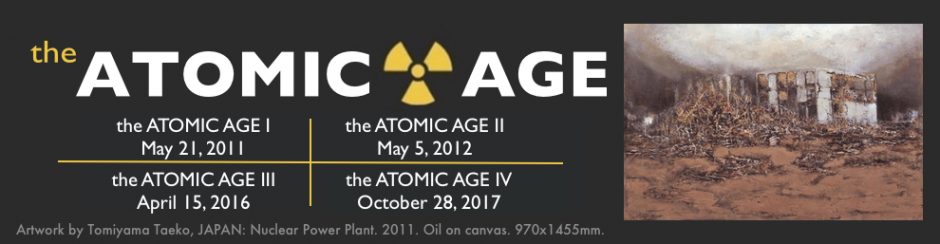
The Shinkolobwe mine – named after a kind of boiled apple that would leave a burn if squeezed – was the source for nearly all of the uranium used in the Manhattan Project, culminating with the construction of the atomic bombs dropped on Japan in 1945.

But the story of the mine didn’t end with the bombs. Its contribution to the Little Boy and Fat Man has shaped the DRC’s ruinous political history and civil wars over the decades that followed. Even today the mine’s legacy can still be seen in the health of the communities who live near it.

“It’s an ongoing tragedy,” says Williams, who has examined the role of Shinkolobwe in her book Spies in the Congo. She believes there needs to be greater recognition of how the exploitation and desire to control the mine’s contents by Western powers played a role in the country’s troubles.

[…]

Out of Africa

The story of Shinkolobwe began when a rich seam of uranium was discovered there in 1915, while the Congo was under colonial rule by Belgium. There was little demand for uranium back then: its mineral form is known as pitchblende, from a German phrase describing it as a worthless rock. Instead, the land was mined by the Belgian company Union Minière for its traces of radium, a valuable element that had been recently isolated by Marie and Pierre Curie.  

[…]

It was only when nuclear fission was discovered in 1938 that the potential of uranium became apparent. After hearing about the discovery, Albert Einstein immediately wrote to US president Franklin D Roosevelt, advising him that the element could be used to generate a colossal amount of energy – even to construct powerful bombs. In 1942, US military strategists decided to buy as much uranium as they could to pursue what became known as the Manhattan Project. And while mines existed in Colorado and Canada, nowhere in the world had as much uranium as the Congo.

“The geology of Shinkolobwe is described as a freak of nature,” says Tom Zoellner, who visited Shinkolobwe in the course of writing Uranium – War, Energy, and the Rock that Shaped the World. “In no other mine could you see a purer concentration of uranium. Nothing like it has ever been found.”

Mines in the US and Canada were considered a “good” prospect if they could yield ore with 0.03% uranium. At Shinkolobwe, ores typically yielded 65% uranium. The waste pile of rock deemed too poor quality to bother processing, known as tailings, contained 20% uranium.

In a deal with Union Minière – negotiated by the British, who owned a 30% interest in the company – the US secured 1,200 tonnes of Congolese uranium, which was stockpiled on Staten Island, US, and an additional 3,000 tonnes that was stored above ground at the mine in Shinkolobwe. But it was not enough. US Army engineers were dispatched to drain the mine, which had fallen into disuse, and bring it back into production.

[…]

This secrecy was maintained long after the end of the war. “Efforts were made to give the message that the uranium came from Canada, as a way of deflecting attention away from the Congo,” says Williams. The effort was so thorough, she says, that the belief the atomic bombs were built with Canadian uranium persists to this day. Although some of the uranium came from Bear Lake in Canada – about 907 tonnes (1,000 tons) are thought to have been supplied by the Eldorado mining company – and a mine in Colorado, the majority came from the Congo. Some of the uranium from the Congo was also refined in Canada before being shipped to the US.

[…]

A wound unhealed

Mobutu was eventually toppled in 1997, but the spectre of Shinkolobwe continues to haunt the DRC. Drawn by rich deposits of copper and cobalt, Congolese miners began digging informally at the site, working around the sealed mineshafts. By the end of the century, an estimated 15,000 miners and their families were present at Shinkolobwe, operating clandestine pits with no protection against the radioactive ore.

Accidents were commonplace: in 2004, eight miners were killed and more than a dozen injured when a passage collapsed. Fears that uranium was being smuggledfrom the site to terrorist groups or hostile states vexed Western nations, leading the Congolese army to raze the miners’ village that same year.

[…]

The ongoing secrecy around Shinkolobwe (many official US, British and Belgian records on the subject are still classified) has stymied efforts to recognise the Congolese contribution to the Allied victory, as well as hampering investigation into the environmental and health impacts of the mine.

This, says Williams, ought to be viewed as part of a long history of exploitation of the Congo by foreign powers, first by colonial occupation and then neoimperialism: “Not only did the Congo suffer so much during World War Two – forced labour was used for uranium mining, as it was for rubber and cobalt – but also the financial rewards for the uranium from the mine went to the shareholders of Union Minière, not to the Congolese.”

[…]

“Our world is moved by the minerals of the Congo,” says Mombilo. “The positive thing I can say is that in all these advanced technologies, you’re talking about the Congo.”

The Congo’s impact on the world has been immeasurable. Recognising the name Shinkolobwe alongside Hiroshima and Nagasaki should be the first step to repaying that debt.

Read more at The forgotten mine that built the atomic bomb
Posted in *English | Tagged , , | Comments Off on The forgotten mine that built the atomic bomb via BBC

川内原発1号機の再稼働から6年 反原発の市民団体が集会 鹿児島・薩摩川内市 via FNN プライムオンライン

(略)

抗議集会を開いたのは、反原発の市民団体「ストップ川内原発!3.11鹿児島実行委員会」のメンバー約50人です。

福島第一原発の事故以降、2015年に再稼働した川内原発は、1号機が2024年7月に、2号機が2025年11月に40年の運転期限を迎えます。

九州電力では、20年の運転延長に必要な特別点検を実施する考えを示していて、集会の参加者は運転延長に反対の意思を示していました。

川内原発!3.11鹿児島実行委員会 向原祥隆共同代表

「九電、国は20年延長を考えているようだがこの川内原発はまもなく寿命で、20年延長なんかとんでもないということを訴えていきたい」

全文は川内原発1号機の再稼働から6年 反原発の市民団体が集会 鹿児島・薩摩川内市

Posted in *日本語 | Tagged , | 19 Comments

Why Are We Still Building Nuclear Weapons? Follow the Money via Forbes

William Hartung

[…]

The United States maintains an active nuclear stockpile of roughly 4,000 nuclear weapons, including over 1,500 deployed warheads. Russia’s stockpile is comparable, at roughly 4,400, while China follows with roughly 300 strategic nuclear warheads. Despite its considerably smaller arsenal, recent revelations regarding China’s construction of new silos for long-range nuclear missiles are cause for real concern as they raise the risk of accelerating the nuclear arms race at great risk to the future of the planet. These developments demand dialogue to roll back the production of new nuclear weapons systems, leading to reductions in the size of global arsenals and the ultimate elimination of this existential threat. 

The continued development and deployment of intercontinental ballistic missiles (ICBMs) is of particular concern. As former Secretary of Defense William Perry has noted, ICBMs are “some of the most dangerous weapons in the world” because a president would have only a matter of minutes to decide whether to launch them upon warning of a nuclear attack, increasing the possibility of an accidental nuclear war based on a false alarm. 

Given all of the above, why is the United States still building nuclear weapons, more than seven decades after the devastation of Hiroshima and Nagasaki? The U.S. is not alone in building a new generation of nuclear weapons – Russia and China are doing so as well. But the Pentagon’s 30-year plan to build new nuclear-armed bombers, missiles, and submarines – along with new nuclear warheads to go with them at a cost of up to $2 trillion – is the height of folly and an unnecessary, grave risk to the lives of current and future generations. A major reason for this misguided policy can be summed up in a phrase – there is money to be made in perpetuating the nuclear arms race.

The FY 2022 Pentagon budget proposal includes billions of dollars for new nuclear delivery vehicles, with a handful of prime contractors as the primary beneficiaries. For example, Northrop Grumman’s NOC+0.2% twelve largest subcontractors for its new ICBM include some of the nation’s largest defense companies, including Lockheed Martin LMT0.0%, General Dynamics GD+0.2%, L3Harris, Aerojet Rocketdyne AJRD0.0%, Honeywell, Bechtel, and the Collins Aerospace division of Raytheon RTX+0.6% Technologies.  Other beneficiaries of the funding of new nuclear delivery vehicles include Raytheon (a nuclear-armed cruise missile), General Dynamics (ballistic missile submarines), Lockheed Martin (submarine-launched ballistic missiles), and Northrop Grumman – again – for the new nuclear-armed bomber.

 Additional recipients of nuclear weapons-related funding are the firms that run the nuclear warhead complex. Major contractors include Honeywell and Bechtel, which run key facilities for the development and production of nuclear warheads.

Nuclear weapons contractors spend millions of dollars on campaign contributions and lobbying efforts every year in their efforts to shape nuclear weapons policy and spending. While not all of this spending is devoted to lobbying on nuclear weapons programs, these expenditures are indicative of the political clout they can bring to bear on Congress as needed to sustain and expand the budgets for their nuclear-related programs. The major nuclear weapons contractors made a total of over $119 million in campaign contributions from 2012 to 2020, including over $31 million in 2020 alone. The companies spent $57.9 million on lobbying in 2020 and employed 380 lobbyists among them.

Read more at Why Are We Still Building Nuclear Weapons? Follow the Money

Posted in *English | Tagged , | 1 Comment

証人尋問申請も実地検証も全て「却下」-田村バイオマス訴訟第10回法廷 via ちくりん舎

昨日8月10日、田村バイオマス訴訟第10回期日が福島地裁において開かれました。田村バイオマス(田村BE)は福島県内の放射能汚染チップを燃料として使う(自主基準100Bq/kg以下)ことを公言しています。 田村バイオマス訴訟は、本田仁一前田村市長が、住民の放射能に対する不安が強いため「国内最高レベルの安全対策」と称して、「バグフィルタの後段にヘパフィルタを設置」すると議会で説明し、設置されたHEPAフィルタが、実際は役に立たないものであり、田村市が支出した11億6300万円の補助金は詐欺又は錯誤によるものであるから、田村BEに対し返還請求をせよ、との訴えを起こしたものです。 これまで、原告側が提出してきたHEPAフィルタの数々の問題点について、被告側は一切具体的なデータや図面を出しての反論をせず、HEPA設置は「安心のため設置」「集塵率など具体的な数値を出す必要はない」などとして、言い逃れに終始してきました。 本日の裁判期日では、「原告側が提出した証人尋問は全て却下、現地検証も却下、10月4日に結審するので、その2週間前までに被告側反論、原告側最終準備書面を出すように」と裁判長が述べてあっけなく終了しました。坂本弁護士が「現地検証もしないでまともな判決が書けるとは思えない」と反論しましたが、「これまでの陳述で十分です。却下します」と、あくまでも事務的に通告がありました。 現場も見ようとせず、原告側が申請した、原告2人(久住、吉川)、証人4人(筒井(プラントエンジニアの会)、青木(ちくりん舎)、本田仁一前田村市長、小檜山前田村BE社長)の尋問も一切行わないという驚くべき訴訟指揮です。 10月4日結審で、判決は恐らく年明けになりそうです。

[…]

全文

Posted in *日本語 | Tagged , , | 18 Comments

Complicit: The countries, companies and think tanks that support the deadly nuclear arms trade via Beyond Nuclear International (ICAN)

A new report from ICAN — Complicit: 2020 Global Nuclear Weapons spending — names names and produces some horrifying spending numbers, made all the more immoral by the desperate needs around the world due to the COVID-19 pandemic, along with the ever worsening conditions brought on by the climate crisis.

As the report notes, “In 2020, during the worst global pandemic in a century, nine nuclear-armed states spent $72.6 billion on their nuclear weapons, more than $137,000 per minute, an inflation adjusted increase of $1.4 billion from last year.”

It goes on to ask the obvious question: Why? The answer lies in the profits to be made by the world’s nuclear weapons companies, not to mention the funding flowing to a few think tanks, some of which have missions that should make taking this money unacceptable. “Not only does this report reveal the massive spending on nuclear weapons during the worst global pandemic in a century, it also shines a light on the shadowy connection between the private companies building nuclear weapons, lobbyists and think tanks,” wrote ICAN’s Susi Snyder in an email to launch the report.

She also narrates this short video below that explains the findings.

[…]

The executive summary of the report then calls out the names of the countries, companies and think tanks complicit in effectively planning the world’s destruction.

[…]

Think tank reported income from nuclear weapon producers

Atlantic Council: $835,000 – $1,724,998

Brookings Institution: $275,000 – $549,998

Carnegie Endowment for International Peace: $50,000 – 199,998

Center for New American Security: $1,085,000 – $1,874,991

Center for Strategic and International Studies: $1,530,000 – $2,794,997

Fondation pour la recherche stratégique (FRS): amount not specified

French Institute of International Relations: amount not specified

Hudson Institute: $170,000 – $350,000

International Institute of Strategic Studies: $800,640 – $1,146,744

Observer Research Foundation: $71,539

Royal United Services Institute: $610,210 – $1,445,581

Stimson Center: $50,500

Total $5 – 10 million

Download the full report.

Read more.

Posted in *English | Tagged , , , | 25 Comments