岩松了さんが福島モチーフに新作戯曲 「日常生活から問題探したい」via 毎日新聞

 岩松了さん(65)が東京電力福島第1原発事故による被災地・福島をモチーフに書き下ろした新作戯曲「薄い桃色のかたまり」が、高齢者演劇集団「さいたまゴールド・シアター」により、岩松さん自身の演出で上演される。軸となるのは、海沿いの線路の復旧工事。加害者の視点から被災地と向き合った前作「少女ミウ」に続き、震災から6年半を経た社会に問いかける。

(略)

岩松さんは07年「船上のピクニック」、11年「ルート99」で、蜷川演出とタッグを組んだ。

 「ルート99」は、軍事基地の問題に揺れる架空の島の物語だったように、「ゴールドでの蜷川さんとの仕事はずっと社会的な問題を題材にしてきました」。福島をテーマにすることは、蜷川さんが亡くなる1年ほど前に話をしていたという。

 昨年夏と今年の桜の季節の2度、現地を取材した。「夜の森地区(福島県富岡町)は避難指示が解除(帰還困難地域を除く)になって初めての花見の季節でした。ニュースにもなっていたので、いっぱい人がいるのかと思ったらあんまり人がいなくて、それが衝撃的でした。避難指示が解除されても、もしかするとそのまま帰らないかもしれないという感じが強い。考慮すべき問題が多いと思ったのが春に行った時に感じた一番大きなことでした」

 「薄い桃色」のための取材ではあったが、「印象が強くて」2回目の取材直後に書いた「少女ミウ」でも被災地をテーマに据えた。「お互いが呼応している。一つの方向に走る意味でもいいなあと思いました」

(略)

民家や復旧工事現場に出没するイノシシが放射能に重なり、被災のショックで色彩を奪われた恋人といった象徴的なイメージも用いながら、独特のタッチでつづる。

 「演劇で何を表現しようとしているかってことと、社会的な問題を制裁しようとしていることの違いがある気がする。演劇で原発反対と言ってもしょうがないってこともまずある」とスタンスを明快に示す。その上で「日常生活、現実の中から問題を探していきたいという思いがすごく強い。どこか自分に返ってくる問題として扱わないといけないと思っています」。

 公演は21日~10月1日、さいたま芸術劇場インサイド・シアター。同時に、高齢社会における芸術文化の可能性を考える「世界ゴールド祭」のキックオフイベントとして21~24日、シンポジウムなどがある。問い合わせは0570・064・939。「薄い桃色のかたまり」と「少女ミウ」の2本を収録した単行本(四六判)が白水社から9月26日発刊。【濱田元子】

全文は岩松了さんが福島モチーフに新作戯曲 「日常生活から問題探したい」

Posted in *日本語 | Tagged , | 2 Comments

柏崎刈羽原発 不可解な規制委の容認 via 北海道新聞

原子力規制委員会は、東京電力柏崎刈羽原発6、7号機(新潟県)の再稼働に向けた審査で、東電が原発を運転する適格性を条件付きで容認する方針を示した。

 審査は技術的な議論を終え、適格性が焦点となっていた。規制委は近く、審査の「合格」を認める構えだ。

 しかし、今回の容認には、納得できない。

 福島第1原発事故という未曽有の惨事を起こし、廃炉作業が難航する東電に、別の原発を動かす資格があるだろうか。国民が持つ当然の疑念である。

 だからこそ、規制委は規制基準への適合をみる技術的審査にとどまらず、原発事業者としての適格性という例外的な領域に踏み込んだのではなかったのか。

 柏崎刈羽原発の審査でも安全面で誤った説明をするなど、東電の適格性には疑問符が付く。

 田中俊一委員長の退任を目前に、慌ただしく進められたのも不可解だ。「合格ありき」とも映る姿勢は到底理解を得られまい。

 そもそも、東電批判の急先鋒(せんぽう)だったのは田中委員長である。

 ところが、先月、東電が規制委に文書を提出したのを機に、唐突に容認に傾いたようだ。

[…]


全文

◇ 柏崎刈羽原発 審査は人民裁判の様相

via 産経ニュース

Posted in *English | Tagged , , , , | 2 Comments

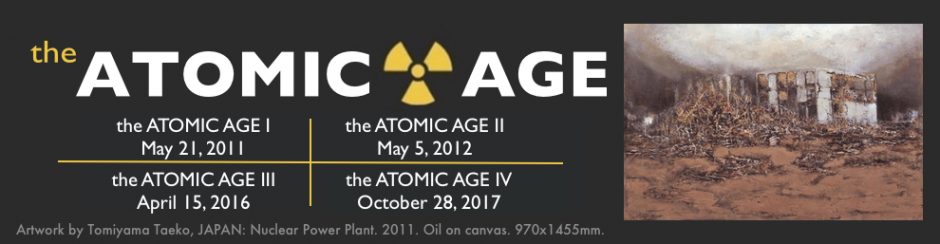
Zion skyline in for a change with planned razing of nuclear towers via Chicago Tribune

By Mary McIntyre

The green-capped concrete towers of Zion’s barren lakefront will be gone soon, but the nuclear waste that has crippled the city economically will remain.

Zion Solutions, which is part of Utah-based EnergySolutions, will finish deconstructing and demolishing the former Zion nuclear power plant and its 20-story containment silos in 2018, according to EnergySolutions Vice-President Mark Walker, but 61 casks full of spent nuclear rods will remain on-site indefinitely.

The silos — which were the tallest structures in Lake County when they opened in the early 1970s and are second in overall structural height to the 330-foot Sky Trek Tower at Six Flags Great America — are scheduled to come down during the first quarter of next year.

“The project will be physically completed with (deactivation and decommissioning) in 2018,” Walker said. However, although the federal government designated decades ago that the waste would go to Yucca Mountain in Nevada for permanent storage, the facility has not yet opened, and Zion is stuck with the waste until a solution can be found.

The location of the casks worries David Kraft, director of the Chicago-based Nuclear Energy Information Service, a nonprofit that opposes nuclear power.

“We’re very concerned with the fact that these casks are visible, and they’re vulnerable,” Kraft said.

Kraft said storing the casks near Lake Michigan is not appropriate in a post-9/11 world.

“They’re lined up like bowling pins,” he said.

City officials are also unhappy with the storage of the casks, attributing Zion’s economic troubles to the closed facility.

「。。。」

While the power plant operated, ratepayers paid into a trust fund set up for the plant’s decommissioning. The $820 million fund was turned over to EnergySolutions when it took over the work in Zion following the plant’s 1998 deactivation. At the end of the project, any remaining funds are designed to be turned back over to Exelon.

Kraft said he is dissatisfied with the reports provided by ZionSolutions on its use of the trust fund. He said there has been a “glaring lack of transparency” in this regard.

“We’re not alleging that they’ve misappropriated the funds,” Kraft said. However, he added that the audits provided to the community were only four pages long, and the company showed an “explicit refusal” to provide financial information.

“The process we have witnessed over the last seven years has been less than stellar,” Kraft said.

Kraft added the problem is bigger than just Zion, saying the Nuclear Regulatory Commission has not enforced sufficient accounting standards on decommissioning projects.

「。。。」

Read more.
Posted in *English | Tagged , , , , | 2 Comments

福島・双葉町の復興拠点 整備計画を国が初認定 via 日本経済新聞

 吉野正芳復興相は15日、東京電力福島第1原子力発電所で立ち入りが制限されている福島県双葉町の帰還困難区域に住民が再び住めるようにするため、町が申請していた「特定復興再生拠点区域」(復興拠点)の整備計画を認定した。

(略)

計画期間は2022年8月まで。町の面積の1割程度に当たる約555ヘクタールを範囲とし、政府が目標とする19年度内のJR常磐線全線開通に合わせ、まず双葉駅周辺の除染を優先的に進める。

住宅団地や商店街も再建し、22年春ごろまでに復興拠点全体の避難指示解除を目指す。解除から5年後の拠点内の人口を2千人にする目標だ。

除染の進め方などを協議するため町と県、国による推進会議をつくり、10月にも初会合を開く方針。〔共同〕

全文は福島・双葉町の復興拠点 整備計画を国が初認定

Posted in *日本語 | Tagged , , , | 2 Comments

New Discovery Makes It Easier to Remove Radioactive Elements From Nuclear Waste via Futurism

IN BRIEF

Researchers have developed a new chemical principle to improve the engineering of molecules designed to remove specific elements from solutions. This principle could be used for such applications as removing radioactive materials from nuclear waste or chemical pollutants from soil.

Researchers from Indiana University (IU) have developed a new chemical principlethat could have a major impact on the way we store nuclear waste by improving our ability to predict how engineered molecules will behave once they’re put into practice. The details of this study were published today in CHEM.

Chemists are already able to engineer molecules designed for the purpose of extracting other types of molecules, such as radioactive elements and chemical pollutants, from solutions. These “receptor molecules” consist of atoms arranged in a specific shape that leaves room for the target to attach itself and break away from its host.

[…]

SAFE STORAGE

As primary researcher Yun Liu noted in a press release, “The current paradigm only works for molecular designs on the drawing board, in theory, but we want to make molecules that will work in practice to help solve problems in the real world.”

Truly, receptor molecules have almost innumerable real-world applications. They can be used to remove chloride from salt water as part of the desalination process, chemical pollutants from soil, or lithium ions from water for use in renewable energy systems.

Perhaps most significantly, they can be engineered to remove radioactive elements from nuclear waste.

Read more at New Discovery Makes It Easier to Remove Radioactive Elements From Nuclear Waste

Posted in *English | Tagged , , , , | 2 Comments

福島第1原発事故 デザイナーはコシノヒロコさん 来春再開する飯舘小中制服、紺基調ブレザー /福島 via 毎日新聞

無料で配布

 福島第1原発事故の避難指示が大半で解除された飯舘村の教育委員会は14日、来春から村内で再開する小中学校の新しい制服の試作品を発表した。ファッションデザイナー、コシノヒロコさんにデザインを依頼し、村の学校に通う子どもたちに無料配布する。村は教育環境充実で多くの子どもに村内の学校に通ってもらい、住民の帰還促進につなげたい考えだ。【宮崎稔樹】

コシノさんは復興支援の一環として、飯舘中の各部活にユニホームを寄贈。制服のデザインも、無料で引き受けてくれたという。

(略)

教育充実で帰還促進

 飯舘村は3月末に原発事故の避難指示が村域の大半で解除されたものの、子育て世代を中心に避難を続けるケースが多く、村民帰還率は1割に満たない。

 村教委が保護者を対象に実施したアンケートでは、来春以降も村の学校に子どもを通わせる可能性があるのは対象者の1割強に当たる90人にとどまる。このため村は「いいたてならではの豊かな教育」を掲げて、多様な子育て支援策を実施し、通学希望者を増やす考えだ。

(略)

飯舘中では、今年度から村の全額負担で学習塾の講師を招いた「放課後塾」をスタート。塾などが多い都市部に劣らない学力をつけてもらう。また飯舘中の校舎を改修し、村の中学校1校、小学校3校、認定こども園を同じ敷地内に置き、幼小中連携型の教育を図る。避難先からのスクールバスも運行する。

 村の担当者は「子どもがいなくなるのは自治体の危機。一人でも多く村の学校に通いたいと思ってもらえるよう、最大限フォローしたい」と話している。

全文は福島第1原発事故 デザイナーはコシノヒロコさん 来春再開する飯舘小中制服、紺基調ブレザー /福島

Posted in *日本語 | Tagged , , | 2 Comments

In the shadow of Fat Man and Little Boy: how the stigma of nuclear war was unravelled via The Guardian

Atomic bombs ‘Fat Man’ and ‘Little Boy’ exploded over Nagasaki and Hiroshima 72 years ago creating a lasting nuclear taboo – until now. What has changed?

Until recently, a significant taboo has existed around the use of nuclear weaponsin war. However, we are now in a position where that taboo is being flagrantly disregarded by the leaders of the most powerful nation in the world, and a totalitarian dictatorship


Taboos offer a way for us to create overarching rules of societal acceptability that transcend our social and cultural norms. Taboos prohibit behaviours that are not appropriate within and beyond the moral or ethical framework of an individual community – scenarios that are so dangerous or perverse that they are almost unspeakable. Traditionally, those who engage in taboo activities, such as incest, are stigmatised and ostracised by their society, as their breach or defiance of taboo could have significant and unacceptable repercussions. We had a taboo surrounding deploying nuclear weapons – out of respect for the devastation they can wreak – but it seems more and more fragile.

Fat Man and Little Boy exploded in the skies over Nagasaki and Hiroshima 72 years ago. The immediate consequences of the bombingswere dramatic and survivors of this attack are still physically, culturallyand psychologically affected by their experiences to this day. This is the source of the nuclear taboo.

It evolved during the cold war, as our international arsenal transitioned from atomic bombs to larger and more devastating thermonuclear weapons. These were tested in seemingly endless competitive escalation by the first five nuclear states, Russia, France, the USA, China and the UK.

[…]

Thanks to President Donald Trump and Supreme Leader Kim Jong-Un, our generation’s own volatile Fat Man and Little Boy, the sensible norms of restraint and careful diplomacy that have previously surrounded nuclear deterrence proliferation and use are now under stress. President Donald Trump seems indifferent to social norms, and behaves without rationality. He made several public statements, via Twitter and traditional media, that glamorise the use and increased production of nuclear weapons. All while his administration slashes budgets and slashes programs designed to protect communities from the well-documented risks that come from producing nuclear weapons. Trump has ostracized himself from international leadership nearly every turn, including NATO and G-20 summits, isolating himself from democratic world leaders, and aligning himself more with leaders of totalitarian and authoritarian regimes. He has divided America, twisting the knife into historical wounds of racism and civil rights abuses, as well as upending environmental protection, denying climate change and proposing a tax regime that will create persistent poverty – to name a few examples.

[…]

Trump needs to cut the sass, to scale back his inflammatory and impulsive rants, and to start engaging in the nuclear debate with much greater sensitivity. We want the most peaceful resolution that is now possible, to prevent further escalation of conflict. We do not want stumble into nuclear war, a risk that exists beyond bellicose displays of power. The current hot-threat engagement is not just a security issue, but a massive humanitarian one too. Kim starves his own people in the pursuit of nuclear defence technology. Trump and Kim’s verbally violent exchange is as serious as North Korea’s possession of nuclear weapons. It could have devastating future implications if the stigma of nuclear weapons is not restored. The people of the supposed democracy of the USA and the totalitarian state of North Korea both seem powerless to change the behaviour of their leaders.

However, international attitudes are more progressive. The stigma of nuclear deterrence has not been lost on the majority of nations, 122 of whom endorsed a nuclear weapon ban treaty that seeks to prohibit the development, production, possession, testing, use and threat of use of nuclear weapons. The BAN treaty is likely to enter into force on 20 September 2017, when it opens for signatures at the United Nations in New York. Although no nuclear possessor nation supports this treaty, they understand that the BAN will re-stigmatize nuclear weapons and re-invigorate public debate and action for nuclear abolition.

Our taboos are a greater reflection of our global society and ethics.. What does it say about us at this point in history, if we let the taboo of the unspeakable horror of nuclear warfare disappear? We cannot uninvent the bomb, so we need to rethink and redesign the rules of de-escalation and disarmament, if we are to avoid the fallout of nuclear conflict.

Read more at In the shadow of Fat Man and Little Boy: how the stigma of nuclear war was unravelled

Posted in *English | Tagged , , , , , | 2 Comments

Legislators review once-secret report on nuclear project via The Sacramento Bee

Executives of the two utilities that abandoned a nuclear power project in South Carolina are testifying before a legislative panel investigating the debacle.

[…]
 
State-owned Santee Cooper and South Carolina Electric & Gas hired Bechtel Corp. in 2015 to assess the status of construction on two new reactors at V.C. Summer Nuclear Station. The analysis found serious problems plaguing the project long before the utilities bailed July 31 after jointly spending nearly $10 billion.

Even before seeing the report, legislators questioned why the utilities didn’t change course sooner. Customers have spent more than $2 billion on the project’s financing through a series of rate hikes since 2009.

Posted in *English | Tagged , , | 2 Comments

福島第1原発除染土の盛り土公開 再利用に向け実験 via 京都新聞

環境省は15日、東京電力福島第1原発事故の除染で生じた土の再利用に向けて実証実験を進めている福島県南相馬市で、除染土を使った盛り土を公開した。同省は放射性セシウム濃度が1キログラム当たり8千ベクレル以下の除染土を、各地の道路や防潮堤などの公共工事で再利用する方針を示している。

除染土の仮置き場に完成した盛り土は高さ約2・5メートル、幅約20メートル、長さ約54・5メートル。盛り土全体の約4千トンのうち、約700トンが放射性セシウム濃度3千ベクレル以下の除染土で、放射線を遮るために表面を土で覆っている。

続きは福島第1原発除染土の盛り土公開 再利用に向け実験

Posted in *日本語 | Tagged , , , | 2 Comments

対日理解促進交流プログラム JENESYS 「未来につなぐ環境プロジェクト-福島の再生可能エネルギー事業に学ぼう-」via 外務省

1 9月19日から28日まで,対日理解促進交流プログラムJENESYSの一環として,韓国の大学生等25名が「未来につなぐ環境プロジェクト-福島の再生可能エネルギー事業に学ぼう-」をテーマに訪日します。

2 一行は,日本滞在中,福島県を中心とした革新的エネルギーの開発や環境問題に取り組む関連施設の訪問や関係者との意見交換を通じて,東日本大震災を克服して復興を遂げる最先端の福島の姿を学びます。

(略)

未来につなぐ環境プロジェクト-福島の再生可能エネルギー事業に学ぼう-(日程案)(PDF)別ウィンドウで開く

全文は対日理解促進交流プログラム JENESYS 「未来につなぐ環境プロジェクト-福島の再生可能エネルギー事業に学ぼう-」

Posted in *日本語 | Tagged , , | 3 Comments