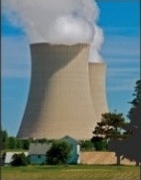
米東部の原発 採算性悪化などで廃炉へ via NHK News Web

アメリカ東部にある原発について、運営する電力会社は、シェールガスの普及で電力価格が下がり採算性が悪化したなどとして、4年後までに運転を停止して廃炉にすると発表しました。
廃炉が決まったのはアメリカ東部マサチューセッツ州にあるピルグリム原発で、運営する電力会社、エンタジー社は、遅くとも2019年6月までに運転を停止して廃炉に向けた作業を始めるとしています。
その理由について、エンタジー社は、シェールガスの生産量が増えたことによる電力価格の低下や、安全対策にかかる費用が増えたことで運転コストが上昇し、採算性が悪化したためだと説明しています。
ピルグリム原発は、東京電力福島第一原子力発電所の1号機などと同じ型の原発で、1972年から営業運転を続けていますが、ことし1月、外部電源が失われて原子炉が自動停止するなどトラブルが相次いでいました。
(略)
エンタジー社は去年12月、アメリカ東部にある別の原発の運転も停止していて、アメリカでは、この数年で採算性の悪化を理由に5つの原発の廃炉が決まっています。
当サイト既出関連記事:
Posted in *日本語 | Tagged , , , | Comments Off on 米東部の原発 採算性悪化などで廃炉へ via NHK News Web

第20回釜山国際映画祭、キム・ギドク監督が日本舞台に「原発社会」批判の新作 via Record China

2015年10月14日、韓国釜山市で開催された第20回釜山国際映画祭(10月1~10日)でこのほど、キム・ギドク監督の新作「STOP(原題)」がワールドプレミア(世界初)上映された。東日本大震災と福島第一原発の事故をモチーフにした作品。全編日本でロケ撮影され、キャストも全員日本人。キム監督のほか、中江翼、武田裕光、合アレンが同映画祭に参加した。

映画は原発がある地方都市が大地震に見舞われるシーンから始まる。この町に住む若い夫婦は、避難命令を受けて東京に避難するが、妊娠中の妻は胎児に影響が出るのではないかと気が気ではない。そんな妻を安心させるため、自宅周辺に戻って以前と変わらない風景を写真に収めようとする夫は、そこで衝撃的な光景を目撃する。やがて、胎児を守る気持ちを固めはじめた妻とは対照的に、夫は不安にさいなまれ、極端な破壊行動に出ようとする。夫と妻、そして子どもには、どんな未来が待っているのか――。

[…]
これまでも過激な表現方式で社会を批判してきたキム監督。今回の批判の対象は従来の作品にみられないほど具体的だ。タイトルからみても明白なように、映画のメッセージはきわめて直接的である。

韓国もエネルギーを多くの原発に頼っている国だ。「なぜチェルノブイリやフクシマに学ばないのか」という問いかけは、監督の強い危機感そのものだろう。(編集/遠海安)

もっと読む。

Posted in *日本語 | Tagged , , | Comments Off on 第20回釜山国際映画祭、キム・ギドク監督が日本舞台に「原発社会」批判の新作 via Record China

東日本大震災:福島第1原発事故 指定廃棄物処分場候補地 加美町の詳細調査、7回目見送り 環境省 /宮城 via 毎日新聞

環境省は13日も加美町の指定廃棄物処分場候補地への詳細調査入りを目指したが、住民らの反対でまたも見合わせた。今年に入って7回目の調査見送りとなり、先行きの見通しが立たない状況が続く。

 この日は同じく候補地の栗原市や、隣の大崎市などからの抗議活動参加者も目立った。栗原市で処分場反対運動を進める「放射能から子どもたちを守る栗原ネットワーク」の鈴木健三代表は「日弁連の人権擁護大会で環境省の強引なやり方を全国に訴えてきた。一緒にがんばりたい」とあいさつした。

[…]

もっと読む。

Posted in *日本語 | Tagged , , , , , | Comments Off on 東日本大震災:福島第1原発事故 指定廃棄物処分場候補地 加美町の詳細調査、7回目見送り 環境省 /宮城 via 毎日新聞

放射能不安の声相次ぐ=長期宿泊で住民説明会-福島県川内村 via 時事ドットコム

政府は14日夜、東京電力福島第1原発事故の避難指示区域がある福島県川内村で、住民説明会を開き、避難指示が続く2地区で解除に向けた長期宿泊を11月1日から3カ月間実施する方針を説明した。出席した住民からは「子どもが安心して帰れる状況になっていない」などと放射能への不安を訴える声が相次いだ。政府は、近く長期宿泊の実施を正式決定する見通し。
[…]
住民からは、放射能に対する不安のほか、住宅修繕も終わっていないとの声が上がった。除染で出た汚染土を一時保管する仮置き場解消のめどが立たないことを不安視する意見もあった。
 川内村では昨年10月、東部に出ていた避難指示の大部分が解除されたが、放射線量が比較的高かった2地区の19世帯54人に避難指示が続いている。(2015/10/14-21:16)

もっと読む。

Posted in *日本語 | Tagged , , , , | Comments Off on 放射能不安の声相次ぐ=長期宿泊で住民説明会-福島県川内村 via 時事ドットコム

Fukushima: Japanese government and IAEA ignore radiation risks to coastal population via The Ecologist

Radiation can be carried long distances by marine currents, concentrated in sediments, and carried in sea spray 16km or more inland, writes Tim Deere-Jones. So Fukushima poses a hazard to coastal populations and any who eat produce from their farms. So what are the Japanese Government and IAEA doing? Ignoring the problem, and failing to gather data.
[…]
The strategy it has adopted, with the support of the IAEA, consistently ignores the latest evidence about the way marine radioactivity behaves in inshore marine environments and the potential radiological risks to coastal populations.

This strategy is based on a flawed hypothesis, developed by the nuclear industry through the late 1940s and early 1950s, when both oceanography and the study of the behaviour and fate of radioactivity in marine environments were in their absolute infancy.

As a result, the principal conclusions on the marine impact of the Fukushima event put forward in recent reports from the IAEA, the Government of Japan and it’s relevant agencies, minimise the environmental and public health negatives and emphasise a range of hypothetical ‘positives’.

This is a major flaw because the empirical evidence from ‘non-aligned’ research in the UK is that coastal communities are subjected to highly enriched doses of marine radioactivity through pathways of exposure, and from environmental parameters, which will not be analysed and researched under current Fukushima monitoring plans.[…]
Review also confirms a major focus on short lived Caesium isotopes, with a secondary focus on a limited number of other beta emitters, also with short half lives. By contrast, there is an almost total absence of any work on the long lived alpha emitters, which have been only sparsely studied in the relatively small sea area immediately adjacent to the Fukushima outfalls.

In the context of the high risks to be incurred from internal doses of such alpha emitters, and their well-attested transportability in marine environments, this is an astonishing omission.

The nuclear industry hypothesis proposed that fully soluble radioactivity, such as Caesium, mixes very well in the marine water body and thus is dispersed and diluted to infinity or background. On page 39: of Technical Volume 4/5. of the IAEAs 2015 ‘Fukushima Daiichi Accident Report’, the IAEA repeat this assertion.

Radiation is concentrated in marine sediments

However, empirical evidence from UK research (all cited in my testimony to the House of Commons) powerfully refutes this claim and demonstrates that soluble radioactivity is transported over hundreds of kilometres in sea water and then re-concentrated (relative to ambient sea water) in both pore-water and fine sediments deposited out of the water column and into coastal mud flats and salt marsh.

There is a wealth of empirical field data to show that, wherever investigated, sea borne Caesium transfers across the UK surf line by a variety of mechanisms including coastal flooding, and also marine aerosols and sea sprays, where Caesium may undergo enrichment relative to seawater.

The nuclear hypothesis proposed that insoluble radioactivity, like alpha emitting Plutonium and Americium (which partition out of the water column by ad-sorbing to the outer surface of suspended sedimentary particles), becomes attached to suspended particles in the marine water column, deposits out on the sea bed near the end of discharge pipelines and there remains immobilised and sequestered from human beings.

UK empirical evidence also refutes this claim and demonstrates that such ‘insoluble radioactivity’ is also highly mobile, can travel 100s of kms in marine water columns, deposit out in inshore mud flats and salt marshes where it can become enriched by a factor of ten.

In marine aerosols and sea spray it may be enriched by up to factor of 400 (relative to ambient seawater) and, wherever investigated, transfers across the surf line and into the coastal, terrestrial zone.

On the basis of their flawed original hypothesis it has become an article of faith for the nuclear industry and the IAEA to insist that dietary doses of marine radioactivity are only received by sea food consumers (seaweed, shell fish, crustaceans and fin fish). Thus the Japanese Government / IAEA plan sets out a strategy for the monitoring of such sea foods, but not to monitor other forms of dietary consumption of marine radioactivity.

Transported hundreds of kilometres, reaches at least 16km inland
UK empirical evidence refutes this claim: and has demonstrated that dietary doses of marine radioactivity are also received from coastal, terrestrial foodstuffs (animal, arable and horticultural products and wild foods) grown and harvested in coastal areas (16km or more inland) which are subjected to sea to land transfer mechanisms from sediment rich, inshore waters contaminated by liquid nuclear waste discharges, and facing prevailing onshore winds.

UK research shows that such mechanisms can occur at least 200km (by sea) distant from the point source of radioactivity, and that populations living in such areas are exposed to terrestrial food stuffs which can deliver a higher marine radioactivity (dietary) dose than do locally harvested sea foods.

Analysis of this research has shown that coastal populations ‘distant’ from a discharge point of ‘liquid’ radioactive wastes, may receive higher doses of marine radioactivity through their local terrestrial diet, than populations living adjacent to liquid radioactive waste point sources receive through their local sea foods.

[…]
UK research clearly shows that coastal zone populations are exposed to doses of marine radioactivity under the following set of environmental parameters:

resident in coastal zones up to at least 200kms downstream of a source of liquid radioactive discharges to sea
resident in coastal zones adjacent to coastal waters with high suspended sediment loadings
resident in coastal zones adjacent to extensive fine sediment inter tidal/sub tidal sediment deposits (salt marsh, mud flats etc)
resident in coastal zones subject to prevailing onshore winds and storm or tidal conditions generating marine aerosols, sea spray and coastal inundation
resident in coastal zones where such parameters (A to D above) have, elsewhere, been shown to enable/facilitate the penetration of marine radioactivity for across the shoreline and up to 10 miles inland from the coast.
[…]


Read more.

Posted in *English | Tagged , , , , | 2 Comments

Fukushima Radiation in Pacific Reaches West Coast via Counterpunch

By John LaForge

“[W]e should be carefully monitoring the oceans after what is certainly the largest accidental release of radioactive contaminants to the oceans in history,” marine chemist Ken Buesseler said last spring.

Instead, the U.S. Environmental Protection Agency halted its emergency radiation monitoring of Fukushima’s radioactive plume in May 2011, three months after the disaster began. Japan isn’t even monitoring seawater near Fukushima, according to a Sept. 28 story in “The Ecologist.”

The amount of cesium in seawater that Buesseler’s researchers found off Vancouver Island is nearly six times the concentration recorded since cesium was first introduced into the oceans by nuclear bomb tests (halted in 1963). This stunning increase in Pacific cesium shows an ongoing increase. The International Business Times (IBT) reported last Nov. 12 that Dr. Buesseler found the amount of cesium-134 in the same waters was then about twice the concentration left in long-standing bomb test remains.

Dr. Buesseler, at the Woods Hole Oceanographic Institution, announced his assessment after his team found that cesium drift from Fukushima’s three reactor meltdowns had reached North America. Attempting to reassure the public, Buesseler said, “[E]ven if they were twice as high and I was to swim there every day for an entire year, the dose I would be exposed to is a thousand times less than a single dental X-ray.”

This comparison conflates the important difference between external radiation exposure (from X-rays or swimming in radioactively contaminated seawater), and internal contamination from ingesting radioactive isotopes, say with seafood.

Dr. Chris Busby of the Low Level Radiation Campaign in the UK explains the distinction this way: Think of the difference between merely sitting before a warm wood fire on one hand, and popping a burning hot coal into your mouth on the other. Internal contamination can be 1,000 times more likely to cause cancer than the same exposure if it were external, especially for women and children. And, because cesium-137 stays in the ecosphere for 300 years, long-term bio-accumulation and bio-concentration of cesium isotopes in the food chain – in this case the ocean food chain – is the perpetually worsening consequence of what has spilled and is still pouring from Fukushima.

The nuclear weapons production complex is the only other industry that has a record of deliberate whole-Earth poisoning. Hundreds of tons of radioactive fallout were aerosolized and spread to the world’s watery commons and landmasses by nuclear bomb testing. The same people then brought us commercial nuclear power reactors. Dirty war spawns dirty business, where lying comes easy. Just as the weapons makers lied about bomb test fallout dangers, nuclear power proponents claimed the cesium spewed from Fukushima would be diluted to infinity after the plume dispersed across 4,000 miles of Pacific Ocean.

Today, globalized radioactive contamination of the commons by private corporations has become the financial, political and health care cost of operating nuclear power reactors. The Nov. 2014 IBT article noted that “The planet’s oceans already contain vast amounts of radiation, as the world’s 435 nuclear power plants routinely pump radioactive water into Earth’s oceans, albeit less dangerous isotopes than cesium.”
[…]

Read more.

See also Fukushima police sends nuclear contamination case against Tepco execs to prosecutors

Posted in *English | Tagged , , , , , | Comments Off on Fukushima Radiation in Pacific Reaches West Coast via Counterpunch

泉鏡花文学賞:長野まゆみさんと篠原勝之さんに via 毎日新聞

第43回泉鏡花文学賞(金沢市主催)の選考が14日、東京都内で開かれ、長野まゆみさんの短編小説集「冥途(めいど)あり」(講談社)と、篠原勝之さんの短編集「骨風(こっぷう)」(文芸春秋)が選ばれた。賞金は各100万円。授賞式は11月21日に金沢市民芸術村で開かれる。

「冥途あり」は語り手の東京下町育ちの父が疎開先の広島で被爆していた事実を明かす私小説的作品。「骨風」はユニークな鉄の芸術家として知られる著者の少年時代から現在までの家族や知人らとのさまざまな関わりを描いた。

全文は 泉鏡花文学賞:長野まゆみさんと篠原勝之さんに

参考 今週の本棚:持田叙子・評 『冥途あり』=長野まゆみ著 via 毎日新聞

Posted in *日本語 | Tagged , , | Comments Off on 泉鏡花文学賞:長野まゆみさんと篠原勝之さんに via 毎日新聞

The insane plan to expand the world’s biggest nuclear plant via Greenpeace

Dal Jang

Over 3 million people live within 30 km of what is set to become the largest nuclear power plant in South Korea and the world. So why is the government expanding nuclear and locking out safe, clean renewables?
[…]
4. More reactors = more risk. One of the critical lessons from the disastrous Fukushima disaster is that multiple reactors means increased risk.
5. Since beginning operation in 1978, the plant has continuously encountered problems including malfunctions, lack of safety regulations and poor maintenance. In February 2012 a complete station blackout was deliberately concealed by the high level decision makers at the Kori plant, only to be reported to the Nuclear Safety and Security Commission (NSCC), South Korea’s regulatory body, a month later.
We aim to expose the intolerable risk of adding two more reactors to the world’s largest nuclear power plant and the threat it poses to the general public and the citizens of Busan. The future is renewables. We’ve already helped convince one big company in South Korea to switch to 100% renewable energy – so what is the South Korean government waiting for? Out with the old, and in with the new!

Read more.

Posted in *English | Tagged , , , , | Comments Off on The insane plan to expand the world’s biggest nuclear plant via Greenpeace

『放射線被ばくの理科・社会』を批判する-著者らの考え方と人格権-via 福島原発事故後の日本を生きる

琉球大学名誉教授 矢ヶ崎克馬

第1章 誰が人格権を守るのか?
(1)はじめに

この論考は人権…特に人格権に視点を当て、放射線被ばく防護の考え方に限定して議論する。

なぜ人格権に基づく議論が必要か?

福島第一原子力発電事故は、国家的戦略上で原子力発電がもたらした公害である。それに今我々は直面している。原子力発電は必然的に漏れ出す放射線によりシステム的に(必然的に)発がん等の健康被害、犠牲者を生み出す。それをどう評価すべきかで国家戦略・核戦略上の都合や発電産業としての企業的功利主義が渦巻く。

特に原子力産業は世界的な支配力を誇る国際放射線防護委員会(ICRP)のALARA原則などにより手厚い「思想的保護」を受ける特殊産業である。必然的に放射線被害の受忍を強要する功利主義と、その中で生命を守り生活を維持するという人格権の根幹部分がどう守られるかのせめぎあいが展開する。

現状では、日本政府の姿勢を見る限り、民主社会における主権者が主権者としての声を上げない限り人格権は守れない。一見科学上の問題に見える健康被害の問題でも、今福島で、日本で起こっていることを経験的に見ると人道的視点無くしては正しい評価はできない。

その意味で、単なる「科学上の認識が問われる」だけでなく人権擁護の立場で論ずるかどうかが決定的に真の社会的意味を生じるところとなる。科学的に「都合のよい側面だけを取り上げる」ことにより、「科学」が人権そのものを破壊することと密接にかかわる。科学は誠実で正直でなければならない。

この分野で圧倒的な支配体制を持つ国際放射線防護委員会(ICRP)の考え方を『放射線被ばくの理科・社会』の著者たち、主として野口邦和氏がどう考えているかを確認しながら論考する。核兵器禁止運動に指導的な役割を果たすような著者たちが、民主主義の基本理念である人権を尊重し「個の尊厳」を大切にする立場で議論しているかどうかが、本論の課題である。

野口氏は第1章「福島は人が住めないのか」の項でICRPの「計画被曝状況」、「緊急被曝状況」、「現存被爆状況」等の概念を紹介し、ALARAの原則なども紹介する。それらは「美味しんぼ」の「危ないところから逃げる勇気を持ってほしい」を非難する等に用いられていることからICRP的世界観は野口氏の信念とするところと解釈される。

[…]【1】行為の正当化についてであるが、人が放射線に被曝する行為は、それにより、個人あるいは社会全体に利益がもたらされる場合でないと行うことはできないとするものである。行為の正当化を判断するには、被曝させる行為が健康被害(死亡も含む)などの害に比べて利益(公益)が大きいか、また経済的に適性であるかなどについて検討される、とする。

この原則の真実の意味は、害…すなわち発がんによる死亡などがシステム的に生じることを認知し、その上に立って、「害に比べて公益が大きい」あるいは「経済的に適正である」と一発電産業の営業行為による経済的利益とその行為による構造的健康被害・結果…殺人等の価値判断を対等物として天秤にかけて論じるという功利主義そのものである。功利主義思想の民主主義思想に対する大胆な挑戦であり、核産業の開き直りである。
[…]

もっと読む。

Posted in *日本語 | Tagged , , , , , | Comments Off on 『放射線被ばくの理科・社会』を批判する-著者らの考え方と人格権-via 福島原発事故後の日本を生きる

UPDATE 1-Entergy to close Massachusetts Pilgrim nuclear plant by 2019 via Reuters

(Adds link to table, details on reasons for Pilgrim shutdown)

Oct 13 (Reuters) – Entergy Corp said Tuesday it will close its Pilgrim nuclear power plant in Massachusetts no later than June 1, 2019, because of poor market conditions, reduced revenues and increased operational costs.

“Market conditions and increased costs led us to reluctantly conclude that we had no option other than to shut down the plant,” Leo Denault, Entergy’s chairman and chief executive officer, said in a press release.

The 680-megawatt Pilgrim reactor entered service in 1972 and can power more than 600,000 homes.

Entergy’s nuclear woes are not unique to Pilgrim. Many other U.S. nuclear plants also face potential shutdown over the next several years for economic reasons primarily related to low natural gas and power prices.

[…]

In addition, Entergy, like other nuclear operators, said Pilgrim’s economic performance was undermined by unfavorable state energy proposals that subsidize renewable energy resources and a state proposal to provide above-market prices to utilities in Canada for hydro power.

Entergy said it has about $870 million in the plant’s decommissioning fund as of Sept. 30. No additional funding is anticipated at this time. (Reporting by Scott DiSavino; Editing by Jeffrey Benkoe)

Read more at UPDATE 1-Entergy to close Massachusetts Pilgrim nuclear plant by 2019


Posted in *English | Tagged , , | Comments Off on UPDATE 1-Entergy to close Massachusetts Pilgrim nuclear plant by 2019 via Reuters