‘A combination of failures:’ why 3.6m pounds of nuclear waste is buried on a popular California beach via The Guardian

[…]

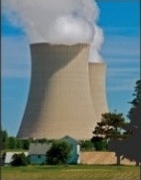
But for all the good vibes and stellar sunsets, beneath the surface hides a potential threat: 3.6m lb of nuclear waste from a group of nuclear reactors shut down nearly a decade ago. Decades of political gridlock have left it indefinitely stranded, susceptible to threats including corrosion, earthquakes and sea level rise.

The San Onofre reactors are among dozens across the United States phasing out, but experts say they best represent the uncertain future of nuclear energy.

“It’s a combination of failures, really,” said Gregory Jaczko, who chaired the US Nuclear Regulatory Commission (NRC), the top federal enforcer,between 2009 and 2012, of the situation at San Onofre.

Buried waste

Thatwaste isthe byproduct of the San Onofre Nuclear Generating Station (Songs), three nuclear reactors primarily owned by the utility Southern California Edison (SCE).

Federal regulators had already cited SCE for several safety issues, including leaking radioactive waste and falsified firewatch records. But when a new steam generator began leaking a small amount of radioactivity in January 2012, just one year after it was replaced, it was SCE’s most serious problem yet. A subsequent report from the NRC’s inspector general found federal inspectors had overlooked red flags in 2009, and that SCE had replaced its own steam generators without proper approval. SCE tried to fix the problem but decided in 2013 to shut the plant down for good.

Activists thought they had scored a victory when the reactor shut down – until they learned that the nuclear waste they had produced would remain on-site.

That wasn’t supposed to be the case. Under the US Nuclear Waste Policy Act of 1982, the federal government was to move waste into a centralized, remote federal facility starting in 1998. In 2002, George W Bush approved Yucca Mountain, a site about 100 miles from Las Vegas, as a permanent underground nuclear waste repository. But in 2010, the Obama administration scrapped the controversial plan.

Without a government-designated place to store the waste, the California Coastal Commission in 2015 approved the construction of an installation at San Onofre to store ituntil 2035In August 2020, workers concluded the multi-year burial process, loading the last of 73 canisters of waste into a concrete enclosure.

[…]

Plenty of risks, and not enough oversight

The waste is buried about 100ft from the shoreline, along the I-5 highway, one of the nation’s busiest thoroughfares, andnot far from a pair of faults that experts say could generate a 7.4 magnitude earthquake.

Another potential problem is corrosion. In its 2015 approval, the Coastal Commission noted the site could have a serious impact on the environment down the line, including on coastal access and marine life. “The [installation] would eventually be exposed to coastal flooding and erosion hazards beyond its design capacity, or else would require protection by replacing or expanding the existing Songs shoreline armoring,” the document says.

Concerns have also been raised about government oversight of the site. Just after San Onofre closed, SCE began seeking exemptions from the NRC’s operating rules for nuclear plants. The utility asked and received permission to loosen rules on-site, including those dealing with record-keeping, radiological emergency plans for reactors, emergency planning zones and on-site staffing.

San Onofre isn’t the only closed reactor to receive exemptions to its operating licence. The NRC’s regulations historically focused on operating reactors and assumed that, when a reactor shut down, the waste would be removed quickly.

[…]

Read more.

Posted in *English | Tagged , , | Comments Off on ‘A combination of failures:’ why 3.6m pounds of nuclear waste is buried on a popular California beach via The Guardian

原発事故後の未公表データで食品から高濃度のヨウ素132〜福島県 via OurPlanet-TV

東京電力福島第一原子力発電所後、公表が見送られていた福島県の3月19日の食品データをOurPlanet-TVが入手した。それによると、福島市のアサツキから、1キロあたり4万8000ベクレルの放射性ヨウ素131が検出されていたほか、放射性セシウム134が6万4000ベクレル、同137が6万4000ベクレルと高い値が計測されていた。また、これまであまり言及されてこなかった放射性ヨウ素132も、ヨウ素131より高い1キロあたり7万6000ベクレルを記録していた。

このデータは、政府が3月17日に食品の暫定規制値を公表したことを受け、福島県が19日に県内34市町村の農家から野菜をはじめとする環境試料37検体を計測したもの。ただ、厚労省の示した「緊急時における食品の放射能測定マニュアル」ではなく、日本分析センターから送付されてきた「緊急時における環境試料採取法」をもとに試料を採取していたため、一度も公表されず、10年間お蔵入りになっていた。

指定廃棄物より高い濃度の放射性物質を検出
データによると、飯館村の牧草からは1キロ当たり88万ベクレルという法外な放射性ヨウ素131が計測されたほか、大玉村のホウレンソウからは、ヨウ素131が4万3000ベクレル、同132が7万3000ベクレル、セシウム137が8万9000ベクレル、セシウム134が9万ベクレルを記録。1キログラム8000ベクレル以上という指定廃棄物の基準値をはるかに超えていた。

厚労省が17日に公表した食品の暫定規制値は、放射性ヨウ素が1キロ当たり2000ベクレル、セシウムが1キロ当たり500だったが、37検体のうち34検体から、この暫定規制値を超える汚染が計測された。この数値は減衰補正を行なっていないため、採取時はさらに高い数値だったと見られる。

ヨウ素131を上回るヨウ素132を検出
データの中で目をひくのは、ヨウ素132の数値だ。37検体のうち、4割を上回る16検体でヨウ素132がヨウ素131を上回っていた。

[…]

福島原発事故後の短寿命核種の拡散状況はいまも不明な点が多いが、高エネルギー加速器研究機構の研究者らが2017年に執筆した論文「福島県モニタリングポストのNaI(Tl)検出器波高分布データを用いたプルーム中Xe-135, I-131, I-132, I-133およびTe-132放射能濃度の推定」によると、3月13日から15日にかけて広がった放射線プルームはテルル132の割合が高く、福島市や広野町では、テルル132の寄与が7割以上を占めていたという。今回の環境試料データと符合する。

一方、今年3月に公表された国連科学委員会(UNSCEAR)の「2020年報告書」では、3月15から16日にかけて広がった放射性プルームでは、テルル132やヨウ素132、といった短寿命核短の影響は少なかったとしており、今後、検証が必要だ。

流通が続いた福島県内の野菜
また、OurPlanetTVが入手した福島県内の卸売市場の「市況」や聞き取りによると、これらの野菜は、少なくとも3月22日まで流通していた。また福島市のアサツキから高い汚染が検出されたにもかかわらず、厚生労働省は、福島県内の非結球性葉菜類と結球性葉菜類、アブラナ科花蕾類を摂取制限の対象に限定したため、ネギ属野菜類に属するニラは出荷制限の対象にはならなかった。このため、ハウス栽培が中心とはいえ、ニラは販売が続いていた。

「緊急時における環境試料採取法」と「緊急時における食品の放射能測定マニュアル」では、前者が採取した状態のまま計測するのに対し、後者は水洗いし、可食部のみを計測するという違いがある。日本放射線安全管理学会が同年5月にまとめた報告書によると、放射性ヨウ素はセシウムなど他の核種に比べて除去が難く、また当時は、茎や根などより葉の表面の汚染の方が高かったという。さらに野菜の方が、土壌よりセシウムの線量が高かったという。

全文

Posted in *English | Tagged , , | Comments Off on 原発事故後の未公表データで食品から高濃度のヨウ素132〜福島県 via OurPlanet-TV

TEPCO to build undersea tunnel to release Fukushima water offshore via The Mainichi

[…]

While the level of the radioactive substance tritium that remains in the treated water will be diluted to below regulatory standards, the decision to release it offshore into the Pacific is aimed at preventing reputational damage to local marine products amid an outcry from fishermen.

The undersea tunnel will be constructed by hollowing out bedrock on the seabed near the No. 5 reactor at the Fukushima plant.

It will stretch 1 km east from the plant out to sea, releasing the water into an area of the ocean where no fishing rights are in place, according to the sources.

TEPCO plans to dilute the treated water with a large amount of seawater to reduce its tritium concentration to less than 1,500 becquerels per liter. As the seawater within the nuclear plant’s port area contains radioactive materials, the water will be taken from outside the port.

TEPCO plans to apply to the Nuclear Regulation Authority for a review of the tunnel construction plan and begin preparatory work in the near future. It is seeking to start full-scale construction in early 2022, with the discharge of treated water to begin around spring 2023 in line with government policy.

The operator has also considered directly releasing water from within the plant site to reduce construction work, but the diffusion of tritium remained a key concern. It said it will increase the sampling locations and frequency of tritium concentration measurements in the surrounding area.

More than 1 million tons of treated water has accumulated at the complex since a massive earthquake and tsunami triggered a triple meltdown at the Fukushima plant in March 2011.

Water pumped into the ruined reactors at the Fukushima plant to cool the melted fuel, mixed with rain and groundwater, which has also been contaminated, is being treated using an advanced liquid processing system.

[…]

Read more.

Posted in *English | Tagged , | Comments Off on TEPCO to build undersea tunnel to release Fukushima water offshore via The Mainichi

福島帰還困難区域の解除検討 via niftyニュース

政府は、東京電力福島第一原発事故による福島県の帰還困難区域のうち、住民が戻れるめどが立っていない地域について、2020年代に希望者が帰還できるよう避難指示を解除する方針を固めた。今後、住民の意向を調査し、住宅などの除染を進める。今月末にも原子力災害対策本部を開き、正式決定する。

 放射線量が高く、住民が住むことができない帰還困難区域は福島第一原発周辺の7市町村(南相馬市、飯舘村、葛尾村、浪江町、双葉町、大熊町、富岡町)の計337平方キロで、約2万人が住民登録している。

 このうち、住民の6割を占める6町村の27・5平方キロは、国が集中的に除染やインフラ整備を進める「特定復興再生拠点区域(復興拠点)」になっており、22~23年春の避難指示解除が予定されている。一方、復興拠点外の地域は方針が示されず、地元自治体は早期に解除時期を示すよう求めていた。

[…]

除染の範囲は、自治体と協議して決定し、費用は国が全額負担する。復興拠点外の除染や住民の帰還の促進を法的に位置づけるため、23年の通常国会で福島復興再生特別措置法の改正を目指す。

 復興拠点外の解除については、自民、公明両党の東日本大震災復興加速化本部が7月20日に菅首相に提出した第10次提言に盛り込まれ、首相は「早急に具体化したい」と応じていた。

全文

Posted in *日本語 | Tagged , | 20 Comments

Radioactive snakes may monitor Fukushima fallout via Bulletin of Atomic Scientists

[…]

“Because snakes don’t move that much, and they spend their time in one particular local area, the level of radiation and contaminants in the environment is reflected by the level of contaminants in the snake itself,” Hannah Gerke, a lead author on the study, said.

Animals, plants, or other life forms whose health provides insight into environmental health are known as bioindicators. For example, frogs, with their permeable skin and limited abilities to detoxify, are bioindicators of environmental pollution. And lichens, which have no roots and rely on nutrients from the atmosphere, are bioindicators of atmospheric pollution. Gerke’s recent study suggests that rat snakes may be useful bioindicators of radioactive contamination in nuclear disaster zones. But that does not necessarily mean that Fukushima’s environment or its snakes are languishing.

[…]

What did the snakes reveal? Some of the snakes’ radiation exposure in the Fukushima Exclusion Zone hails from contaminated prey they eat, but most—80 percent—comes from contact with contaminated soil, trees, and plants.

“Understanding how contaminants move throughout an ecosystem and how they move in different animals throughout the food web gives us a better picture of the impacts [of the nuclear disaster] to the ecosystem,” Gerke said.

An individual snake’s exposure is related not only to the small region in which it spends time but to its behavior. For example, snakes that spent time in abandoned buildings had lower doses relative to those that did not, suggesting that buildings may act as contamination shields. Also, snakes that spent more time in trees had lower doses relative to snakes that spent more time on the ground. Gerke hypothesizes that species that spend their time primarily on the ground are potentially more vulnerable to negative health effects of radiation, should negative health effects for snakes exist.

[…]

The current study was the first to describe home range size, movements, and habitat selection of Japanese rat snakes. The results suggest that these animals could be effective bioindicators of local environmental contamination in nuclear disaster zones. But many questions remain. For example, will scientists be able to develop models clarifying the link between habitat use, radiation exposure, and radiation accumulation? If so, they might provide insight into the health effects of chronic radiation exposure in animals or humans.

[…]

Posted in *English | Tagged , , | 21 Comments

放射線防護の考え方原案に「10ミリ基準」〜内閣府の意向で削除 via OurPlanet-TV

放射線審議会が2018年1月に取りまとめた文書「放射線防護の基本的考え方の整理」原案に、原子力災害における現存被曝状況の参考レベルとして「10ミリシーベルト以下」とする「10ミリ基準」の表記があったことが、OurPlanet-TVの取材でわかった。原子力規制庁の事務局は公表前の原案を内閣府に共有。審議会の審議資料から削除していた。

「放射線防護の基本的考え方」は、放射線防護の基準の統一をはかる目的で、2017年9月に検討を開始したもの。国際放射線防護委員会(ICRP)メンバーでもある甲斐倫明大分県立看護大学教授が原案を執筆した。

[…]

政府は避難指示の基準を20mSvに設定した一方、同年12月には避難指示解除の要件も「年間20mSv」と決定。2014年4月の田村市都路を皮切りに避難指示の解除を進めてきた。

ただ住民の多くは、この「20mSv基準」に反発してきた。というのも、そもそも公衆の被曝上限が年間1mSvであるうえ、チェルノブイリでは、原発事故後5年目に成立した「チェルノブイリ法」で、強制避難地域の基準を年間5mSv、年1〜5mSvを「避難の権利」ゾーンとしていたためだ。またICRPの勧告でも、「現存被曝状況」の参考レベルを「1~20mSvのバンドの下方部分から選択すべき」としているため、年間20mSvは高すぎるとの批判が根強く、1mSvに引き下げるべきだとの声が上がっていた。

さらに問題を複雑にしたのは、政府自らが決めた除染目標だ。年間1mSvという除染目標と20mSvという避難基準との間に大きな幅が生じたため、住民に混乱を与えてきた。福島県内の首長の中には、除染目標を年間5mSvに緩和するよう求める声もあがったが、住民から新たな批判が噴出することを恐れた政府は見直しを断念。「年間1mSv」と「年間20mSv」という2つの基準を維持したまま、現存被曝状況のおける「参考レベル」を曖昧にしてきた。

[…]

100mSv以下の確率的影響については、直線しきい値なし(LNT)モデルが妥当かどうか、避難者らが国を訴えている損害賠償裁判で大きな争点となってきたが、放射線審議会という独立した機関の「考え方」を、規制される側である支援チームが不利になる記載の修正を求め、審議会事務局が応じていたのである。

[…]

政治と科学との関係を研究している藤岡毅大阪経済法科大学 21世紀社会総合研究センター 客員教授の話

放射線障害を防止するために、専門家が議論する審議会の事務局が、福島事故後の避難解除基準値を決めてきた内閣府原子力被災者支援チームに内部文書を送り、行政の意向を反映したとすれば、明らかにおかしく、不当だ。

ただ放射線審議会はそもそも政府や原子力産業に忖度する傾向の強い専門家 を中心に委員が選ばれており、そうした枠組みを作り、委員を選んでいるのが、事務局の官僚であることを考えれば驚きはない。今回の件は、放射線審議会のあり方自身がおかしいことの証左だと感じる。

また政府は福島原発事故後、ICRPの勧告を都合よく解釈し、避難指示や解除の運用を行なってきたが、今回のことで、ICRPをねじ曲げても年20 mSv基準を固定化し自らの政策を正当化するという露骨な姿勢が裏付けられたと言える。

放射線審議会はこの年の4月に法改正し独自の調査・提言能力を有するようになったが、住民を被曝から守ろうという姿勢は薄く、まさに危惧している点が具体的に現れたケースと解釈できる。放射線審議会のあり方を再吟味し、少なくとも被害住民や公衆の立場に立つ専門家を複数名委員に加えるべきだろう。

全文

Posted in *日本語 | Tagged , | Comments Off on 放射線防護の考え方原案に「10ミリ基準」〜内閣府の意向で削除 via OurPlanet-TV

【原発事故と国内避難民】「国連特別報告者の訪日調査受け入れて」 原発避難者たちが外務省に要望書提出 via 民の声新聞

2021/08/17

[…]

国内避難民の人権に関する国連特別報告者セシリア・ヒメネス・ダマリーさんから出された訪日調査要請を日本政府が3年にわたって事実上拒んでいる問題で、ダマリーさんが「国内避難民」と認定した原発避難者たちが16日夕、訪日実現に向け速やかに受け入れを表明するよう求める要望書を外務省に提出した。原発事故から10年余。住宅の無償提供打ち切りなど避難者切り捨てが進むなか、ダマリーさんの訪日調査は原発避難者の権利侵害を世界に発信する絶好の機会となる。任期満了が迫り時間がないが、外務省は「関係省庁と調整中」と繰り返すばかりだった。

[…]

原発賠償京都訴訟」や「子ども脱被ばく裁判」の代理人を務める田辺保雄弁護士と原発避難者4人が外務省を訪れ、人権人道課の宮川光國課長補佐に手渡した。
 趣旨に賛同する国際環境NGO「グリーンピース・ジャパン」や国際人権NGO「ヒューマンライツ・ナウ」、「3・11甲状腺がん子ども基金」、「高木学校」、「避難の協同センター」、「会津放射能情報センター」、「関西よつ葉連絡会」など82団体が提出団体に名を連ねた。そのなかには、田辺弁護士ら6人の弁護士有志も含まれる。
 要望書は「日本国内の状況が『国内避難に関する指導原則』の趣旨に反する可能性がある」、「訪日要請が三度にわたっている」、「日本政府は国連特別報告者の訪日要請を受け入れるとの立場を表明している」、「訪日調査の必要性が高い」などと指摘。次のような表現で政府の〝決断〟を促している。
 「国連人権理事会の『普遍的・定期的レビュー制度(UPR)』の勧告をフォローアップすることに同意した後も、いわゆる自主的避難者に対する住宅無償提供打ち切りについて見直しが行われていない」
 「ダマリーさんは任期満了が来年中に迫っており、報告書作成のための期間を考慮すると年内、遅くとも来年早々の訪日調査が必要となる」
 「ハンセン病患者らへの差別撤廃に関する特別報告者が、コロナ禍でも来日し、外務政務官らと会談していることなどに鑑みると、二重基準を疑われないよう、特別報告者に対して訪日調査を実現するために協力の姿勢を示すことが求められている」
 なお、メディアの同行取材は外務省に拒否された。

【「省庁間の調整つかない」】

[…]

「ダマリーさんの任期が本当に6月で満了するのか確認できていない。もしかしたら秋かもしれない」と宮川課長補佐。国連特別報告者の訪日そのものについては「もちろん拒んでいません。全ての特別手続きに対して、日程調整さえつけばいつでも来てくださいという政府方針(スタンディング・インビテーション)があるので、拒否というのは原理的にあり得ない」と強調する。
 しかし、現実には3年経ってもダマリーさんの訪日は実現していない。何が障壁となっているのか。宮川課長補佐は「調整」を何度も口にした。
 「障壁というよりも、国内省庁の調整がつかないということ。様々な要件を満たさなかった。複数の特別報告者から要請を受けていて、外交日程とか様々な関係省庁の受け入れ態勢とかを考慮して判断していくなかで調整がつかなかったと申し上げるしかない。来秋までに訪日が実現する可能性?それも関係省庁との調整ができるかどうか次第です。今まさに調整中ですので、その結果次第ということ」
 3年経っても「調整中」。そんなに難しいのか。
 「一般論として、外国の要人が来られるときには政府として相当の準備が必要です。国連関係に限らず、二国間の様々な要人の往来も頻繁にありますので、外交日程を調整するというのは、それなりに大変なんです。関係省庁全体の日程調整や国会日程などを絡めると、『調整』というのはなかなか難しい」
 一方で、非公式ながらダマリーさんとは3回も接触している。
 「少なくとも3回は非公式に会っています。立ち話のようなものを含めればもっとあるのかもしれませんが、きちんとお話をしたのは少なくとも3回。ご本人と対面しました。ジュネーブでは、日本の国連ジュネーブ代表部の者が会っています。具体的にどの日程で来られたいとか、どういうところを訪問されたいとか、何度かお会いして意見交換しています。公には申し上げませんが、ダマリーさんの希望は把握しています。当然、復興庁や内閣府などと情報共有して、あとは調整さえつけば訪日に至る。そこが簡単ではないのですが…」
 提出された要望書は「御意見として承って政府部内で共有する」という。

Posted in *日本語 | Tagged , , | 16 Comments

石破茂「本心は原発ゼロ」なのに表立って言わぬ訳 via 東洋経済オンライン

政界きっての軍事通が語る「原発と核抑止力」

青木 美希

東京電力福島第一原子力発電所の事故後、欧州のドイツやイタリアなどは脱原発を決断した。当の日本には、なぜ、それができないのか。背景には「原発と核抑止力」の関係があるとの見方は根強い。この問題を考える2回目は、「核抑止力の保持につながる原発を本当に捨てていいのか」と問題提起する自民党の石破茂衆院議員へのインタビューをお届けする。第1回:「安全保障に原発必要」は本当?被爆科学者の答え

「核抑止力を考慮せよ」と主張する石破氏

インタビュー内容を紹介する前に、以下の流れを押さえておきたい。

原発事故から約4カ月後の2011年7月、菅直人首相(当時)は「原発に依存しない社会を目指すべきだと考えるに至った。計画的、段階的に原発依存度を下げ、将来は原発がなくてもやっていける社会を実現していく」と脱原発を打ち出した。

すると、産業界などからエネルギー需給は大丈夫かという不安や疑問が沸き起こる。その中には「核抑止力」の観点からの異議もあった。代表的なものは、同年8月10日の読売新聞社説である。社説は菅直人首相の脱原発路線を「無責任」と評し、以下のように主張した。

「日本は、平和利用を前提に、核兵器材料にもなるプルトニウムの活用を国際的に認められ、高水準の原子力技術を保持してきた。これが、潜在的な核抑止力としても機能している。首相の無責任な言動には、こうした配慮がうかがえない」

当時、自民党政調会長だった石破茂氏もその6日後、テレビ朝日「報道ステーション」に出演し、以下のように語っている。

「原子力発電というのがそもそも、原子力潜水艦から始まったものですのでね。日本以外のすべての国は、原子力政策というのは核政策とセットなわけですね。ですけども、日本は核を持つべきだと私は思っておりません。しかし同時に、日本は(核を)作ろうと思えばいつでも作れる。1年以内に作れると。それは一つの抑止力ではあるのでしょう。それを本当に放棄していいですかということは、もっとそれこそ突き詰めた議論が必要だと思うし、私は放棄すべきだとは思わない」

いずれも、原発政策を議論する際には、安全保障問題としての核抑止力を考慮せよ、という主張だ。

これには反論もある。例えば、長崎市の田上富久市長は「基本的にその考え方はおかしい。核抑止力という考え方そのものが違う。核保有国が増えている現状を見る限り、(核の保有が)安全に寄与していないことは歴史的に明らかだ」(2011年10月31日の定例記者会見)と述べた。ほかにも広島・長崎の被爆者らが核抑止論を徹底批判するなどしている。

(略)

いざとなったら核を持てるという能力を持つということはまったく無意味かというと、それは議論する価値はあるんだろうと。私は持つべきではない、という立場だけど、(このままでは)原子力に対する知識がなくなる。いま、大学でも研究する学生がほとんどいなくなっている。そうなると、抑止力の核って何だい、と。ないほうがいいっていうのと、抑止力としての核って何なんだ、ということが整理できていない。

片方は核廃絶をしながら、アメリカの核の傘に頼っている。この矛盾をどう解決していくのかということだと思います。日本が他国から侵略を受けない。報道の自由、思想、信条、みんな否定される国にしたくない。そのために抑止力が必要だろうと思っている。

(略)

私が小学6年のときの昭和43(1968)年に、アメリカから原爆のフィルムが公開されたと思う。そのときのことを一生忘れない。これがどんなにむごたらしくて、どんなに悲惨か。ときどきフィルムを見直すことがある。絶対こんなことやっちゃダメだと、よくよくわかっています。

「武力ではなく話し合いで」というのは、そうあるべきだというのはそのとおりだと思います。一方で安全保障をやってきた者は、バランスオブパワー、力が均衡しているときは(戦争が)起こらないというのは経験則としてある。

(略)

防衛庁長官就任のときは、こんなやつを長官にしていいのかと朝日新聞に叩かれた。『週刊朝日』にこんなやつを長官にしていいのかというマンガも書かれた。今や私は軍事オタクの左翼ですから。言っていることは何にも変わらないわけです。

慰安婦も徴用工も、日本の主張が正しいと思っています。だけど、私たちはどれだけ韓国のことを知っているか、北朝鮮の歴史を知っているか、それは自信がない。勉強しているけれども、知らないことだらけ。そういうミス・コミュニケーションとか、相互不信とかで戦(いくさ)が起こるのがほとんどだから、そうならないような努力を一生懸命する。話し合いで解決できる社会を理想として放棄してはいけない。(しかし)いま軍事バランスを保たないと何が起こるかわからない。

(略)

――原発が安全ということを崩すからですか。

安全じゃない、ということがわかったじゃないですか。要は悩んでいる、というのが正しくて。悩んでいても、考えても考えても答えが出ない。原発ゼロにしたいです。平和な世の中つくりたいです。その思いはなくしません。石破氏はここで、原発をゼロにしたいと明言した。私はそれまで、石破氏の「原発ゼロ」発言を聞いたことがない。しっかり確かめたかった。

原発ゼロに至る道筋をどうするか、納得できていない

――原発ゼロにしたいと思う理由は?

再生可能エネルギーで、エネルギーの供給は可能だということです。今すぐ可能ではない。原子力は相当減ったとはいえ、(現実にはまだ)あるし、保守管理で電力会社の人たちは一生懸命やっているのも間違いない。原発ゼロだと断言して政策を正面に掲げないのは、そこに至る道筋をどうするんだというのを自分で納得できていないから。

(略)

――ゼロにしたいと思ったのは、原発の危険性がわかったからですか。

ゼロにしなきゃいけないけれども、道筋を示さなければ政治家として責任を取れないでしょと。エネルギーが足りない、足りないんだったらと、そうならないようにしないといけない。

一度そうやって(戦争が起きて)いる。技術をどうするのか、納税者がお金を負担するのか、電力会社が負担するのか、誰が負担するか。議論を詰めないと、理想は理想で終わってしまう。

(略)

――原発をゼロにしたほうがいいと思ったきっかけは?

それはないほうがいい。つまり福島第一原発事故で、決して安全ではないということがわかったからでしょ。すぐにゼロにいくかといったら、そうはいかないでしょ。エネルギーを確保しないといかんでしょ。エアコンがなければ熱中症で亡くなる人もいるわけでしょ。温暖化で、炎暑の中、公共事業で働いている土木作業の人たち、いっぱいいるんでしょう。それをどうしていくんだと。

政治家として悩んでいる

――再生可能エネルギーで電力需要を賄えるとなった場合、核抑止力をどうするかということになる。

一番の悩みかもしれない。だから核兵器を持つべきだという議論を、割り切れば語れるんだろう。けれども責任ある政治家としてできるか。原発ゼロで、話し合いで軍備を放棄して……それは素晴らしいだろう。それが政治家としてできるのか。悩んでいます。

――元原子力委員会委員長代理の鈴木達治郎氏は「核抑止力で必要としても、小さな研究用原子炉と再処理施設があれば足りる。巨大な原子力産業はいらない」と言っています。

そうかもしれない。(しかし)正しいと自信を持って言うだけの知識がない。間違っていると言うだけの知識もない。核兵器(の研究)は日本もずっとやっていた。紙の上だけだったら大学院生でも造れると言う人がいますよね。実験炉(で足りる)というのは、(そうかもしれないと)思いますけど、断定できるだけの知識がない。

全文は石破茂「本心は原発ゼロ」なのに表立って言わぬ訳

Posted in *日本語 | Tagged , , | 16 Comments

COVID-19 spreading among workers on Fukushima plant, related projects via The Mainichi

[…]

While plant operator Tokyo Electric Power Company Holdings Inc. (TEPCO) and the ministry said the infections have not significantly affected work progress up to now, they are growing increasingly cautious about the recent surge.

Some 4,000 people per day work at the Fukushima Daiichi plant. TEPCO reported 98 confirmed infections by Aug. 18. The figure began rising in late July, with 59 infections in August alone, and TEPCO views the cases as a consequence of the coronavirus spread nationally. Though it said no group infection cases have arisen, in some instances, multiple workers in the same work unit have tested positive.

[…]

Seventy-nine workers involved in Environment Ministry-ordered projects had tested positive by Aug. 17, with 32 infections confirmed in August. According to the ministry’s Fukushima Regional Environmental Office, 13 infections had been confirmed by Aug. 14 in group transmissions occurring among workers at a town of Naraha facility that processes waste from works such as the dismantling of disaster-affected homes. Infections are believed to have occurred when workers commuted in the same cars. Work at the facility resumed on a reduced scale from Aug. 17.

An environmental office representative said about the series of infections: “We make sure to frequently urge contractors to take thorough infection prevention measures, but we are not sure if these are relayed to subcontractors. It’s difficult to know what each worker is doing.”

Posted in *English | Tagged , | 1 Comment

Children’s Teeth, Collected Decades Ago, Can Show the Damage of Nuclear Testing via History News Network (Portside)

Lawrence Witner and Joseph Mangano

In 2020, Harvard University’s T. C. Chan School of Public Health began a five-year study, funded by the National Institutes of Health, that will examine the connection between early life exposure to toxic metals and later-life risk of neurological disease. A collaborator with Harvard, the Radiation and Public Health Project, will analyze the relationship of strontium-90 (a radioactive element in nuclear weapons explosions) and disease risk in later life. 

The centerpiece of the study is a collection of nearly 100,000 baby teeth, gathered in the late 1950s and early 1960s by the St. Louis Committee for Nuclear Information.

The collection of these teeth occurred during a time of intense public agitation over the escalating nuclear arms race between the U.S. and Soviet governments that featured the new hydrogen bomb (H-bomb), a weapon more than a thousand times as powerful as the bomb that had annihilated Hiroshima.  To prepare themselves for nuclear war, the two Cold War rivals conducted well-publicized, sometimes televised nuclear weapons tests in the atmosphere—434 of them between 1945 and 1963.  These tests sent vast clouds of radioactive debris aloft where, carried along by the winds, it often traveled substantial distances before it fell to earth and was absorbed by the soil, plants, animals, and human beings. 

[…]

The public grew alarmed, particularly by the fact that strontium-90 from nuclear tests was transmitted from the grass, to cattle, to milk, and finally to human bodies—with special concern as it built up in children’s bones and teeth.  By the late 1950s, polls found that most Americans considered fallout a “real danger.”

Linus Pauling, a Nobel Prize-winning chemist, emerged as one of the most trenchant and effective American critics, circulating anti-testing petitions signed by thousands of U.S. scientists and even larger numbers of scientists abroad.  Pauling charged that the nuclear bomb tests through 1958 would ultimately produce about 1 million seriously defective children and some 2 million embryonic and neonatal deaths.

Determined to maintain its nuclear weapons program, the U.S. government was horrified by the popular uproar and anxious to suppress it.  U.S. intelligence agencies and congressional investigations were unleashed against groups like SANE and antinuclear leaders like Pauling, while U.S. information agencies and government officials publicly minimized the dangers of nuclear testing.  In a Life magazine article, Edward Teller, often called “the father of the H-bomb,” insisted that nuclear test radiation “need not necessarily be harmful,” but “may conceivably be helpful.”

[…]

According to the ongoing tooth study, the average strontium-90 in baby teeth dropped by half in just four years after the test ban. With their goal apparently accomplished, the Committee on Nuclear Information and the University halted tooth collection and testing.  Soon thereafter, the Committee dissolved.

Three decades later, Washington University staff discovered thousands of abandoned baby teeth that had gone untested. The school donated the teeth to the Radiation and Public Health Project, which was conducting a study of strontium-90 in teeth of U.S. children near nuclear reactors.

Now, using strontium-90 still present in teeth, the Radiation and Public Health Project will conduct an analysis of health risk, which was not addressed in the original tooth study, and minimally addressed by government agencies.  Based on actual radiation exposure in bodies, the issue of how many Americans suffered from cancer and other diseases from nuclear testing fallout will be clarified.

Read more.

Posted in *English | Tagged , , , , | Comments Off on Children’s Teeth, Collected Decades Ago, Can Show the Damage of Nuclear Testing via History News Network (Portside)