[FT]ロシア、「海に浮かぶ原発」の運用開始へ via 日本経済新聞

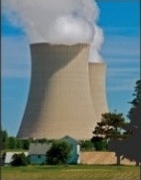
23日、タグボート3隻が浮体式洋上原子力発電所「アカデミック・ロモノソフ」を曳航(えいこう)し、ロシア北西部ムルマンスクの港から5000キロメートルの航海に出る。目的地はロシアの東端、北極海沿岸にある遠い港。世界の原子力産業に大きな波紋を広げる船出だ。

この浮体式原発は、送電網から切り離された地域への電力供給を目的に造られた。ロシアの国営原子力企業ロスアトムは、未来の小型原発として途上国への輸出を視野に入れている。

原子炉2基を搭載したロモノソフは、設計段階から10年の歳月を経て完成した。だが今月、ムルマンスクの近くに位置する軍事施設で原子力推進式ミサイルの実験中に事故が起こり、付近の都市で放射線量が急激に高まった。そうしたなか、ロモノソフの安全性にも不安の目が向けられ、不測の事態が生じた際の環境への影響が懸念されている。

ロスアトムは安全性に問題はないと断言し、自然災害が発生しても「ほとんど沈むことはない」としている。ロシア国内で活動する軍事組織の国家親衛隊が警備にあたることにもなっている。

(略)

原子力の専門家は、建造期間の長さからみて安くはないはずだと言う。
ロシアのエネルギー安全保障研究センターのアントン・クロプコフ所長は、建設に約50億~60億ドル(約5300億~6400億円)かかる通常の原発よりも、はるかに安上がりになるはずだとみている。ただし、1メガワット当たりの費用は通常の原発を上回るという。

「発電コストが必然的に高くなりうる遠隔地向けという点を考慮に入れても、このプロジェクトは経済性という未解決の問題を抱えたままだ。経済的な妥当性を示さなければならない」とクロプコフ氏は言う。

(略)

ロシアの高名な科学者の名にちなむロモノソフは、1968~75年にパナマ運河で電力を供給した米軍の原子炉「MH-1Aスタージス」以来の「浮かぶ原発」となる。

(略)

だが、たとえうまくいったとしても、浮体式原発の法的な地位と海外での管理も問題となる可能性がある。海外に送り出された設備を誰が運用・管理するのか、ロスアトムは明らかにしていない。

「安全保障に影響を及ぼしうる法的な問題点があまりにも多く残されている」と、グリーンピースのフォーミン氏は言う。

By Nastassia Astrasheuskaya(2019年8月22日付 英フィナンシャル・タイムズ紙 https://www.ft.com/)

全文は [FT]ロシア、「海に浮かぶ原発」の運用開始へ

Posted in *日本語 | Tagged , | 5 Comments

Russia floating nuclear power station sets sail across Arctic via BBC

Russia has launched a pioneering floating nuclear power station, which will sail 5,000km (3,000 miles) from the Arctic port of Murmansk to Chukotka in the far east.

The nuclear agency Rosenergoatom says the Akademik Lomonosov’s mobility will boost the power supply to remote areas.

One of its targets is to power the Chaun-Bilibin mining complex in Chukotka, which includes gold mines.

Greenpeace sees the project as high-risk, in a harsh weather environment.

Critics including Greenpeace point to previous Russian and Soviet nuclear accidents and warn that the Akademik Lomonosov’s mission increases the risk of polluting the Arctic – a remote, sparsely-populated region with no big clean-up facilities.

The launch comes just two weeks after a nuclear-powered engine blew up on a Russian naval test range in the Arctic, killing five nuclear engineers and releasing radiation, though the 1986 Chernobyl disaster was far worse.

[…]

In the period 1968-1976 the US Army used a floating nuclear power plant at the Panama Canal, for canal operations, called the MH-1A Sturgis. It was a converted World War Two cargo ship, and was later decommissioned.

Read more at Russia floating nuclear power station sets sail across Arctic

Posted in *English | Tagged , | Comments Off on Russia floating nuclear power station sets sail across Arctic via BBC

除染土再利用に前向きな考え via NHK News Web

帰還困難区域に指定されている飯舘村長泥地区で進められている除染で出た土を再利用する実証事業について、21日、現場を訪れた渡辺復興大臣は実証の結果を見極めた上で、本格的に再利用を進めていくことについて前向きな考えを示しました。

国は福島第一原発の事故に伴う除染で出た土を全国で再利用する計画ですが、各地で反発が相次ぎ、飯舘村の長泥地区だけで実証実験が進められています。
実証実験では、除染作業で出た1キロあたり5000ベクレル以下の放射性物質を含む土を、汚染されていない土で覆い、バイオマス発電などの燃料として使うソルガムなどの作物や、トルコギキョウなどの花も試験的に栽培しています。

[…]

全文

Posted in *日本語 | Tagged , , | 5 Comments

South Korea concerned over food safety at Olympics with events slated for Fukushima via The Guardian

South Korea is considering making its own arrangements to feed its athletes at next year’s Tokyo Olympics, citing concerns over the safety of food from Fukushima, media reports said.

In addition, South Korean sports authorities have requested that international groups be permitted to monitor radiation levels during the 2020 Games.

Food safety concerns in South Korea have grown since Fukushima city was chosen to host six softball games and one baseball game next summer. Fukushima prefecture will also be the location for the start of the domestic leg of the Olympic torch relay, beginning next March.

[…]

“Nothing is more important than safety. We will seek consultations with the International Olympic Committee and others to secure our athletes’ safety and ensure that the Tokyo Olympics will be held in a safe environment,” the South Korean sports minister, Park Yang-woo, said this week, according to Yonhap news agency.

Seoul’s concerns come amid an escalating dispute with Tokyo over South Korean court rulings ordering Japanese companies to compensate Koreanswho were forced to work in Japanese factories and mines before and during the second world war, when the Korean peninsula was a Japanese colony.

The dispute has affected trade and cultural exchanges, while figures released this week show that the number of South Korean tourists visiting Japan fell by 7.6% year on year last month – its lowest level for almost a year – according to the Japan National Tourism Organisation.

Bloomberg reported that the Korea Sport and Olympic Committee is to request international organisations such as Greenpeace be allowed to monitor radiation levels at Olympic venues.

Read more.

Posted in *English | Tagged , , | Comments Off on South Korea concerned over food safety at Olympics with events slated for Fukushima via The Guardian

Fukushima Pref. to end maternal health survey as no effects of radiation found via Japan News

The Fukushima prefectural government decided to end in fiscal 2020 its health survey of expectant and nursing mothers, which began in the wake of the accident at Tokyo Electric Power Company Holdings Inc.’s Fukushima No. 1 nuclear power plant.

At the end of that fiscal year, ten years will have passed since the Great East Japan Earthquake and the start of the nuclear disaster.

In past survey results, the percentages of birth defects, babies with low birth weights and other abnormal conditions have been almost the same in the prefecture as the nationwide average.

Therefore, the prefectural government judged that there have not been any remarkable negative effects feared to be caused by radioactive substances discharged by the nuclear accident on the health of mothers and children.

From now on, the prefectural government aims to place more importance on assistance based on the needs of expectant and nursing mothers.

The maternal health survey is one of a number of surveys that the prefectural government commissions from Fukushima Medical University to check on the condition of local residents’ health in the wake of the nuclear disaster.

Another of the surveys has been conducted mainly on residents who were 18 or younger when the nuclear accident happened to check whether they have developed thyroid cancer.

The prefectural government presented a plan to its examination committee to discontinue the survey of mothers in July, and the plan was approved.

[…]

Read more.

Posted in *English | Tagged , | Comments Off on Fukushima Pref. to end maternal health survey as no effects of radiation found via Japan News

放射能嫌いは「認知バイアス」〜原子力規制委員がメール via OurPlanet-TV

原子力規制委員会の伴信彦委員が今年1月、低線量被曝を心配する市民を見下すようなメールを、国際機関の担当者に送っていたことがわかった。メールで伴氏は、「放射線嫌い」は「認知バイアス」によるもので、論理的な説明は通じないと述べていた。伴氏は2015年9月から、放射線防護の専門家として原子力規制委員に就任している。

問題のメールは今年1月27日、伴氏が、経済協力開発機構(OECD)原子力機構の職員で放射線防護委員会(ICRP)委員でもあるエドワード・ラゾ氏に送ったもの。ラゾ氏は、しきい値がなく、線量に応じて死亡リスクが増加するという「LNTモデル」を採用することによって、放射線防護に多額なコストがかかることを問題視。経済合理性を重視した「reasonableness(合理性)」という新たな被曝防護概念を検討する国際会議を企画し、伴氏に招待メールを送付していた。

[…]

全文

Posted in *日本語 | Tagged , , | Comments Off on 放射能嫌いは「認知バイアス」〜原子力規制委員がメール via OurPlanet-TV

排気筒解体 3度目の作業中止via NHK News Web

東京電力福島第一原子力発電所で、中断されていた高さ120メートルの排気筒の解体作業は21日に再開されましたが、装置の不具合が見つかり、再び中止されました。
作業の中止はこれで3度目です。

事故で核燃料が溶け落ちた福島第一原発の1号機と2号機のすぐ脇にある高さ120メートルの排気筒について、東京電力は今月1日に解体作業を始めましたが、猛暑で作業員の熱中症が懸念されたことから中断し、7日に再開したものの、今度は排気筒を切断する装置に不具合が見つかり、台風接近の影響もあって延期されていました。
21日は、排気筒の頭頂部に再び切断装置を取り付け、解体作業を再開しましたが、装置に4つある刃のうちの1つが動かず、原因を確認するため作業は再び中止されました。

[…]

東京電力は、再開は22日以降になるとしています。
排気筒は、原発の構内で最も高い構造物で、事故の際、放射性物質を含む気体が放出され内部が汚染されている上、水素爆発などの影響で鉄骨にひびも見つかっていて、東京電力は半分ほどのおよそ60メートルの高さまで解体する計画です。

全文

Posted in *日本語 | Tagged | 5 Comments

福島・妊産婦への“原発”調査 「影響認められず」終了へ via FNN

福島県は、妊産婦への福島第1原発事故の影響を調べる調査について、2020年度末で終了する方向で検討していることがわかった。

この調査は、福島県が、県内で母子健康手帳を受け取った妊婦や、生まれてきた乳児に対する原発事故の影響を調べてきたもの。

これまでの調査の結果、流産や早産、先天奇形などの発生率は、全国の傾向と同じだったことから、専門家からは、「原発事故の影響は認められない」との意見が出されていた。

続きは福島・妊産婦への“原発”調査 「影響認められず」終了へ

Posted in *日本語 | Tagged , | 6 Comments

We tested popular cellphones for radiofrequency radiation. Now the FCC is investigating via Chicago Tribune

[….]

This test, which was paid for by the Tribune and conducted according to federal guidelines at an accredited lab, produced a surprising result: Radiofrequency radiation exposure from the iPhone 7 — one of the most popular smartphones ever sold — measured over the legal safety limit and more than double what Apple reported to federal regulators from its own testing.

The Federal Communications Commission, which is responsible for regulating phones, states on its website that if a cellphone has been approved for sale, the device “will never exceed” the maximum allowable exposure limit. But this phone, in an independent lab inspection, had done exactly that.

[…]

The Tribune tested three more brand-new iPhone 7s at full power, and these phones also measured over the exposure limit. In all, 11 models from four companies were tested, with varying results.

The Tribune’s testing, though limited, represents one of the most comprehensive independent investigations of its kind, and the results raise questions about whether cellphones always meet safety standards set up to protect the public. 

After reviewing the lab reports from the Tribune’s tests, the FCC said it would take the rare step of conducting its own testing over the next couple of months.

[…]

Though it’s unclear whether radiofrequency radiation from cellphones can increase cancer risk or lead to other harm, that question is increasingly pressing given the widespread use of cellphones today. Many children and teenagers may face years of exposure.

[…]

The results
The Tribune tested 11 cellphone models by measuring how much radiofrequency radiation was absorbed by a simulated body positioned near the phone. The Federal Communications Commission has set an exposure limit of 1.6 watts per kilogram averaged over one gram of tissue.

How the tests were performed

Standard test: The phones were tested in accordance with FCC rules and guidelines. Exposure was measured at two distances from the simulated body: the distance the manufacturers chose for their own premarket testing (5, 10 or 15 millimeters) and a closer “pocket test” at 2 millimeters.
Modified test: The Apple and Motorola phones were retested after those companies provided feedback based on the results. These tests added steps intended to activate sensors designed to reduce the phones’ power. Two newly acquired phones also underwent the modified tests.
NOTE: The Tribune tested several iPhone 7s because of high results from a pilot test.

Read more at We tested popular cellphones for radiofrequency radiation. Now the FCC is investigating

Posted in *English | Tagged , , | Comments Off on We tested popular cellphones for radiofrequency radiation. Now the FCC is investigating via Chicago Tribune

TOXIC SLUDGE North Korea nuclear leak fears as satellite images show rivers turned BLACK near uranium mines via The Sun

Michael Havis and Patrick Knox

NORTH Korea’s nuclear programme is feared to be leaking toxic waste which could be contaminating 400,000 people — risking cancer and horrible birth defects.

Disturbing photos appear to reveal how a uranium plant in the north of the country is spilling huge amounts of toxic waste into a river which provides water to drink and for crops. 

The potential radioactive leak was discovered by eagle-eyed US-based researcher Jacob Bogle.

By examining satellite images of the Pyongsan uranium site, Mr Bogle believes a horror has been unfolding which has been covered up by the highly secretive and insular state. 

But he thinks the catastrophe may soon be hard to hide because the toxic leak is now flowing into the Yellow Sea the country shares with neighbouring South Korea and China.

This could ultimately affect an estimated 600million people and end up being the world’s worst man-made disaster. 

[…]

“At dangerous levels, the other heavy metals can cause a wide range of health problems.”

The plant was constructed in the 1980s – and though imagery of the site is only available from 2003 onwards, Mr Bogle says that even in those early photos the leak is visible.

“So it has been ongoing for at least 16 years,” he said.
To get an idea of just how much could have leaked in that time, Mr Bogle has also analysed the buildup of waste in the nearby reservoir.

[…]

Mr Bogle estimates that the sludge pile there grew by 18,000 square metres in just three years, from 2016 to 2019.

“The leak only occurs whenever the plant is in production,” he said

Read more at TOXIC SLUDGE North Korea nuclear leak fears as satellite images show rivers turned BLACK near uranium mines

Posted in *English | Tagged , , , | 5 Comments