Subscribe

-



Featured Topics / 特集
-
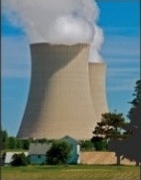
A nuclear power plant in Byron, Illinois. Taken by photographer Joseph Pobereskin (http://pobereskin.com). カレンダー
October 2026 S M T W T F S 1 2 3 4 5 6 7 8 9 10 11 12 13 14 15 16 17 18 19 20 21 22 23 24 25 26 27 28 29 30 31 -
Latest Posts / 最新記事
- 客室乗務員・パイロットの放射線関連がん死亡率、原子力技術者より高いとの研究結果viaYahoo!ニュースJapan /Cancer-Related Mortality Among US Pilots and Flight Attendants via JAMA Internal Medicine 2026/08/24
- Ship modified for transport of used MOX fuel via World Nuclear News 2026/05/06
- Nuclear’s cleanup cost threatens the expansion dream via DW 2026/03/21
- Germany won’t return to nuclear power, chancellor says via DW 2026/03/12
- President Trump’s radical attack on radiation safety via Bulletin of the Atomic Scientists 2025/10/27
Discussion / 最新の議論
- Leonsz on Combating corrosion in the world’s aging nuclear reactors via c&en
- Mark Ultra on Special Report: Help wanted in Fukushima: Low pay, high risks and gangsters via Reuters
- Grom Montenegro on Duke Energy’s shell game via Beyond Nuclear International
- Jim Rice on Trinity: “The most significant hazard of the entire Manhattan Project” via Bulletin of Atomic Scientists
- Barbarra BBonney on COVID-19 spreading among workers on Fukushima plant, related projects via The Mainichi
Archives / 月別アーカイブ
- August 2026 (1)
- May 2026 (1)
- March 2026 (2)
- October 2025 (2)
- August 2025 (1)
- June 2025 (2)
- May 2025 (10)
- February 2025 (1)
- November 2024 (3)
- October 2024 (1)
- September 2024 (5)
- July 2024 (4)
- June 2024 (3)
- March 2024 (1)
- February 2024 (6)
- January 2024 (4)
- November 2023 (8)
- October 2023 (1)
- September 2023 (7)
- August 2023 (5)
- July 2023 (10)
- June 2023 (12)
- May 2023 (15)
- April 2023 (17)
- March 2023 (20)
- February 2023 (19)
- January 2023 (31)
- December 2022 (11)
- November 2022 (12)
- October 2022 (7)
- September 2022 (6)
- August 2022 (22)
- July 2022 (29)
- June 2022 (15)
- May 2022 (46)
- April 2022 (36)
- March 2022 (47)
- February 2022 (24)
- January 2022 (57)
- December 2021 (27)
- November 2021 (32)
- October 2021 (48)
- September 2021 (56)
- August 2021 (53)
- July 2021 (60)
- June 2021 (55)
- May 2021 (48)
- April 2021 (64)
- March 2021 (93)
- February 2021 (69)
- January 2021 (91)
- December 2020 (104)
- November 2020 (126)
- October 2020 (122)
- September 2020 (66)
- August 2020 (63)
- July 2020 (56)
- June 2020 (70)
- May 2020 (54)
- April 2020 (85)
- March 2020 (88)
- February 2020 (97)
- January 2020 (130)
- December 2019 (75)
- November 2019 (106)
- October 2019 (138)
- September 2019 (102)
- August 2019 (99)
- July 2019 (76)
- June 2019 (52)
- May 2019 (92)
- April 2019 (121)
- March 2019 (174)
- February 2019 (146)
- January 2019 (149)
- December 2018 (38)
- November 2018 (51)
- October 2018 (89)
- September 2018 (118)
- August 2018 (194)
- July 2018 (22)
- June 2018 (96)
- May 2018 (240)
- April 2018 (185)
- March 2018 (106)
- February 2018 (165)
- January 2018 (241)
- December 2017 (113)
- November 2017 (198)
- October 2017 (198)
- September 2017 (226)
- August 2017 (219)
- July 2017 (258)
- June 2017 (240)
- May 2017 (195)
- April 2017 (176)
- March 2017 (115)
- February 2017 (195)
- January 2017 (180)
- December 2016 (116)
- November 2016 (115)
- October 2016 (177)
- September 2016 (178)
- August 2016 (158)
- July 2016 (201)
- June 2016 (73)
- May 2016 (195)
- April 2016 (183)
- March 2016 (201)
- February 2016 (154)
- January 2016 (161)
- December 2015 (141)
- November 2015 (153)
- October 2015 (212)
- September 2015 (163)
- August 2015 (189)
- July 2015 (178)
- June 2015 (150)
- May 2015 (175)
- April 2015 (155)
- March 2015 (153)
- February 2015 (132)
- January 2015 (158)
- December 2014 (109)
- November 2014 (192)
- October 2014 (206)
- September 2014 (206)
- August 2014 (208)
- July 2014 (178)
- June 2014 (155)
- May 2014 (209)
- April 2014 (242)
- March 2014 (190)
- February 2014 (170)
- January 2014 (227)
- December 2013 (137)
- November 2013 (164)
- October 2013 (200)
- September 2013 (255)
- August 2013 (198)
- July 2013 (208)
- June 2013 (231)
- May 2013 (174)
- April 2013 (156)
- March 2013 (199)
- February 2013 (191)
- January 2013 (173)
- December 2012 (92)
- November 2012 (198)
- October 2012 (229)
- September 2012 (207)
- August 2012 (255)
- July 2012 (347)
- June 2012 (230)
- May 2012 (168)
- April 2012 (116)
- March 2012 (150)
- February 2012 (198)
- January 2012 (292)
- December 2011 (251)
- November 2011 (252)
- October 2011 (364)
- September 2011 (288)
- August 2011 (513)
- July 2011 (592)
- June 2011 (253)
- May 2011 (251)
- April 2011 (571)
- March 2011 (494)
- February 2011 (1)
- December 2010 (1)
Top Topics / TOPトピック
- anti-nuclear
- Atomic Age
- Capitalism
- East Japan Earthquake + Fukushima
- energy policy
- EU
- France
- Hanford
- health
- Hiroshima/Nagasaki
- Inequality
- labor
- Nuclear power
- nuclear waste
- Nuclear Weapons
- Radiation exposure
- Russia/Ukraine/Chernobyl
- Safety
- TEPCO
- U.S.
- UK
- エネルギー政策
- メディア
- ロシア/ウクライナ/チェルノブイリ
- 健康
- 公正・共生
- 兵器
- 再稼働
- 労働における公正・平等
- 原子力規制委員会
- 原発推進
- 反原発運動
- 大飯原発
- 安全
- 広島・長崎
- 廃炉
- 東京電力
- 東日本大震災・福島原発
- 汚染水
- 米国
- 脱原発
- 被ばく
- 資本主義
- 除染
- 食の安全
Choose Language / 言語
Nuclear Power As an Environmental Justice Issue via NEIS
Posted in *English
Tagged indigenous peoples, Leona Morgan, NEIS, New Mexico, radioactive waste
4 Comments
In Rural Fukushima, ‘The Border Between Monkeys And Humans Has Blurred via NPR
Shuichi Kanno rips tape off the top of a large cardboard box at his house in the mountains in Fukushima prefecture in Japan. He opens the box and rustles around to pull out pack after pack of long, thin Roman candle fireworks. The words “Animal Exterminating Firework” are written in Japanese on the side of each canister.
Kanno has been battling hordes of macaque monkeys that have encroached upon his neighborhood in a rural area of Minamisoma. These fireworks are his main deterrent — not to cause the monkeys any physical harm, but to scare them away with a loud bang. That is, until they regain their confidence and come back a few days later, which they do like clockwork, Kanno says.
[…]
“The monkeys never used to come here, but after the disaster, the border between monkeys and humans has blurred,” Kanno explains. “The houses were empty, but the gardens were still growing — plums, pears, chestnuts, persimmons. It was a wonderland for monkeys, an all-you-can-eat buffet. And they remembered that.”
His neighborhood is on the very edge of the evacuation area, relatively far from Daiichi. People stayed away for only a few years, but by the time they came back, the monkeys had become comfortable. And, Kanno points out, half the houses are still empty and only older people came back. They just don’t have the numbers they need to win the battle against the monkeys without backup.
[…]
“Look, I think they’re cute. I would absolutely never hurt them,” he says. “None of this is their fault. It’s nuclear power’s fault. It’s the fault of humans.”
Shuichi Kanno is a leader in the neighborhood, and he’s in charge of distributing the fireworks to any of his neighbors who want them. The neighbors all have to sign an agreement saying they understand the dangers and — most importantly, he says — that they will not hurt any animals.
He loads the fireworks into the trunk of his car and drives down forest roads from house to house, dropping off packs of fireworks at every stop. As he drives, he points to all the natural beauty in the area. The nuclear disaster didn’t just change his relationship with monkeys, he says.
“I loved hiking, and foraging for wild vegetables, finding wild mushrooms. But now it’s so dangerous,” Kanno explains, referring to the high levels of radioactive cesium still present in the dense forests here. “We can’t have a relationship with nature anymore. It’s gone.”
[…]
Read more/listen
Posted in *English
Tagged Fukushima, macaques, Minamisoma, NPR
Comments Off on In Rural Fukushima, ‘The Border Between Monkeys And Humans Has Blurred via NPR
もはや疑えない福島での「がん多発」via 週刊金曜日
明石昇二郎
本誌2019年6月7日号掲載の「福島県、『最短潜伏期間』過ぎた胃がんで『有意な多発』」記事から1年。この間、全国がん登録事業は、国立がん研究センターから厚生労働省へと引き継がれ、データ公表までの時間が大幅にスピードアップ。16年と17年のデータが相次いで公表されていた。
全国がん登録のデータは、それまではがん患者が亡くならない限り明らかになることのなかった「がん患者多発」の傾向を、がんの発生段階で把握することで異変をいち早く掴み、治療や原因究明に役立てるためのものである。しかし現状は、その力を十分発揮できるまでには至っていない。
(略)
使い勝手の良くなった全国がん登録データ
代表的な発がん性物質として知られる放射性物質を大量に撒き散らした結果、原発事故の国際評価尺度(INES)で過去最悪の「レベル7」と認定され、環境をおびただしく汚染した東京電力(東電)福島第一原発事故では、被曝による健康被害を受けた人は一人もいないことにされている。ありえないことであり、実態を把握しようとしていないだけの話である。健康被害はがんばかりではないと思われるが、まずは全国がん登録データの出番だろう。積極的に活用していきたいものだ。
(略)
福島県では6年連続で胃がんが「有意な多発」
そこで、本誌昨年6月7日号掲載の拙稿(東京電力福島第一原発事故と「全国がん登録」 福島県、「最短潜伏期間」過ぎた胃がんで「有意な多発」)に引き続き、16年と17年のデータをもとに、「全国胃がん年齢階級別罹患率」と福島県の同罹患率を比較してみることにした。
(略)
福島県の胃がんについて、08年から17年までのSIRを計算してみた結果は、次のとおり。
【胃がん】福島県罹患数 SIR
08年男 1279 88・3
09年男 1366 94・1
10年男 1500 101・1
11年男 1391 92・2
12年男 1672 110・6
13年男 1659 110・9
14年男 1711 119・3
15年男 1654 116・6
16年男 1758 116・3
17年男 1737 120・0
08年女 602 86・6
09年女 640 94・2
10年女 700 100・9
11年女 736 100・9
12年女 774 109・2
13年女 767 109・9
14年女 729 109・0
15年女 769 120・3
16年女 957 139・4
17年女 778 119・6
国立がん研究センターでは、SIRが110を超えると「がん発症率が高い県」と捉えている。福島県における胃がんのSIRは11年以降、男女とも全国平均を上回る高い値で推移しており、特に16年の女性では139・4というひときわ高い値を記録している。
続いて、このSIRの「95%信頼区間」を求めてみた。疫学における検証作業のひとつであり、それぞれのSIRの上限(正確には「推定値の上限」)と下限(同「推定値の下限」)を計算し、下限が100を超えていれば、単に増加しているだけではなく、確率的に偶然とは考えにくい「統計的に有意な多発」であることを意味する。
その結果、福島県においては12年以降、6年連続で男女ともに胃がんが「有意な多発」状態にあり、それが収まる兆しは残念ながら一向に見られないことが判明した。
胃がん以外にも、甲状腺がん、前立腺がん、胆のう・胆管がんなどについての詳細な記事は9月11日発売の『週刊金曜日』9月11日号に掲載される。
After 2011 Disaster, Fukushima Embraced Solar Power. The Rest Of Japan Has Not via NPR
By Kat Lansdorf
Atop a small hill on the southern Japanese island of Kyushu sits a small solar farm with big, broad panels lined up in rows, tilting to catch the sun. Lush vegetation creeps over the edges of the surrounding fence. In the center of the panels, there’s a tall marble gravestone, with an inscription in Japanese.
“Remember that this family evacuated Futaba town, Fukushima prefecture,” it reads, “and moved here due to the nuclear accident following the Great East Japan Earthquake that occurred on March 11, 2011.”
The grave belongs to Hiroyuki Endo, a supervisor and maintenance worker at the Fukushima Daiichi Nuclear Power Plant. He fled Fukushima with his family after the disaster and settled nearly 1,000 miles away, as far south as they could drive. He and his family decided to build this solar farm for a living. When Hiroyuki suddenly died four years ago of a brain aneurysm, his wife, Chiyomi Endo, took over.
[…]
“My biggest wish is for renewable energy to take over,” Endo said. “Look at my old home. It’s going to be a storage site for nuclear waste. We can’t deal with that kind of waste forever.”
“Almost anyone could register”
Endo’s wish may not come true. Her family entered the renewable energy business at just the right time, when every nuclear reactor in Japan was taken offline. To encourage new investment, the government passed a law requiring utility companies to pay renewable energy producers high compensation, known as feed-in tariffs.
In the years immediately after the 2011 disaster, “The price was so generous and the regulations were so loose — almost anyone could register,” said Tetsunari Iida, executive director of the Institute for Sustainable Energy Policies in Tokyo.
Some, like Chiyomi and her husband, jumped in to build smaller, local operations, while corporations rushed to build massive solar and wind farms. Renewable energy production in Japan — particularly solar — increased year after year, nearly doubling in the nine years since the Fukushima nuclear disaster.
But in 2018, the Japanese government began backpedaling on the feed-in tariffs, announcing that it would reduce them by more than half, as utility companies passed the cost onto consumers and energy bills skyrocketed.
And, Iida points out, it has become increasingly difficult for renewables to connect into the power grid.
“The big electricity monopolies have set up a kind of barrier to stop the rapid increase of renewables,” said Iida. He notes that the utilities often favor their own power plants, which burn imported coal or natural gas. With few homegrown energy sources other than its previous production of nuclear power, Japan is one of the world’s top importers of both coal and natural gas. Prior to the Fukushima disaster, Japan had planned to reduce its dependence on coal by more than half in the coming decade; it has instead increased.
After initially prioritizing renewables in response to the disaster, a change in government rules in 2015 gave Japan’s utility companies greater flexibility to shut out alternative energy producers.
[…]
Fossil fuels front and center — except in Fukushima
Japan’s reliance on fossil fuels after the Fukushima disaster has worried climate groups, which say the country is not doing nearly enough to curb greenhouse gas emissions, a major driver of global warming. Scientists say the world needs to essentially eliminate new carbon emissions by 2050 to avoid the most catastrophic impacts of climate change.
Nuclear reactors do not directly produce carbon dioxide, and even after the disaster, Prime Minister Shinzo Abe’s party began pushing to restart them, arguing that it would be the best way for Japan to combat climate change while having a stable, homegrown energy source. So far, nine of Japan’s 54 nuclear reactors have restarted, but many more are slated for decommissioning as the cost of upgrading them with new safety regulations implemented after 2011 becomes too great.
In the meantime, Japan is rolling out major new coal operations, in stark contrast with other developed countries. Critics say the country is headed in the wrong direction, keeping fossil fuels — which currently account for more than two-thirds of Japan’s energy supply — front and center for now.
[…]
Read more.
Corruption scandals expose nuclear industry for what it is via Augusta Free Press
By Tim Judson, David Kraft and Pat Marida
Proponents of nuclear energy like to present it as a cutting-edge technology that would save us from climate disaster. But recent corruption scandals in Ohio and Illinois have shown the nuclear industry for what it is: an aging, starving beast, hungry for bailouts and willing to do anything to get them.
Ohio and Illinois are not the only states where the nuclear power industry has successfully lobbied for nuclear bailouts using corrupt practices. They are just the first to be exposed.
U.S. attorneys in Ohio and Illinois have done us the favor of unmasking the nuclear industry’s widespread and endemic corruption. In Ohio, Republican House Speaker Larry Householder has been arrested, along with his chief of staff and three lobbyists. They were charged as co-conspirators in a bribery and racketeering scheme involving the passage of a controversial nuclear bailout. In Illinois, House Speaker and state Democratic Party Chair Michael Madigan is under investigation, while the state’s largest utility company, Commonwealth Edison (ComEd, a subsidiary of Exelon) is cooperating under a deferred prosecution agreement and paying $200 million in fines. The investigation includes ComEd’s maneuverings to attain a nuclear bailout.
The details of the plot vary by state but the overall story is the same. From 2014-2016, FirstEnergy, a utility company in Ohio, tried and failed repeatedly to persuade the Public Utility Commission of Ohio to bail out its nuclear and coal plants. When this failed, FirstEnergy turned to the legislature, which enacted a $1.1-billion bailout bill in 2019. Householder and his co-accused funneled dark money to statehouse candidates, all but one of whom voted for the bailout after getting into office. Then they conspired to kill a ballot measure seeking to repeal the bailout. The accused also pocketed a hefty amount of the funds. The money for the scheme was funneled through a shady political group called Generation Now.
[…]
Ohio and Illinois are not the only states where Exelon, FirstEnergy, and other nuclear power companies have been lobbying for bailouts. In fact, the Illinois and Ohio subsidies are among the smaller ones: $7.6 billion for Exelon in New York; up to $3 billion for Exelon and PSEG in New Jersey; and a proposal for up $500 million per year for Exelon and FirstEnergy in Pennsylvania. This raises the question: If it took bribery and corruption to win the bailouts in Illinois and Ohio, have power companies done the same in other states, where even larger subsidies are on the table?
There is no shortage of social and environmental harms resulting from nuclear energy, which is neither clean nor carbon-free. But the scandals in Ohio and Illinois remind us that there is yet another harmful aspect to nuclear energy: the corruption it unleashes on our political system.
Aging, uncompetitive nuclear reactors cannot keep up with the technological leaps and bounds and plummeting costs of renewable energy. The only way this obsolete technology can stay competitive is by seeking public bailouts through influence peddling. In addition to the social and environmental harms that these bailouts fuel, there is the opportunity lost by diverting funding from clean, renewable energy to dirty and expensive nuclear. Every dollar spent propping up the dying nuclear industry is a dollar not spent on technologies that can decarbonize our economy while creating many times more local, clean and safe jobs.
[…]
Read more.
Posted in *English
Tagged Exelon, nuclear energy
Comments Off on Corruption scandals expose nuclear industry for what it is via Augusta Free Press
Shutdown of Iowa’s only nuclear power plant will mean less cancer via Des Moines Register
By Joseph Mangano
The Duane Arnold shutdown, at a time when safe, renewable wind power is growing rapidly, means a healthier future for Iowans.
The derecho that slammed Iowa on Aug. 10 damaged the Duane Arnold nuclear reactor near Cedar Rapids. The reactor had been scheduled to cease operations in the fall. Plant owners, rather than repairing the reactor, opted to shut it down instead.
[…]
Similar to atomic bomb explosions, nuclear power reactors create over 100 radioactive chemicals not found in nature, waste products that last hundreds and thousands of years. Much of this waste remains stored at sites like Duane Arnold as the 60-year search for a permanent storage location continues.
Unfortunately, not all waste can be stored and kept out of the environment. Some of these toxic metals and gases are released into local air and water, and enter human bodies through breathing and the food chain. Each of these chemicals kills or harms cells, leading to cancer, birth defects, and other diseases.
Federal leaders, subject to the whims of powerful utility companies who give large campaign donations, have conducted just one study on cancer near nuclear plants. The 1990 study was performed only at the insistence of Sen. Ted Kennedy, and concluded that no radiation-cancer link existed.
But results of the National Cancer Institute’s 1990 effort suggest that humans, especially children (who are most vulnerable to radiation exposure), were harmed. In Benton and Linn Counties, which flank Duane Arnold, the cancer rates in children age 19 and younger was 7% above the Iowa rate in the period before Duane Arnold operated, jumping to 28% above in the first decade after startup.
High local rates of cancer near Duane Arnold have continued. In the period from 2013 to 2017, the Linn County child cancer rate was 20% above the state’s. The problem may not just be restricted to children. For Linn County residents under age 50 who lived near Duane Arnold most or all of their lives, the cancer rate was 15% higher than the state, covering 900 young persons diagnosed in the five-year period. Linn has the highest rates of breast and cervical cancer under age 50 of all 99 Iowa counties.
The shutdown of Duane Arnold, and the end of nuclear power in Iowa, is the latest change in electricity generation. Coal, also hazardous to health, once was the primary source of the state’s electricity, but has declined to 35% as old and dirty plants shut down. Coal has largely been replaced by wind power, which has jumped from 29% to 42% in the past five years. The 42% figure is the highest of any U.S. state, and will continue rising as more wind farms are constructed.
Studies have shown that after nuclear plants close, local cancer rates decline, most immediately in young children. The Duane Arnold shutdown, at a time when safe, renewable wind power is growing rapidly, means a healthier future for Iowans, as fewer will suffer the ravages of cancer.
Read more and watch video.
Joseph Mangano MPH MBA is an epidemiologist and executive director of the Radiation and Public Health Project.
Posted in *English
Tagged cancer, decommissioning, Duane Arnold, energy policy, health effects
4 Comments
トリチウム処理水 距離関係なく影響 福島県全体が一色に【風評の現場】(5) via 福島民報
南会津町の田島ドライビングスクールを経営する星千津子さん(62)は、壁に貼ってある福島県地図を見つめながら、「あの時は、南会津もひとくくりにされ、福島県を一色に染められた」と九年前の苦い思いを明かした。 大熊町と双葉町にまたがって立地する東京電力福島第一原発から南会津町までは、直線距離で約百十五キロ。原発を中心に円を描くと、北は仙台市、南は茨城県日立市が入る。それなのに、二〇一一(平成二十三)年三月、原発から遠く離れた静かな山あいの町にも風評が激しく吹き起こった。 今、再び風評の懸念が広がる。福島第一原発で増え続ける放射性物質トリチウムを含む処理水を巡り、処分方法を検討してきた政府の小委員会が海洋放出と大気放出を現実的な選択肢とした。 これに対し、南会津町議会は風評被害は避けられず、被災県民の心情や実情を無視したものとして意見書を可決した。
[…]
現在、新型コロナウイルスの感染対策に全力を尽くす中、処理水の処分方法がどうなるかを心配する。浜通りで自動車学校を経営する同業者の仲間もおり、決してひとごとではない。 「風評は目に見えない。だからこそ、目に見える形で、しっかりとしたルールや数値を示すのが大事になる。大気放出するのか、海洋放出するのかどちらにしても、国民に理解が浸透するまで根気強く説明する覚悟がなければならない。結局それに尽きる」
被ばく者の叫び 旧ソ連セミパラチンスク核実験場の村(カザフスタン共和国) via Uno Foto
被ばく者の叫び 旧ソ連セミパラチンスク核実験場の村(カザフスタン共和国)
森住 卓
2020/08/01 ~ 2020/08/14
被ばく者の叫び 旧ソ連セミパラチンスク核実験場の村(カザフスタン共和国)
セミパラチンスク核実験場は中央アジア・カザフスタン共和国東部の大草原にある。面積18500平方キロメートル。
ここで旧ソ連は1949年から1989年の40年間に467回の核実験を行った。
環境に放出された放射性物質はチェルノブイリ原発事故の5000倍とも言われている。
ソ連時代、核実験は一切秘密にされ、住民にも知らされなかった。
核実験場周辺には百数十万人の被曝者がいる。
ガンや死産、先天的異常が多発し、平均寿命は劇的に下がった。
カザフスタンの人々はソ連が崩壊する直前の1999年核実験場の閉鎖を求め「ネバダセミパラチンスク運動」という大きな国民的運動を起した。
1991年独立したカザフスタン共和国はセミパラチンスク核実験場を閉鎖した。
セミパラチンスク核実験場は市民の運動で閉鎖に追い込まれた世界で初めての核実験場となった。
核実験場閉鎖から30年。いまなお世代を超えて被ばくの影響は続いている。
福島第一原発事故を経験した私たちはセミパラチンスクから何を学ぶのか?
核の犠牲となった人々は人類の未来に警鐘を鳴らし続けている。
The Ghost Towns Behind The Gates via NPR
Fukushima was forever changed by one of the world’s biggest nuclear disasters nearly a decade ago. The Japanese government has poured billions of dollars into recovery efforts. But what does recovery really mean? The answer is a combination of resilience, reinvention and regret.
[…]
Read and view images
Listen to part 2.
Posted in *English
Tagged evacuation, Fukushima Daiichi, Futaba, Katsutaka Idogawa, Ookuma
4 Comments
Hiroshima Fallout: The Atomic Bombing Coverup and the Reporter Who Exposed It to the World via Beyond Nuclear International
The following is a review of Lesely M.M. Blume’s new book about John Hersey, author of “Hiroshima”.
By John Loretz
In 1946, John Hersey wrote a magazine article that changed the world. On the 75thanniversary of the events he described so vividly in Hiroshima, (Hersey 1946) journalist Lesley M. M. Blume has given us Fallout, a timely reminder that Hersey’s courageous and influential reporting is as important today as it was when the facts about nuclear weapons were still shrouded in secrecy.
[…]
Through a combination of careful preparation, his reputation for integrity, fortunate timing, and a certain amount of luck, Hersey himself had little trouble getting permission to enter Hiroshima, moved about freely, and was able to leave without interference, unlike colleagues who had their notes and film confiscated. (Hersey, Blume tells us, actually took no notes during his interviews as a means of evading the censors, and did not begin writing until he got home. Remarkably, he retained everything his subjects told him, and quoted them at length, with uncanny accuracy and respect for their stories.) Getting the story past the censors and into print once he had written it was a more daunting challenge, which Blume recounts with enthusiasm.
Hersey’s book itself weaves together the stories of six survivors of the US atomic bombing, and what they experienced on the day their city was reduced to ashes. As Blume explains, he intended that readers of Hiroshima would empathize with the six people he chose as his subjects. They had names: Toshiko Sasaki, Masakazu Fujii, Hatsuyo Nakamura, Wilhelm Kleinsorge, Terufumi Sasaki, Kiyoshi Tanimoto. They were ordinary residents of the city, starting a normal day: two doctors, a priest, a pastor, an office worker, a tailor’s widow.
As long as wartime casualties could be packaged as statistics, the Hiroshima and Nagasaki deaths did not stand out as anything unusual. Once the victims had an opportunity to tell their stories, the public perception of the atomic bombings began to shift. Concerns would soon be aired openly that the US itself had committed atrocities on a par with the war crimes for which their adversaries were now being taken to court. Readers of Hiroshima were quick to see themselves as possible victims of a future atomic bombing.
By late 1946, it was common knowledge that this brand new weapon had levelled most buildings in both Hiroshima and Nagasaki, and had immediately killed upwards of 100,000 people. US officials, however, had gone to great lengths to conceal the facts about the medical aftermath, especially the persistence of radiation and its lethality. Hersey’s book brought the truth out into the open for the first time. (Ironically, while the government intensified its public relations effort to downplay the effects of radiation, the military asked to use Hiroshima as a training resource to prepare combat troops for the conditions they might face in a devastated, contaminated environment.)
When the article was published, political and military leaders in the US, intent upon controlling a painstakingly crafted narrative that the atomic bomb had ended World War II early and had saved millions of American and allied lives, were chagrined that their ‘miracle weapon’ had, almost overnight, become the object of fear and revulsion at home and around the world. What Hersey had done, without casting a single political judgement, was humanize the victims of a weapon with the destructive force not only to obliterate an entire city in a matter of moments, but also to continue killing long after the fact because of radiation.
[…]
Read more.
John Loretz is Senior Consultant to IPPNW and editor of the IPPNW Peace and Health Blog. He was the IPPNW Program Director from 2000 until his retirement in 2017.