雨で機能停止する韓国原発は大丈夫か…部品も偽造する安全意識、それでも世界に輸出される現実 via 産経ニュース

(抜粋)

洪水じゃないのに…衝撃広がる

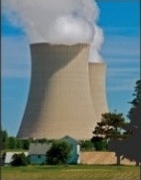
「ちょっと日本では考えられない…」。日本の電力関係者が驚く事件が今年8月25日、韓国の原発施設で発生した。韓国南部、釜山郊外にある6基の原発を操作する施設が、豪雨により停電し、約23時間にわたりほぼ機能を停止していたというのだ。

原発を運営する韓国水力原子力(韓水原)によると、釜山郊外の古里1~4号機と新古里1、2号機の運転を操作する同社の本部建物が、豪雨で地下の配電盤が水に漬かったため、同月25日午後4時(日本時間同)に停電した。復旧したのは26日午後3時ごろだったという。

当時、原子炉5基が稼働中だったが、うち1基は蒸気を冷却する海水の取り入れ口から雨水が大量に入ったため運転を停止。残り4基は別の電源から電力供給を 受け運転を継続した。制御装置も機能したことから、韓水原は「安全性に問題はなかった」と説明しているという。しかし、地震や津波ではなく、「雨」で操作 施設が停止したことに衝撃が広がった。

(略)

だが、ひとたび原発事故が起これば、放射性物質の拡散など影響は国境を越えかねず、安全性は最も優先されなければならない。今年11月には古里原発 と隣接する新古里原発で放射性物質が外部に流出する重大事故が起きたとの想定で、日中韓が初めて一緒に原発事故の訓練を行ったほどだ。

韓国が経済的な理由で原発輸出を積極的に進めるのは勝手だが、安全意識の欠如や隠蔽体質までも輸出するのは許されない。

全文は雨で機能停止する韓国原発は大丈夫か…部品も偽造する安全意識、それでも世界に輸出される現実 

関連記事:

Posted in *English | Tagged , , , | 1 Comment

福島原発周辺地域の将来像、来夏メドに発表 復興庁  via 日本経済新聞

復興庁は19日、東京電力の福島第1原発事故で被害を受けた福島県の原発周辺12市町村の将来像を、来年夏をメドにつくると発表した。検討会を立ち上げ、2020年までをメドとするインフラ・住環境整備などの課題や、30~40年後を見据えた地域のあり方について提言する。広域的に地域の将来像を描く狙いだ。

 検討会は外部有識者8人で構成。日本学術会議の大西隆会長が座長を務め、福島県の内堀雅雄知事や山名元・京都大学原子炉実験所教授、大山健太郎アイリスオーヤマ社長らが参加する。23日に福島市で初会合を開く。

もっと読む。

Posted in *日本語 | Tagged , | Comments Off on 福島原発周辺地域の将来像、来夏メドに発表 復興庁  via 日本経済新聞

福島第1原発事故:元住民344人 東電に慰謝料求め提訴 via 毎日新聞

 東京電力福島第1原発事故によって避難生活を送っている福島県南相馬市小高区の元住民ら344人が19日、東京電力に慰謝料の支払いを求める訴訟を東京地裁に起こした。

 訴状によると、小高区は避難指示解除準備区域などに指定され、元住民らは今も避難生活を余儀なくされている。小高区では2世代や3世代で同居する世帯が多く、「避難生活の長期化で家族離散の状況が発生している」と主張。人口流出により地域で継承してきた民俗芸能や神事の継承も危機にひんしているとして、「古里が失われる損害」も訴えた。1人当たり1750万円の慰謝料のほか、避難指定が解除されてから3年経過するまで、月20万円を支払うよう求めている。
[…]

もっと読む。

Posted in *日本語 | Tagged , , | Comments Off on 福島第1原発事故:元住民344人 東電に慰謝料求め提訴 via 毎日新聞

福島第一4号機プール、最後の核燃料取り出し via 読売新聞

 東京電力は19日午前、福島第一原子力発電所4号機のプールに残る未使用核燃料の最後の取り出し作業を始めた。

 20日に完了する予定。

 2011年3月に東日本大震災が起きた際、4号機は定期検査中で、1535本(使用済み1331本、未使用204本)の燃料がプール内にあった。使用済み燃料は放射線量が高く、原発事故で損傷した4号機建屋内で保管を続けるのは危険があるため、東電は昨年11月から、全ての燃料を別の建物のプールに移す作業を進めていた。

もっと読む。

Posted in *日本語 | Tagged , | 2 Comments

NRC: DOE Does Not Meet Land Ownership, Water Rights Requirements for Yucca Mountain Site via Power

In the third part of a long-awaited safety evaluation report (SER) for the stalled Yucca Mountain permanent nuclear waste repository released today, the Nuclear Regulatory Commission (NRC) says the Department of Energy (DOE) fails to meet necessary requirements relating to ownership of land and water rights.

Volume 4 (Administrative and Programmatic Requirements) of the five-part SER, documents the NRC staff’s evaluation to determine whether the DOE’s research and development, and performance confirmation programs, as well as other administrative controls, systems, and programs, meet applicable NRC requirements.

It contains the staff’s finding that most administrative and programmatic requirements in NRC regulations are met, except for certain requirements relating to ownership of land and water rights,” the regulatory body explained in a statement on Dec. 18.

[…]

Two Parts Remain

The NRC in November 2013 directed staff to finish the long-delayed SER, the key technical document of the NRC’s review of the Yucca Mountain application. It is to be published in five volumes.

Volume 1 (General Information) was published in August 2010, and Volume 3 (Repository Safety After Permanent Closure) was issued this October. Volume 2 (Repository Safety Before Permanent Closure) and Volume 5 (License Specifications) will be published by the end of January 2015, as they are completed, the NRC said.

Read more at NRC: DOE Does Not Meet Land Ownership, Water Rights Requirements for Yucca Mountain Site 

Posted in *English | Tagged , , , | Comments Off on NRC: DOE Does Not Meet Land Ownership, Water Rights Requirements for Yucca Mountain Site via Power

Nuclear warning: Scotland’s radioactive emergency response under threat via RT

Scotland could become unable to respond quickly to nuclear emergencies if staff cuts go ahead at a radiation monitoring station, a source claims.

The Glasgow-based Centre for Radiation, Chemical and Environmental Hazards (CRCE) is the only facility capable of detecting and responding to radiation threats in Scotland.

It was the first laboratory in the UK to detect trace amounts of radioactive fallout following the meltdown at Japan’s Fukushima Daiichi nuclear power plant in 2011.

The monitoring station is funded by Public Health England, an agency within the UK’s Department of Health.

The former Head of Department at CRCE, Ron Wheelton, warned that proposed staff reductions would hamper Scotland’s ability to respond to a nuclear emergency.

Wheelton told the BBC: “Staff have been told Public Health England proposes to ‘disestablish’ 11 posts in the Scottish laboratory to cut costs.”

[…]

The warning over staff cuts comes a month after a fire at Scotland’s Dounreay nuclear plant resulted in the release of radiation into the atmosphere.

The Scottish National Party (SNP) made clear its intention to remove nuclear power and weapons from Scotland in the run up to the independence referendum in September.

With the SNP’s popularity growing in Scotland, the fallout from this timely caution may be felt most in the run up to the general election next May.

Read more at Nuclear warning: Scotland’s radioactive emergency response under threat
Posted in *English | Tagged , , , , , | Comments Off on Nuclear warning: Scotland’s radioactive emergency response under threat via RT

ベルギー、原発2基の閉鎖延期 via 福島民報

供給不安で

 【ブリュッセル共同】ベルギー政府は18日、40年の使用許可期限を来年に迎える北部ドール原発1、2号機の閉鎖時期を2025年まで10年延期する方針を決めた。原子力安全当局の同意が条件で、政府は電力会社に使用の継続を促す。

ベルギーは国内7基の原発を25年までに段階的に全廃することを法律で定めている。しかし今年、3基が予定外に停止し、厳冬となれば電力供給の不足で停電に陥る恐れが発生。10月発足の新連立政権は、安定供給を重視し決定した。

Posted in *English | Tagged , , | Comments Off on ベルギー、原発2基の閉鎖延期 via 福島民報

Why We Should Preserve the History of the Manhattan Project via Huffpost

The Manhattan Project, the secret research mission to develop an atomic weapon ahead of Germany and bring an end to World War II, was one of the 20th century’s most ambitious feats of science and engineering. And, it also proved to be one of the darkest moments.

In many respects, the Manhattan Project ushered in the modern era of war. The creation and use of these early weapons of mass destruction raised profound ethical questions, which today remain as challenging and urgent as in 1945.

As a nation, we need to grapple openly and objectively with the Manhattan Project’s complex legacy.To do so, a place for reflection, education and interpretation is needed. Legislation before Congress would establish the Manhattan Project National Historical Park, an assembly of three locations central to the development of the atomic bomb: Hanford, Wash., site of the first full-scale nuclear reactor; Oak Ridge, Tenn., home to the first uranium enrichment plant; and the laboratory and related sites at Los Alamos, N.M. The Los Alamos site is now featured in the WGN America television drama “Manhattan.”
[…]
Some critics of this legislation have expressed concern that the creation of the Manhattan Project National Park would somehow inappropriately celebrate the atomic bomb and the destruction of Hiroshima and Nagasaki at the close of World War II.

We believe the opposite to be true. Opening up and preserving these sites as a national park would provide an opportunity for Americans to consider the Manhattan Project in its full scope and complexity. It would encourage the sort of thoughtful reflection on the dangers of these weapons and consideration of the best way to avoid glorifying the bomb or using it in the future. Few events have affected as many aspects of American life as deeply as the Manhattan Project. It irrevocably altered the global standing of the United States and set the stage for the Cold War. It sparked innovations in medicine, science, and technology. And, of course, the deadly force of the atomic bomb humbled us all.

Read more.

See also Preserving Manhattan Project Sites

Posted in *English | Tagged , , , , , , , | 3 Comments

【告発スクープ】 “WHO「福島県でガン多発」報告書” 国と記者クラブが無視! ~誰も書けなかった福島原発事故の健康被害 【第3回 前編】~ via 宝島

ガンのアウトブレイクに備えよ――汚染地域に暮らしていた(もしくは暮らし続けている)若年層における甲状腺ガン、白血病、乳ガン、固形ガンの多発を予測するWHO報告書はなぜ無視され続けるのか? (前編)

■日本の「専門家」はなぜWHO報告書を嫌った?
10月20日、環境省が所管する「東京電力福島第一原子力発電所事故に伴う住民の健康管理のあり方に関する専門家会議」(以下、専門家会議)の第12回会議が東京・港区で開かれた。
この日、専門家会議は、世界保健機関(WHO)と原子放射線の影響に関する国連科学委員会(UNSCEAR)の2つの国際機関から出されていた線量評価報告書のうち、
「福島での被曝によるガンの増加は予想されない」
というUNSCEAR報告書のほうが「より信頼性が高い」として絶賛。そして、
●福島第一原発事故の被曝線量はチェルノブイリ原発事故よりもはるかに少ない
●懸念されるのは甲状腺(こうじょうせん)ガンだけであり、そのリスクも疫学的にかろうじて増加するかどうかという程度
としたUNSCEARの健康リスク評価について「同意する」と表明した。これぞ“我が意を得たり”ということのようだ。
一方、WHOの健康リスク評価に対しては、昨年2月の同報告書公表以来、専門家会議は「過大評価の可能性がある」と敵視し続けてきた。そしてこの日、WHO報告書を事実上無視する構えを鮮明にしたのだった。
そのWHO報告書はこれまで、
「がん疾患の発症増加が確認される可能性は小さい」(『毎日新聞』2013年2月28日)
「大半の福島県民では、がんが明らかに増える可能性は低いと結論付けた」(『朝日新聞』同年3月1日)
などと報じられてきた。報道を見る限り、UNSCEAR報告書の内容と大差はなく、専門家会議がそこまで嫌う理由が全くわからない。
そこで、WHO報告書の原文を取り寄せ、精読してみたところ、驚くべき「評価内容」が浮かび上がってきた。
■WHOは若年層での「ガン多発」を明言していた
WHOは昨年2月28日、東京電力・福島第一原発事故で被曝した福島県民たちには今後、健康面でどのようなリスクがあるのかを検証した『WHO健康リスク評価報告書』(注1)を発表していた。
英文で160ページ以上にも及ぶ同報告書では、ガンと白血病の発症リスクを詳細に評価。その結果、深刻な放射能汚染に晒(さら)された原発近隣地域の住民の間で、甲状腺ガンをはじめとしたガンが増加し、特に若い人たちの間でガンが多発すると明言している。
この報告書をまとめるにあたり、主な「評価対象」とされたのは、避難が遅れた浪江町と飯舘村の「計画的避難区域」に暮らしていた住民たちだ。
評価では、汚染地帯から避難するまでに4カ月かかったと仮定。他にも、汚染された福島県産の食材を食べ続けたと仮定するなど、過小評価を避けるための仮定を積み重ねたうえで、住民の推定被曝線量を弾き出している。
WHO報告書によると、多発が極めて顕著なのは小児(注2)甲状腺ガン。被災時に1歳だった女児の場合、浪江町では事故発生からの15年間で発症率は9 倍(被曝前の発症率0.004%→影響を考慮した発症率0.036%)に増え、飯舘村でも15年間で6倍(同0.004%→同0.024%)に増えると予 測した(同報告書64ページ。【図1】)。
もともと幼少期の甲状腺ガン発症率は非常に低い。従って、幼少期に被曝した場合のリスクを、原発事故発生からの15年間に絞って計算すると「小児甲状腺ガンと被曝との関係性がより明白になる」と、WHO報告書は言う。
ひょっとするとこの部分が、原発事故による健康被害は「ない」とする評価を続ける環境省や専門家会議の癇に障ったのかもしれない。
多発が予測されたのはそれだけではない。
小児甲状腺ガンほどではないにせよ、小児白血病も多発するという。被災時に1歳だった男児の場合、浪江町では事故発生からの15年間で発症率は1.8倍 (同0.03%→同0.055%)に増え、飯舘村では15年間で1.5倍(同0.03%→同0.044%)に増える。1歳女児の場合、浪江町では事故発生 からの15年間で発症率は1.6倍(同0.03%→同0.047%)に増え、飯舘村では15年間で1.3倍(同0.03%→同0.04%)に増える(同報 告書62ページ。【図2】)。
そして、乳ガンも増える。被災時に10歳だった女児の場合、浪江町では事故発生からの15年間で発症率は1.5倍(同0.01%→同0.015%)に増え、飯舘村では15年間で1.3倍(同0.01%→同0.013%)に増える(同報告書63ページ。【図3】)。
さらには、固形ガンも増える。被災時に1歳だった男児の場合、浪江町では事故発生からの15年間で発症率は1.14倍(同0.08%→同0.091%) に増え、飯舘村では15年間で1.08倍(同0.08%→同0.086%)に増える。1歳女児の場合、浪江町では事故発生からの15年間で発症率は 1.24倍(同0.08%→同0.099%)に増え、飯舘村では15年間で1.14倍(同0.08%→同0.091%)に増える(同報告書62~63ペー ジ。次ページ【図4】)。
つまり、福島県の若年層におけるガンは、甲状腺ガン、白血病、乳ガン、固形ガンの順に増加すると、WHO報告書では予測している。

(注1)同報告書の英語名は『Health risk assessment from the nuclear accident after the 2011 Great East Japan Earthquake and Tsunami』。URL はhttp://apps.who.int/iris/bitstream/10665/78218/1/9789241505130_eng.pdf?ua=1
(注2)本稿中の「小児」の定義は、0歳から16歳までとする。

(略)

福島第一原発の直近から避難してきた一般市民が被曝していることが判明し始めた2011年3月12日、放射線測定器で1万3000カウント(CPM。1分 ごとのカウント)以上を計測した人のすべてを「全身の除染が必要な被曝」とみなし、シャワーで体を洗い流していた。この日、全身の除染が必要とされた住民 は3人。そして翌3月13日、福島県は、原発の3キロメートル圏内から避難してきた19人にも放射性物質が付着していたと発表する。住民の被曝は22人と なった。
だが、翌3月14日、福島県は突然、除染基準を引き上げる。国が派遣したという「放射線専門家」の意見を聞き入れ、基準を7倍以上の「10万CPM以上」としたのだ。そしてこの日以降、「今日は何人の市民を除染」といった類いの情報が、報道から消えていた──。
コントロール不能に陥っていた原発から、事故発生からの数日間だけで77京ベクレル(77×10の16乗ベクレル)にも及ぶ放射能が漏れ出す中、防護服 もゴーグルも防塵マスクも着けずに避難していた彼らを評価に加えていないところが、この健康リスク評価における「過小評価」部分であり、最大の欠点でもあ る。人によっては、前掲の「発ガンリスク」以上の健康リスクを背負わされている恐れがある。
しかも、放射線被曝による健康被害はガンばかりではない。
甲状腺疾患(機能低下や良性結節など)や視覚障害(水晶体混濁や白内障など)、循環系疾患(心臓や脳血管の疾患)、生殖器官の機能不全、催奇性(さいき せい)リスク、遺伝子への影響、高線量の被曝に伴う急性放射線障害などもある。だが、これらの疾患は「発生の増加は予想されない」として、WHOの報告書 では詳細評価の対象外としていた(注3)。
つまり、専門家会議が危惧する「過大評価」どころか、その正反対の「過小評価」に陥っている懸念さえあるのだ。

全文は【告発スクープ】 “WHO「福島県でガン多発」報告書” 国と記者クラブが無視! ~誰も書けなかった福島原発事故の健康被害 【第3回 前編】

Posted in *English | Tagged , , , , , | Comments Off on 【告発スクープ】 “WHO「福島県でガン多発」報告書” 国と記者クラブが無視! ~誰も書けなかった福島原発事故の健康被害 【第3回 前編】~ via 宝島

Revealed: 20 nuclear shutdowns per year via HeraldScotland

Calls for review of sector as report reveals the unreliability of nuclear power. Exclusive by Rob Edwards, Environment Editor

The reactors of nuclear power stations across Britain have been shut down 20 times a year because of faults – prompting fears over safety and the UK’s energy supply.

An analysis for local authorities reveals that 15 reactors have had 62 unplanned shutdowns in the last three years. They have been hit by electrical, boiler and valve defects, fires, storms, vibrations and the discovery of tiny cracks.

The build-up of large amounts of seaweed has twice forced reactors at Torness in East Lothian to close, in May and November 2013. The seaweed clogs filters that are part of the plant’s vital seawater cooling system.

The analysis was carried out by the Edinburgh-based nuclear consultant Pete Roche for a 50-strong group of nuclear-free local authorities.

The councils are calling for an urgent review of whether nuclear power can be relied on to provide enough power over the winter, while raising concerns about safety.

The high rate of unplanned shutdowns “has to be of great concern to the public for our energy security over this winter and onwards,” said the group’s chair, Manchester Labour councillor Mark Hackett.

“I call upon the UK Government, the National Grid and the nuclear regulators to urgently review the safety issues around such a large number of unplanned shutdowns.

“The Government also has to prioritise alternatives over the next 12 months to ensure the unreliability of nuclear power does not lead to the lights going off around the country.”

[…]

A major cause of shutdowns is the age of reactors, which are more than 30 years old and “past their sell-by dates”, argued Roche. Nine of the UK’s 15 reactors have been operating longer than originally planned, he added.

Roche also accused the French state company that runs the reactors, EDF Energy, of failing to report their performance to nuclear industry publications. This was because their operating record was poor compared to other countries, he alleged.

Dr Richard Dixon, director of the environmental group Friends Of The Earth Scotland, welcomed Roche’s analysis. “Just like the big lie that nuclear electricity would be cheap, we now find that it’s not reliable either,” he said.

Posted in *English | Tagged , , , | Comments Off on Revealed: 20 nuclear shutdowns per year via HeraldScotland