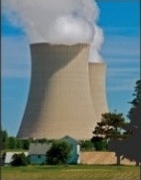
「福島原発“汚染水”海洋放出」で分かれる“米中”…「日本をかばう」米国、「訴訟」を示唆した中国via Wow!Korea (Yahoo!ニュースJapan)

「[…]

しかし 今回のことに対して、利害当事国である中国がすぐさま反発した。中国の官営英字紙“グローバルタイムズ”は「日本の原発汚染水の放流は、極めて無責任な行動だ」とし「しかし ほとんどの西欧のメディアは、数億人の健康に影響を及ぼす日本の決定に沈黙している」と指摘した。また 中国の専門家たちからの引用で「日本政府の決定により 各国により日本産海産物の輸入が中断され、外国人の日本訪問が減少するだけでなく、中国経済にもダメージを与えるだろう」と警告した。 一方 周辺国と共に日本に訴訟を起こす可能性も提起された。広東海洋大学の朱堅眞 元副総長は「中国は周辺国たちと力を合わせて 日本政府を相手に訴訟を起こし、決定の撤回や賠償を要求する可能性がある」と言及した。また「海洋は自浄能力を備えているが、今回の日本による原発汚染水の放流は全く異なる」とし「結局 東シナ海をはじめとした海洋と周辺国たちに、否定的な影響を及ぼす」と懸念した。 韓国政府もやはり日本の決定を非難し「周辺国の安全と海洋環境に危険を招くだけでなく、日本の最隣接国であるわが国と十分な協議および了解なしに行われた一方的な措置だ」と伝えている。

全文

Posted in *日本語 | Tagged , | 10 Comments

原発処理水にはトリチウム以外に12の核種が残留…「国民に事実を」と指摘したのは自民・原発推進派 via 日刊ゲンダイ(Yahoo!ニュースJapan)

[…]

自民党の「処理水等政策勉強会」の代表世話人・山本拓衆院議員がこう言う。 「断っておきますが、自分は原発推進派です。菅首相も支持しています。ただ、原発処理水に関する報道は、事実と異なることが多いので、国民に事実を伝えるべきだと思っています。東京電力が2020年12月24日に公表した資料によると、処理水を2次処理してもトリチウム以外に12の核種を除去できないことがわかっています。2次処理後も残る核種には、半減期が長いものも多く、ヨウ素129は約1570万年、セシウム135は約230万年、炭素14は約5700年です」  さらに「通常の原発でも海に流している」という報道も、誤解を招くという。 「ALPS処理水と、通常の原発排水は、まったく違うものです。ALPSでも処理できない核種のうち、11核種は通常の原発排水には含まれない核種です。通常の原発は、燃料棒は被膜に覆われ、冷却水が直接、燃料棒に触れることはありません。でも、福島第1原発は、むき出しの燃料棒に直接触れた水が発生している。処理水に含まれるのは、“事故由来の核種”です」(山本拓議員)  一度、海に捨てたら取り返しがつかない。

全文

Posted in *日本語 | Tagged , | 10 Comments

Fukushima 10 Years Later: Voices from the continuing nuclear disaster via PARC and FoE Japan

Ten years have passed since the March 11, 2011 Eastern Japan Earthquake and the accompanying explosive accident at Tokyo Electric Power Company (TEPCO)’s Fukushima Daiichi Nuclear Power Plant. The slogan of “recovery” feels empty for many people who suffered and are still struggling with the unending impacts of the nuclear disaster. The nuclear accident has impacted many people’s lives and livelihoods in various ways. The government’s evacuation-and-return policies have caused schisms and pain. The decommissioning work at the site has created a huge amount of contaminated water and fisherfolk are deeply concerned with the government plan to release the radioactive water into the ocean. The government is nonetheless pushing for the restart of nuclear reactors nationwide. Based on interviews with victims scattered in exile, this documentary film poses critical questions about the nuclear energy policies and disaster responses.

Audio: Japanese
Subtitles: English

Supervisor: HOSOKAWA Komei
Director: MATSUMOTO Hikaru
Screenplay: MATSUMOTO Hikaru / MITSUTA Kanna / HOSOKAWA Komei
English subtitles: Ayako H. Kimura / Komei Hosokawa / Lonny Carlile / Meri Joyce

A joint production of Pacific Asia Resource Center (PARC) and FoE Japan

The original Japanese version is also available:
『終わりのない原子力災害―3.11東日本大震災から10年』
vimeo.com/ondemand/parc311

Watch trailer.

Posted in *English | Tagged | 14 Comments

柏崎刈羽原発、テロ対策不備で「運転禁止」命令 東電、早期再稼働不可能に via 東京新聞

 原子力規制委員会は14日、東京電力に柏崎刈羽原発(新潟県)の運転を事実上禁じる命令を出した。テロ対策設備の不備が長期間続いていたことへの措置で、期間は「事業者の自律的な改善が見込める状態」になるまで。改善策やテロ対策への姿勢を調べる追加検査は1年以上かかる見通し。東電が経営再建の柱とした早期再稼働は不可能となり、計画の見直しが避けられなくなった。(小川慎一)

[…]

◆規制委員長「前例ない処分と受け止めを」

 更田豊志委員長は14日の定例会見で「運転停止命令は1年以内と決まっているが、(今回は)期限がない。前例のない処分を受けたことを、東電は受け止めてもらいたい」と話した。 テロ対策設備の不備は、規制委の2月下旬の検査で判明。2020年3月~21年2月、侵入検知装置が16カ所で故障し、うち10カ所は代わりの対応も不十分で、侵入を検知できない状態が30日間を超えて続いていた。今年1月には、男性社員が同僚のIDカードを無断で持ち出し、原発の心臓部である中央制御室に不正に入室していたことが判明した。 規制委は3月、セキュリティー上「最も深刻な事態」と判断し、核防護不備のレベルを4段階で最悪の「赤」と評価。核燃料に使われるウランやプルトニウムはテロリストに悪用される危険があり、法律で防護措置が義務付けられている。【関連記事】質問4時間、あいまい答弁に終始…東京電力・小早川社長、テロ対策不備巡る不祥事謝罪

全文

Posted in *日本語 | Tagged | 10 Comments

国際海洋法裁への提訴検討 原発処理水で「大きな懸念」 韓国大統領 via Jiji.com (Yahoo!ニュースJapan)

 【ソウル時事】韓国の文在寅大統領は14日、日本政府が原発処理水の海洋放出方針を決定したことを受け、放出差し止めに向けた暫定措置も含め、国際海洋法裁判所(ドイツ・ハンブルク)への提訴を検討するよう指示した。

大統領府が内部会議での発言を公表した。  

この後、2月に着任した相星孝一駐韓大使から信任状を受け取った席で文大統領は「地理的に最も近く海を共有している韓国の懸念は非常に大きい」と表明し、「本国にしっかり伝達してほしい」と述べた。[…]

大統領への信任状提出の場では儀礼的な発言が普通で、今回はドミニカ共和国、ラトビアの新任大使も同席していた。大統領府関係者は文大統領の発言について「こうした場での発言としては極めて異例だ」と語った。 

全文

Posted in *日本語 | Tagged , | 10 Comments

Statement: We strongly condemn the decision by the Japanese government to release contaminated water into the ocean via FoE Japan

Today, at a Cabinet meeting, the Japanese government decided to discharge so-called ALPS (Advanced Liquid Processing System) treated water stored in tanks at the site of the Fukushima Daiichi Nuclear Power Plant into the ocean. There have been no public briefings or hearings since the ALPS subcommittee’s report was released back in February 2020. There were proposals for solidified mortar and stable storage in large robust tanks used for storing oil, but such alternatives were not considered or discussed at all. The decision was made through a highly undemocratic process, ignoring many voices of opposition and concern both at home and abroad, including those in the fishing industry. We strongly condemn this decision.

1.Total amount of radioactive material contained in the water is unknown
The water in the tank contains about 860 trillion becquerels of tritium. In addition, about 1,200 trillion becquerels are estimated to remain in the reactor building and inside the reactor.

Not only tritium but also radioactive materials such as cesium 134, cesium 137, strontium 90 and iodine 129 remained, and the total concentration ratio of 1 was exceeded in about 70% of the water1. It was reported by Kyodo News for the first time in 2018 that radioactive materials other than tritium remained in the reactor2. Until then, the Tokyo Electric Power Company (TEPCO) had said that all radioactive materials other than tritium would be removed and that they would fall below the standards.

At present, TEPCO says that radioactive materials other than tritium will be made “lower than standard by secondary treatment” but it has not indicated what kind of and how much radioactive materials will remain in the water after the secondary treatment.

The government plans to release 22 trillion becquerels of tritium per year into the ocean. Before the nuclear accident, the amount of tritium released into the ocean from the Fukushima Daiichi Nuclear Power Plant was 1.5 ~ 2 trillion becquerels per year3. That means releasing about 10 times that amount of tritium into the ocean for several 10 years.

TEPCO says it will limit the amount of radioactive materials in treated water to 1,500 becquerels per liter when discharged into the sea. Some media are calling this “a release of treated water diluted to 1/40 of standard” but this is very misleading. 60,000 Becquerel/liter is the standard for tritium alone.

At the Fukushima Daiichi Nuclear Power Plant, when determining tritium concentrations in wastewater from groundwater, etc., contamination from other sources such as facilities on the site were taken into consideration in order to achieve an annual additional dose of 1 millisievert, which is the legal standard within the site, and other nuclides contained in the wastewater were also taken into consideration, and the level was set at 1,500 becquerels/liter. In other words, it should be noted that 1,500 becquerels per liter was just a regulatory requirement.

2. Alternatives never discussed or taken into account
The Citizens’ Commission on Nuclear Energy, some of whose members are engineers and researchers, proposed large tank storage and the mortar solidification, and submitted that to the Ministry of Economy, Trade and Industry. These were not considered at all, despite the fact that these measures were well documented and have strong track records.

The “large tank storage plan ” is a plan to build a large tank with a dome roof and a water-sealed vent. As for the construction site, there is an area that had been spared for reactor No. 7 and No. 8 on the site of the Fukushima Daiichi nuclear power plant and a dump site. Large tanks are used for oil stock and other purposes.

If a dome roof option is adopted, there is no need to worry about rainwater contamination. The installation of the dike is also included. The “Mortar Solidification Plan” is a method used for the disposal of contaminated water at the Savannah River Nuclear Facility in the United States. The contaminated water is mortar made of cement and sand and stored in a semi-underground condition.

The report by the ALPS subcommittee only contained TEPCO’s unilateral denial of the large tank storage plan. In the process, no hearings were conducted with the Nuclear Citizens’ Committee that made the proposal.

3. Breaking the promise with fishery communities
Since immediately after the accident, local fishermen have suffered from the intentional and unintentional discharge of contaminated water by TEPCO. In April 2011, TEPCO released 10,000 tons of contaminated water as an emergency measure. At that time, there was no consultation with the fishermen, and the National Federation of Fisheries Co-operative Associations strongly protested against TEPCO.

In 2013, TEPCO announced that highly radioactive water continued to flow out of the plant’s premises. In 2015, when the Fukushima Prefectural Federation of Fisheries Associations was forced to agree to discharge water from groundwater bypasses and sub-drains into the ocean, TEPCO promised that it would not dispose of the ALPS-treated contaminated water stored in tanks without the understanding of relevant parties4. Releasing the contaminated water into the sea would break this promise.
Local and national fishers have repeatedly expressed opposition.

Mr.Nozaki, head of the Fukushima Prefecture Federation of Fisheries Cooperative Associations, strongly opposes the idea, saying, “We are strongly opposed to the discharge [of contaminated water] into the sea from the viewpoint of we fishing communities fishing fishes and shellfishes grown in the ocean as a regular business, and demand strict management using storage on land by tanks etc.”.

Fishermen in Fukushima are not the only ones who oppose the idea of discharge into the sea. In February 2020, the Ibaraki Federation of Coastal Fisheries Cooperative Associations also requested that contaminated water not be discharged into the sea. The Miyagi prefectural fisheries federation has also expressed its opposition to the release of the radioactive waste into the sea. In a survey conducted by Friends of the Earth Japan to fisheries cooperatives in the six prefectures of Iwate, Miyagi, Fukushima, Ibaraki, Chiba, and Tokyo, almost all cooperatives were opposed to the idea of ocean discharge5.

On June 23, 2020, the National Federation of Fisheries Co-operative Associations unanimously adopted a special resolution against the release of contaminated water into the sea.

A fisherman told us, “Little by little, progress has been made toward the restoration of fisheries. We cannot regain our competitiveness unless we improve the sea in Fukushima. No matter how much it is purified, it contains radioactivity. I oppose the release of it into the ocean”. The government should listen to these fishermen.

4. Undemocratic decision-making process
Since the subcommittee compiled the report, the ministry has not held public briefings or public hearings on its content.
Instead of holding public hearings, the ministry has held seven meetings since April 2020 in Fukushima and Tokyo to hear opinions from representatives of industry groups and local governments of its choice. The meetings were attended by senior vice ministers from the ministries, with the heads of local governments and representatives of organizations, who had been briefed by METI in advance, expressing their opinions one by one, and with little question and answer.

Of the 44 people who spoke, 43 were men. As a result, the voices of women and young people were not heard. Even at such a formal hearing, not only the Fukushima Prefecture Fishery Federation but also the Fukushima Prefecture Federation of Forestry Cooperatives and the Fukushima Prefecture Federation of Agricultural Cooperatives expressed their opposition to the release into the sea and into the air. In other words, local primary industry groups all opposed.

5. Open and transparent discussion needed
The government and media have downplayed the impact of the release of ALPS-treated water into the ocean by limiting it to “harmful rumors” or fuhyohigai. However, the release of treated contaminated water into the ocean is the release of radioactive material into the environment. The nuclear accident was a man-made disaster, and the government and TEPCO have responsibility for the accident. The government’s approach of emphasizing only “harmful rumors” makes people who point out the effects and risks of ocean discharges appear as if they were the perpetrators, thus shutting down the sound discussions.

It’s not too late now. The government should disclose the information on the total amount of radioactive material contained in the treated contaminated water and conduct an open review and discussion of alternatives and risks.

Footnotes:
1. The total of the actual concentration of each radioactive material divided by the notified concentration limit shall be less than 1.
2. Kyodo News “Treated water at Fukushima nuclear plant has radioactive substances”August 19th 2018
3. According to the Nuclear Regulation Authority’s “Report on Radiation Control for Nuclear Facilities in FY 2015”, the amount of tritium released from the Fukushima Dai-ichi NPS (Becquerel/year) is as follows.
2006 Approx. 2.6 Trillion
2007 Approx. 1.4Trillion
2008 Approx. 1.6Trillion
2009 Approx. 2.0Trillion
2010 Approx. 2.2Trillion
Prior to the nuclear accident, radioactive materials other than tritium from the Fukushima Dai-ichi NPS were N.D. [not detected]
4. TEPCO “東京電力(株)福島第一原子力発電所のサブドレン水等の排水に対する要望書に対する回答について (Response to the request [submitted by Fukushima Fisheries Cooperative Association])” August 25th 2015
5. FoE Japan “What do the fisheries cooperatives say about ocean dumping of contaminated water” https://311mieruka.jp/info/en/mieruka-facts/fact-16/ (Survey result was originally released May 2020)

End.

Other related materials:
FAQ on so-called Treated water
★Interview video of fishing communities in Fukushima:

Source

Posted in *English | Tagged , , | 15 Comments

Why Nuclear Power Slows Action on Climate Change: Talking Points #1 via Beyond Nuclear

An analysis by Amory B. Lovins

Our new series of Talking Points begins with Amory Lovins’ work on carbon emissions + time + cost which, taken together, eliminate nuclear power as useful in addressing climate change

All this is argued effectively — and laid out simply —in the first of our series of Talking Points — a double-sided single page handout called Why nuclear power slows action on climate change. 

We’ll be doing a series of these Talking Points, on different topics, drawn from the many excellent studies and reports out there, but which are sometimes a lot to take on board. However, when condensed down, they can provide a useful, empirically-supported script for our work, whether writing opeds or letters to the editor, educating and lobbying our elected officials, or doing media outreach. (If you’d like to support future such Talking Points, we gratefully accept donations to help pay for them.)

[…]

Last September, we ran a shortened version of Lovins’s original, longer Forbes article, laying out the key points against using nuclear power to address climate change. But we still felt we needed something even shorter and handier. We continually confront the hollow arguments of the pro-nuclear lobby, or hear them on the air as we did recently on NPR. Their statements sound deceptively compelling, even as they parse the truth and scratch no deeper than superficial, but palatable-sounding, illusions.

The nugget of Lovins’s argument is that expensive and slow energy options will inevitably save less carbon than faster, cheaper ones. While the nuclear industry centers its advocacy around the “low-carbon emissions” assertion— which is only justified if you ignore the entire fuel chain and look only at the generation phase — that facet is irrelevant as soon as you factor in time and cost.

In fact, the nuclear industry and/or its boosters, sometimes even call nuclear power “zero carbon” which is more than stretching the truth.  And they completely ignore those other, inconvenient emissions — radioactive isotopes.

[…]

In fact, as Lovins says on our Talking Points handout. “Building new reactors, or operating most existing ones, makes climate change worse.”

Our elected officials need to know this and hear this and understand this. And then act. Only we can ensure they do. Please download and distribute Why nuclear power slows action on climate change. And watch for new Talking Points to come in the ensuing months.

[…]

Read more.

Posted in *English | Tagged , , , | 19 Comments

【121カ月目の汚染水はいま】「安易な海洋放出許されぬ」 福島駅前で若者主催の緊急街宣 学者も生産者も軒並み反対 「海洋放出以外の選択肢ある」via民の声新聞

海洋放出反対の声が止まらない。12日夜には、福島県内の10代から30代の若者有志でつくる「DAPPE」(Democracy Action to Protect Peace and Equality=平和と平等を守る民主主義アクション)がJR福島駅前で緊急街宣を行い、〝原発汚染水〟を海に流さないよう訴えた。いよいよ13日12時半、梶山弘志経産大臣が福島県庁を訪れ、内堀雅雄知事に海洋放出決定を伝えるもよう。放射性物質による海洋汚染はもはや福島だけの問題では無い。当日は党派や団体の垣根を越えて市民が福島県庁に集まり、反対の声を直接、梶山大臣にぶつける。

【「海洋水は地球規模で循環」】
 専門的な立場から汚染水の海洋放出に反対しているのは柴崎直明さん(福島大学共生システム理工学類教授)。「安易な海洋放出は許されるわけでは無いと思います。やはり抜本的な地下水流入対策をやってくださいと言いたいです。それを真面目にやらずに水がたまったから海洋放出するというのは、あまりにも安易な考え方だと思います」とマイクを握った。
 「私の専門は地下水や地質学です。福島県の『原子力発電所の廃炉に関する安全監視協議会』専門委員を2013年から務めています。主に地下水に関係して廃炉作業が安全に進められるかどうかという事で委員に加わっていますが、ご存じのように2013年から汚染水の問題が顕在化して、東電や国の対応が後手後手に回って今に至っているというのが率直な感想です」
 「今でも地下水の流入は続いています。当初の400トンとか500トンとか言っていた量からは減りましたが、それでも10年経っても140トンも建屋に入っている。しかも、あくまで平均値です。7月のように雨が降れば、一週間の平均値で1日あたり300トンを超えます。今年も梅雨や台風のシーズンになったら、どれだけ汚染水が増えるのか…」
 「そもそも地下水の流入を止められないところに根本的な問題があるのです。東電や国が汚染水対策を考える時に、地下地盤や地下水の様子をきちんと把握していなかった。調査もしないままゼネコンの意向も受けて、300億円以上もかけて凍土壁を造った。それなのに、今でも1日あたり平均200トンもの水があの凍土壁を通過しているというデータを東電自らが出しています。抜本的な地下水対策はやっていません。雨水流入対策ばかりをやっていて、雨が降らなくても入り込む地下水流入対策は何もやっていないというのが実情です」
 1年生160人を相手に「地球科学」という授業をしてきたばかりという柴崎教授。「福島県沖は親潮と黒潮がぶつかるところで、大変良好な漁場です。ところが汚染水が放出されるとその後の潮の動きが大変複雑になる」と懸念を口にした。
 「海洋の水というのは何も太平洋の中だけ、日本近海だけにとどまっている事は無くて、地球規模での海洋水の大循環が分かって来ています。2000年くらいで地球をぐるっとひと回りするのです。放射性物質だけでは無く、マイクロプラスチックなど人類が出したごみが遠く離れた海、海洋の底にも沈んでいるのが続々と見つかっています。安易な海洋放出は許されるわけでは無いと思います」

[…]

【「原発構内にタンク敷地ある」】
 「最大の風評被害対策は、汚染水を海に流さない事です。私たちは汚染水の海洋放出に断固抗議・反対致します」
 福島県農民連事務局長の佐々木健洋さんは語気を強めた。
 「福島県の農業被害は『風評被害』と言われていますが、私たちは原発事故による『実害』だと考えています。残念ながら福島県の農地は放射能で汚染されました。現在、流通している農産物は検査で基準値以下であり検出限界未満であり、安心して食べていただく事が出来ます。ただそれでも、汚染された農地でつくられた農産物を避けたいという気持ちも理解出来ます。そういう消費者だって被害者の1人です。原発事故以降、他県の農産物に切り換えられたスーパーの陳列棚をもう一度取り戻すには大変な努力が要ります。その努力を続けてきた10年であるとも言えます」
 「東電は来秋までに汚染水を保管しているタンクが満杯になり、それが廃炉作業に支障をきたすとしています。本当にそうでしょうか。原発構内北側には広大な用地があり、ここに原油などを入れる大型タンクを設置すれば50年近く保管する事が出来ます。長期間保管する事によって放射能の減衰も期待出来ます。政府は以前から言っていました。『世界の英知を結集するべきである』。まさにそれが求められているのではないでしょうか。不祥事を続ける東電の言う事を唯々諾々と聞き、海洋放出を認める事は出来ません。海洋放出以外の選択肢もあるのです」
 武藤類子さん(ひだんれん共同代表)も「原発事故を起こした東電や国が汚染水が完全に安全になるまで保管・管理すべき。なぜ海に流すのか。許しがたい」と訴えた。
 「汚染水はなぜ生まれたのでしょうか。原発事故が起きたからなのです。菅総理は『福島の復興のために避けて通れない』と言いました。しかし、私たちが望んでいる『復興』というのは、多くの県民、多くの被害者の声を無視してふるさとの海に放射性物質をさらに流す事なのでしょうか。10年間かけて必死の努力で再開を目指してきた漁業者たちの声を無視して、さらに海を汚そうとする。それが本当に『復興』なのでしょうか。信じがたいです」
 「薄めて海に流すと言っていますが、年間22兆ベクレルの放射性物質を40年間も流すのです。それは運転中の原発から流される放射性物質の20倍です。海は私たちだけのものではありません。世界につがなっています。原発事故によって大量の放射性物質が既に海に流れています。それは『テラ』の単位なのです。これ以上、大切な海を汚してはいけません」

[…]

全文

Posted in *日本語 | Tagged , , | 10 Comments

Kate Brown : « Nous n’avons tiré aucune leçon de Tchernobyl » via AOC

Par Raphael Bourgois

Dans sa version originale, le nouvel ouvrage de Kate Brown, Tchernobyl par la preuve : vivre avec le désastre et après (paru en mars aux éditions Actes Sud), s’intitule Manual for Survival: A Chernobyl Guide to the Future (W. W. Norton & Company, 2019), un manuel et un guide donc pour survivre dans un monde marqué par la catastrophe nucléaire.

[…]

Il y avait donc une conscience locale de la gravité des conséquences sanitaires malgré les discours officiels ?
Les responsables locaux, inquiets, commençaient à voir grimper la fréquence des maladies que je viens de citer, et ne sachant pas ce qui se passait, ils ont rédigé des rapports en 1988. Lorsque ceux-ci ont été transmis à l’échelon supérieur, le chef de l’oblast a eu des décisions difficiles à prendre, car les résidents de l’URSS étaient soumis à la propagande selon laquelle leur nation était de plus en plus heureuse et en meilleure santé chaque jour, chaque année. La communication de mauvaises nouvelles étant fortement déconseillée, les responsables de la santé publique ont décidé de « faire le ménage », c’est-à-dire d’enjoliver les résultats des dossiers avant de les remettre à l’échelon supérieur. Même chose au niveau gouvernemental : les fonctionnaires du ministère de la Santé de l’Ukraine ont fait en sorte que les dossiers soient modérés avant de les envoyer à Moscou. 

[…]

Tout s’est précipité en 1989 lorsque les cartes de radiation ont été publiées. Les médecins ont soudain réalisé que, depuis trois ans, ils vivaient dans une terre tout aussi contaminée que celle située juste à côté de la centrale de Tchernobyl, et que, à cette lumière, leurs données de santé n’étaient absolument pas étonnantes. C’est là que le chaos s’est installé. Les ministères de la Santé de Biélorussie puis d’Ukraine ont déclaré officiellement l’existence d’une catastrophe de santé publique. Ils ont entrepris deux choses : premièrement, il a fallu déplacer deux cent mille personnes supplémentaires – c’est-à-dire en plus des cent vingt mille personnes déplacées juste après l’accident – des zones hautement contaminées qui l’étaient tout autant que celle de Tchernobyl. Deuxièmement, ils ont planifié une étude sanitaire à long terme similaire à celles réalisées à Hiroshima et à Nagasaki sur les survivants des bombardements, mais en tenant compte du fait que les habitants n’avaient pas seulement été exposés à une large et courte dose de rayons (comme dans le cas des bombes atomiques), mais aussi à des doses chroniques de radiation sur une longue période.

[…]

Qu’est-ce qui vous fait croire qu’une petite quantité de radioactivité est plus dangereuse qu’on ne le pense ?
Parce que ceux qui prétendent le contraire négligent le fait que les expositions puissent être éloignées du point de contamination dans le temps et dans l’espace. Il faut tenir compte de la météo qu’il faisait à l’époque, de la nature et des lieux des cultures alimentaires et du déplacement de ces aliments d’un lieu à l’autre par les humains. Dans les endroits qu’ils savaient hautement radioactifs, les fonctionnaires payaient les agriculteurs pour qu’ils ne produisent pas de nourriture et qu’ils achètent des aliments « propres » dans les magasins. Mais ces fermiers ont pris l’argent, et sont allés vendre leur propre production sur les marchés un peu plus loin ! La nourriture contaminée était donc consommée par les acheteurs dans un autre lieu. […]

Mais je suis convaincue qu’il y a suffisamment de preuves dans ces archives pour qu’une véritable étude épidémiologique puisse être réalisée, au-delà de ma seule évaluation. L’analyse de ces documents serait très précieuse, car aujourd’hui nous n’avons toujours que peu d’informations sur les conséquences du nucléaire.

Cinq années se sont écoulées après le bombardement de Hiroshima avant que les études de la Commission des victimes de la bombe atomique ne commencent. Jusqu’à la catastrophe de Tchernobyl, il n’existait donc pas de dossiers sur les suites d’un événement nucléaire aussi important durant les cinq années qui l’ont suivi. Mais ici, les Soviétiques ont constitué une base de données sur les aliments contaminés, sur l’effet des radiations sur le corps humain et sur les problèmes de santé à long terme. Toutes ces informations sont là pour être corrélées – et c’est ce que j’ai fait avec le concours de mes deux assistants de recherche. Nous avons constaté une augmentation de la fréquence des maladies. Prenons l’exemple des enfants : en 1986, 80 % des enfants d’un raïon étaient considérés comme sains, tandis que 10 à 20 % souffraient d’une ou de plusieurs maladies chroniques. En 1989, les chiffres s’inversent : 80 % ont une maladie chronique et seulement 10 à 20 % sont considérés comme sains. Les enfants, en effet, sont plus vulnérables aux radiations. Leur corps est en pleine croissance et leurs cellules se reproduisent rapidement.

[…]

 Je pense que c’est pour cela que Tchernobyl est un scandale bien plus grand que qu’on ne le dit. Ce n’était pas seulement une opération d’occultation soviétique, mais bien une initiative internationale. Et c’est pourquoi c’est si important pour nous aujourd’hui de nous pencher encore sur cette catastrophe.

[…]

Tout d’abord, l’AIEA, dont la mission est de promouvoir le nucléaire, craignait pour l’avenir de cette énergie. Tchernobyl était devenu un sujet qui effrayait le monde entier. Le ministère américain de l’énergie, qui gère les affaires nucléaires, a organisé une conférence de spécialistes en radioprotection à Washington, D.C., un an après Tchernobyl, en 1987. Au cours de celle-ci, un fonctionnaire du ministère a déclaré à ces scientifiques que la plus grande menace pour l’énergie nucléaire et son avenir n’était pas un autre accident comme Tchernobyl ou Three Mile Island, mais les poursuites judiciaires qui pourraient en découler. Ce qui se passait à l’époque, alors que la Guerre Froide touchait à sa fin, était que les archives étaient en train d’être déclassifiées et que des gens dans le monde entier apprenaient qu’ils avaient été exposés à des radiations lors de la production ou des essais d’armes nucléaires. Les États-Unis, la Russie, la France, le Royaume-Uni – les grandes puissances de l’ONU, qui sont également les grandes puissances nucléaires mondiales – se sont soudainement retrouvées confrontées à l’éventualité de devoir payer des milliards de dollars en dommages et intérêts pour avoir exposé des millions de personnes à leurs expérimentations atomiques. Ainsi, si l’on pouvait prétendre que Tchernobyl, le pire accident nucléaire de l’histoire de l’humanité, n’avait fait que 33 morts, c’était une façon de tuer dans l’œuf ces poursuites. C’est exactement ce qui s’est passé. Je pense que c’est pour cela que Tchernobyl est un scandale bien plus grand que qu’on ne le dit. Ce n’était pas seulement une opération d’occultation soviétique, mais bien une initiative internationale. Et c’est pourquoi c’est si important pour nous aujourd’hui de nous pencher encore sur cette catastrophe.

[…]

10 ans après Fukushima, il semble que le même schéma de déni et de non-dit se répète…
Oui, je pense que c’est ce que Fukushima nous montre : nous n’avons tiré aucune leçon de Tchernobyl. […]

Lire la suite

Posted in Français | Tagged , , , | Comments Off on Kate Brown : « Nous n’avons tiré aucune leçon de Tchernobyl » via AOC

Opposition Wins Elections In Greenland, Casting Doubt On Future Of Rare-Earth Mine via NPR (Portside)

Voters in Greenland have given an opposition party its first-ever chance to form a government after a campaign that sought to define the limits of development on the Arctic island.

[…]

At the center of Tuesday’s election was the fate of a rare-earth and uranium mining project in the country’s south that has pitted those favoring more aggressive development against others who want more safeguards to protect the island’s fragile Arctic environment.

[…]

Among other rare-earth metals, the Kvanefjeld project aims to tap into deposits of neodymium, an element used to create miniature permanent magnets that have become vital to a number of high-tech industries. The Australian company that runs the mine also wants to extract uranium. The project’s largest investor is a Chinese company.

[…]

Read more.

Posted in *English | Tagged , | 14 Comments