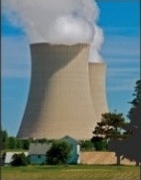
Why Small Modular Nuclear Reactors Won’t Help Counter the Climate Crisis via EWG

By Arjun Makhijani and M.V. Ramana

[…]

The nuclear industry and the U. S. Department of Energy are promoting the development of SMRs, supposedly to head off the most severe impacts of climate change. But are SMRs a practical and realistic technology for this purpose?

To answer, two factors are paramount to consider – time and cost. These factors can be used to divide SMRs into two broad categories:

  1. Light water reactors based on the same general technical and design principles as present-day power reactors in the U.S., which in theory could be certified and licensed with less complexity and difficulty.
  2. Designs that use a range of different fuel designs, such as solid balls moving through the reactor core like sand, or molten materials flowing through the core; moderators such as graphite; and coolants such as helium, liquid sodium or molten salts.

On both counts, the prospects for SMRs are poor. Here’s why.

[…]

Finally, SMRs will also produce many kinds of radioactive nuclear waste, because the reactors are smaller in physical size and because of refueling practices adopted for economic reasons. SMRs based on light water designs, such as NuScale, will also produce a larger mass of nuclear waste per MWh of electricity generated. The federal government is already paying billions of dollars in fines for not fulfilling its contractual obligations to take possession of spent fuel from existing reactors. The legislative plan in the 1982 Nuclear Waste Policy Act was for a deep geologic disposal repository to open in 1998. After nearly four decades, that plan has come to naught.

Conclusion

There is no realistic prospect that SMRs can make a significant dent in the need to transition rapidly to a carbon-free electricity system. The prospects of timely contributions by even the light water designs, with NuScale being the most advanced in schedule, are dismal. The prospects for reactors of other designs, like those with graphite fuels or sodium cooling, are even more so. 

It will be a tough road for SMRs to achieve cost parity with large reactors. And that cost will still be far too high. Two things are in critically short supply on the road to a climate-friendly energy system: time and money. An objective evaluation indicates that SMRs are poor on both counts. There is simply no realistic prospect for SMRs to play materially significant role in climate change mitigation. 

Posted in *English | Tagged , | 29 Comments

Could Ukraine’s nuclear industry face another Chernobyl? via Al Jazeera

Thirty-five years after the disaster, the nuclear industry is Ukraine’s most reliable economic lifeline. But critics say it faces a perennial crisis caused by corruption, safety problems and politicised decision-making.

By Mansur Mirovalev26 Apr 2021

Kyiv, Ukraine – The radioactive cloud that briefly hovered over most of Europe after the April 26, 1986 explosion at the Chernobyl nuclear power station had, after all, a silver lining, Petro Kotin says.

Thirty-five years after a botched security test caused the worst nuclear disaster in history, he is at the helm of Energoatom, a state-run consortium in charge of Ukraine’s four nuclear stations and their 15 reactors.

“We are unique because no other nation has the practical experience of overcoming such a disaster,” Kotin, who was appointed as Energoatom’s acting president in March 2020, told Al Jazeera in his office in central Kyiv.

The stations he manages generate half the electricity for the ex-Soviet nation of 43 million people, placing Ukraine on the list of the world’s top-10 nuclear energy producers.

[…]

After annexing Crimea in 2014, Moscow backed separatists in two southeastern provinces where most of Ukraine’s coal used for energy generation is mined. The Kremlin also spiked natural gas prices, hobbling Ukraine’s outdated, energy-inefficient industries and burdening average Ukrainians with hefty heating bills.

[…]

But domestic and international critics claim that the industry faces a perennial crisis caused by corruption; safety problems with ageing, worn reactors; disruption of ties with a Russian nuclear monopoly; and a politicised switch to US-made nuclear fuel.

Industry insiders, environmentalists and politicians claim that the construction of a spent fuel storage facility near the capital, Kyiv, and the proximity of Europe’s largest nuclear station in the southern city of Zaporizhzhia to Europe’s hottest armed conflict add to their concerns about the possibility of a nuclear incident, particularly in a nation that went through two popular uprisings since 2005 and lost a chunk of its territory to Russia.

[…]

Sounds simple. But uranium dioxide sealed in zirconium alloy tubes in the rods emits radiation that has to be contained in hermetically sealed reactors. Ukraine’s Soviet-designed rods are hexagonal, resembling bee cells, while Western-made rods are square.

The switch is far from simple – but necessary, because Rosatom, Russia’s nuclear monopoly that charged Ukraine hundreds of millions of dollars a year, is controlled by the Kremlin. And the Kremlin has a well-known proclivity to use energy supplies as a political cudgel.

In 2005, Ukraine’s first anti-Russian uprising, dubbed the Orange Revolution, installed a pro-Western government that immediately started looking for ways to wean the nuclear industry off the Russian fuel.

It chose Westinghouse Electric Company LLC, a Pittsburg-based nuclear energy giant. Some experts and politicians warned that Westinghouse-made fuel rods may unseal and potentially cause a reactor to melt.

“The switch to Westinghouse fuel is potentially dangerous,” Oskar Njaa, the Russia and Eastern Europe adviser for Bellona, a Norway-based nuclear industry monitor, told Al Jazeera.

In 2012, Westinghouse fuel rods had to be removed from the South Ukrainian power station after protective envelopes in two reactors were damaged.

Ukraine asked Rosatom for fuel and help – prompting Russian President Vladimir Putin to remark gloatingly that Rosatom experts had “to solve complex technical problems, take [the Westinghouse fuel] out and load the Russian fuel back in”.

Ukraine’s losses amounted to $175 million, Mikhail Gashev, Ukraine’s top nuclear safety inspector at the time, claimed – and banned the use of Westinghouse fuel.

[…]

Apart from the fuel, observers are also concerned about Ukraine’s ageing, worn reactors, 12 of which began operating in the 1980s and were supposed to be shut down in 2020. But Energoatom extended their lifespan spending hundreds of millions on each, thanks largely to loans from the European Union.

This is a common practice worldwide – the average lifespan of almost 100 nuclear reactors in the US is 40 years, and 88 have been approved for another 20 years. But some experts are worried about the safety measures and upgrades.

“What we witness every time a decision [to extend the lifespan] is made, some of the safety upgrades have either not been made or have not been made in full,” Iryna Holovko, the Ukraine coordinator for Bankwatch, a Prague-based environmentalist group, told Al Jazeera.

Bankwatch has for years been urging Ukraine to stop extending the lifespan of its “zombie reactors” without correcting “safety deviations” and detailed assessments of all the environmental risks for the people living around the stations and in neighbouring nations.

[…]

Read more.

Posted in *English | Tagged , , , , | Comments Off on Could Ukraine’s nuclear industry face another Chernobyl? via Al Jazeera

Ecology tracking Hanford waste tank leak via Department of Ecology, Washington State

HANFORD – 

The U.S. Department of Energy announced Thursday an underground radioactive and dangerous chemical waste storage tank at the Hanford Site in Southeast Washington is leaking.

The Washington state Department of Ecology’s Nuclear Waste Program, along with the U.S. Environmental Protection Agency, oversees Energy’s cleanup of Hanford.

“It’s a serious matter whenever a Hanford tank leaks its radioactive and dangerous chemical waste,” Ecology Director Laura Watson said. “Based on the information we have right now, the leak poses no immediate increased risk to workers or the public, but it adds to the ongoing environmental threat at Hanford.”

Tank B-109, which is at least 75 years old, is estimated to be leaking 3.5 gallons a day, or nearly 1,300 gallons per year.

Ecology has been concerned with this tank and tracking it for more than a year, when a formal leak assessment first began. B-109 is leaking into an area where other tanks have already leaked 200,000 gallons into the soil.

B-109 is miles away from the Columbia River, and the water table is 210-240 feet below the tank.

An estimated 1,700 gallons have leaked into the soil from B-109 dating back to March 2019.

Hanford tanks contain widely varying volumes of mixed waste (waste with both radioactive components and dangerous chemicals), each with a unique blend of constituents.

“This leak is adding to the estimated one million gallons of tank waste already in the soil across the Hanford site,” Watson said. “This highlights the critical need for resources to address Hanford’s aging tanks, which will continue to fail and leak over time.”

Ecology was notified about a year ago that Energy had started a formal leak assessment for B-109. At that time, Energy said the tank’s levels were decreasing but it was not sure why. Ecology has been tracking the situation and was notified Thursday (April 29), that Energy had determined that the tank is in fact leaking.

Ecology has authority under the Tri-Party Agreement, which governs the Hanford clean-up, to take immediate action in response to a leaking single-shell tank only if it is “necessary to abate an imminent and substantial endangerment to public health or welfare or the environment.” 

The state’s initial assessment is that, while any leak is a serious issue, there isn’t an imminent danger.

The next step is for Ecology to try to reach agreement with Energy about the best path forward. If the two agencies can’t agree, Ecology retains the authority to take an enforcement action and require specific actions to address the leak.


B-109 Background

Tank B-109 is part of the 12-tank B Farm, which is one of Hanford’s oldest tank farms and is co-located with the BX and BY tank farms. B-109 has an estimated 15,000 gallons of liquid waste as part of its total waste volume of about 123,000 gallons. An estimated 200,000 gallons of waste already has leaked from other tanks in the B-BX-BY tank farm complex.

B-109 began receiving waste in 1946 and was taken out of service in 1976. It was still full of waste at that time, but no further waste was added. The tank was interim stabilized and declared sound in 1985.

This tank received bismuth phosphate waste, evaporator slurry bottoms, Plutonium-Uranium Extraction Plant (PUREX) cladding waste, and B-Plant ion exchange waste.

Read more.

Posted in *English | Tagged | Comments Off on Ecology tracking Hanford waste tank leak via Department of Ecology, Washington State

Hanford nuclear waste tank may be leaking, U.S. officials say via KOMO

by NICHOLAS K. GERANIOS Associated Press

SPOKANE, Wash. (AP) — An underground nuclear waste storage tank in Washington state that dates to World War II appears to be leaking contaminated liquid into the ground, the U.S. Department of Energy said Thursday.

It’s the second tank believed to be leaking waste left from the production of plutonium for nuclear weapons at the Hanford Nuclear Reservation. The first was discovered in 2013. Many more of the 149 single-walled storage tanks at the site are suspected of leaking.

Tank B-109, the latest suspected of leaking, holds 123,000 gallons (465,000 liters) of radioactive waste. The giant tank was constructed during the Manhattan Project and received waste from Hanford operations between 1946 to 1976.

[…]

The tank had been previously emptied of pumpable liquids, leaving a small amount of liquid waste inside, the agency said. Systems in the area capture and remove contaminants that reach the groundwater and ensure the protection of the Columbia River, the agency said.

The leak from Tank B-109 was first suspected in March 2019, when there appeared to be a small drop in the level of its liquid waste. Monthly checks showed the level stable until July 2020, when another drop was detected, and the DOE launched an investigation.

Read more at Hanford nuclear waste tank may be leaking, U.S. officials say

Posted in *English | Tagged , , , | Comments Off on Hanford nuclear waste tank may be leaking, U.S. officials say via KOMO

中国はなぜ原発処理水の海洋放出に反対するのか、専門家が指摘する5つの理由 via Diamond Online

姫田小夏:ジャーナリスト

日本政府が4月13日に発表した「処理水の海洋放出」の決定は、中国にも波紋が広がった。中国の専門家らも反発の声を上げているが、中国の原発も放射性物質を排出している。それでも、なぜ日本の対応は不安視されているのか。複数のレポートから客観的にその不安の原因を探った。(ジャーナリスト 姫田小夏)

中国の専門家らも批判する5つの根拠

 福島第一原発におけるデブリの冷却などで発生した放射性物質を含む汚染水を処理し、2年後をめどに海洋放出するという決定を日本政府が発表した。これに、中国の一般市民から強い反対の声が上がった。

中国の原発も環境中にトリチウムを放出している。にもかかわらず、日本政府の決定には、中国の政策提言にも関わる専門家や技術者も声を上げた。その主な理由として、下記の要因を挙げている。(1) 10年前(2011年3月)の福島第一原発事故が、チェルノブイリ原発事故(1986年4月)に相当する「レベル7」の事故であること
(2) 排出される処理水が、通常の稼働下で排出される冷却水とは質が異なること
(3) 事故の翌年(2012年)に導入した多核種除去設備(ALPS)が万全ではなかったこと
(4) 日本政府と東京電力が情報やデータの公開が不十分であること
(5) 国内外の反対にもかかわらず、近隣諸国や国際社会と十分な協議もなく一方的に処分を決定したこと

 さらに、復旦大学の国際政治学者である沈逸教授はネット配信番組で、国際原子力機関(IAEA)が公表した2020年4月の報告書(*1)を取り上げた。

報告書によると、IAEAの評価チームは「『多核種除去設備等処理水の取扱いに関する小委員会(ALPS小委員会)』の報告は、十分に包括的な分析と科学的および技術的根拠に基づいていると考えている」としている。しかし、同教授は「それだけで、IAEAが処理水の海洋放出に対して“通行証”を与えたわけではない」とし、この報告書に記載されている次の点について注目した。

(略)

放射性物質の総量は依然不明のまま

 今回の処理水放出の発表をめぐっては、日本政府の説明もメディアの報道も、トリチウムの安全性に焦点を当てたものが多かった。東京電力はトリチウムについて「主に水として存在し、自然界や水道水のほか、私たちの体内にも存在する」という説明を行っている。

 原子力問題に取り組む認定NPO・原子力資料情報室の共同代表の伴英幸氏は、取材に対し「トリチウムの健康への影響がないとも、海洋放出が安全ともいえない」とコメントしている。その理由として、海洋放出した場合に環境中で生物体の中でトリチウムの蓄積が起き、さらに食物連鎖によって濃縮が起きる可能性があること、仮にトリチウムがDNAに取り込まれ、DNAが損傷した場合、将来的にがん細胞に進展する恐れがあること、潮の流れが複雑なため放出しても均一に拡散するとは限らないこと、などを挙げている(*2)。

(略)

ちなみに中国でも「人体に取り込まれたトリチウムがDNAを断裂させ、遺伝子変異を引き起こす」(国家衛生健康委員会が主管する専門媒体「中国放射能衛生」の掲載論文)ため、環境放射能モニタリングの重要な対象となっている。

 国際的な環境NGOのFoE Japanで事務局長を務める満田夏花さんは「トリチウムは規制の対象となる放射性物質であるにもかかわらず、日本政府は『ゆるキャラ』まで登場させ、処理水に対する議論を単純化させてしまいました」と語る。同時に、「私たちが最も気にするべきは『処理水には何がどれだけ含まれているか』であり、この部分の議論をもっと発展させるべき」だと指摘する。

「ALPS処理水には、除去しきれないまま残留している長寿命の放射性物質がある」とスクープしたのは共同通信社(2018年8月19日)だった。これは、東京電力が従来説明してきた「トリチウム以外の放射性物質は除去し、基準を下回る」との説明を覆すものとなった。

 このスクープを受けて東京電力は「セシウム134、セシウム137、ストロンチウム90、ヨウ素129などの放射性物質が残留し、タンク貯留水の約7割で告示濃度比総和1(*3)を上回っている」と修正し、「二次処理して、基準以下にする」という計画を打ち出した。

海洋放出以外の代替案が選ばれなかった理由

 一方、海洋放出以外の代替案には、(1)地層注入、(2)海洋放出、(3)水蒸気放出、(4)水素放出、(5)地下埋設、の5案が検討されていた。ALPS小委員会の報告書(2020年2月10日)は、それぞれが必要とする期間とコストを次のように説明している。(1)地層注入
          期間:104+20nカ月(n=実際の注入期間)+912カ月(減衰するまでの監視期間)
          コスト:180億円+6.5n億円(n=実際の注入期間)
(2)海洋放出 
    期間:91カ月(*5)
    コスト:34億円
(3)水蒸気放出 
    期間:120カ月
    コスト:349億円
(4)水素放出 
    期間:106カ月
    コスト:1000億円
(5)地下埋設
    期間:98カ月+912カ月(減衰するまでの監視期間)
    コスト:2431億円

(略)

日中の国民の利害は共通
環境問題と中国問題は切り離して

 対立する米中が気候変動でも協力姿勢を見せたこともあるのか、今回の取材では「中国に脅威を感じているが、海洋放出をめぐっては日本の国民と中国の国民は利害が共通する」という日本の市民の声も聞かれた。

全文は中国はなぜ原発処理水の海洋放出に反対するのか、専門家が指摘する5つの理由

Posted in *日本語 | Tagged , , , | 20 Comments

The 7 reasons why nuclear energy is not the answer to solve climate change via Heinrich Böll Stiftung Brussels

Analysis

New nuclear power costs about 5 times more than onshore wind power per kWh. Nuclear takes 5 to 17 years longer between planning and operation and produces on average 23 times the emissions per unit electricity generated. In addition, it creates risk and cost associated with weapons proliferation, meltdown, mining lung cancer, and waste risks. Clean, renewables avoid all such risks.26 April 2021 by Mark Z. Jacobson

[…]

1. Long Time Lag Between Planning and Operation

[…]

2. Cost

[…]

3. Weapons Proliferation Risk

[…]

4. Meltdown Risk

[…]

5. Mining Lung Cancer Risk

[…]

6. Carbon-Equivalent Emissions and Air Pollution

[…]

7. Waste Risk

[…]

Read more.

Read more.

Posted in *English | Tagged , , , | Comments Off on The 7 reasons why nuclear energy is not the answer to solve climate change via Heinrich Böll Stiftung Brussels

民間団体「原発処理水海洋放流はロンドン条約違反」…国際訴訟推進=韓国 via Wow!Korea

韓国で福島原発処理水の海洋放流を阻止するため、民間団体が国際訴訟を進めることが分かった。

29日、“福島原発汚染水海洋投棄阻止国際行動“は、訴訟を推進するために国際原告を募集すると明らかにした。

この団体は、原発処理水の海洋投棄を阻止するため、今月16日に緊急結成された。共同代表は、イム・ホ弁護士とパク・イルソン環境活動家が担当する。

団体は、日本の菅内閣の放射能処理水放流決定は、朝鮮半島をはじめ、ロシア、台湾、中国などに対する日本の低強度核戦争宣言だと規定した。

彼らはそれを防ぐために、日本、東京地方裁判所に訴状を提出することにした。

まず、韓国はもちろん、ロシア、アメリカ、台湾、中国、フィリピンなど現地国民を対象に訴状提出に参加する原告人を募集している。

原発処理水放流に反対する日本国民も積極的に募集し、訴訟の正当性を高める計画である。

(略)

国際行動は、訴訟を共にする原告人をはじめ、日本語・英語翻訳、弁護士、法律専門家、漁業関係者などの参加を呼びかけている。

パク・イルソン共同代表は「今回の訴訟は、第2独立運動であり、韓国、日本、台湾、中国の国民と未来の世代の命を守ること」とし「日本との戦いではなく、協力への道」と強調した。

これに先立ち、日本政府は今月13日に閣僚会議を開き、福島第一原発の水タンクに保管されている処理水125万トンを約30年かけて海に放流することを決定した。

韓国や中国はもちろん日本国内でも反対世論が圧倒的に高い状態である。

全文は民間団体「原発処理水海洋放流はロンドン条約違反」…国際訴訟推進=韓国

Posted in *日本語 | Tagged , | Comments Off on 民間団体「原発処理水海洋放流はロンドン条約違反」…国際訴訟推進=韓国 via Wow!Korea

Chernobyl captures imaginations, brings underground tourism 35 years after nuclear disaster via abc news

Nature has rebounded and it is now a home for rare species that had vanished.

ByYulia Drozd

KYIV — For the guide who sneaks people into the Chernobyl “Exclusion Zone,” the crucial moment is when you cross over the barbed wire fencing that marks its edge.

“You don’t know what might happen after. The police may arrest you, so you need to be fast,” said the guide who asked to be referred to only as “John” to avoid trouble with authorities. “The adrenaline is at a maximum level. In one step you’re in a forbidden zone, where humans don’t rule anymore.”

John is one of many so-called “Stalkers,” the name — taken from the 1979 Andrey Tarkovsky film — for illegal explorers of the 30 kilometer abandoned zone around the Chernobyl former nuclear power station. His group, Chornobylexplorer, is one of the agencies offering unauthorized tours of the zone that in 1986 was the scene of the world’s worst nuclear disaster.

At one time, the “Stalkers’’ attitude to Chernobyl were seen as unusual, but 35 years after the catastrophe, the site increasingly holds a different place in many Ukrainians’ imaginations. For some, it is becoming a place of inspiration and rebirth, and that now — in a strange irony — needs to be protected.

[…]

Ukraine is now pushing to obtain UNESCO World Heritage status for the ruined power station and the abandoned area around it and, In 2016, it designated the “Exclusion Zone” as a bio-reserve in acknowledgment of the flourishing wildlife sanctuary the area has become in the absence of humans.

“Chernobyl for me is light,” said Natalia Zhyzhchenko, a popular electro-folk singer in Ukraine who performs as “ONUKA” and who has written songs about the disaster. “For me it’s silence, peace and harmony of nature. It’s a period after the story of humans playing God. It’s the beginning of a new big era of eco-reflection, awareness of what we’ve done. It’s a lesson of a planetary scale,” said Zhyzhchenko, whose father worked as one of the liquidators sent in to contain the disaster.

[…]

John, the “Stalker” guide, began exploring the zone 10 years ago when he was unable to afford the expensive official bus tours. Now, he said, he sees no reason to take the official tours.

“The program of these routes hasn’t changed for 30 years,” he said. “Due to bureaucracy they are very limited — you can’t go inside the buildings since it’s prohibited. You observe the same places. It’s boring. My tours are for those who dare for more”.

His tours take up to five people on a group excursion for four to five days, camping in abandoned buildings and exploring sites formally off-limits to visitors. Those include an anti-aircraft missile system and sometimes the groups even climb a vast radar array, known by the acronym ‘DUGA’, that rises above the forest.

[…]

But despite authorities’ enthusiastic statements about the need to protect Chernobyl, last year they faced criticism for failing to act when huge wildfires burned across swathes of the “Exclusion Zone”, destroying several sites. Local guides blamed the scale of the fires on inaction from authorities who only finally dispatched hundreds of firefighters to the zone after alarm grew internationally.

Scientists believe the forest destroyed by the fires will rebound. The power station itself is due to be decommissioned in 2064, by which time much of the host city of Pripyat will also have crumbled away, the guides say.

For Zhyzhchenko, the singer, she said Chernobyl has an unending grip on her, saying the word itself “had a mystical aura”.

Read more at Chernobyl captures imaginations, brings underground tourism 35 years after nuclear disaster

Posted in *English | Tagged , , | Comments Off on Chernobyl captures imaginations, brings underground tourism 35 years after nuclear disaster via abc news

運転開始から40年超の原発の運転 福井県同意 関電が再稼働へ via NHK News Web

運転開始から40年を超えた関西電力の3基の原子力発電所について福井県の杉本知事は28日、運転の延長に同意する考えを表明しました。関西電力は準備が整った原発から再稼働させる考えで、福島第一原発の事故のあと40年を超えた原発の再稼働は全国で初めてとなります。

(略)

杉本知事は当初、議論を進める条件として原発にたまり続ける使用済み核燃料を県外に運び出す「中間貯蔵施設」の候補地の提示を関西電力に求めていましたが、選定は難航していて、候補地の確定は2023年末に先延ばしとなっています。

40年を超える原発をめぐっては、国は最大25億円を自治体に交付する新しい交付金制度を検討するなど活用を後押しする方針です。

長期運転の原発 収益性あがる場合は利用も

運転開始から年数がたった原発については、安全対策にコストがかかりますが、電力会社は長期に発電をすることで収益性があがる場合には利用を選択するケースがあります。

現在、原子力規制委員会の40年を超える運転の審査に申請し、合格した原発は、28日に福井県知事が再稼働に同意した関西電力の高浜原発1号機と2号機、美浜原発3号機のほか、茨城県にある日本原子力発電の東海第二原発の合わせて4基があります。

東海第二原発は、地震や津波に備えた対策工事が続いているほか、地元の同意が得られておらず、再稼働のめどはたっていません。

このほか、昭和59年(1984年)に運転を開始した鹿児島県にある九州電力の川内原発1号機や、昭和60年(1985年)に運転を開始した福井県にある関西電力の高浜原発3号機を含め、現時点で運転を開始してから30年を超えている原発は合わせて11基あります。

この11基についても、電力各社は今後、40年を超える運転延長の審査を申請するのか廃炉を選ぶのか評価して決めることになります。

(略)

原発事故の前の2011年1月に、福井県にある日本原子力発電の敦賀原発1号機が40年を超えて、40年と10か月運転をしたケースがあります。

原子力関連の企業で作る団体、日本原子力産業協会によりますと、原発をできるだけ長く運転しようという試みは海外で先行して行われていて、たとえばアメリカでは経年劣化の対策などを前提に、最長80年まで運転を認めています。

(略)

美浜町長「地域の事情くんだ意義ある判断」

原発が立地する美浜町の戸嶋秀樹町長は「半世紀にわたり国策に協力してきた地域の事情をくんだ意義のある判断だ。美浜原発3号機は、ほぼ10年停止しているので監視体制をしっかりと設けて安全に稼働してもらいたい」と述べたうえで「原子力全体の必要性を含めて、国民の理解が十分に浸透していない。立地としても努力は続けているが、国が前面に立って原発の必要性と安全性について国民全体の理解を促進する取り組みをしっかりと進めてほしい」と話しました。

高浜町長「安全第一に運転を」

運転開始から40年を超える関西電力 高浜原子力発電所1号機と2号機の再稼働に福井県の杉本知事が同意したことを受けて、原発が立地する高浜町の野瀬豊町長は「町の再稼働同意の判断から間があいたが安どしている。福島の原発事故のあと10年近く停止していた原発を動かすことになり、まずは安全第一に運転をしてもらいたい」と述べました。

高浜町の住民 “町には必要だが不安も”

原発が立地する高浜町の住民からは町の経済にとって再稼働は必要だとする声や古い原発を稼働させることへの不安の声などが聞かれました。

このうち60代の男性は「原発は町の経済にとって必要な生活の糧なので再稼働には賛成です」と話していました。

一方、70代の女性は「諦めていますが本心は反対です。古いものを稼働するのは、いつどこでどうなるか、わからないと思います」と話していました。

また、別の60代の男性は「地球温暖化対策のためにも原発の再稼働はしないといけないと思いますが、起動する際にはトラブルがないようにしてほしいです」と話していました。

また、別の70代の女性は「電気はないといけないとは思いますが、福島第一原発の事故があったので怖いです」と話していました。

(略)

自民 下村政調会長「安全最優先にしっかり対応を」

自民党の下村政務調査会長は、記者会見で「地元の理解が得られたことは大変重要だ。関西電力には、安全確保を最優先にしっかり対応してもらいたい」と述べました。

また、菅総理大臣が表明した温室効果ガスの削減目標について、下村氏は「原発依存度を減らしながら46%削減するのは大変難しいことだ。原子力の位置づけを含むエネルギーの在り方について、党でも集中的に議論し、結論を出したい」と述べました。

公明 竹内政調会長「政府は国民理解に丁寧に対応を」

公明党の竹内政務調査会長は、記者会見で「原子力規制委員会が策定した厳しい基準をクリアしたうえで、立地自治体の関係者が同意したと判断している。政府には、引き続き国民の理解を得られるよう、丁寧に対応してもらいたい」と述べました。

共産 穀田国対委員長「平然と同意に憤り感じる」

共産党の穀田国会対策委員長は、記者会見で「原発事故から10年という節目に、まるで事故がなかったかのように平然と運転延長に同意することに対し憤りを感じる。この間の電力会社のさまざまな不祥事や司法の判断、国民の世論を無視した暴挙としか言いようがない」と述べました。

全文は運転開始から40年超の原発の運転 福井県同意 関電が再稼働へ

Posted in *日本語 | Tagged , , , | 19 Comments

私と故郷と原発事故 via NHK Web特集


ディレクターの私のふるさとは、福島県浪江町。10年前の原発事故で全町避難となった町だ。原発事故直後から福島に通い、廃炉や復興の現状について番組を作ってきた私。常に感じてきたのは、ふるさとの人たちの複雑な思いを、より深く伝えたいという思いだった。実家の家族が被災した、いわば“半当事者”だから伝えられる、大事な話があるような気がしたのだ。
しかし、思いがけず、“当事者”だからこそ聞けないことがある、という壁に突き当たった。その時、大きな助けになったのは、一緒に取材を行った“当事者ではない”カメラマンの存在。2人で苦悩しながら「なにを聞き、伝えるべきなのか」を模索しつづける日々だった。
(名古屋放送局ディレクター 水谷宣道、映像センターカメラマン 井上秀夫)

話を聞こうとしたのは、原発作業員や役場の職員など、事故後もしょっちゅう顔を合わせ、一緒に酒を飲んでいた同級生たち。しかし、『カメラの前で本音を話せば、誰に何を言われるかわからない』と、ことごとく取材を断られた。

長年メールのやり取りを続けていた親友とは連絡が取れなくなり、友人の女性からは『原発事故避難者だと知られ、子どもがひぼう中傷を受けたら、責任は取れるのか?』と、泣きながら訴えかけられた。『結局お前はよそ者。俺らの気持ちはわからない』とも言われた。

放射能汚染、賠償、避難者へのいじめなど、様々な問題が複雑に絡み合う原発事故の被災地。取材が簡単ではないことは知っているつもりだった。それでも、ふるさとの力にもなれるのではと始めた取材で拒絶され、長年続いてきた友人関係が、一瞬で崩れてしまいそうになるのは、つらいことだった。

なんとか友人の協力を得て、同世代たちの現状を描く35分のドキュメンタリー番組を完成させた。しかし、当初伝えたいと思っていたざらざらした本音や、原発事故の複雑さが、十分伝えきれたとは思えなかった。

[…]

原発事故前、2万1000人が暮らしていた浪江町。2017年に、町の中心部で避難指示が解除されたが、いま町で暮らしている人は、1600人余り(2021年3月現在)。仕事や子育てなど様々な事情から、2万人近くの当時の町民が、県内外で避難生活を送っている。

「浪江とのつながりを持ち続けたい」と、住民票を町に残したまま避難を続ける人も多かったが、今は、住民票を避難先に移す人も増えている。

事故から10年がたとうとしていたが、ふるさとの復興が進んでいるとはなかなか思えなかった。

取材への協力を頼むと、今度は、多くの人が「協力する」と言ってくれた。ある友人は「10年がたつ今なら話せる」と言い、別の友人は「話すことで自分なりにけりをつけたい」と言った。

思わぬ告白 町民を翻弄した「賠償」

先入観を持たずに、ふるさとの人々の声に耳を傾けてみようと始まった取材。テーマが少しずつ見えてきたのが、友人の父親を取材したときだった。

事故後、町の幹部として復興に取り組んできた男性は、町長選に立候補するものの落選。その後、首都圏に住宅を購入し移住した。

取材中、雑談をしていると、突然男性が語りだした。「俺をだめにしたのは賠償だ」何を言い出すのかと少し驚き聞き返すと、男性はこう続けた。

「町の人たちに『賠償をもらったからあいつは町を出た』と陰口を言われていたが、あながち間違いじゃないんだよ。たしかに、復興のために頑張っていたときは、賠償なんてどうでもよかった。でも、何かに挑戦してだめだったとき、賠償が効いてくるんだ。俺は町長選に落ちたとき、これだけの金があれば、もう無理しなくていいかなと思った」

ためらう自分 賠償について聞く事

原発事故の被害の償いである「賠償」。土地、家屋、精神的苦痛など、さまざまな損害についての賠償が、東京電力から被災者に支払われた。

着の身着のままの避難を余儀なくされた住民たちの生活再建などに大きな役割を果たした一方で、賠償をめぐり、被災者が、「賠償金をもらい、仕事をせずに不自由の無い暮らしをしている」など、いわれなき中傷や差別を受けることもあった。

デリケートな問題で、誤解や差別につながりやすいこともあり、住民はこれまで多くを語ってこなかったが、住民のさまざまな判断に大きく影響を与えた要素であることは間違いなかった。

男性の取材を機に、私は、ふるさとの人たちに「カネ」についてきちんと聞くことで、復興とは何だったのかを考えていきたいと思うようになった。

しかし、私は、再び大きな壁にぶつかった。聞くべきと思った質問を、なかなか聞けなくなっていったのだ。踏み込んだ質問をしようとすればするほど、その刃が自分自身に向かってくるような気持ちがしたのだ。

ある夫婦に話を聞いたときのことだった。彼らが暮らしていた地区は、当初、数年後の帰還をめざす「居住制限区域」となる案を町から提示されたが、地区の区長らが変更を要望し、長期間帰ることが難しい「帰還困難区域」となった。

当時、帰還困難区域の住民のほうが、受け取れる賠償の額が多いことになっていたため、他の地域の人からは、“カネ目当て”の選択ではないかと陰口をたたかれたこともあったという。

私は夫婦に、賠償を多く得て「帰還困難区域」となることをどう思ったのか、陰で言われていたことが事実だったのか、確かめたいと思った。だが、結局聞けなかった。

私は、賠償金をもらっていた私の両親から、賠償をもらいたくてもらっているわけでもないことや、後ろめたさすら感じていること、そして、周りの目を気にして、肩身の狭い思いで暮らしていることなどを聞かされていた。それがわかっていて、答えづらいであろう問いを突きつけることはできなかった。

結局、井上カメラマンが、質問をする趣旨を説明したうえで、その問いを発した。すると夫は、しばらく考えた末、「戻れない以上、高いお金がもらえるなら、それはそれでいいなとは思った」と答えた。

同時に、戻れるなら賠償はいらないと思っていたし、愛着ある家や持ち物に値段をつけられることも嫌だったと語った。

おそらく、ふるさとに戻ることが現実的に難しいという状況に直面して、賠償金をもらうという苦渋の選択をせざるを得なかったのだろう。ふるさとの人たちが抱えてきた葛藤の一端をまたかいま見た気がした。

廃炉・除染… 原発のそばで生きるリアル

除染作業に関わる同世代の友人へのインタビューも、精神的にこたえるものだった。町では、廃炉や除染など、原発事故の後処理に、今も多くの住民が携わっていた。

被害を受けた当人たちが今も後処理に関わっている事実を、本人たちはどう捉えているのか?それは、「地域と原発」というテーマを考えるにあたり重要な問いだと、取材クルーでは考えていた。

しかし、私には聞くことができなかった。その質問には、「原発とともに暮らしてきた人たちは、結局これからも、原発に頼るしかないのではないか」という、よそ者目線の「哀れみ」が含まれる質問だと感じたからだ。

私自身これまで似たような質問をされ嫌な思いをしてきたし、この10年、同じ経験をした町の人たちも多いのではないかと思っていた。

結局、質問できない私を見かねて、井上カメラマンが聞いた。すると、その場にいた別の町民が「また、そのステレオタイプな質問ですか」と嫌みを言った。外からの遠慮のない視線にさらされ続けてきた彼らのせめてもの抵抗だったのだろう。

それでも、友人はしばらく考え込み、ことばを絞り出し、真摯(しんし)に答えた。「事故前はそれで町が潤っていたし、しょうがないよね。今はその仕事しかないし、町のこれからの経済をまわしていくためには、廃炉はやはり大事だよね」

その答えには、廃炉が続く原発のそばで生きる友人のリアルな感情が詰まっているように思えた。

[…]

全文

Posted in *日本語 | Tagged , , , | 12 Comments