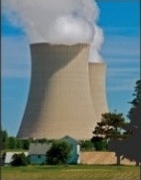
チェルノブイリ原発 原子炉から核燃料を完全に抽出 via Sputnik

ウクライナは、チェルノブィリ原子力発電所の原子炉すべてからの核燃料の抽出を完了した。国家原子力規制監督局報道部が伝えた。

次の措置となるのは、これらの原子力施設の地位を失わせる決定を下すことだ。放射性廃棄物を取り扱う施設とみなされ、その一方で、チェルノブィリ原発廃止に向けた作業が活発化される。

チェルノブィリ原発1号炉からの使用済み核燃料の貯蔵所への移送作業は、すでに終わった。

Posted in *日本語 | Tagged , | Comments Off on チェルノブイリ原発 原子炉から核燃料を完全に抽出 via Sputnik

福島第1原発事故 汚染土、公共工事に利用 条件付け盛り土など 環境省方針 via 毎日新聞

東京電力福島第1原発事故に伴う除染で出た汚染土の再利用について、環境省は7日の有識者検討会で、一定の条件と対策の下であれば放射性物質の濃度が1キロ当たり8000ベクレル以下の土を公共工事に使えるとの方針を示し、了承された。近く正式決定し、福島県の内外で再利用を進めたい考えだ。

 環境省は、汚染土の用途ごとに建設作業員や一般住民の被ばく線量を推計。例えば、1キロ当たり8000ベクレルの汚染土を盛り土に使う場合、厚さ50センチ以上のコンクリートなどで覆えば、1メートル離れた場所で常時過ごす人の年間被ばく線量を0・01ミリシーベルト以下に抑えられると試算。健康に影響はないとした。
[…]土を含む除染廃棄物は最大2200万立方メートル発生すると見込まれ、環境省は再利用してできるだけ減らしたい考え。残りは福島県内に建設する中間貯蔵施設に保管し、2045年3月までに同県外に運び出す計画だが、最終処分先は決まっていない。【久野華代】

もっと読む。

Posted in *日本語 | Tagged , , , | Comments Off on 福島第1原発事故 汚染土、公共工事に利用 条件付け盛り土など 環境省方針 via 毎日新聞

 福島原発避難者の追い出しをさせない! 市民の会が緊急アクション、有楽町で署名活動viaクリスチャントゥデイ

福島第一原発事故により避難区域以外の地域から避難している人たちへの避難用住宅の提供が、来年3月で打ち切られることを受け、「福島原発避難者の追い出しをさせない!!市民の会」は、緊急アクションとして街頭署名活動を8日から開始した。初日となるこの日は、東京都千代田区の有楽町マリオン前で、避難用住宅の打ち切り撤回と長期無償提供などを求める署名を呼び掛けた。
同会は、福島第一原発事故による広域避難世帯の支援を続けるカトリック信徒らによるボランティア団体「きらきら星ネット」のメンバーが中心となって発足。きらきら星ネットだけでなく、「東京災害支援ネット」(とすねっと)や「ひなん生活をまもる会」など、福島第一原発事故の問題に取り組む他の団体も協力しており、この日は、原発訴訟など国民的課題に最前線で取り組む弁護士の山川幸生氏も参加した。
きらきら星ネットは昨年6月、避難区域以外からの避難者に対する避難用住宅の提供の打ち切りが発表された際、「避難用住宅が自主避難者(区域外避難者)にとって唯一と言っても言い過ぎではない社会的支援」だと指摘。「避難用住宅の無償提供を打ち切ることは、避難生活の基盤を失うこと」だとして、国や都県の方針の撤回を求めて署名活動を行ってきた。この活動では6万4千を超える署名が集まり、政府、福島県、東京都それぞれに提出したが、これまでのところ方針撤回までには至っていない。そのため、さらに署名を集めて追加提出をしようと、今回、再度署名活動を始めた。
福島原発避難者の追い出しをさせない! 市民の会が緊急アクション、有楽町で署名活動
呼び掛けに応じ、署名に協力する女性
同会は、避難用住宅の供与打ち切りの撤回や、避難用住宅の長期無償提供の確約と実行の他にも、生活状況に合わせて他の避難用住宅へ転居することを認めることや、新規避難者への避難用住宅の無償提供の再開、避難者の意思に反した「帰還」の推進をやめることなども要求していく。
[…]

もっと読む。

Posted in *日本語 | Tagged , , , | Comments Off on  福島原発避難者の追い出しをさせない! 市民の会が緊急アクション、有楽町で署名活動viaクリスチャントゥデイ

Does the World Need a Nuclear Renaissance? via NRDC

Ralph Cavanaugh

For a recent debate on whether the world needs a nuclear renaissance, Stanford University chose three Nobel laureates and, well, me. I argued that an ongoing energy efficiency and renewable energy renaissance is already opening the best paths to affordable and reliable energy services without carbon pollution.
[…]
The nuclear industry’s declining performance in the United States and globally came in for particular attention. I summed up the numbers this way:

-In the 15 years before I began working for NRDC in 1979, 104 U.S. nuclear reactors were built or approaching completion. The number ordered and finished since 1979 is zero. The number of costly US nuclear plant cancellations had passed 100 by 1982.
-Nuclear power’s global market share has dropped by more than a third over the past two decades (declining from 18 percent to 11 percent);
-Although one of my opponents noted that 62 reactors are under construction worldwide today, I responded with Mycle Schneider’s finding that the peak year (1979) involved four times that many.
[…]
The verdict so far is clear: the principal winners in the world’s emerging clean energy transition are unconnected to any “nuclear renaissance.”

Read more.

Posted in *English | Tagged , , , , | Comments Off on Does the World Need a Nuclear Renaissance? via NRDC

EPA PROPOSES SHOCKING THOUSAND-FOLD INCREASE IN RADIOACTIVITY ALLOWED IN DRINKING WATER via Nuclear Information and Resource Service (NIRS)

Proposal Would Permit Radiation Exposures Equivalent to 250 Chest X-Rays a Year

Washington, D.C. – Yesterday, the U.S. EPA quietly issued proposals to allow radioactive contamination in drinking water at concentrations vastly greater than allowed under the Safe Drinking Water Act. The new guidance would permit radiation exposures equivalent to 250 chest X-rays a year. Today, environmental groups called the proposal “shocking” and “egregious.”

The EPA proposed Protective Action Guides (PAGs) would allow the general population to drink water hundreds to thousands of times more radioactive than is now legal. For example, radioactive iodine-131 has a current limit of 3 pico-curies per liter (pCi/L), in water but the new guidance would allow 10,350 (pCi/L), 3,450 times higher. For strontium-90, which causes leukemia, the current limit is 8 pCi/L; the new proposed value is 7,400 pCi/L, a 925-fold increase.

“Clean Water is essential for health. Just like lead, radiation when ingested in small amounts is very hazardous to our health. It is inconceivable that EPA could now quietly propose allowing enormous increases in radioactive contamination with no action to protect the public, even if concentrations are a thousand times higher than under the Safe Drinking Water Act,” said Dr. Catherine Thomasson, Executive Director of Physicians for Social Responsibility.

The Bush Administration in its last days unsuccessfully tried to put forward similar proposals, which the incoming Obama Administration pulled back. Now, in the waning months of the Obama Administration, EPA’s radiation office is trying again.

“These levels are even higher than those proposed by the Bush Administration—really unprecedented and shocking,” said Diane D’Arrigo, Nuclear Information and Resource Service.

The Bush Administration proposal for strontium 90 was 6,650 pCi/L; the new proposal is 7,400 pCi/L. For iodine-131, the Bush proposal was 8,490 pCi/L; the new proposal is 10,350 pCi/L. For cesium-137, the proposal was for 13,600 pCi/L; Obama “beats” Bush with a value of 16,570 pCi/L.

All radionuclides can cause cancer and other health and reproductive problems; there is no completely safe level. Strontium causes bone cancer and leukemia. Babies, children, and females are at even greater risk than adult males.

PAGs apply not just to emergencies such as “dirty bombs,” and Fukushima-type nuclear power meltdowns but also to any radiological release for which a protective action may be considered – even a radiopharmaceutical transport spill. The proposed drinking water PAG would apply not to the immediate phase after a release, but rather to the intermediate phase, after the release has been stabilized, and lasting up to several years thereafter.

Radiation doses (in rems) cannot be measured but are calculated based on some measurements and many assumptions. The current Safe Drinking Water Act limits are based on 4 millirems per year. The PAGs would allow 500 millirems per year for the general population. A single chest X-ray gives about 2 millirems. Because of the way EPA is changing the definition of dose, for many radionuclides, the allowable concentration would be thousands, tens of thousands, and even millions of times higher than set under the Safe Drinking Water Act.

Internal EPA documents obtained under the Freedom of Information Act [links below] show that the EPA itself concluded that the proposed concentrations “would exceed MCLs [Maximum Contaminant Limits of the Safe Drinking Water Act] by a factor of 100, 1000, and in two instances, 7 million.” The EPA internal analysis showed that for one radionuclide, “drinking a very small glass of water of approximately 4 ounces … would result in an exposure that corresponds to a lifetime of drinking … water … at the MCL level.”

“All of this is extraordinary, since EPA has recently accepted the National Academy of Sciences’ most current risk estimates for radiation, indicating radiation is considerably more dangerous per unit dose than previously believed,” said D’Arrigo. “Pushing allowable concentrations of radioactivity in drinking water up orders of magnitude above the longstanding Safe Drinking Water Act levels goes in exactly the opposite direction than the official radiation risk estimates go.”

“Under these proposals, people would be forced to get the radiation equivalent of a chest X-ray 5 days a week, 50 weeks a year, for up to several years, with no medical benefit or informed consent, just from drinking water. This is immoral,” said D’Arrigo.

The public has 45 days from when it is published in the Federal Register to comment to the EPA on the PAG-Protective Action Guides.

“These proposed changes are a particularly egregious gift to the energy industry, which would essentially be given a free pass whenever nuclear or fracking waste enters our water supply,” said Wenonah Hauter, executive director of Food & Water Watch and author of the new book, Frackopoly. “The EPA under President Obama has also whitewashed the impact of fracking on drinking water. This is more of the same when it comes to his EPA’s pro-industry, hands-off regulation of toxic practices that can harm public health.”

The EPA Proposal:

https://www.epa.gov/radiation/protective-action-guides-pags

FOIA documents: http://www.peer.org/assets/docs/epa/4_5_10_EPA_Office_Gen_Counsel_Email.pdfhttp://www.peer.org/assets/docs/epa/4_5_10_OSRTI_Comments.pdf

http://www.peer.org/assets/docs/epa/4_5_10_Radionuclide_Tables.pdf

Analysis of proposal when Bush Administration tried it:

http://www.committeetobridgethegap.org/pdf/PAGreport102208.pdf

Letter to OMB opposing EPA proposal:

http://committeetobridgethegap.org/wp-content/uploads/2015/12/Group-Letter-to-OMB-re-Water-PAGs-12-22-15.pdf

Contacts:
Diane D’Arrigo, Nuclear Information and Resource Service, 202-841-8588
Dr. Catherine Thomasson, Physicians for Social Responsibility, 202-587-5240
Kate Fried, Food & Water Watch, 202-683-4905

Posted in *English | Tagged , , , | 3 Comments

Nuclear Industry Worldwide Faces Escalating Battle to Keep Aging Reactors Running via EcoWatch

Life extensions to nuclear plants in Europe and North America are repeatedly being granted by safety regulators. But, according to nuclear plant owners, 25 percent of parts are now obsolete, so keeping the reactors going is becoming an increasing problem as components wear out.

In France, where 75 percent of electricity supply comes from 58 reactors, the government announced in February that it was prepared to raise the limit on the life of reactors from 40 to 50 years.

Also in February, two reactors in the UK that began generating in 1983 and are due to close in 2019 had their lives extended to 2024. Two others commissioned in 1988 will now work on until 2030. In all four cases, the owner can apply for further life extensions after that.

But nuclear power plants built across the world in the 1970s and 80s rely on computer technology and components now long out of production. Replacing worn-out parts is becoming a serious problem, causing an increasing number of unplanned and expensive shutdowns while components are updated.

Low prices for electricity have put increasing pressure on nuclear generators to make their operations more efficient and to prevent outages, so that they can still squeeze a profit out of these reactors.

The alternative is to close them down and face the vast cost of decommissioning them—which, in accountancy terms, turns the power station from an asset into a very large liability. This would be enough to make some power companies technically bankrupt.
[…]
In Europe, there is little chance of replacing the obsolescent fleet with new plants. Perhaps the starkest example is France, with its 58 ageing reactors. It is building only one new replacement reactor.

This plant, at Flamanville in Normandy, should already be in operation, but is years late and three times over budget. Plans to build others have been shelved.

Unless France can keep granting life extensions to its existing plants, the country will have to invest in renewables on a vast scale to keep its carbon emissions in check.

Read more.

Posted in *English | Tagged , , , | Comments Off on Nuclear Industry Worldwide Faces Escalating Battle to Keep Aging Reactors Running via EcoWatch

県民健康調査記者会見文字起こし via みんな楽しくhappyがいい

[…]
朝日新聞:
そうすると、今の確認ですけど、質問とか要請文は4月12日ぐらいに出ているんですけど、もう1ヶ月以上経ってますかね。
実際に手術を受けられた患者の家族で、非常に親も不安に思っている保護者の方々です。
これを、このままやっぱり、いつ頃回答されるか、それとももう放置されるんですか?

星北斗座長:
あのー、私共の検討委員会として対応が必要なもの、あるいはそのその我々のタイ、ま、えー、議論の対象にすべきことから逸脱している範囲のものも倉等程度含まれているという私の、私自身の認識もありますので、その辺りの整理をしないとこれに個別に答えるわけにはいきませんし、私が職権で答えるということでも”ない”ものが含まれておりますので、そこについてはお答えできないことになりますが、我々が今やっている議論の中で必要な情報としていただいたものについては、考え方としてそういうお考えをお持ちの方もいらっしゃるということも共有したいということでございます。
[…]
朝日新聞:
いや、私がお伺いしたのは、この2年の間に。
今まで「甲状腺がんは成長が遅い」とかこれまで言っていることとは違ったものが出ているということとか、それから5歳以下というのも出てきたし、ということについて放射線との関係とか、先生の個人のご見解ではどういう評価をされるんですか?

清水一雄医師:
放射線の影響でこうなったとは、僕は、…わかりません!それは。
ただ、あの、大人よりも子供さんの甲状腺癌の進行の方が早いです。
それを、あの、踏まえて、あのー、この間に見つかったんだというふうに思います。

朝日新聞:
あと一点だけです。
まさに清水先生が先ほどの検討委員会でおっしゃったことですけど、「これからもどんどん増えていくだろう」と。
手術が必要な甲状腺癌が、

清水一雄:
どんどん増えていくというのは放射線の影響かどうかはわからない
朝日新聞:
それはそうです、当然そうです。
県立医大で、福島県立医大だけで対応できないんじゃないか。
全国でもう少し手術ができるようなところとか、それからデータ情報の交換とかそういうところをおっしゃいましたけれども、それをこの検討委員会で言っても、本来ここには北島さんが、環境省からきてこうやっておられるので回答を求めたいぐらいですけど。
県も、それから検討委員会も当事者能力はないと思うんです、そういうことに。
本来は国がやらなければいけないことですから。

清水一雄医師:(大きく頷く)

朝日新聞:そういうことについては国に対して提案していこうとか、考えはありますか?

清水一雄医師:
あのー、先ほど申し上げたことは非常に大事なことで、県立医大だけで将来対応できなくなってくるはずですね。
というのは、すでに県外に転出している人を50%、何%かわかりませんけれど、これからももっと増えてくるわけですね。
そういう方々が北海道とか九州から、あるいは外国で診断された時に、やっぱりこちらに帰ってきて手術を受けるというのは非常に不合理である。
なので、せっかく103施設、今管理施設があるわけです。
その中には専門医がいてしっかりとした手術ができる施設がたくさんあります。
そういうところでも受けられて、しかもそのデータは福島県立医大にちゃんと報告するという形で、
やっぱりお互い協力しあって、って言いますか、やっていかないと、なかなか対応できなくなってくるというふうに思いますので、ぜひこれは環境省にお願いしたいというふうに思います。
***
そういえば1巡目の検査の時には
「スクリーニングによって大人になってから甲状腺がんになる人を先に見つけてしまっている」って言っていた。
最近では、
「事故当時5歳以下から甲状腺がんは出ていない」ということも原発事故の影響じゃないことの言い訳にしてたっけ…

もっと読み、ビデオを観る。

Posted in *日本語 | Tagged , , | Comments Off on 県民健康調査記者会見文字起こし via みんな楽しくhappyがいい

甲状腺がん、30人に増加=18歳以下検査2巡目-福島県 via 時事通信

東京電力福島第1原発事故による影響を調べるため、福島県が事故当時18歳以下(胎児を含む)だった県民を対象に実施している2巡目の甲状腺検査で、県は 6日、3月末時点で30人が甲状腺がんと診断されたと発表した。県は、昨年12月末時点の16人から増加した原因を不明としているが、「甲状腺がん発生は 原発事故の影響とは考えにくい」との見方を変えていない。

(略)

「悪性ないし悪性の疑い」と診断されたのは57人(昨年12月末時点は51人)で、このうち30人が手術により甲状腺がんの確定診断を受けた。

事故当時胎児だった人を対象としない1巡目の検査では、101人(同100人)が甲状腺がんと診断された。

全文は甲状腺がん、30人に増加=18歳以下検査2巡目-福島県

Posted in *日本語 | Tagged , , , | Comments Off on 甲状腺がん、30人に増加=18歳以下検査2巡目-福島県 via 時事通信

The lonely struggle of India’s anti-nuclear protesters via The Guardian

Women are leading protests in Tamil Nadu state against a power plant – yet few people in India know the village they’re from, let alone support their cause

Behind the Lourdes Matha church in Idinthakarai, a fishing village at the southern tip of India, five women have abandoned their chores to protest at the Kudankulam nuclear power plant. Today is day 1,754 of their relay hunger strike, which began when the plant was fuelled in 2011.

Celine, 73, is among the five protestors, who take it in turns to go without food. “Not a single government, not a single political party is willing to take up our cause,” she says. “Only Mother Mary can save us now.”

The villagers of Idinthakarai, in Tamil Nadu state, have been protesting against the plant since the late 1980s, when it was proposed. But theirs is a lonely struggle. Few people in India have even heard of their village, let alone support their protest.

[…]

SP Udayakumar, an anti-nuclear activist from the nearby town of Nagercoil, ran in May’s state elections as a single-issue candidate. “If India was getting half or a third of its energy from nuclear plants, then maybe there would be an argument for it,” he says. “But after all this, after years of crushing the peoples’ protest at Idinthakarai, is it really worth it?”

Udayakumar sees the nuclear programme as a costly prestige exercise that endangers the lives of millions. Plus, he points out, villagers are still living in the dark, since most of India’s energy is used by the industrial sector. “Who really benefits from the nuclear plants in the end, except the foreign companies that are building these plants in India?” he says.

In 1986, Mikhail Gorbachev, Soviet leader at the time, made his first state visit to India. Two years later, he and Rajiv Gandhi, the incumbent prime minister, signed an agreement for two nuclear plants at Kudankulam.

Protests began a month later. The 1986 Chernobyl accident and the 1982 Bhopal gas disaster were of concern to the local fishing communities. How could the governments that had shown such catastrophic negligence be trusted to build a nuclear plant in their neighbourhood?

The end of the Soviet Union in 1989 and the assassination of Rajiv Gandhi in 1991 derailed the Kudankulam plans until 1997, when Indian’s HD Deve Gowda and Russia’s Boris Yeltsin renewed the agreement. Construction of the plant began in 2002.

[…]

The resolve of the five protestors remains unshaken, but many of the villagers who supported them initially have realised the futility of resisting. The village chief’s husband, Sagayaraj, speaks on behalf of his wife. “The protests have destroyed our village,” he says. “I supported the protests at first, but now I’ve realised that we just need to take what we can get. This is not just about Idinthakarai or Kudankulam – it is an international issue. If they close the plant here, there will be protests to close nuclear plants all around the country. Now people realise the scale of what we’re trying to do. It’s like we’re protesting against Russia – against all the foreign governments. How can our small village take on international powers?”

[…]

Yet Modi has signed deals and held talks with countries including the UK and Japan in the past two years. The deals are in line with Modi’s predecessors’ ambitions for nuclear expansion. India has signed nuclear energy deals with at least 10 countries, including Namibia and Kazakhstan.

A spokesperson from the DAE said: “Nuclear power is a clean and green source of energy [that] does not contribute to increases in carbon emissions in the environment. Right at the design stage itself, necessary safety features are incorporated for safe operation of the plant. Post-Fukushima these safety features have been augmented and strengthened to address any beyond design basis incidents.”

Read more at The lonely struggle of India’s anti-nuclear protesters

Posted in *English | Tagged , , , , , , | Comments Off on The lonely struggle of India’s anti-nuclear protesters via The Guardian

「縮原発」を提言 同友会幹部ら福島第一原発を視察 via テレ朝NEWS

経済同友会の小林喜光代表幹事ら幹部が、廃炉作業が進む福島第一原発を視察しました。

6日に行われた視察では、参加者たちは防護服に身を包み、バスから降りて1号機から4号機などの様子を見学しました。また、地下30メートルまで土を凍らせる陸側の遮水壁の凍結が始まったばかりだったため、汚染水対策の進捗(しんちょく)ぶりにも耳を傾けました。

経済同友会・小林喜光代表幹事:「普通の労働環境と近くなってきたのが最大の今回、良かったという印象」
小林代表幹事は視察後、原発の再稼働を進める一方、新規増設は行わずに自然エネルギーなどにシフトしていく「縮原発」を目指すべきだという考えを改めて示しました。

続きは「縮原発」を提言 同友会幹部ら福島第一原発を視察

Posted in *日本語 | Tagged , , , , | Comments Off on 「縮原発」を提言 同友会幹部ら福島第一原発を視察 via テレ朝NEWS