定期検査中の伊方原発2号機の原子炉補助建屋にある洗浄排水系の配管から穴が見つかった問題で、県と四国電力は2日、建屋の他の配管の新たに3系統6カ所で漏水が乾燥した付着物を確認したと発表した。1カ所では放射性物質コバルト60が検出されたが放射能量は3ベクレル
当サイト既出関連記事:
定期検査中の伊方原発2号機の原子炉補助建屋にある洗浄排水系の配管から穴が見つかった問題で、県と四国電力は2日、建屋の他の配管の新たに3系統6カ所で漏水が乾燥した付着物を確認したと発表した。1カ所では放射性物質コバルト60が検出されたが放射能量は3ベクレル
当サイト既出関連記事:
A fire in just one of the 90 densely-packed spent fuel pools at U.S. nuclear reactors could release considerably more radiation than the 2011 reactor meltdowns at Fukushima Daiichi, according to a policy paper published in a recent Science magazine.
PLYMOUTH — A fire in just one of the 90 densely-packed spent fuel pools at U.S. nuclear reactors could release considerably more radiation than the 2011 reactor meltdowns at Fukushima Daiichi, according to a policy paper published in a recent Science magazine.
The solution, say the scientists who wrote the paper, is to reduce the amount of radioactive fuel now in pools and store it instead in heavy duty dry casks.
[…]
The researchers say the NRC staff’s analysis of the fallout from a simulated fire in a densely packed pool like Pennsylvania’s Peach Bottom Nuclear Power Plant didn’t factor in terrorist attacks, and it assumed no contamination beyond 50 miles of the plant.
The NRC study concluded that about 4 million people would be displaced. While the consequences of a pool fire were high, the probability of one occurring was low, so the cost of transferring all spent fuel into dry casks was not justified, concluded the NRC. The NRC estimated the cost at about $50 million per plant.
Based on their own study, Lyman, Schoeppner and von Hippel contend that a fire in the spent fuel pool at Peach Bottom could release enough radioactive material to contaminate an area twice the size of New Jersey.
[…]
Pilgrim’s pool, originally designed to hold 880 spent fuel assemblies, currently holds about 3,000, tightly packed on racks under about 40 feet of water. Making public concern even greater is the known deterioration of several hundred Boraflex panels needed to prevent fission from occurring in the pool.
[…]
“Overcrowded spent nuclear pools like the one at Pilgrim are a disaster waiting to happen,” Markey wrote in a statement.
Along with U.S. Sen. Bernie Sanders, D-Vermont, Markey has once again filed the Dry Cask Storage Act that would require plant owners to transfer spent fuel into casks within seven years of submitting a plan for fuel management.
On the state level, Sen. Vinny deMacedo, and Rep. Mathew Muratore, both Plymouth Republicans, sponsored a bill that would require owners of closed plants to complete decommissioning, including spent fuel transfer to casks, within five years of the reactor’s shutdown or pay a yearly assessment of $25 million until decommissioning is complete.
Read more at PILGRIM STATION: Fire danger in nuclear pools underestimated, scientists say
東京電力福島第1原発事故の避難者や支援者でつくる劇団「福島の民話を語る会」が6日、事故後の住民の暮らしを描いた朗読劇「空の村号」を金沢真宗会館(金沢市安江町)で披露する。被災した家族の苦悩を、同劇団の10人が表現する。
「空の村号」は、石川県内への避難者や支援者が交流を深めるために企画され、2014年7月から県内を中心に公民館や喫茶店で披露されている。福島県の村を舞台にしたフィクションで、酪農家に生まれた少年「空」と家族が原発事故に遭遇した日の緊迫した様子や、牛の殺処分などのつらい現実と向き合う姿を描く。空は被災地を訪れた映画監督との出会いをきっかけに、放射性物質の届かない夢の世界を映画化しようと決意する
(略)
主催する市民団体「人権フォーラム石川」は「福島の事故を過去のものと考えず、自分の問題として考えてもらいたい」と話している。午後3時15分~4時50分、観覧無料。問い合わせは人権フォーラム石川(076・234・8390)。【石川将来】
原子力規制委員会は31日の定例会合で、中部電力浜岡原発4号機(静岡県)について昨年10月、事故時に発生する放射性物質を原子炉格納容器に閉じ込めるための隔離弁2つを外したまま、燃料貯蔵プール内で燃料を移動させる作業を行っていたとして、保安規定違反に当たると判断した。中部電は「社内部署間のコミュニケーション不足」を理由に挙げており、原因をさらに調査する。
中部電などによると、弁は昨年9月、設備試験のため取り外されたままになっており、約7カ月後の4月20日、請負会社の社員が気づき中部電に報告した。昨年10月12日には国際原子力機関(IAEA)の査察対応のため、ウラン・プルトニウム混合酸化物(MOX)燃料をプール内で移動する作業が行われた。
Environment Minister Catherine McKenna keeps asking OPG to look at other locations. The utility keeps not obliging.
Credit Ontario Power Generation for this: When it comes to choosing a place to store nuclear waste, the crown corporation is consistent.
It wants to bury the stuff beside Lake Huron. Period.
And no matter how many times federal regulators ask it to seriously examine other locations, OPG respectfully rags the puck.
It makes a cursory examination and then stubbornly comes back with the same answer: Lake Huron.
It did it again this week.
The Lake Huron saga has been going on since 2005. Ontario’s nuclear generating plants produce radioactive waste that is now stored above ground. OPG was charged with finding a place to bury some of it.
[…]
Sure, the proposed 680-metre deep crypt would be only 1.2 kilometres from Lake Huron — a fact which has alarmed communities on the American side as well as many Ontarians who depend on the Great Lakes for drinking water. But OPG was adamant that the waste wouldn’t leak.
Somewhere along the line, the utility announced that it wanted to double the size of the dump. It also said it planned to store dismantled reactor parts there, some of which would remain radioactive for more than 100,000 years.
None of the highly radioactive fuel rods from Ontario’s nuclear generating plants would be stored in this particular crypt. A separate federal agency is looking for somewhere to bury these items.
[…]
It is, however, easy to understand OPG’s frustration. The utility has been at this game for years. It even found a willing municipal host — no easy task.
Still, McKenna’s environmental assessment agency was unimpressed. It told OPG its report was far too vague and ordered it to provide more information.
Which this week it did.
The latest report still doesn’t identify specific alternate sites. But as an OPG spokesperson told my colleague Jennifer Wells last year, it wasn’t asked to look at “sites,” only at “locations.”
In OPG lingo, “locations” are different from “sites.” Specifically, a “site” is a location with a willing municipal host. And right now, the only Ontario municipal politicians willing to bury nuclear waste are those in the Kincardine area.
This week’s report says all that is needed to seal the deal is the support of local First Nations.
Torrential downpour causes collapse of Nuclear Power Plant No. 1 transmission tower
TAIPEI (Taiwan News)—Taiwan’s Nuclear Power Plant No. 1’s second nuclear generator was down on Friday, after torrential rains and strong winds toppled the plant’s critical 345 KV transmission tower structure the night before, said Taipower Spokesperson Lin Te-fu (林德福).
The destruction of the critical power infrastructure halted the plant’s second generator power supply transmission, and the nuclear generator initiated an emergency shutdown sequence as part of its protection mechanism.
Other power generators at the plant are safely on standby mode, and unaffected by the heavy rains or sudden shutdown of the generator No.2, said Taipower.
Taipower is still investigating whether the transmission tower’s foundation was washed away by the heavy rain, as the rain loosened rocks and mud from the base of the tower.
[…]
Taipower is doing all that it can to fix the power tower, and get the affected Nuclear Power Plant No. 1 generator up and running.
The company was uncertain of when the power generator would be fully repaired and operating again.
Read more at Heavy rain topples Nuclear Power Plant No. 1 power tower
台湾北部の新北市で2日、集中豪雨により送電線の鉄塔が倒れた影響で、台湾電力第1原発2号機が自動停止した。放射性物質漏れはないという。台湾メディアが伝えた。
定期点検中の伊方原発2号機(愛媛県伊方町)の放射線管理区域内にある配管で相次いで見つかった穴について、愛媛県と四国電力は2日、関連する配管で新たに6カ所の穴を確認したと発表した。四国電は「検出された放射性物質は微量で、プラントや環境への影響はない」としている。
四国電によると、今回穴が見つかった配管は3本で、管理区域内で着る作業服などの洗濯排水を蒸発させる装置の配管に連結されている。6月1日までに計6カ所の微小の穴を確認した。
2号機を巡っては、5月15日に蒸発装置の配管で1カ所、翌16日にも同じ配管で2カ所の穴が見つかっていた。
Just over 30 years after the Chernobyl nuclear disaster, which saw Belarus lose a quarter of its territory due to nuclear contamination, the former Soviet republic is set to see its first nuclear power station enter operation in one and a half year’s time from now.
The location in the Belarusian town of Astravets – a mere 50 kilometres from Lithuania’s capital Vilnius – is understandably giving its neighbour the jitters. To make matters worse, the construction of the plant has been mired by a series of mishaps and incidents, sparking major concerns over the safety of the installation.
[…]
Playing the silent game
In August last year, news emerged that a crane had dropped the 330 tonne heavy reactor from a height of 4 metres during a test lift. If dropping a nuclear reactor was not bad enough in itself, the Belarusian authorities’ attempts to deny or otherwise keep silent on the matter for weeks on end sparked eerie memories of how the Soviets handled the Chernobyl disaster of 1986.
“We never get any information, or we hear something only a month after it happened”, says Darius Degutis, Lithuania’s ambassador at large for the issues related to the Astravets Nuclear Power Plant.
Russian state-owned company Rosatom, the nuclear plant’s main contractor, is complicit in playing the “silent game” by first denying that the accident caused any damage to the reactor shell, only to change its story afterwards by offering to replace the shell. Adding to the concerns was another incident in February 2017, whereby the second reactor hit a power pillar during transport.
[…]
By limiting the scope of the IAEA’s mission, the nuclear watchdog cannot comment on these kinds of issues. To make matters worse, the Belarusian government declared that it would itself perform the plant’s risk and safety assessment.
Given how the numerous incidents at the plant have been handled so far, it is questionable as to whether the Belarusian authorities can be trusted with performing these stress tests in full accordance with European specifications.
Read more at Belarus nuclear plant: A disaster waiting to happen
日本の外務省は、ミャンマーやブルネイなどの駐日各国大使等を対象として、勿来発電所やその他の復興関連施設等の視察や高効率石炭火力発電導入に関するワークショップを行う「福島県いわき市スタディーツアー」を6月8日に実施する事を発表した。
今回実施される福島県いわき市スタディーツアーは、安倍総理が昨年の3月に福島に訪問した際に表明した「福島新エネ社会構想」などに基づいて、(略)日本の再生可能エネルギー等にかかる関連施設や最先端の技術を世界に発信することを目的としている。
参加する予定の国は、ASEANからはミャンマーとブルネイの二国のみとなり、他の地域からは米国・ドイツ・カナダ・フランス・ベルギー・ケニア・パプアニューギニア・コロンビア・バングラデシュ・ボツワナ・南アフリカ共和国・ペルーが参加する。
予定している訪問先は、福島県いわき市ある常磐共同火力の石炭・石油火力発電所「常磐共同火力株式会社勿来発電所」、いわき市の観光物産館「いわき・ら・ら・ミュウ」、「小名浜魚市場」となる。小名浜魚市場では、地元で水揚げされた新鮮な魚料理が駐日各国大使等に昼食時に提供され、福島の食材の安心・安全についてもPRされる予定である。



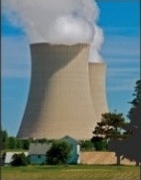
A nuclear power plant in Byron, Illinois. Taken by photographer Joseph Pobereskin (http://pobereskin.com).