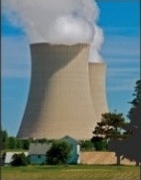
今の福島を知る=復興事業の現実 ―福島イノベーション・コースト構想とはなにかー via さようなら原発1000万人アクション

和田 央子さん 放射能ゴミ焼却を考えるふくしま連絡会

Posted in *English | Tagged , , | Comments Off on 今の福島を知る=復興事業の現実 ―福島イノベーション・コースト構想とはなにかー via さようなら原発1000万人アクション

IAEA reviews water release from damaged Japan nuclear plant via AP

By MARI YAMAGUCHI

TOKYO (AP) — A team from the International Atomic Energy Agency on Monday began its review of Japan’s plan to begin releasing more than a million tons of treated radioactive water into the sea from the wrecked Fukushima nuclear plant — a review that Japan hopes will instill confidence in the plan. 

The 15-member team is to visit the Fukushima plant on Tuesday and meet with government and utility officials during its five-day mission.

[…]

The release of the water into the sea has been fiercely opposed by fishermen, local residents and Japan’s neighbors, including China and South Korea. Fukushima residents worry the reputation of their agricultural and fishing products will be further damaged.

Japan sought IAEA’s assistance to ensure the release meets international safety standards and to gain the understanding of other countries. 

Gustavo Caruso, director of the IAEA’s Office of Safety and Security Coordination, said on Monday that the mission “in an objective, credible and science-based manner will help send messages of transparency and confidence for the people in Japan and beyond.”

The team will review details of the water, safety of the discharge, sampling methods and the environmental impact, he said. The team includes experts from several countries, including South Korea and China.

Officials say all isotopes selected for treatment in the contaminated water can be reduced to low levels except for tritium, which is inseparable from the water but is harmless in small amounts. They say a gradual release of the water, diluted with seawater, into the ocean over decades is safe.

[…]

Japan and the IAEA have agreed to compile an interim report on the review later this year.

Read more at IAEA reviews water release from damaged Japan nuclear plant

Posted in *English | Tagged , , | Comments Off on IAEA reviews water release from damaged Japan nuclear plant via AP

処理水の海洋放出「ほかの方法検討を」 日弁連が岸田首相に意見書 via 朝日新聞

福地慶太郎

日本弁護士連合会は、東京電力福島第一原発の処理水の海洋放出について、社会的な合意を得る手続きが不十分などとして反対する意見書を岸田文雄首相らに提出した。海に流すのではなく、ほかの方法を検討するよう求めている。

 意見書は、技術者や研究者らでつくる「原子力市民委員会」が、処理水をセメントや砂と混ぜて固めて保管する手法などを提案した点を重視。市民委員会へのヒアリングをしないまま海洋放出が決まったとして、「ほかの方法を検討するべきだ」と訴えた。

「儀式的な会合だった」

国は一昨年、農林水産団体や県内外の首長から意見を聞く場を7回開き、関係各省の副大臣が出席した。だが、質疑がほとんどなかったことから、意見書は「儀式的な会合だった」と批判。

(略)

 日弁連は、経済産業相や環境相、原子力規制委員長にも意見書を送った。

全文は処理水の海洋放出「ほかの方法検討を」 日弁連が岸田首相に意見書

Posted in *日本語 | Tagged , | Comments Off on 処理水の海洋放出「ほかの方法検討を」 日弁連が岸田首相に意見書 via 朝日新聞

「被曝で小児甲状腺がん」東電を提訴へ〜原告が涙の訴え via Our Planet-TV

東京電力福島第1原発事故で放出された放射性物質により小児甲状腺がんを発症したとして、事故当時、福島県内に住んでいた6~16歳の男女6人が27日、東電に計6億1600万円の損害賠償を求める裁判を東京地裁に起こした。原告弁護団によると、住民が被曝による健康影響を理由に損害賠償を訴える集団訴訟は初という。

「差別を受けるのではないかと恐怖を感じ誰にも言えずこの10年を過ごしてきました。」

提訴後、20代の原告が匿名で記者会見の登壇。バリバリ働くキャリアウーマンを目指していたものの、病気になってから体調が悪化し転職したと、時折り、声をつまらせながら語った。そして、同じように苦しんでいるほかの甲状腺がん患者のためにも、「6人が声を上げることでこの状況を少しでも変えたい」と裁判にかける思いを訴えた。

会見では、原告の母親も登壇。「原発事故と病気との因果関係について、決着させたい」と提訴した理由を述べた。母親は、息子が経過観察を経て手術をした経過をみても「過剰診断」はありえないとし、県や国の主張に疑問を呈した。

原告がボイスメッセージで支援呼びかけ

会見後、同じ会場で、支援集会が開かれ、100人ほどの市民が駆けつけた。集会では、原告がボイスメッセージを寄せ、自らの治療の経験や思いを語り、支援を呼び掛けた。

もっと見て読む

Posted in *English | Tagged , , | Comments Off on 「被曝で小児甲状腺がん」東電を提訴へ〜原告が涙の訴え via Our Planet-TV

Sweden takes a chance on Forsmark via Beyond Nuclear International

Nuclear waste repository site will be near nuclear plant

By Linda Pentz Gunter

“Who is going to take care of it if we’re not going to do it?” asks a Swedish official during the 2013 Swiss documentaryJourney to the Safest Place on Earth.

The councilman was attempting to justify and rationalize his municipality’s willingness to host a deep geologic repository (DGR) for Sweden’s high-level radioactive reactor waste. It was all about a sense of collective responsibility, he said.

Last week, the Swedish government approved a nuclear DGR for the Forsmark community in the municipality of Östhammar, one of two previously identified volunteer communities. 

Forsmark is already home to one of Sweden’s three nuclear power plants, as well as a low-level radioactive waste repository. Sweden has accumulated more than 8,000 tons of highly radioactive waste since its six reactors first began operating in the 1970s.

Echoing the earlier sentiment, Sweden’s environment minister, Annika Strandhall, said in a press conference announcing the selection of the repository site: “Our generation must take responsibility for nuclear waste.” But there may be more to the story.

The Forsmark announcement comes on the heels of considerable political pressure to maintain or even expand Sweden’s nuclear power program. A recent story by Bloomberg — Sweden Approves Nuclear Waste Site to Keep Its Reactors Running — gives away right in the headline the likely agenda behind the repository announcement.

Currently, Swedish operators are “only allowed to build a new unit to directly replace an old one”. Meanwhile, operators had warned that they were running out of nuclear waste storage space, forcing closures.

But if a “solution” to the waste problem should suddenly manifest, such as a DGR, the argument for nuclear maintenance and expansion is considerably, if wrongly, strengthened.

Sweden’s decision is based on the same premise, in principle, that Hagen’s film takes; that a DGR is the preferable option for storing the world’s most dangerous and long-lived nuclear waste. But the journey Hagen takes only serves to highlight the near-impossibility, almost everywhere, of finding a technically, ethically and politically acceptable site.

[…]

Read more.

Posted in *English | Tagged , | Comments Off on Sweden takes a chance on Forsmark via Beyond Nuclear International

US nuclear power plants contain dangerous counterfeit parts, report finds via The Verge

The findings come as countries weigh turning to nuclear energy as an alternative to fossil fuels

By Justine Calma


At least some nuclear power plants in the US contain counterfeit parts that could pose significant risks, an investigation by the inspector general’s office of the Nuclear Regulatory Commission has found. Those parts “present nuclear safety and security concerns that could have serious consequences,” says the resulting report published on February 9th.

[…]

The investigation was conducted after unnamed individuals alleged that “most, if not all,” nuclear plants in the US have fake or faulty parts. The inspector general’s office uncovered problems with counterfeit parts at a few different plants as part of its investigation. The report also says that the DOE had separately flagged 100 “incidents” involving counterfeit parts just last year. It’s a problem that the US will have to crack down on if it moves forward with plans to include nuclear power in its transition to clean energy. Without greater oversight at the NRC, the report warns, the risk of counterfeit parts going unnoticed in the nation’s nuclear power plants could rise.

[…]

The NRC might be underestimating the prevalence of counterfeit parts, the report warns, because the regulatory agency doesn’t have a robust system in place for tracking problematic parts. It only requires plants to report counterfeits in extraordinary circumstances, like if they lead to an emergency shutdown of a reactor. The report also notes that the NRC hasn’t thoroughly investigated all counterfeit allegations. There were 55nuclear power plants operating in the US as of September 2021, and the inspector general’s office sampled just four for its report.

[…]

Other groups, including the Electric Power Research Institute and the International Atomic Energy Agency (IAEA), have also identified counterfeit valves, bearings, circuit breakers, pipe fittings, and structural steel in nuclear power plants in the US and abroad in recent years. They’re a growing problem across the nuclear power sector and other industries worldwide, notes a 2019 IAEA report.

Read more at US nuclear power plants contain dangerous counterfeit parts, report finds

Posted in *日本語 | Tagged , , , | Comments Off on US nuclear power plants contain dangerous counterfeit parts, report finds via The Verge

プレス・リリース福島県知事への抗議&質問書 via 原発ゼロ・自然エネルギー推進連盟(原自連)

プレス・リリース福島県知事への抗議&質問書doc

福島県知事 内堀 雅雄 殿

抗議兼質問書

原発ゼロ・自然エネルギー推進連盟(原自連) 会長吉原 毅 幹事長 河合 弘之

           幹 事 近江屋 信広
           事務局次長 木村 結

本年 1 月 27 日、欧州委員会議長に宛てた 5 人の元首相の書簡「脱炭素・脱原発は可能で すーEU タクソノミーから原発の除外をー」に対して、福島県知事たる貴殿から異議ある旨 の書面(以下「貴信」といいます。)が届きましたので、5 人の元首相の意見をとりまとめ、 事務局を務める原自連から反論し、かつ、質問いたします。

貴信は、「2022 年 1 月 27 日付け欧州委員会委員長宛ての書簡の中で、福島第一原子力発 電所の事故において、『多くの子供たちが甲状腺がんに苦しみ』とする記述がなされており ます。

福島県では、チェルノブイリ原発事故後に明らかになった放射線による健康被害として、 放射性ヨウ素の内部被ばくによる小児の甲状腺がんが報告されたことから、福島県の放射 性ヨウ素の被ばく線量はチェルノブイリに比べて低いとされるものの、子どもたちの甲状 腺の状態を把握し、健康を長期に見守ることを目的として、県民健康調査甲状腺検査を実 施しております。」と述べております。

そこで質問します。この県民健康調査甲状腺検査の結果、約 10 年間で 266 人の甲状腺が んが発見され、そのうち 222 人が摘出手術を受けているのではないのですか。それを県と して認めますか(質問1)。

この 266 人という数字は、福島原発事故前の年間発生率 100 万人に 1~2 人と比べると 35~70 倍となりますが、県としてはこの数字をもってしても「多く」ないと言いますか。 県としては福島原発事故前と後では発生率が何倍だと認識していますか。その数字と算出 根拠をお答えください(質問2)。

福島原発事故後の約 10 年間で 266 人に甲状腺がんが発生しているにも拘らず、福島原発 事故との因果関係がない、もしくは認めがたいとするならば、その 266 人の甲状腺がんの 原因は何だと考えますか(質問3)。

プレス・リリース福島県知事への抗議&質問書doc

県民の健康を預かる県としては 266 人もの大量疾病が発生しているのに、その原因の調 査をしないのは間違いです。福島原発事故後、県と政府はこの 11 年間、甲状腺がんの大量 発生と福島原発事故との因果関係を否認することにのみ急で、それをもってこと足れりと し、「それならば真の原因は何なのか」を全く究明しようとしません。県民の健康に責任を もつ県としては誠に無責任です。

このように当方が言うと、県は「いや、大量発生はしていない。266 人というのは過剰 診断によって発見された数字に過ぎないのだ。」と反論するかもしれません。

しかし、266 人中 222 人が実際に甲状腺の片摘または全摘手術を受けている(そのほと んど全部が福島県立医大の鈴木眞一教授執刀)事実をどう説明するのですか。

そこで質問します。県としては 222 人の手術は過剰診断もしくは過剰手術であった、不 要・有害な手術であったと考えますか。その結論と理由を明確にお答えください(質問4)。

222 人の手術が過剰診療であったか否かを判断するにはそれに関する医療情報開示(個 人情報保護のうえ)とそれに基づく科学的かつ公正、公平な討議(鈴木眞一教授の参加も 得て)が不可欠です。

県にはその用意がありますか。結論と理由をお答えください(質問5)。

プレス・リリース福島県知事への抗議&質問書doc

 最後に当方の意見を述べます。
 国は原発の再稼働確保のため、福島原発事故由来の放射能被ばくと小児甲状腺がん発生
には因果関係はない→よって放射能は恐くない→よって原発事故はたいしたことはない→
原発を再稼働しても大丈夫だ、という論理を貫徹しようとしています。
 しかし、福島県は県内の原発を全て無くすという方針を決定しているのですから、その
ような国の企図に忖度する必要はないはずです。県民本位に県民の健康を守れば良いので
す。そのためには、県民健康調査をより拡充し、学校での検査も網羅的にして完全な実態
把握をし、体系的かつ有機的な健康対策を構築すべきであります。

以上のとおり、反論かつ質問を致します。2022 年 2 月 15 日までに明確にお答えくださ い。回答の有無及び内容は公開します。

以上

(問い合わせ先:原自連 木村結 090-6183-3061 03-6883-3498)

2022年2月4日

福島県.pdf

小泉 純一郎 様 細川護熙様 菅直人様 鳩山 由紀夫 様 村山富市様

2022年1月27日付け欧州委員会委員長宛ての書簡の中で、福島第一原子力発電 所の事故において、「多くの子供たちが甲状腺がんに苦しみ」とする記述がなされてお ります。

福島県では、チェルノブイリ原発事故後に明らかになった放射線による健康被害とし て、放射性ヨウ素の内部被ばくによる小児の甲状腺がんが報告されたことから、福島県 の放射性ヨウ素の被ばく線量はチェルノブイリに比べて低いとされるものの、子どもた ちの甲状腺の状態を把握し、健康を長期に見守ることを目的として、県民健康調査甲状 腺検査を実施しております。

専門家からなる「県民健康調査」検討委員会及び甲状腺検査評価部会において、放 射線被ばくと甲状腺がんの発生の関連性の評価を行い、平成28年3月に先行検査に 関し「総合的に判断して、放射線の影響とは考えにくい」と評価され、また、令和元 年7月には「現時点において、甲状腺検査本格検査(検査2回目)に発見された甲状 腺がんと放射線被ばくの間の関連は認められない」とする見解が示されているところ ですが、現在も検査を継続するとともに、検査3回目までの結果の解析・評価を行っ ております。

福島県.pdf

原発事故から間もなく十一年が経過しようとする中、放射線による健康影響などに 対する理解は進んでいるものの、県民の中には潜在的な不安が依然として残っており、 福島復興のためには、科学的知見に基づいた正確な情報発信が極めて重要であると考 えております。

つきましては、福島県の現状について述べられる際は、本県の見解を含めて、国、 放射線医学を専門とする医療機関や大学等高等教育機関、国連をはじめとする国際的 な科学機関などによる科学的知見に基づき、客観的な発信をお願い申し上げます。

令和4年2月2日

福島県知事 内堀 雅雄

Posted in *English | Tagged , , , , | Comments Off on プレス・リリース福島県知事への抗議&質問書 via 原発ゼロ・自然エネルギー推進連盟(原自連)

Counterfeit parts found in U.S. nuclear plants -inspector general via Reuters

By Timothy Gardner

WASHINGTON, Feb 10 (Reuters) – Counterfeit parts have been discovered in U.S. nuclear plants, potentially increasing the risk of a safety failure, the inspector general of the federal nuclear industry regulator said in a report released on Thursday.

The report is a blow to a U.S nuclear industry that has shrunk in recent years due to competition from renewable power and plants that burn natural gas and lingering public concerns following high-profile mishaps including a 2011 tsunami at Japan’s Fukushima plant.

[…]

In addition, it said a “well placed NRC principal” told the inspector general about two component failures at plants in the U.S. Northeast that plant operators determined involved fake parts. And a recent inspector general audit report revealed that the parts are present at nuclear operating plants, it said without further details.

U.S. Department of Energy staff had identified more than 100 incidents involving counterfeit, fraudulent or suspect items (CFSI) in agency reactors in fiscal year 2021 alone, the report said.

The Department of Energy did not immediately respond to a request for comment.

An advocacy group said the report shows the NRC needs to work harder to counter the problem.

“This troubling report shows that the NRC needs to do much more to ensure that counterfeit or fraudulent parts with potentially dangerous defects are kept out of US nuclear power plants — including strengthening requirements for plant owners to report and correct such problems as soon as they are discovered,” said Edwin Lyman, director of nuclear power safety at the Union of Concerned Scientists, nonprofit group.

The administration of President Joe Biden has said it believes nuclear reactors will play an important role in decarbonizing the nation’s economy to fight climate change, because they do not emit significant amount of greenhouse gases.

[…]

Read more.

Posted in *English | Tagged , | Comments Off on Counterfeit parts found in U.S. nuclear plants -inspector general via Reuters

Nuclear baloney via Beyond Nuclear International

AP story on states’ nuclear choice fails to point out key realities

by Linda Pentz Gunter

[…]

The mantra about solving the nuclear waste problem has been repeated since the dawn of the Nuclear Age, coming up on 80 years this December. That was when, on December 2, 1942, the first cupful of radioactive waste was generated, a result of the first self-sustaining nuclear chain reaction achieved at the Chicago Pile-1 by Enrico Fermi and his team.

At that time, scientists knew that radioactive waste was a problem, but assumed it would be solved later. Well, here we are at “later” and it’s still unsolved. Now, “minimizing” rather than solving the problem is apparently justification enough to keep using this dangerous technology.

The AP reporters chose Tennessee Valley Authority (TVA) President and CEO, Jeff Lash (no vested interest there), as the spokesperson for the continued use of nuclear power and says he,“puts it simply” when stating: “You can’t significantly reduce carbon emissions without nuclear power.” 

But, of course, it’s not that simple. It’s also arguably dead wrong. As Stanford University’s Amory Lovins and others have demonstrated repeatedly:

“To protect the climate, we must save the most carbon at the least cost and in the least time, counting all three variables – carbon and cost and time. 

“Costly options save less carbon per dollar than cheaper options. Slow options save less carbon per year than faster options. Thus even a low- or no-carbon option that is too costly or too slow will reduce and retard achievable climate protection. Being carbon-free does not establish climate-effectiveness.

“To compare nuclear power with other potential climate solutions we should start with two criteria – cost and speed – because if nuclear power has no business case or takes too long, we need not address its other merits or drawbacks.”

The three TVA plants are at Browns Ferry in Alabama, and Sequoyah and Watts Bar, both in Tennessee. The two Watts Bar reactors produce tritium for the nuclear weapons sector — a clear crossing of the supposedly inviolable line between the civilian and military nuclear sectors.

Sequoyah 1 and 2 have also been licensed to produce tritium but, so far, TVA has chosen not to use them for that purpose.

TVA is also, right now, pushing federal regulators to allow it to increase its output of tritium, an essential radioisotope used in thermonuclear warheads to boost the explosive power of an atomic bomb. 

As Tom Clements, executive director of the Savannah River Site Watch, told the Chattanooga Times Free Press:

“Using commercial nuclear reactors to produce nuclear weapons materials is a violation of the international nonproliferation agreements.”

Watts Bar 1 has been involved in tritium production for close to 20 years. Meanwhile, Watts Bar 2 holds the unenviable record of taking the longest time ever — a staggering 42 years — between the start of construction and actual operation. It is the poster child for the argument against trying to deliver new nuclear plants as some sort of answer to an urgent climate crisis already upon us that must be addressed today.

Nevertheless, when Watts Bar 2 came on line in October 2016, TVA actually heralded it as “the first new nuclear generation in 20 years.” If a 42-year old reactor is the definition of “new”, then maybe we should all go back to driving Chevrolet Monte Carlos.

The unnamed survey respondents from the state of Georgia apparently told AP that their “nuclear reactor expansion will provide ‘ample clean energy’ for 60 to 80 years”.

Repeat a lie often enough and people will believe it. Today’s media has become especially guilty of this. I recently had to correct a Financial Times reporter who, in an otherwise perfectly good article, described nuclear power as having “no carbon footprint.” There is no stop-and-think going on here. After all, even renewable energy does not have “no” carbon footprint.

As John Le Carré wrote in his 1996 book, The Tailor of Panama, paraphrased from the mouth of one of his more cynical characters: 

“Nothing is more predictable than the media’s parroting of its own fictions and the terror of each competitor that it will be scooped by the others, whether or not the story is true, because quite frankly dears, in the news game these days, we don’t have the staff, time, interest, energy, literacy or minimal sense of responsibility to check our facts by any means except calling up whatever has been written by other hacks on the same subject and repeating it as gospel”.

[…]

Read more.

Posted in *English | Tagged , , , , | Comments Off on Nuclear baloney via Beyond Nuclear International

In the Line of Eternal Fire: Ukraine’s Nuclear Reactors via Counterpunch

By Linda Pentz Gunter

As Craig Hooper so chillingly warned us in his December 28, 2021 article for Forbes, a Russian invasion of Ukraine, “could put nuclear reactors on the front line of military conflict.” The result, he said, depending on the tactics deployed by the Russians, could be equivalent to “nuclear warfare without bombs.”

It’s yet one more reminder of just how much an already perilous situation can become orders of magnitude worse, once you introduce the risk of major radioactive releases into the equation.

There are 15 reactors in Ukraine providing about 50% of the country’s electricity. Hooper’s article speculates not only on what could happen if any one of these nuclear sites — such as the six-reactor VVER-1000 complex at Zaporizhzhia  — should find itself in the midst of armed conflict or bombardment. He also postulates intentional sabotage by Russia as a strategic measure — “allowing reactors to deliberately melt down and potentially contaminate wide portions of Europe.”

This may sound far-fetched, or, at least, we hope it does. And the Forbes article roundly condemns Russia without factoring in the bristling U.S.-led buildup of NATO armaments on the border, none of which is easing tensions, and which only worsens the likelihood that Ukraine’s nuclear plants could find themselves literally in the line of fire. (For an interesting assortment of perspectives from all sides, endeavoring to unravel the complexities of this situation, Better World Info provides a useful resource.)

Either way, the vulnerability of operating reactors in Ukraine is a danger that is not taken nearly seriously enough. As far as I can tell, Hooper’s is the only article on the still unfolding tension between Russia and Ukraine that has even mentioned the risks posed by those 15 reactors. (A wind farm in a war zone comes with no such hazards.)

The Zaporizhzhia nuclear power plant in Ukraine — consisting of six VVER-1000 reactors — is the largest nuclear power plant in Europe. (Photo: Ralf1969/Wikimedia Commons)

Instead, the implications of a radiological disaster ensuing should Russia indeed invade Ukraine, have been largely ignored in favor of panic over a potential energy crisis in Europe, should Russia cut off gas supplies in an effort to dampen European support for Ukraine in the on-going dispute.

This is in itself is a reminder that Europe could have avoided such dependence on imported fossil fuels — while at the same time contributing to a meaningful reduction in greenhouse gas emissions — by developing home-grown renewable energy decades ago, when climate change was already recognized as a threat.

We have, of course, already seen what can happen when radioactive contamination adds to an existing “natural” disaster. After the major earthquake that hit Japan on March 11,  2011, followed by the devastating tsunami, rescue operations in some hard-hit areas were hampered by high levels of radiation released by the subsequent triple meltdowns at Fukushima Daiichi. How many lives were lost in the earthquake or tsunami that might have been saved had first responders been able to safely enter those disaster zones?

If conflict rages in a region where nuclear power plants are located, the personnel working there cannot simply abandon them. This was the terrible dilemma faced by TEPCO and then Japanese president, Naoto Kan, who insisted that the Fukushima Daiichi workforce stay in place at the risk of their lives.

Abandoning Daiichi to a major runaway meltdown would have forced evacuations further afield, including from the still operating Fukushima Daiini nuclear power plant less than 10 miles down the coast. Abandoning Daiini would have meant more meltdowns. And so on. Such a cascade of nuclear disasters would have necessitated the evacuation of Tokyo, a city of close to 14 million people. That, Kan later said, would have been the end of Japan as a nation.

Ukrainian president, Volodymyr Zelenksy (far left) and Russian president, Vladimir Putin (far right, with Angela Merkel and Emmanuel Macron), shared a table at the 2019 Normandy Summit. Now, war between the two countries looms. (Photo: Пресс-служба Президента Российской Федерации/Wikimedia Commons

There is, of course, no need to put anyone into such a “playing God” situation, condemning the few to save the many due to the folly of choosing an energy source that could potentially irradiate an entire country. You simply stop using nuclear power.

But that still leaves the waste. And here we return to the same dilemma. That radioactive waste, some of it lethal for hundreds of thousands of years, cannot be stored anywhere that might become politically volatile.

[…]

Read more.

Posted in *English | Tagged , , | Comments Off on In the Line of Eternal Fire: Ukraine’s Nuclear Reactors via Counterpunch