Subscribe

-



Featured Topics / 特集
-
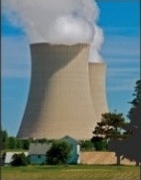
A nuclear power plant in Byron, Illinois. Taken by photographer Joseph Pobereskin (http://pobereskin.com). カレンダー
September 2026 S M T W T F S 1 2 3 4 5 6 7 8 9 10 11 12 13 14 15 16 17 18 19 20 21 22 23 24 25 26 27 28 29 30 -
Latest Posts / 最新記事
- 客室乗務員・パイロットの放射線関連がん死亡率、原子力技術者より高いとの研究結果viaYahoo!ニュースJapan /Cancer-Related Mortality Among US Pilots and Flight Attendants via JAMA Internal Medicine 2026/08/24
- Ship modified for transport of used MOX fuel via World Nuclear News 2026/05/06
- Nuclear’s cleanup cost threatens the expansion dream via DW 2026/03/21
- Germany won’t return to nuclear power, chancellor says via DW 2026/03/12
- President Trump’s radical attack on radiation safety via Bulletin of the Atomic Scientists 2025/10/27
Discussion / 最新の議論
- Leonsz on Combating corrosion in the world’s aging nuclear reactors via c&en
- Mark Ultra on Special Report: Help wanted in Fukushima: Low pay, high risks and gangsters via Reuters
- Grom Montenegro on Duke Energy’s shell game via Beyond Nuclear International
- Jim Rice on Trinity: “The most significant hazard of the entire Manhattan Project” via Bulletin of Atomic Scientists
- Barbarra BBonney on COVID-19 spreading among workers on Fukushima plant, related projects via The Mainichi
Archives / 月別アーカイブ
- August 2026 (1)
- May 2026 (1)
- March 2026 (2)
- October 2025 (2)
- August 2025 (1)
- June 2025 (2)
- May 2025 (10)
- February 2025 (1)
- November 2024 (3)
- October 2024 (1)
- September 2024 (5)
- July 2024 (4)
- June 2024 (3)
- March 2024 (1)
- February 2024 (6)
- January 2024 (4)
- November 2023 (8)
- October 2023 (1)
- September 2023 (7)
- August 2023 (5)
- July 2023 (10)
- June 2023 (12)
- May 2023 (15)
- April 2023 (17)
- March 2023 (20)
- February 2023 (19)
- January 2023 (31)
- December 2022 (11)
- November 2022 (12)
- October 2022 (7)
- September 2022 (6)
- August 2022 (22)
- July 2022 (29)
- June 2022 (15)
- May 2022 (46)
- April 2022 (36)
- March 2022 (47)
- February 2022 (24)
- January 2022 (57)
- December 2021 (27)
- November 2021 (32)
- October 2021 (48)
- September 2021 (56)
- August 2021 (53)
- July 2021 (60)
- June 2021 (55)
- May 2021 (48)
- April 2021 (64)
- March 2021 (93)
- February 2021 (69)
- January 2021 (91)
- December 2020 (104)
- November 2020 (126)
- October 2020 (122)
- September 2020 (66)
- August 2020 (63)
- July 2020 (56)
- June 2020 (70)
- May 2020 (54)
- April 2020 (85)
- March 2020 (88)
- February 2020 (97)
- January 2020 (130)
- December 2019 (75)
- November 2019 (106)
- October 2019 (138)
- September 2019 (102)
- August 2019 (99)
- July 2019 (76)
- June 2019 (52)
- May 2019 (92)
- April 2019 (121)
- March 2019 (174)
- February 2019 (146)
- January 2019 (149)
- December 2018 (38)
- November 2018 (51)
- October 2018 (89)
- September 2018 (118)
- August 2018 (194)
- July 2018 (22)
- June 2018 (96)
- May 2018 (240)
- April 2018 (185)
- March 2018 (106)
- February 2018 (165)
- January 2018 (241)
- December 2017 (113)
- November 2017 (198)
- October 2017 (198)
- September 2017 (226)
- August 2017 (219)
- July 2017 (258)
- June 2017 (240)
- May 2017 (195)
- April 2017 (176)
- March 2017 (115)
- February 2017 (195)
- January 2017 (180)
- December 2016 (116)
- November 2016 (115)
- October 2016 (177)
- September 2016 (178)
- August 2016 (158)
- July 2016 (201)
- June 2016 (73)
- May 2016 (195)
- April 2016 (183)
- March 2016 (201)
- February 2016 (154)
- January 2016 (161)
- December 2015 (141)
- November 2015 (153)
- October 2015 (212)
- September 2015 (163)
- August 2015 (189)
- July 2015 (178)
- June 2015 (150)
- May 2015 (175)
- April 2015 (155)
- March 2015 (153)
- February 2015 (132)
- January 2015 (158)
- December 2014 (109)
- November 2014 (192)
- October 2014 (206)
- September 2014 (206)
- August 2014 (208)
- July 2014 (178)
- June 2014 (155)
- May 2014 (209)
- April 2014 (242)
- March 2014 (190)
- February 2014 (170)
- January 2014 (227)
- December 2013 (137)
- November 2013 (164)
- October 2013 (200)
- September 2013 (255)
- August 2013 (198)
- July 2013 (208)
- June 2013 (231)
- May 2013 (174)
- April 2013 (156)
- March 2013 (199)
- February 2013 (191)
- January 2013 (173)
- December 2012 (92)
- November 2012 (198)
- October 2012 (229)
- September 2012 (207)
- August 2012 (255)
- July 2012 (347)
- June 2012 (230)
- May 2012 (168)
- April 2012 (116)
- March 2012 (150)
- February 2012 (198)
- January 2012 (292)
- December 2011 (251)
- November 2011 (252)
- October 2011 (364)
- September 2011 (288)
- August 2011 (513)
- July 2011 (592)
- June 2011 (253)
- May 2011 (251)
- April 2011 (571)
- March 2011 (494)
- February 2011 (1)
- December 2010 (1)
Top Topics / TOPトピック
- anti-nuclear
- Atomic Age
- Capitalism
- East Japan Earthquake + Fukushima
- energy policy
- EU
- France
- Hanford
- health
- Hiroshima/Nagasaki
- Inequality
- labor
- Nuclear power
- nuclear waste
- Nuclear Weapons
- Radiation exposure
- Russia/Ukraine/Chernobyl
- Safety
- TEPCO
- U.S.
- UK
- エネルギー政策
- メディア
- ロシア/ウクライナ/チェルノブイリ
- 健康
- 公正・共生
- 兵器
- 再稼働
- 労働における公正・平等
- 原子力規制委員会
- 原発推進
- 反原発運動
- 大飯原発
- 安全
- 広島・長崎
- 廃炉
- 東京電力
- 東日本大震災・福島原発
- 汚染水
- 米国
- 脱原発
- 被ばく
- 資本主義
- 除染
- 食の安全
Choose Language / 言語
チェルノブイリ原発事故に直面…決死隊に志願、消防士が挑む“危険な任務” 「チェルノブイリ1986」を採点!via 文春オンライン
〈あらすじ〉
1986年、ウクライナ・ソビエト社会主義共和国のプリピャチ。消防士のアレクセイ(ダニーラ・コズロフスキー)は元恋人のオリガ(オクサナ・アキンシナ)と10年ぶりに再会する。彼女が独りで育てている10歳の息子の父親が自分だと察し、家族3人での新生活を決意する。2週間後の4月26日、地元のチェルノブイリ原子力発電所が爆発し、穏やかな日常が一変する。原発の地下通路の構造に詳しいアレクセイは事故対策本部の会議に招集され、水蒸気爆発が発生すると欧州全土が放射性物質で汚染されることを知る。被曝した息子にスイスで最高の治療を受けさせることを交換条件に、アレクセイは爆発を阻止するための決死隊に志願する。
〈解説〉
未曾有の大災害に直面した消防士が、家族を守るために命がけの任務に挑むヒューマンドラマ。主演俳優ダニーラ・コズロフスキーの監督第2作。136分。
- 中野翠(コラムニスト)★★★☆☆当時の原発の内部はこうなっていたのかという興味。主人公(消防士)は捨て身の活躍ぶりだが、後遺症は? と気になる。
(略)
- 洞口依子(女優)★★☆☆☆20世紀の最も恐ろしい核災害という背景に錘が無い。学びにも欠ける。大体、恋愛ドラマ展開というその安っぽさに閉口。
‘Atoms and Ashes,’ a Frightening Tour of Six Nuclear Accidents via The New York Times
Serhii Plokhy writes about Three Mile Island, Chernobyl and other disasters, and about the common impulse among governments “to hide information and, later, to spin or distort it.”
ATOMS AND ASHES
A Global History of Nuclear Disasters
By Serhii Plokhy
Illustrated. 345 pages. W.W. Norton & Company. $30.
On Oct. 8, 1957, a Soviet newspaper reported that residents of Cheliabinsk, a city near the Ural Mountains, had spotted an “intensive luminescence, sometimes changing to pale pink and pale blue,” along the horizon. Cheliabinsk was located too far south to have had much experience with the aurora borealis, but the newspaper told its readers they happened to be seeing just that — a rare and gorgeous treat. “The Northern Lights,” the article concluded, “will remain visible in the Southern Ural latitudes.”
What readers were seeing would indeed remain visible, but the rest of the sentence was a lie. Those “Northern Lights” were in fact billions of irradiated particles that had been released into the air when a plutonium production plant exploded in nearby Kyshtym. It’s just one of many obfuscations, deceptions and outright fabrications recounted by Serhii Plokhy in “Atoms and Ashes,” his frightening new history of nuclear disasters across the world.
“Atoms and Ashes” recounts six accidents in detail, the first three connected to “atoms for war” (bomb-making) and the last three connected to “atoms for peace” (energy production). There’s the radioactive fallout after the Castle Bravo nuclear test of 1954, when the United States tested a hydrogen bomb at Bikini Atoll in the Marshall Islands; the explosion at Kyshtym, in 1957; the Windscale fire in Britain, also in 1957; the partial meltdown at Pennsylvania’s Three Mile Island, in 1979; the meltdown in Chernobyl, in 1986; and the Fukushima disaster in Japan, in 2011.
The global scope of such dire subject matter means that the experience of reading this book is a formidable exercise in cumulative disillusionment. By the time you get to the Soviets’ lies about the “Northern Lights,” you will have already read about how their American adversaries tried to cover up the extent of radioactive fallout after the Castle Bravo test in the Pacific — insisting that the skin lesions suffered by some unfortunate Japanese fishermen nearby was the result not of radiation but “vaporized coral.” (As Plokhy notes, this coral dust was itself radioactive.) In a subsequent chapter on Britain’s Windscale fire, you will learn how an official report detailing the full scale of the disaster was suppressed by the prime minister, Harold Macmillan, who “ordered the printers to destroy their type.”
Macmillan released his own interpretation of what happened at Windscale, when equipment problems and human error resulted in a raging reactor fire. He placed the blame squarely on the personnel, who felt enormously insulted, considering it was their skilled reaction that managed the fire and prevented an actual meltdown. (One of them recalls looking directly at the fire and thinking, “Oh dear, now we are in a pickle.”) Plokhy makes clear that human error certainly played a part — the reactor was “long overdue” for what is known as a periodic “annealing,” a process to release excess energy. But Windscale’s operators were responding to government pressure to produce more plutonium and tritium; it was also the government that pushed to build Windscale quickly and cheaply.
When Britain’s chief nuclear scientist, John Cockcroft, insisted that Windscale add some radiation filters during its construction, other officials gave only grudging approval, calling the filters “Cockcroft’s folly.” Those filters ended up trapping most of the radiation; without them, the lasting damage to the surrounding area would have been much worse. Plokhy adds that subsequent medical observation of the area suggested that the fire may not have been the only source of irradiation at Windscale. The pressure to produce more had also meant an increased risk of radiation leaks.
More than any spectacular explosion, radiation is the deadly stuff that lingers, both in actual fact and in the imagination. At Three Mile Island, technical malfunction combined with human error to generate a partial meltdown. Government officials worried that evacuating a 5-mile radius around the plant in an “excess of caution” would create runaway confusion and panic. As the governor of Pennsylvania put it, describing the terrors of fallout, “It is an event that people are not able to see, to hear, to taste, to smell.”
[…]
But other people have suffered horrifically, in secret. Contaminated milk, radioactive hot spots, mysterious cancers — the lag time between an accident and its effects can impede efforts to calculate the full scope of a disaster. And then there is the question of how to dispose of spent fuel, a problem that has been punted to future generations. “The existing nuclear industry is an open-ended liability,” Plokhy writes. With catastrophic climate change bearing down on us, nuclear power has been promoted by some as an obvious solution, but this sobering history urges us to look hard at that bargain for what it is.
Read more.
Posted in *English
Tagged Castle Bravo, Chernobyl, Fukushima, Kyshtym, nuclear power plants, Nuclear Weapons, Three Mile Island, Windscale
Comments Off on ‘Atoms and Ashes,’ a Frightening Tour of Six Nuclear Accidents via The New York Times
Offshore wind farm balancing German power grid seen as energy transition “milestone” via Clean Energy Wire
NEWS20 May 2022, 13:46 Benjamin Wehrmann
Clean Energy Wire
For the first time, offshore wind energy in Germany is being used to stabilise the country’s electricity system in case of grid fluctuations. The offshore wind farm Riffgrund 1, operated by Danish energy company Orsted, will act as a so-called secondary reserve for the grid, meaning “offshore wind power is just as reliable as power coming from conventional plants,” Orsted Germany head Jörg Kubitza said. Offshore wind turbines are among the most reliable renewable power technologies and have become economically competitive system stabilisers, which had previously been the domain of conventional power plants, Kubitza added. “Offshore wind power is a foundation of Germany’s energy transition and contributes to supply security at many levels,” he said. Raphael Hirtz of planning company Energy2market called the provision of control energy by wind turbines “a milestone of the energy transition” that demonstrates renewables can “to a large extent” sustain a stable power system after Germany has ended coal and nuclear power production.
[…]
Read more.
Posted in *English
Tagged Germany, Offshore wind, renewables
Comments Off on Offshore wind farm balancing German power grid seen as energy transition “milestone” via Clean Energy Wire
Opposition Grows to Reviving Diablo Canyon Nuclear Plant via Associated Press (Reader Supported News)
Michael R. Blood
[…]
Last month, Democratic Gov. Gavin Newsom raised the possibility that the Diablo Canyon Nuclear Power Plant — which sits on a coastal bluff halfway between San Francisco and Los Angeles — could keep running beyond a scheduled closing by 2025. His office said the governor is in favor of “keeping all options on the table to ensure we have a reliable (electricity) grid.”
In a letter to Newsom, groups that included San Luis Obispo Mothers for Peace, the Oregon Conservancy Foundation, the Snake River Alliance and the Ohio Nuclear Free Network said the plant is old, unsafe and too close to earthquake faults that pose a threat to the twin reactors.
“Your suggestion to extend the operational life of the Diablo Canyon nuclear facility is an outrage,” they wrote. “Diablo Canyon is dangerous, dirty and expensive. It must retire as planned.”
The Democratic governor has no direct authority over the operating license for the plant. He floated the idea that owner Pacific Gas … Electric could seek a share of $6 billion in federal funding the Biden administration established to rescue nuclear plants at risk of closing.
PG&E, which in 2016 decided to shutter the plant by 2025, did not directly address Newsom’s suggestion at the time or say whether the company would consider seeking federal dollars to remain open beyond the scheduled closing.
PG&E announced the closing plan in 2016 as part of a deal with environmentalists and union workers, citing a “recognition that California’s new energy policies will significantly reduce the need for Diablo Canyon’s electricity output.” But Newsom’s suggestion highlights that the thinking has shifted, as the state looks for reliable power sources amid a changing global climate as California gradually shifts to solar, wind and other renewables.
Recently, state officials warned that extended drought, extreme heat and wildfires — paired with supply chain and regulatory issues hampering the solar industry — will create challenges for energy reliability this summer and into coming years.
The environmental groups argued that continuing to operate the plant beyond its scheduled closing would generate hundreds of tons of highly radioactive waste, with no permanent storage site for it. And they said state, by its own account, is lining up enough wind, solar and other renewables to replace Diablo’s electricity.
They also questioned whether any federal funds would be enough to unravel the complex deal to close Diablo Canyon, which is regulated by state and federal agencies.
Issues in play at Diablo Canyon range from a long-running debate over the ability of structures to withstand earthquakes — one fault runs 650 yards (594 meters) from the reactors — to the possibility PG&E might be ordered by state regulators to spend potentially billions of dollars to modify or replace the plant’s cooling system, which sucks up ocean water and has been blamed for killing fish and other marine life.
Newsom continues to support closure of the plant “in the long term” as the state moves to renewable energy.
There are 55 commercial nuclear power plants with 93 nuclear reactors in 28 U.S. states. Nuclear power provides about 20% of electricity in the U.S., or about half the nation’s carbon-free energy.
Read more.
Posted in *English
Tagged Diablo Canyon nuclear power plant, energy policy
Comments Off on Opposition Grows to Reviving Diablo Canyon Nuclear Plant via Associated Press (Reader Supported News)
原発避難4訴訟が結審 最高裁、夏前にも統一判断へ 避難者「痛み、放置せず判断を」 via 東京新聞
[…]
弁論で原告側は、防潮堤の設置は長い年月と数百億円の費用がかかる一方、建屋の水密化工事は1億円未満で1年以内に完了すると指摘。「防潮堤の設置と建屋の水密化を講じていれば、津波の影響は相当程度軽減され、事故は起きなかった」と主張した。 一方、国側は「想定とは違う津波で、仮に防潮堤を設置しても防ぐことは不可能だったし、原子炉施設の水密化で対処する手法は当時確立していなかった」と反論した。 愛媛訴訟は、福島県から愛媛県に避難した10世帯25人が2015年までに提訴。19年に松山地裁、21年に高松高裁がいずれも国と東電の責任を認めた。東電に対して賠償金約4600万円の支払いを命じた高松高裁判決は、今年3月に確定している。
◆「原発事故を起こした社会の誤りを正さないと」
意見陳述で福島県南相馬市から愛媛県に避難した原告の渡部寛志さん(43)は、「人の痛みを放置させない判断を」と声を振り絞り、国の責任を認める判断を求めた。 「普通に高校に行って、普通に大学にいけたんじゃないか」(22歳男子大学生)「両親は離婚せず、お父さんと遊びに行ったり、反抗したりできたんだろうな」(高校2年の女子生徒)―。渡部さんは、他の原告たちの「もしも原発事故がなかったら」の声を紹介。「あの暮らしを返せとどんなに望んでも取り返せない」と声を震わせて被害を訴えながら、「国の責任を認めた判決を得て、原発事故を起こした社会の誤りを正さないといけない」と強調した。 弁論後の記者会見で、原発被害者訴訟原告団全国連絡会は、判決で国の責任が認められた場合に政府や与党に求める「救済に関する共同要求」を報道陣に公開した。要求は賠償額の見直しや汚染水の海洋放出の撤回など9項目。馬奈木まなぎ厳太郎いずたろう弁護士は「例え勝訴してもそれで終わりではない。救済策が実現されるよう、判決後すぐに行動していく」と語った。(小沢慧一)【関連記事】原発避難者側、国の責任あらためて主張 群馬訴訟、最高裁で弁論 夏にも統一判断
近づく海底トンネル着工 規制委が処理水の海洋放出計画を事実上認可 東電福島第一原発 via 東京新聞
原子力規制委員会は18日の定例会合で、東京電力が申請した福島第一原発の汚染水を浄化処理した後の水を海洋放出する実施計画について、安全性に問題はなく原子炉等規制法や政府方針の要求を満たしているとした審査書案を了承した。6月17日まで1カ月間の意見公募(パブリックコメント)をした後、7月中にも認可する。
実施計画は、設備の設計や放出方法、放出後の環境や人への影響などを盛り込んだ。規制委は申請があった昨年12月以降、13回の審査会合を重ね、計画内容に大きな変更はないまま認めた。 処理水を沖合1キロに放出する主要設備の海底トンネルの工事を始めるには、規制委の認可後に原発が立地する福島県と大熊、双葉両町の事前了解が必要。東電は着工を当初6月からと計画したが、7月以降にずれ込むことが確実となった。
[…]
東電は一部工事は事前了解の対象外とし、昨年12月に放出する水を一時的にためる立て坑の掘削を開始。今月5日には放出口を設けるため海底の掘削も始めた。海底トンネルを掘る機械「シールドマシン」も発進場所の立て坑底部に設置済みで、いつでも着工できる態勢を整えている。 事前了解について、大熊町の吉田淳町長は16日、報道各社の取材に「判断時期は決めていない。技術的な問題を判断するもので、放出して良いか悪いかについての答えを含むものではない」と述べた。 東電と政府は2015年、福島県漁連に「理解なしにいかなる処分(海洋放出)もしない」と約束しており、実際に放出できるかは不透明だ。
[…]
東電の計画では、浄化処理後も主に放射性物質トリチウムが残る水を大量の海水で薄め、トリチウム濃度を国の排出基準の40分の1未満にして放出する。開始時期は「23年春ごろ」としているが、東電は根拠とした保管タンクの満杯時期を「23年秋ごろ」に見直したことを4月末に公表した。(小野沢健太)
原爆の遺伝的影響「将来世代まで、許せない」 被爆2世の開さん via 朝日新聞
長崎県被爆二世の会は、長崎市内で「被爆二世の体験を聞く会」を開き、全国被爆二世団体連絡協議会元会長、開(ひらき)彰人さん(72)=諫早市=が証言した。開さんは「(原爆の)遺伝的影響を明らかにしてほしい気持ちと、してほしくない気持ちが同居している」と複雑な胸の内を語った。
聞く会は15日にあり、約20人が聞いた。開さんの祖母、母、2人の兄は爆心地から約4キロ離れた長与町の自宅で被爆。家具や窓が壊れてめちゃくちゃになり、母は翌日から行方不明者を捜して爆心地近くに入ったという。
戦後生まれの2歳年上の兄は45歳の時に職場で会議中に突然倒れ、のちに死亡。自身も結核や心臓病、大腸がんなどの病気を患った。長女の左腕にも障害があるが、医師は「原爆による遺伝的影響については、わからない」としている。
続きは原爆の遺伝的影響「将来世代まで、許せない」 被爆2世の開さん
US atomic bombs back in Britain? via Beyond Nuclear International
Move puts UK on front line in a NATO/Russia war
By Kate Hudson
News that US nuclear weapons may already be back in Britain, at RAF/USAF Lakenheath in East Anglia, makes Britain once again a forward nuclear base for the US in Europe.
110 US/NATO free-fall B61 nuclear bombs were removed from Lakenheath in 2008, following sustained protest at the base by CND and the Lakenheath Action Group. US nuclear bombs had been located there since 1954.
Their return – assigned to NATO – will increase global tensions and put Britain on the front line in a NATO/Russia war. B61s have continued to be sited in five other countries across Europe – Belgium, Germany, the Netherlands, Italy and Turkey – in spite of strong opposition within some of the ‘host’ countries.
Now the UK has been added to the US’s list of European sites in line for infrastructure investment for storing ‘special weapons within secure sites and facilities’. Special weapons mean nuclear weapons and this is happening in the context of increasing tension with Russia and the current escalating war.
Since the weapons were removed in 2008, the empty storage vaults for the weapons have been on ‘caretaker’ status, but reports of nuclear exercises at Lakenheath increase the likelihood that nuclear weapons are back, or on their way; the base currently hosts F-15E fighter-bombers with nuclear capability but these are being replaced by the new nuclear- capable F-35A Lightning. The first of these new fighter- bombers arrived in December 2021.
Within the next year US/NATO nuclear bases in Europe will also receive the new B61-12 guided nuclear bomb which is entering full-scale production in the US.
The return of US nuclear weapons to Britain and the upgrading of its nuclear weapons across Europe constitutes a further undermining of prospects for peace in Europe and beyond.
The US is the only country to locate its nuclear weapons outside its own borders and this major increase in NATO’s capacity to wage nuclear war in Europe is dangerously destabilising.
Whether they have already been returned to Britain, or their delivery is still in preparation, this is a huge challenge for the peace movement and we will do everything we can to prevent these weapons being sited here.
[…]
Read more.
Posted in *English
Tagged Nuclear Weapons, UK
Comments Off on US atomic bombs back in Britain? via Beyond Nuclear International
原発事故被曝で「子孫に遺伝的影響」4割が誤解…環境省全国調査 via 読売新聞
東京電力福島第一原子力発電所事故で 被曝ひばく した人について、子孫に遺伝的な影響が起こる可能性があると誤解している人が約4割に上ることが、環境省が初めて実施した全国調査でわかった。同省は福島県民への差別や偏見につながる恐れがあるとして、改めて情報発信に力を入れている。
被曝による遺伝的な影響を巡っては、長崎、広島原爆の被爆者調査で遺伝病増加などの事実は確認されていない。また、放射線による人体や環境への影響を評価する国際機関「原子放射線の影響に関する国連科学委員会」は昨年、福島原発事故で「遺伝的影響はみられない」とする報告書をまとめている。
[…]
同省は「結婚や妊娠などで差別や偏見につながる可能性がある」とし、専用サイトを設け、大学生らが被曝などの知識を学ぶイベントを主催。正しい情報を広める活動に取り組んでいる。
全文は 原発事故被曝で「子孫に遺伝的影響」4割が誤解…環境省全国調査