Guest Article: Do Emissions from Nuclear Power Plants Cause Cancer? via Irvine Community News & Views

By Roger Johnson

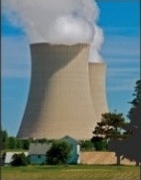
While we agonize over the COVID-19 pandemic, perhaps it is also appropriate to consider another medical enigma which kills far more.  Cancer is the number one killer in California.  This year, cancer deaths are expected to exceed 60,000 in California and 600,000 nationwide.  Radioactive discharges from nuclear power plants are viewed by many as a contributing factor.  Over 100 million Americans live within 50 miles of a nuclear power plant.

Our very own San Onofre has been regularly releasing low-level radiation into the ocean and atmosphere for more than a half-century.  Although it is listed as “low-level,” the destructive biological effects of radiation are cumulative.  According to the Nuclear Regulatory Commission, even small doses of ionizing radiation increase risks to humans.  Air ejectors blast dozens of radionuclides into the prevailing winds which generally blow over the populated cities of Orange County.  Giant pipes that are 18 feet in diameter discharge liquid releases into the ocean, up to a million gallons per minute.  Radionuclides are mixed with sea water in discharges that can go on for more than a day.  The theory is simple: The solution to pollution is dilution.

Unfortunately for us, this radioactivity is a protected pollutant.  While the Nuclear Regulatory Commission says radioactive waste is permissible, it is careful not to say that it is safe. The concentrations which are discharged are governed by a motivational standard known as ALARA which means “As Low As Reasonably Achievable.”  Permissible levels are based on healthy young adult males even though it is well known that women and children are much more vulnerable to the damaging effects on cell DNA.  The human fetus is about 50 times more vulnerable.

[…]

Yes, San Onofre is now closed but its 1,773 tons (not pounds) of highly radioactive spent plutonium and uranium will remain in our backyard for the indefinite future.  It is called “spent” fuel because its profitability is spent.  Some of the radioactivity will remain lethal for millions of years.  It has taken a long time, but our country is finally learning that nuclear power is by far the most expensive, the most unreliable, the most dangerous, and the most environmentally destructive form of energy production.

Read more at Guest Article: Do Emissions from Nuclear Power Plants Cause Cancer?

Posted in *English | Tagged , , , | 7 Comments

甲状腺検査サポート事業の受給者314人~福島県 via Our Planet-TV

東京電力福島第1原発事故以降、福島県民の健康診断のあり方を議論している「県民健康調査」検討委員会の第38回会合が25日、福島市内で開かれた。昨年12月までに新たに甲状腺がん摘出手術を受けた患者は5人で、甲状腺がんと確定した患者は191人となった。また、甲状腺がんの疑いがある患者の医療費を支給している「甲状腺検査サポート事業」の報告もあり、2015年7月の支給開始から今年3月までに、314人が医療費を受給していることが分かった。

今回、公表されたのは、3巡目(2016年〜17年)と4巡目(2018年〜19年)の昨年12月末までの甲状腺検査結果。穿刺細胞診でにより、新たに悪性ないし悪性疑いと診断された例はなかったが、3巡目が2人、4巡目が3人の計5人が新たに手術を受け、いずれも術後の病理診断で乳頭がんと診断された。これで、甲状腺がんと確定した患者は191人となった。

甲状腺検査サポート事業の受給者は314人 また、甲状腺がんと診断された患者などに医療費を交付している「検査でサポート事業」の実施状況も公表した。これによると、2015年の事業開始から今年3月末までの5年間に医療費の交付を受けたのは314人のべ499件で、1年前の公表人数から61人増えた。

また、手術費用の交付を受けた人も前回の公表より25人増加。5年間の類型は118人となり、うち4人が再手術費用の交付を受けている。これら118人の病理診断結果は、甲状腺がん全体で111人 (乳頭がん107人増(22人増)から・低分化がん1人 ・濾胞がん3人(2人増))、濾胞腺腫等など甲状腺がん以外7人(1人増)だった。

検討委員会では「妊産婦検査」の終了と報告書の取りまとめなどが検討されたほか、環境省の田尻克志環境保健部長が来年の原発事故10年を踏まえて、何らかの見解を示すことを提案。了承された。

[…]

全文と動画

Posted in *日本語 | Tagged , | Comments Off on 甲状腺検査サポート事業の受給者314人~福島県 via Our Planet-TV

#466 – Navajo Nation’s Covid/Uranium Mining Connection Janene Yazzie via Nuclear Hotseat

This Week’s Featured Interview: 

  • Navajo Nation’s Janene Yazzie is a community organizer and human rights advocate who has worked on development and energy issues with indigenous communities across the United States. Among her many positions, she is Sustainable Development Program Coordinator for International Indian Treaty Council and the council’s representative as Co-convenor of the Indigenous Peoples Major Group of the U.N. High-level Political Forum on the 2030 Sustainable Development Goals.  She is also co-founder Sixth World Solutions LLP, Navajo Nation Little Colorado River Watershed Chapters Association.  Janene is currently working on the front lines of the Navajo Nation response to the Covid 19 pandemic, and speaks to the connection between Covid and the decades of her people’s exposure to uranium mine radioactive contamination.

    Organizations and Social Media Links for Janene Yazzie:
    • Facebook and Instagram under her name
    • How to connect with Navajo Nation Covid relief efforts: www.navajohopisolidarity.org 
    • GoFundMe: https://www.gofundme.com/f/NHFC19Relief
    • Other relief efforts:
      • McKinley County Mutual Aid – https://ourindigenouslifeways.org/
      • Kinlani Flagstaff Mutual Aid- http://www.taalahooghan.org/kinlani-flagstaff-mutual-aid/
      • Ke Infoshop- www.keinfoshop.org/donate/
      • Nihi K’é Baa’ – www.venmo.com/code?user_id=2994210512830464113 or https://www.paypal.me/nihikebaa
      • Far Eastern Navajo- https://www.gofundme.com/f/far-east-navajo-covid19-relief
      • International Indian Treaty Council

Numnutz of the Week (for Outstanding Nuclear Boneheadedness):

Ah yeah, sure, THAT’s the way to guarantee the safety of the American people: promise the world that the U.S. will threaten to “spend adversaries into oblivion” in a new nuclear arms race. 

Action/Info Links:

Listen here.

Posted in *English | Tagged , , , | 4 Comments

Covid-19 strains French nuclear model via Petroleum Economist

Workplace restrictions could hasten the decline of France’s fleet of baseload generators

Nowhere on earth embraced nuclear power as enthusiastically as France. In 2019, 70pc of its power output was fuelled by uranium rather than gas, coal or renewable sources.

But French nuclear power is not without problems. The two-decade long travails of new EPR technology has almost entirely stalled the build-out of new capacity to renew the country’s ageing fleet. The need for greater flexibility in thermal power as renewable capacity increases, as well as changing public opinion towards nuclear power, also raises questions for the future.

But France still assumes 50pc of its power output will come from nuclear plants in ten years’ time. The challenges posed by Covid-19 could change all that.

Throttling back

Electricity demand in France is mainly focused on the domestic sector, with industrial energy requirement much more reliant on gas than in many other European countries, says Alun Davies, a senior director at consultancy IHS Markit in London. Therefore, fluctuations in French power demand are driven more, in his view, by variables such as the weather than the impact of Covid-19. Relaxing lockdown should not cause a spike in power demand.

Yet, “nuclear generation is taking the majority of the hit” in reduced French power output, which cannot then simply be tied to a response to lower demand due to Covid-19 restrictions. Nuclear output from the country’s largest generator EdF—in which the state still holds a stake of well over 80pc—in March was down by 13.8pc compared with a year earlier.

The company predicts that its reactors’ output will fall by more than a fifth year-on-year over 2020 as whole. It has also withdrawn all financial targets for 2020 and 2021. And it is facing open revolt from buyers of its nuclear power under the so-called Arenh contracts.

This mechanism allows competitors to EdF to buy output from nuclear plants at a price fixed at an auction. But the current auction price, set late last year, of over €40/MWh is well above the wholesale market price—leading buyers to make force majeure declarations and pursue court action against EdF for seeking to honour the contracts.  

Maintaining safety

Nuclear power plants—like all other generation assets, but more pointedly so due to the greater risks posed by industrial accidents—require a certain level of trained staff. Below minimum staffing thresholds, nuclear reactors must close.

EdF says it can run its plants with 40pc fewer staff for two-to-three weeks, and with 25pc fewer for up to three months. But there is “absolutely no question” that the pandemic creates the danger of a lack of trained staff, says Paul Dorfman, senior research fellow at the UCL Energy Institute in London, who has advised the French, British and Irish governments on nuclear policy. 

EdF categorically refutes the suggestion. Plant unavailability in Europe must be made public under the EU’s Remit regulation; i.e. a firm cannot take large power stations offline without telling the market it has done so. EdF “complies strictly with the Remit regulatory framework”, it says—in other words, it has not had to shut down more plants than it is admitting to. And “nuclear safety is EdF’s overriding priority”, the firm stresses.

“EdF’s response is standard,” says an unconvinced Dorfman. “The key concern is that the reductions in staffing, inspections, outages and necessary maintenance being implemented in response to the pandemic will inevitably lead to reduced nuclear safety at EdF facilities. That this is being done with the approval of the French nuclear regulators is not reassuring. And, to date, the ASN [French nuclear authority] has not provided a transparent framework to justify these decisions.”

Dorfman sees it as part of a wider trend. EdF has been postponing essential nuclear maintenance, and the ASN has allowed a “lax safety regime” to develop around these postponements, Dorfman contends. EdF and the regulators are “not being transparent about this”, he adds.

[…]


Read more.

Posted in *English | Tagged , | 5 Comments

福島第1原発事故で避難 川俣・山木屋の住民62人、思い一冊に 薄れる記憶に危機感via 河北新報

東京電力福島第1原発事故で一時避難を余儀なくされた福島県川俣町山木屋地区で、住民62人による東日本大震災の体験をまとめた冊子「震災の記憶 山木屋では」が完成した。2017年3月の避難指示解除から3年余。地区住民らに寄稿を呼び掛けた山木屋公民館長広野隆俊さん(76)は「避難を経験しなかった町民や町外の人にも広く読んでもらいたい」と話す。

 地区に暮らしていた10~80代の住民が不安な夜を過ごした体験、避難解除前後の思いなどを振り返った。60代女性は避難所生活を振り返り「分かち合える人がいなかった。時が経つにつれ、ねたみだけが向けられるようになった」と涙を流した記憶をつづった。
 「自分が光となって暗闇を照らしたい」。地域に根差す「山木屋太鼓」を率いる30代男性は「体は避難しても、心まで避難したくない。心の宝だけは失いたくない」と、ソロの和太鼓奏者の道を選んだ心境をしたためた。冊子には復興事業の一覧や年表も載せた。
 発起人の広野さんは、以前から被災記憶の伝承の必要性を感じていた。震災と原発事故の2年後に講演を依頼されたが、未曽有の原発事故と避難生活を経験したのにもかかわらず、既に記憶が薄れつつあることに気付いたという。
 館長就任10年目に地元の役に立つ仕事をと考えた時、真っ先に被災経験を伝える冊子が思い浮かんだ。19年7月ごろから、地区住民約100人を1軒ずつ訪ね歩いて趣旨を説明した。
 当初は実名での寄稿を渋る住民もいたが「誰がどんな思いで書いたのか分からなくなる。自分の家だけでなく、町の宝として震災の記憶を子や孫に伝えたい」と粘り強く訴えた。
 共感してくれた62人分の原稿を公民館が編集し、地区の復興拠点となっている商業施設「とんやの郷」の来場20万人記念事業として町が約700部を発行した。冊子はA4判、115ページ。地区住民に配ったほか、残部は町内の各公民館や町役場にも置いた。
 広野さんは「原発事故の被災者に『東電から賠償金をもらえたからいいではないか』などと心ないことを言う人もいるが、お金に代えられないたくさんの苦労が住民にはある」と話す。

原文

Posted in *日本語 | Tagged , , | 3 Comments

原発事故処理に再エネ財源流用 政府提出のエネ特会改正案via 東京新聞

国会で審議中の「エネルギー対策特別会計(エネ特会)改正案」に識者らから疑問の声が上がっている。同法案は再生可能エネルギー普及のための財源を、東京電力福島第一原発の事故処理にも流用できるようにする狙いだが、再生エネ普及の遅れにつながりかねない。復興庁設置法改正案など計5本の「束ね法案」のため審議が国民に見えづらく、識者らは「通しやすい法案と束ねることで追及を避ける禁じ手」と政府の法案提出手法も問題視する。法案は5月22日に衆議院を通過、今週にも参議院審議が始まる。 (石川智規)

政府「束ね法案」で争点隠し

 政府のエネ特会は国の一般会計から切り離した特別な会計で管理しており、会計内の各勘定も事業や経理を区分して管理している。特定の財源を特定の目的に限って使うことで経理を明確にするためだ。
 だが、改正案は勘定間での資金のやりくりを解禁。再生可能エネルギーの普及などに使途を限定する「エネルギー需給勘定」(エネ需勘定)の資金を、「原子力災害からの福島の復興に関する施策」に関しては、原発振興や福島原発事故処理を目的とする「電源開発促進勘定」(電促勘定)に繰り入れられるようにする。
 背景には福島原発事故処理の費用が膨らみ電促勘定が逼迫(ひっぱく)している事情がある。本来事故処理は東電の負担で行うはずだったが、政府は2013年末に一部を国が負担すると閣議決定。14年度から汚染土を保管する中間貯蔵施設の費用として電促勘定から約350億円を投入してきた。だが中間貯蔵費用の総額推計は当初の1兆1000億円から1兆6000億円に拡大。毎年の投入額も約470億円に膨らみ、いずれ資金不足に陥る見通しだ。
 再エネ開発のための資金が転用されることで、先進各国に比べ遅れている再エネの普及はさらに遅れる懸念がある。財務省の担当者は国会答弁で「繰り入れは一時的で、後日繰り戻す規定も設けている」と説明したが、いつ資金が返済されるかは法案に明記されていない。

[…]


Posted in *日本語 | Tagged , | Comments Off on 原発事故処理に再エネ財源流用 政府提出のエネ特会改正案via 東京新聞

被曝検査で「替え玉」31件 福島第1原発の作業員 via 産経新聞

 東京電力は25日、福島第1原発で内部被曝(ひばく)線量を調べるホールボディーカウンター(WBC)で、別の作業員が「替え玉」で検査を受けた事例が計31件あったと発表した。

(略)

 東電によると、原発内にあるWBCを受けた記録があるのに、同じ日に原発内に入った記録がない作業員が見つかった。平成28年4月~今年2月を対象に調査した結果、協力企業の作業員15人の代わりに同僚9人が検査を受けていた。

 検査には本人確認のための「管理区域立入許可証」が必要だが、9人は本来検査を受けるべき作業員の許可証を持ち出していた。

全文は被曝検査で「替え玉」31件 福島第1原発の作業員

Posted in *日本語 | Tagged , , , , | 8 Comments

福島の甲状腺調査、コロナ禍で一部休止 なし崩しの縮小に懸念via東京新聞

 新型コロナウイルスの影響は東京電力福島第一原発事故の被災地にも及んだ。福島県が行う甲状腺がんの検査も学校を会場とする分が当面休止となった。ここで懸念されるのが、なし崩し的に検査が縮小されないかという点だ。検査を巡っては「不安を与えるだけ」と不利益を強調する声があり、それを追認する国際機関もある。しかし今考えるべきは新たな災禍がある中でも「人災」の被災者をどう支え続けるかという点ではないか。 (榊原崇仁)

[…]

全文

Posted in *日本語 | Tagged , , , | Comments Off on 福島の甲状腺調査、コロナ禍で一部休止 なし崩しの縮小に懸念via東京新聞

原電の安全審査資料、調査データを250カ所超「変更」 敦賀原発2号機via毎日新聞

日本原子力発電による敦賀原発2号機(福井県)の安全審査に関する資料の無断書き換え問題を受け、原電が資料とその根拠になった地層の調査データとを照らし合わせたところ、250カ所以上で変更点を確認した。原電への取材で判明した。委託先の調査会社がデータの評価を改めていたためだが、その経緯などの記録は資料に残されていなかった。原子力規制委員会が今後の審査で、変更の妥当性などを議論する。

 2号機の直下には活断層があると指摘されている。審査の結果、活断層と認定されると廃炉になることから、原電は審査会合で「活断層ではない」と主張している。

[…]

その際、例えばデータでは薄い粘土層を表す「シーム」と評価していたのに、文案になると「シーム」に触れていない所が206カ所あった。他にもデータで「(軟らかい層を指す)破砕部ではない」としていたが、文案で「破砕部である」となっていたのが39カ所あった。

 「シーム」や「破砕部」は活断層の可能性を考える上で重要な指標となる。原電はこの文案に基づいて、審査資料をまとめていたが、審査資料にはこのような評価を改めた記録はなかった。原電によると、調査会社がデータを観察し直した結果、評価が変わったという。

 これとは別に、原電の審査資料には80カ所で書き換えや削除が見つかっている。【荒木涼子】

全文

Posted in *日本語 | Tagged , | Comments Off on 原電の安全審査資料、調査データを250カ所超「変更」 敦賀原発2号機via毎日新聞

Trump administration discussed conducting first U.S. nuclear test in decades via The Washington Post

By John Hudson and Paul Sonne 

The Trump administration has discussed whether to conduct the first U.S. nuclear test explosion since 1992 in a move that would have far-reaching consequences for relations with other nuclear powers and reverse a decades-long moratorium on such actions, said a senior administration official and two former officials familiar with the deliberations.

The matter came up at a meeting of senior officials representing the top national security agencies May 15, following accusations from administration officials that Russia and China are conducting low-yield nuclear tests — an assertion that has not been substantiated by publicly available evidence and that both countries have denied.

[…]

The meeting did not conclude with any agreement to conduct a test, but a senior administration official said the proposal is “very much an ongoing conversation.” Another person familiar with the meeting, however, said a decision was ultimately made to take other measures in response to threats posed by Russia and China and avoid a resumption of testing.

[…]

The National Security Council declined to comment.

During the meeting, serious disagreements emerged over the idea, in particular from the National Nuclear Security Administration, according to two people familiar with the discussions. The NNSA, an agency that ensures the safety of the nation’s stockpile of nuclear weapons, didn’t respond to a request for comment.

[…]

The United States remains the only country to have deployed a nuclear weapon during wartime, but since 1945 at least eight countries have collectively conducted about 2,000 nuclear tests, of which more than 1,000 were carried out by the United States.

The environmental and health-related consequences of nuclear testing moved the process underground, eventually leading to a near-global moratorium on testing in this century with the exception of North Korea. Concerns about the dangers of testing prompted more than 184 nations to sign the Comprehensive Nuclear-Test-Ban Treaty, an agreement that will not enter into force until ratified by eight key states, including the United States.

[…]

The main purpose of nuclear tests has long been to check the reliability of an existing arsenal or try out new weapon designs. Every year, top U.S. officials, including the heads of the national nuclear labs and the commander of U.S. Strategic Command, must certify the safety and reliability of the stockpile without testing. The Trump administration has said that, unlike Russia and China, it isn’t pursuing new nuclear weapons but reserves the right to do so if the two countries refuse to negotiate on their programs.

The deliberations over a nuclear test explosion come as the Trump administration prepares to leave the Treaty on Open Skies, a nearly 30-year-old pact that came into force in 2002 and was designed to reduce the chances of an accidental war by allowing mutual reconnaissance flights for members of the 34-country agreement.

Read more at Trump administration discussed conducting first U.S. nuclear test in decades

Posted in *English | Tagged , | 4 Comments