
Subscribe

-



Featured Topics / 特集
-
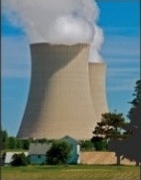
A nuclear power plant in Byron, Illinois. Taken by photographer Joseph Pobereskin (http://pobereskin.com). カレンダー
September 2026 S M T W T F S 1 2 3 4 5 6 7 8 9 10 11 12 13 14 15 16 17 18 19 20 21 22 23 24 25 26 27 28 29 30 -
Latest Posts / 最新記事
- 客室乗務員・パイロットの放射線関連がん死亡率、原子力技術者より高いとの研究結果viaYahoo!ニュースJapan /Cancer-Related Mortality Among US Pilots and Flight Attendants via JAMA Internal Medicine 2026/08/24
- Ship modified for transport of used MOX fuel via World Nuclear News 2026/05/06
- Nuclear’s cleanup cost threatens the expansion dream via DW 2026/03/21
- Germany won’t return to nuclear power, chancellor says via DW 2026/03/12
- President Trump’s radical attack on radiation safety via Bulletin of the Atomic Scientists 2025/10/27
Discussion / 最新の議論
- Leonsz on Combating corrosion in the world’s aging nuclear reactors via c&en
- Mark Ultra on Special Report: Help wanted in Fukushima: Low pay, high risks and gangsters via Reuters
- Grom Montenegro on Duke Energy’s shell game via Beyond Nuclear International
- Jim Rice on Trinity: “The most significant hazard of the entire Manhattan Project” via Bulletin of Atomic Scientists
- Barbarra BBonney on COVID-19 spreading among workers on Fukushima plant, related projects via The Mainichi
Archives / 月別アーカイブ
- August 2026 (1)
- May 2026 (1)
- March 2026 (2)
- October 2025 (2)
- August 2025 (1)
- June 2025 (2)
- May 2025 (10)
- February 2025 (1)
- November 2024 (3)
- October 2024 (1)
- September 2024 (5)
- July 2024 (4)
- June 2024 (3)
- March 2024 (1)
- February 2024 (6)
- January 2024 (4)
- November 2023 (8)
- October 2023 (1)
- September 2023 (7)
- August 2023 (5)
- July 2023 (10)
- June 2023 (12)
- May 2023 (15)
- April 2023 (17)
- March 2023 (20)
- February 2023 (19)
- January 2023 (31)
- December 2022 (11)
- November 2022 (12)
- October 2022 (7)
- September 2022 (6)
- August 2022 (22)
- July 2022 (29)
- June 2022 (15)
- May 2022 (46)
- April 2022 (36)
- March 2022 (47)
- February 2022 (24)
- January 2022 (57)
- December 2021 (27)
- November 2021 (32)
- October 2021 (48)
- September 2021 (56)
- August 2021 (53)
- July 2021 (60)
- June 2021 (55)
- May 2021 (48)
- April 2021 (64)
- March 2021 (93)
- February 2021 (69)
- January 2021 (91)
- December 2020 (104)
- November 2020 (126)
- October 2020 (122)
- September 2020 (66)
- August 2020 (63)
- July 2020 (56)
- June 2020 (70)
- May 2020 (54)
- April 2020 (85)
- March 2020 (88)
- February 2020 (97)
- January 2020 (130)
- December 2019 (75)
- November 2019 (106)
- October 2019 (138)
- September 2019 (102)
- August 2019 (99)
- July 2019 (76)
- June 2019 (52)
- May 2019 (92)
- April 2019 (121)
- March 2019 (174)
- February 2019 (146)
- January 2019 (149)
- December 2018 (38)
- November 2018 (51)
- October 2018 (89)
- September 2018 (118)
- August 2018 (194)
- July 2018 (22)
- June 2018 (96)
- May 2018 (240)
- April 2018 (185)
- March 2018 (106)
- February 2018 (165)
- January 2018 (241)
- December 2017 (113)
- November 2017 (198)
- October 2017 (198)
- September 2017 (226)
- August 2017 (219)
- July 2017 (258)
- June 2017 (240)
- May 2017 (195)
- April 2017 (176)
- March 2017 (115)
- February 2017 (195)
- January 2017 (180)
- December 2016 (116)
- November 2016 (115)
- October 2016 (177)
- September 2016 (178)
- August 2016 (158)
- July 2016 (201)
- June 2016 (73)
- May 2016 (195)
- April 2016 (183)
- March 2016 (201)
- February 2016 (154)
- January 2016 (161)
- December 2015 (141)
- November 2015 (153)
- October 2015 (212)
- September 2015 (163)
- August 2015 (189)
- July 2015 (178)
- June 2015 (150)
- May 2015 (175)
- April 2015 (155)
- March 2015 (153)
- February 2015 (132)
- January 2015 (158)
- December 2014 (109)
- November 2014 (192)
- October 2014 (206)
- September 2014 (206)
- August 2014 (208)
- July 2014 (178)
- June 2014 (155)
- May 2014 (209)
- April 2014 (242)
- March 2014 (190)
- February 2014 (170)
- January 2014 (227)
- December 2013 (137)
- November 2013 (164)
- October 2013 (200)
- September 2013 (255)
- August 2013 (198)
- July 2013 (208)
- June 2013 (231)
- May 2013 (174)
- April 2013 (156)
- March 2013 (199)
- February 2013 (191)
- January 2013 (173)
- December 2012 (92)
- November 2012 (198)
- October 2012 (229)
- September 2012 (207)
- August 2012 (255)
- July 2012 (347)
- June 2012 (230)
- May 2012 (168)
- April 2012 (116)
- March 2012 (150)
- February 2012 (198)
- January 2012 (292)
- December 2011 (251)
- November 2011 (252)
- October 2011 (364)
- September 2011 (288)
- August 2011 (513)
- July 2011 (592)
- June 2011 (253)
- May 2011 (251)
- April 2011 (571)
- March 2011 (494)
- February 2011 (1)
- December 2010 (1)
Top Topics / TOPトピック
- anti-nuclear
- Atomic Age
- Capitalism
- East Japan Earthquake + Fukushima
- energy policy
- EU
- France
- Hanford
- health
- Hiroshima/Nagasaki
- Inequality
- labor
- Nuclear power
- nuclear waste
- Nuclear Weapons
- Radiation exposure
- Russia/Ukraine/Chernobyl
- Safety
- TEPCO
- U.S.
- UK
- エネルギー政策
- メディア
- ロシア/ウクライナ/チェルノブイリ
- 健康
- 公正・共生
- 兵器
- 再稼働
- 労働における公正・平等
- 原子力規制委員会
- 原発推進
- 反原発運動
- 大飯原発
- 安全
- 広島・長崎
- 廃炉
- 東京電力
- 東日本大震災・福島原発
- 汚染水
- 米国
- 脱原発
- 被ばく
- 資本主義
- 除染
- 食の安全
Choose Language / 言語
福島事故から10年 結果ありきの調査と報告・多くのごまかし Digging behind the headlines about the Fukushima Nuclear Disaster via Sayonara Nukes Berlin
Posted in *English, *日本語, Deutsch, Español, Français
Tagged Fukushima 10, Oshidori Mako Ken, 福島10年目
Comments Off on 福島事故から10年 結果ありきの調査と報告・多くのごまかし Digging behind the headlines about the Fukushima Nuclear Disaster via Sayonara Nukes Berlin
A Fukushima lesson: Victim compensation schemes need updating via Bulletin of the Atomic Scientists
[…]
Today, nuclear energy is used to produce about 10 percent of electricity worldwide. However, the desire to limit the environmental impact of carbon-based energy sources is putting nuclear power generation in the spotlight. For example, the International Energy Agency’s World Energy Outlook 2020 includes a “sustainable development scenario,” under which electricity generated from nuclear power could increase by almost 55 percent in 2040. Given this outlook, expanding protection for victims, including the amount and scope of compensation they can receive, should become an international priority for the industry, policymakers, and global nuclear organizations.
As my colleagues and I who are part of the Meridian 180 Global Working Groupon Nuclear Energy have found, domestic laws and international conventions around nuclear power and compensation for victims of accidents are insufficient and need to be revisited. These laws and protocols were designed, at least originally, to promote nuclear energy and protect the interests of the nuclear power industry. Given the infrequency of major accidents, the laws and protocols have not been tested very often.
The laws limit the liability faced by nuclear power plant operators and manufacturers and the amount of compensation paid to victims. As a result, investors can pursue nuclear energy projects without fear of a potentially significant burden to compensate victims if a major accident were to occur. But the potential for accidents remains. Rather than assume they can be prevented, we must prepare for them—not only with emergency plans and safety protocols, but also with laws that protect and compensate the victims.
Compensation claims remain unresolved. The Chernobyl disaster did lead to some reform of international and domestic laws to strengthen victim protections. But since Fukushima, few regulatory policy changes have been enacted, inside or outside Japan, and Fukushima damage compensation claims remain unresolved. Among the victims in Fukushima Prefecture are thousands of local residents who faced losses — of their homes, communities, ancestral homelands, and day-to-day life activities. Although not directly attributable, the deaths of more than 1,500 people have been linked to physical and mental stresses related to the evacuation after the nuclear reactor meltdowns.
[…]
Three goals for deliberative conversation. Fair treatment and compensation for victims and those impacted by nuclear accidents can best be achieved through a deliberative conversation that is anticipatory, participatory, and transnational:
- Anticipatory. Discussion of laws that govern nuclear power and provide for compensation of victims must occur before the next disaster. Many dedicated professionals continue working to prevent future nuclear accidents. Based on the case studies that Meridian 180 members have assembled and presented, however, most governments are not fully prepared for nuclear disaster. Specifically, plans do not anticipate the magnitude and types of harm people experience after disasters, nor do they specify how people will be compensated for losses. In addition, some plans have loopholes for nuclear accidents that are caused by natural disasters, which could lead nuclear plant operators to inadequately prepare for environmental hazards. Moreover, assumptions that the probability of a nuclear disaster is very low results in a kind of complacency. Citizens often accept nuclear power plants because they feel assured a disaster is extremely unlikely. When a nuclear accident does occur, the tendency in the nuclear industry is to explain it as an anomaly — operator error, poor governance, substandard engineering — all of which serve to give the false hope that addressing such problems can prevent disasters and lead to inadequate compensation plans for accident victims. For example, Japan’s Nuclear Damage Compensation Act stipulates that the operator of a nuclear power plant should assume sole responsibility for nuclear accident compensation. Yet the amount of damage compensation required in the wake of the Fukushima reactor meltdowns far exceeded the Tokyo Electric Power Company’s ability to pay—and raised the question of who should Shouldn’t the Japanese government, which had promoted nuclear power as a safe and cheap source of energy, also be responsible? Some Fukushima accident compensation costs have been passed on to ratepayers who benefit from nuclear energy, but the scope of responsibility is a question that requires careful and inclusive deliberation, before the next nuclear accident occurs.
- Participatory. Any forum on nuclear disaster compensation must include a wide variety of people and interests, including ordinary citizens who have been impacted, or are likely to be impacted, by a disaster as well as nuclear engineers, medical doctors, environmental scientists, and other experts with specialized knowledge. People must be allowed to participate and contribute equally — particularly citizens who are economically disadvantaged and do not have a choice when it comes to accepting the risks of living and working in proximity to a nuclear power plant or nuclear waste disposal site. In the past, ordinary citizens have not been given the same opportunities as experts from governments and corporations to provide their opinions and share experiences. In addition, such forums should cast a wide geographical net, recognizing that disasters can have widespread fallout that affects the environment and agricultural production far beyond the region in which they occur.
- Transnational. Nuclear disasters do not respect national borders, so forums on accident compensation must be transnational—a departure from past practice. Models of transnational forums do exist; meetings on climate change bring together officials from multiple national governments, regional and municipal governments, and nongovernmental organizations. A transnational conversation on nuclear power should include decision-makers and citizens from nations that are considering investing in nuclear power, with frank discussions about the risks of nuclear disasters. Such exchanges should also highlight the implications of compensating citizens who live beyond the borders of the state or region where a catastrophe occurs.
Read more at A Fukushima lesson: Victim compensation schemes need updating
Posted in *English
Tagged Chernobyl, compensation law, Radiation exposure, TEPCO
Comments Off on A Fukushima lesson: Victim compensation schemes need updating via Bulletin of the Atomic Scientists
The long-term problem of “peaceful” plutonium via Bulletin of the Atomic Scientists
[…]
Seaborg and the AEC projected the growth of nuclear-powered electricity would be so great that global supplies of uranium would be exhausted, paving the way for the recovery of plutonium from spent power reactor fuel for the next generation of power plants, which would dot the global landscape. Seaborg estimated by the end of the 20th century, power reactors would cumulatively produce 1,600 metric tons of plutonium with the potential to fuel half the nation’s electrical generation.
[…]
As of the end of 2018, US spent power reactor fuel contained about 824 metric tons of plutonium—the world’s largest single inventory of that element. The intense radiation of used nuclear fuel assemblies makes them essentially impervious to theft or diversion to weapons use. But after 300 years, a great deal of the radiation barrier protecting them will have decayed. The Nuclear Waste Policy Act lays out a process for geologically directly disposing of spent nuclear power fuel in an underground repository, rather than allowing plutonium to be separated from it. Reprocessing “would incur a substantial cost penalty,” concluded an industry study in 2006 and would be far more costly more expensive than direct spent nuclear fuel disposal. “[Re]processing would have to be accompanied by deployment of fast reactor plants. But demonstration fast reactor plants to-date has mostly proved expensive and unreliable, which aggravates [re]processing’s economic handicap.”
[…]
By the mid-21st century, the amount of plutonium in spent power reactor fuel could grow to more than 1,400 metric tons. The 300-year clock measuring off the time until the radiation barrier diminishes to the point that this vast amount of weapons-usable plutonium can be readily obtained is still ticking.
Read more at The long-term problem of “peaceful” plutonium
Essais nucléaires en Polynésie: les victimes invisibles de l’armée via Mediapart
Plongeurs, électriciens, pilotes d’avion, mécaniciens, matelots… Entre 1966 et 1974, plus de 90 000 personnes ont été mobilisées par l’armée française pour assurer le bon déroulement de la campagne d’essais atmosphériques en Polynésie française. En première ligne pendant près d’une décennie, les vétérans ont entamé un bras de fer avec leur ancien employeur au début des années 2000. L’objectif de ces anciens militaires, essentiellement réunis au sein de l’Association des vétérans des essais nucléaires (Aven) : faire reconnaître le lien entre rayonnements ionisants et la survenue de cancers dans leurs rangs.
Mais du côté du gouvernement, l’argumentaire n’a pas varié. Selon les autorités, il n’existerait pas de lien entre l’incidence de maladies radio-induites chez les vétérans et les essais nucléaires. « À chaque fois que je défends un dossier devant le comité d’indemnisation des victimes, je dois prouver le lien entre les essais et le cancer », déplore Jean-Luc Sans, président honoraire de l’Aven.
À l’appui des dénégations de l’exécutif se trouvent les conclusions de deux rapports commandés au cabinet privé Sépia santé, en 2009 et 2013. Le premier affirme que le taux de mortalité chez les vétérans n’est pas supérieur à celui de la population française. Le second avance que le taux « d’affections longue durée », comme les cancers, « ne met pas en évidence » un lien direct avec l’exposition aux radiations chez les vétérans.
Cluster de cancers
Un échange de mails interne au ministère des armées met à mal cette communication bien huilée. Dans ce courriel daté de février 2017, que Disclose s’est procuré, un membre du cabinet de Jean-Yves Le Drian, le ministre de l’époque, dresse un rapide bilan de l’état sanitaire des troupes ayant résidé sur les atolls du Mururoa et Fangataufa « pendant plusieurs semaines entre 1966 et 1974 ».
Sur les 6 000 personnes concernées, « environ un tiers [d’entre elles] sont ou seront atteint[e]s d’un cancer radio-induit, soit 2 000 personnes », prévient l’auteur de la note. À cette première estimation est jointe une seconde correspondant au coût que leur reconnaissance représenterait pour le Comité d’indemnisation des victimes des essais nucléaires (Civen) : « 100 millions d’euros. »
Contacté par Disclose, le ministère dément l’existence de ces estimations, admettant néanmoins des risques de contaminations sporadiques pour certains corps de métier. À l’image des « personnels qui récupéraient des enregistrements ou des échantillons [radioactifs] après les tirs » ou encore « ceux qui pouvaient être en contact avec des matières radioactives lors de la décontamination de matériels divers ou de l’assainissement de zones de tir ».
C’est le cas, par exemple, des « bouilleurs ». Dans le ventre des navires militaires, ces mécaniciens avaient pour mission de rendre l’eau de mer propre à la consommation. À force d’inhaler les vapeurs toxiques, ces hommes faisaient partie des effectifs les plus exposés aux radiations. Ce que l’armée n’ignorait pas, comme l’indiquele certificat médical rédigé après l’hospitalisation, en novembre 1967, d’un bouilleur contaminé à l’uranium : « Cette affection a été causée par le quart effectué devant les bouilleurs contaminés et le démontage de certaines pièces de ces bouilleurs au cours de la traversée. »
[…]
Manque de protection
Pour saisir l’ampleur des contaminations dont les vétérans ont pu faire l’objet, il faut se référer aux documents militaires déclassifiés par l’armée en 2013. Une analyse détaillée de ses 2 000 pages, que Disclose et Interprt publient en intégralité, permet de mettre des chiffres sur le manque criant de protection radiologique à l’époque des essais à l’air libre. Le matériel de protection était essentiellement réservé aux tâches les plus à risque, comme la décontamination des atolls à la suite des tirs nucléaires.
Même chose pour lesdosimètres. Ces appareils rudimentaires, utilisés pour mesurer la radioactivité, n’ont pas été distribués à tout le monde. Certaines tâches parmi les plus risquées de la campagne se faisaient sans « reconnaissance radiologique préalable ». D’autres fois, c’est le souffle des hélicoptères qui, en atterrissant, avait le malheur de remettre en suspension des poussières contaminées, sans que les militaires ne puissent rien y faire.
[…]
「10年」の節目に抗うvia はっぴーあいらんどネットワーク
あの日、社会は大きく変わるだろうと思った。変わらざるを得ないだろうと信じた。
「これほどのこと」が起こったのだから・・・と
数多くの人がそんなふうに確信したのではないでしょうか。
いま『3.11から10年』という言葉が溢れています。そう、10年が経ちます。
いったいあの日から、何が変わり何が変わらなかったでしょうか。
人々の悲しみは薄れたでしょうか。悔しさは、苦しさは、救われたでしょうか。
福島は変わらず原子力緊急事態宣言のただなかにあります。
2月13日に起こったM7.3の地震は、多くの人に当時の恐怖を蘇らせ、線量計を確認させ、
廃炉作業中の福一のライブカメラから目を離せず眠れない一夜を過ごさせました。
大きく掲げられた『復興』は、私たちを前向きにさせるためだったのでしょうが、
右向け右の『復興』にならえない人の言葉をかき消し、気持ちのやり場をなくすものでした。
そして、「仕方ない」というつぶやきとともに諦めることを強いました。
私たちは、そんな『復興』は受け入れがたいという思いから、
昨年1年間、「『仕方なし復興』に抗って風を起こす」というテーマを掲げました。
「風を起こそう」と構想したさまざまな企画は新型コロナウイルスによって実現がかなわなくなってしまいましたが、
原発事故後をなぞるような混乱のなかで、
あらためて「何が変わり、何が変わらなかったのか」を考えさせられました。
時薬(ときぐすり)では癒せないものを抱えながら、「10年」が経とうが経つまいが、日々は変わらず繰り返されていきます。
でもその日々のなかで、私たちがどんな未来を描き、行動していくかによって社会の歩みは変わっていくはずです。
そして未来を語ることのスタートはいつだって、過去のあやまちと現在の生き方を問い直すことでしょう。
皆さんと一緒に考える機会を持つため、3日間のオンライン公開ミーティングを開催します。
[…]
詳細を見る
「今、幸せ。でも」 福島からの避難者 思い語ると「風評かも」 それでも伝えたい感謝【#あれから私は】/兵庫 Yahoo!ニュースJapan
東日本大震災の発生から11日で10年を迎える。「節目」という言葉が使われることもあるが、福島第一原発事故の影響で9年前に福島市から兵庫県に避難移住した松尾誠さん(40歳、仮名)は、「節目という言葉に違和感がある。『原発事故は今も続いている』。でも、こう言うと福島で暮らす人にとっては、『風評』ととられかねない。年々、思いを話すのが難しくなりました」と複雑な心境を吐露する。それでも取材に応じたのは、故郷から遠く離れた土地で温かく迎えてくれた人たちに思いを告げたいから。「本当に兵庫に来てよかった。10年目に思うことは地元のみなさんへの感謝です」とほほ笑む。 朗らかに笑い、冗談も大好き。だが、震災の話題になると表情が曇る。 「もう二度と家族に会えないかもしれない。本気でそう思いましたね」 郷里から届いた地元新聞に目を落としながら松尾さんがつぶやいた。脳裏には10年前の光景がよみがえる。
[…]
◆まだ避難してるの え、まだ避難してるの―。 10年がたち、郷里からそんな言葉を間接的に聞いたことがある。避難していた人たちの中にも福島に戻る人が出ている。 しかし、「まだまだ線量が高いところがあるし、除染が済んでいないところもある。何より原発の廃炉作業はいまだ途中で、今年2月の地震でも格納容器の水位が低下した。水を入れて冷やし続けないと、また爆発するかもしれない。怖くて戻れません」と話す。 一方で、そこに生きている人がいる。「当時、自分たちは30代。動きやすかったから避難できたけれど、動けなかった人もいる。もちろん、なんともないと思った人もいる。そんな人たちが、自分が言っていることを聞いたらと思うと。こういうことを話すとき、いつも頭のどこかに悲しい顔が浮かびます」 復興、原発、風評、避難、風化―。さまざまな問題が絡み合い、どの言葉も安直に言えない状況は、時間がたつにつれ、より鮮明になっている。 「自分は今、幸せです。でも、いつも心に引っ掛かりがある」 ◆「自主避難者」 松尾さんが暮らした福島市の地域は、国の避難区域には指定されなかった。そのため自主的に避難した松尾さん一家は、国の「避難者」の数に入っていない。あくまで「自主避難者」だ。 「避難する権利」を勝ち取ることや事故の責任を明確にするため、松尾さんは東京電力や国を相手にした集団訴訟の原告に名を連ねている。 「裁判結果に一喜一憂したくなかったし、振り回されたくない思いで、最初は原告にならなかった。けれど、これからも災害は絶対に起きる。どこかが第二の福島になるかもしれない。そのためにも、あの時、何が起きたのか。津波は予見できなかったのか。裁判を通してはっきりさせないと、何もなかったことになってしまう。将来のために、これだけはやっておきたい」 冗談交じりに「ひっそりと暮らしたい」という人が、真剣な面持ちで言った。 ◆親の将来考え 5年前、松尾さんは記者に言っていた。 「なくしたものや手放したもの、手に入るはずだったもの。そればかり考えてきたけれど、5年たってやっと、ここで得られたもののことを思えるようになった」 今、改めて心境を問う。 「自分の将来、そして、遠く離れたところで暮らす親や実家の将来を考える日々。どうしたものか」 そして、「ただ、家族で暮らす当たり前の大切さは、今もずっとかみしめています。これも当たり前ですけど、妻と一緒に子どもが一人前に育つのを見守るのが最優先です。当たり前ですけどね」と笑った。
「反原発の思いは絶やさない」福島原発事故から10年、最後の国会前デモで決意新た via 東京新聞
「福島の事故を忘れない」。東京電力福島第一原発事故から10年となるのを前に、国会周辺で7日、脱原発を訴える集会があった。事故翌年から、金曜日の首相官邸前デモなどを主催してきた首都圏反原発連合が3月末で活動を休止するため、今回が最後の大規模な集会となった。国会正門前には数百人がかけつけた。「集会やデモがなくなっても反原発の思いは絶やさない」と、参加者は決意を新たにした。(山下葉月、小野沢健太)【関連記事】「今、動かないと」「来ずにいられなかった」写真と参加者の言葉で振り返る脱原発デモ 曇り空の下、参加者は太鼓の音を鳴らしながらリズムを刻み、「すべての原発再稼働反対」「原発ゼロをさっさと決めろ」とシュプレヒコールをあげた。 ヘアメーキャップアーティストのむとうちづるさん(63)=東京都狛江市=は、金曜日の首相官邸前デモが始まった2012年から約10年間で350回以上、官邸周辺に足を運んできた。「誰かが『原発はダメ』と言わないと何も変わらない」との思いからだ。
一時は約20万人が集まったが、最近は30人も満たない時もあったという。むとうさんは「声を届ける場を作ってくれたことに感謝している。今後は自分たちのSNSで反原発を発信する」と力を込めた。 練馬区の会社員聖生せいりゅう和音かずとさん(23)は「最後と聞いて参加した。デモは人々の声を可視化する場で、なるべく続いてほしかった」と残念そう。千葉県大網白里市の無職伊藤金治郎さん(75)は「生きている限り、地元で反原発を訴えます」と話した。 首都圏反原発連合は、参加人数の減少や資金難などから活動休止を決定。解散はせず「原発政策に動きがあったときなどにアクションを起こせるようにしたい」としている。 中心メンバー、ミサオ・レッドウルフさんは「10年がたっても福島第一原発の事故収束すら進まないのに、いまだに原発を推進しようとしている政府の姿勢が恥ずかしい」と批判。「活動休止することは心残りだが、今後も声を上げたい」と話した。 金曜日の官邸前デモは3月中は続けるという。
Roger Hildebrand, U. of C. physicist who worked on the Manhattan Project, dies at 98 via Hyde Park Herald
Roger Hildebrand, who worked on the Manhattan Project as a teenager before becoming a particle physicist and astronomer at the University of Chicago, died on Jan. 21 in Lexington, Massachusetts. Hildebrand, who lived in Hyde Park for more than 65 years, was 98.
[…]
Any aspirations toward chemistry were abruptly redirected, however, when Japan bombed Pearl Harbor on December 7, 1941. Five days later, coming out of his last exam of the quarter, Hildebrand felt a tap on his shoulder. It was Ernest Lawrence, a nuclear scientist at Berkeley and inventor of the cyclotron, one of the earliest particle accelerators. Lawrence, who had won the Nobel Prize in 1939, had become involved with the precursor to the Manhattan Project, the government initiative to research and develop nuclear weapons during World War II.
[…]
Hildebrand later learned that he was making samples of neptunium and plutonium; he would go on to work with mass spectrometers at Berkeley and Oak Ridge, Tennessee, the location of one of the Manhattan Project plants.
“What I remember him saying is that he thought as terrible as it was, the bombs that came out of (the Manhattan Project) ended the war faster and saved lives,” his daughter, Kate Hildebrand, said. “I think he had made peace with himself around that.”
Read a whole article at Roger Hildebrand, U. of C. physicist who worked on the Manhattan Project, dies at 98
Posted in *English
Tagged atomic bomb, Enrico Fermi, Manhattan Project, University of Chicago, World War II
21 Comments
米、メルトスルーと分析 原発事故、炉心溶融も 元委員長「日本にも伝達」 via 産経ニュース
東京電力福島第1原発事故の発生時、米原子力規制委員会(NRC)委員長だったグレゴリー・ヤツコ氏が8日までに共同通信のインタビューに応じ、NRCが事故当初から核燃料が溶け落ちる炉心溶融(メルトダウン)や、溶融した燃料が原子炉圧力容器を貫通する「メルトスルー」が起きていると分析していたことを明らかにした。また「日本政府にこの評価内容を伝達していた」と語った。
ヤツコ氏は事故発生翌日に起きた1号機の水素爆発について「明らかに燃料が損傷している証左だった」と指摘。3号機での水素爆発に関しては「燃料がどの程度損傷しているかは判断できなかったが、この時点で溶融は確かだと考えた」と当時を振り返った。
また15日早朝には、大きな衝撃音と同時に2号機が減圧したとの報告を受け、NRCのベテラン専門家が「溶けた燃料が圧力容器を突き抜け、格納容器に到達。格納容器からも(溶融した燃料が)漏れ出し、その影響で減圧した」との見立てを示したと証言した。