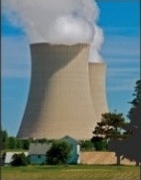
‘Pokémon GO’ Found In Toxic Nuclear Plant In Japan: Authorities Say Stay Away via Forbes

The nuclear disaster at Fukushima is far from over. Even though five years have passed since an earthquake and tsunami caused a catastrophic nuclear melt-down, nothing has been decided yet on how to extract the melted nuclear fuel or how to decommission the crippled Fukushima Daiichi (No 1) and Daini (No 2) nuclear power plants.

Into that mix now comes news of the potential for ‘Pokémon GO’ players to inadvertently stray inside contaminated sites while playing the smash hit smartphone game.

According to Tokyo Electric Power Company (TEPCO), the controversial operator of the crippled nuclear reactors at Fukushima, ‘Pokémon GO’ characters have been discovered inside the grounds of Fukushima Daichi and Daini power plants.

Faced with this new threat, the Nuclear Regulation Authority revealed that it issued a notice to electricity companies about enforcing security to prevent ‘Pokémon GO’ users from entering their facilities, including nuclear power plants.

[…]

According to a recent report, the site around Fukushima Daichi nuclear plant now stores more than 200 million gallons of radioactive water, more than enough to fill two Yankee Stadiums to the brim. In addition, thousands of black plastic bags filled with contaminated top soil and foliage also occupy huge tracts of land in and around Fukushima.

Read more at ‘Pokémon GO’ Found In Toxic Nuclear Plant In Japan: Authorities Say Stay Away

Related article:

  • There are no-go zones even Pokemon monsters won’t enter: Japan’s nuclear facilities via The Japan Times
Posted in *English | Tagged , , , | Comments Off on ‘Pokémon GO’ Found In Toxic Nuclear Plant In Japan: Authorities Say Stay Away via Forbes

ポケモンGO 原発敷地内でも表示…運営会社に除外要請へ via 毎日新聞

 スマートフォン(スマホ)向けゲームアプリ「ポケモンGO(ゴー)」を巡り、東京電力の原発内でもポケモンが表示されることが分かった。東電は、原発構 内に無断で入ろうとする人が現れる可能性があり、保安上の問題が生じるとして、表示区域から原発を除外するよう運営会社に求める方針。

 東電によると、ポケモンGOの国内配信が始まった22日以降、福島第1(福島県)▽福島第2(同)▽柏崎刈羽(新潟県)−−の3原発の敷地内で調査した ところ、いずれかの原発でポケモンが表示されることが判明した。東電は「人が押し寄せてくる可能性があるため、どこで表示されたかは明らかにできない」と 説明している。

(略)

避難指示区域でも

 また、ポケモンGOは福島第1原発事故の避難指示区域でもポケモンが表示され遊べる設定になっており、福島県は対策を検討するため国と協議を始めた。内堀雅雄知事は25日の定例記者会見で「一般の方々がゲームの流れで立ち入るのは好ましくない」と述べた。

 国は、第1原発周辺の8市町村で避難指示を出し、原則として夜間の宿泊ができない。中でも最も放射線量が高い「帰還困難区域」(約337平方キロメート ル)については、立ち入りも制限されている。同社は「帰還困難区域も手続きをすれば人が入れる場所。日本の他の場所と同じように(設定)した」と説明し た。

全文は ポケモンGO 原発敷地内でも表示…運営会社に除外要請へ

Posted in *日本語 | Tagged , , , | Comments Off on ポケモンGO 原発敷地内でも表示…運営会社に除外要請へ via 毎日新聞

New York Times Shills For Moribund Nuclear Power, Disses Renewables Revolution via Climate Progress

By Joe Romm

Why does The New York Times keep pushing nuclear power, whose prices keep rising even as demand has collapsed in every market economy? And why do they keep dissing renewables, whose prices have dropped precipitously while demand has grown beyond expectation here and around the world?
This month alone, the Times managed to publish two pieces whining that the poor, neglected nuclear power industry is having trouble competing with renewables because solar and wind have become … so darn cheap.
[…]
The fact is that on a purely economic basis, nuclear power has to a great extent priced itself out of the market for new power, even for new carbon-free power. Heck, even the French can’t build an affordable, on-schedule next generation nuclear plant in their own nuclear-friendly country!!
But rather than report accurately on the renewable energy miracle, as, say, the International Energy Agency (IEA) and Bloomberg New Energy Finance (BNEF) have, the Times manages to publish articles in its business section headlined, “How Renewable Energy Is Blowing Climate Change Efforts Off Course.” Seriously.
[…]
In its latest report on the subject, “The Low Carbon Economy: Our Thesis In 60 CHARTS,” Goldman Sachs has several charts on “Emissions: How low carbon technologies begin to bend the curve.” […]

Read more.

Posted in *English | Tagged , , , , | 3 Comments

福島第一原発事故の避難者に弁護士が無料電話相談viaNHK

[…]東京電力福島第一原発の事故から5年4か月が過ぎた今も、福島県からは9万人近くが全国に避難しています。
こうした人たちを支援しようと、関東の弁護士会が中心となって、25日から無料の電話相談を始め、都内に設けられた窓口には午前10時の受け付け開始から電話が相次ぎました。
相談の多くは、原発事故の避難区域以外から避難している人たちが、無償で借り上げ住宅などに入居できるように支援する福島県の制度が、来年3月末で終わることに関するものでした。相談に応じた弁護士は、福島県が家賃の一部を補助する新たな支援を行うことなどを説明していました。
相談に応じている加畑貴義弁護士は「原発事故から5年以上がたち、記憶の風化が進んでいるが、避難者の悩みは多い。弁護士として引き続き支援していきたい」と話していました。
無料相談の電話番号は0120ー615ー030で、25日から今月30日までの6日間、午前10時から午後6時まで相談を受け付けるということです。

もっと読み、動画を見る。

Posted in Français | Tagged , | 1 Comment

原子力白書 7年ぶり復活へ 原発回帰の伏線か via 毎日新聞

内閣府原子力委員会(岡芳明委員長)は、東京電力福島第1原発事故以来、発表を中止していた「原子力白書」を来春に復活することを決めた。2010年以 来、7年ぶりとなる。原子力委はかつては「原発推進の司令塔」と位置付けられ、「原発回帰」の伏線との臆測を呼びそうだ。白書は、11年春に10年版が発 表される予定だったが、福島事故を受けて中止

続きは原子力白書 7年ぶり復活へ 原発回帰の伏線か

Posted in *日本語 | Tagged , , | Comments Off on 原子力白書 7年ぶり復活へ 原発回帰の伏線か via 毎日新聞

South Korea to pick spent nuclear fuel site by 2028, eyes overseas storage via Reuters

[…]

South Korea is the world’s fifth-biggest user of nuclear power, which accounts about a third of the country’s electricity, but it has yet to find a permanent solution for its spent nuclear fuel.

A government advisory body said last year the government should build a temporary facility to store spent fuel from 2030 and consider permanent storage deep underground from 2050.

Seoul will select a site over the next 12 years for a permanent disposal facility that would include an underground research laboratory that would conduct safety checks, the country’s energy ministry said in a statement on Monday.

The facility was likely to start operations from 2053, an energy ministry official told Reuters.

The government would also consider trying to secure permanent international storage facilities, based on economics and safety, the statement said.

Until then, storage facilities at nuclear power plants would be expanded through the use of dry storage, sealed casks that can hold spent fuel once it has been cooled in deep pools, freeing up space in the pools.

[…]

Asia’s fourth-largest economy has plans to build 11 more nuclear reactors by 2029, putting it under pressure to come up with measures to handle mounting nuclear wastes. Its reactors currently produce around 750 tonnes of spent fuel a year.

Under a civil nuclear pact with the United States, South Korea is unable to reprocess spent fuel, although an agreement with Washington last year opened the way for easier movement of spent fuel to a third country for disposal.

Last year, South Korea opened a permanent underground storage site for low-to-medium level radioactive waste such as contaminated tools and clothes in the city of Gyeongju, 250 (155 miles) southeast of Seoul.

Read more at South Korea to pick spent nuclear fuel site by 2028, eyes overseas storage 

Posted in *English | Tagged , , , | Comments Off on South Korea to pick spent nuclear fuel site by 2028, eyes overseas storage via Reuters

避難指示区域でポケモン出現 福島県知事が対策検討【ポケモンGO】via Huffington Post

スマホゲーム「ポケモンGO」が、福島第一原発事故の避難指示区域でも遊べるとして、福島県の内堀雅雄知事は7月25日の定例会見で「一般の方々がゲームの流れの中で立ち入るのは好ましくない」と述べ、国と対策を検討する考えを明らかにした。毎日新聞が報じた。

福島第1原発に近い8市町村では、国が避難指示を出しており、原則として夜間は宿泊できない。避難指示区域の中で、最も放射線量の高い「帰還困難区域」は、立ち入り自体が制限されている。

■「帰還困難区域でもポケモンを捕まえることは可能」

地元紙「福島民友」に対し、ポケモンGOを開発したナイアンティック社の国内広報代理店が「帰還困難区域でもポケモンを捕まえることは可能」だと説明している。

続きは避難指示区域でポケモン出現 福島県知事が対策検討【ポケモンGO】

Posted in *日本語 | Tagged , , , , | Comments Off on 避難指示区域でポケモン出現 福島県知事が対策検討【ポケモンGO】via Huffington Post

川内原発停止要請 来月にも 鹿児島新知事「県民の不安解消」via 日本経済新聞

 鹿児島県知事に28日に就任する三反園訓氏(58)は24日、九州電力に川内原子力発電所(同県薩摩川内市)の一時停止を8月中にも要請する考えを明らかにした。熊本地震を受けた県民の不安に応えるため、関連施設や活断層などの再点検・再検証を求める。川内1号機は10月6日ごろに定期検査に入る予定だが、これを待たず要請する。

日本経済新聞の取材に応じた。川内原発の停止と点検は三反園氏の知事選での公約。三反園氏は「県民が不安に思っていたら解消するのがトップの役目だ」と強 調。一時停止の要請は「原発周辺を視察し、県庁職員の説明も聞くなどして、8月下旬か9月上旬を目指したい」と語った。

知事に原発を止める法的権限はない。ただ九電との安全協定で鹿児島県は安全確保のために原発に立ち入り調査し、必要と認められれば適切な措置を求められる。九電は「実際に要請を受けておらずコメントする立場にない」としている。

続きは川内原発停止要請 来月にも 鹿児島新知事「県民の不安解消」

Posted in *日本語 | Tagged , , , , | Comments Off on 川内原発停止要請 来月にも 鹿児島新知事「県民の不安解消」via 日本経済新聞

NZ’s nuclear resolve via the Otago Daily Times

[…]
In 1987, Labour passed the New Zealand Nuclear Free Zone, Disarmament and Arms Control Act, meeting an election promise.

In a largely symbolic response, the US Congress retaliated with the Broomfield Act, downgrading New Zealand’s status from ally to friend.

Former prime minister David Lange said if the security alliance was the price New Zealand must pay to remain nuclear-free, it was the price the country was prepared to pay.

In 1989, 52% of New Zealanders indicated they would rather break defence ties than admit nuclear-armed ships.

By 1990, National had signed up to the anti-nuclear stance.

There the situation has remained until Mr Biden accepted an invitation for the US to send a ship to the Royal New Zealand Navy’s 75th birthday in November.

The acceptance is another expression of the close and co-operative relationship between the two countries.

The relationship has certainly improved in recent years.

New Zealand soldiers have served overseas alongside US troops, sometimes without the knowledge of the New Zealand public until after the event.

New Zealand wisely does not get involved in every conflict but it has provided valuable training for troops in war zones.
[…]
So despite the urging of Mr Key, the return to New Zealand waters by a US ship in November cannot be taken lightly.

It is a win for the resolve of Kiwis to keep this country nuclear free.

It is not known if the US ship will be a warship or something tamer.

Under New Zealand’s law, Mr Key has to sign a declaration he is satisfied the ship complies with New Zealand law, something he says he has done about 40 times since he became prime minister.

Publicly available information will make it possible for watchers of maritime issues to identify if the ship is nuclear-armed or nuclear-powered.

[…]
A ship visit will clearly signal US acceptance of New Zealand’s nuclear-free policy.

[…]

Read more.

Posted in *English | Tagged , , , | 1 Comment

Japan nuclear cleanup next target in Russian economic offensive via Nikkei Asian Review

SOSNOVY BOR, Russia — A Russian state company has offered to help decontaminate radioactive water at the battered Fukushima nuclear power plant and assist in decomissioning reactors. In addition to export revenues, Moscow sees a chance to cozy up to a staunch U.S. ally.

Take our tech

Around a 100km drive west of St. Petersburg, on the Gulf of Finland, sits Sosnovy Bor, home to state nuclear energy giant Rosatom’s waste disposal operations. Inside a controlled perimeter, subsidiary RosRAO, the facility’s manager, has created a prototype water decontamination plant for use at Tokyo Electric Power Co. Holdings’ Fukushima Daiichi nuclear power station — the site of Japan’s largest nuclear disaster in March 2011.

The scrubbing facility, unveiled in June, is capable of removing tritium, or radioactive hydrogen, from nuclear-tainted water, something beyond the capabilities of the Fukushima plant’s current cleanup equipment. Distillation and electrolysis isolate and concentrate the isotope, which is then locked away in titanium. Experiments under conditions similar to those on the ground reportedly show the technology cutting wastewater’s radioactive material content to one-6,000th the initial level, making it safe for human consumption or release into the ocean.

Duplicating the facility near the Fukushima site and running it for the five years necessary to process 800,000 cu. meters of contaminated water would cost around $700 million in all. Companies in Japan and the U.S. are at work on their own facilities for tritium disposal, but the Russian plan’s cost and technological capability make it fully competitive, according to the project’s chief.

Rosatom has made other overtures to Japan. Executives from a mining and chemical unit have visited several times this year for talks with Japanese nuclear companies, aiming to cooperate on decommissioning the Fukushima plant and upgrading a reprocessing plant in Aomori Prefecture for spent nuclear fuel. Russia has amassed a wealth of expertise dealing with damaged nuclear reactors in the wake of the Chernobyl disaster, and would like Japan to draw on that knowledge, the subsidiary’s chief executive said.

[…]

Read more.

Posted in *English | Tagged , , | Comments Off on Japan nuclear cleanup next target in Russian economic offensive via Nikkei Asian Review