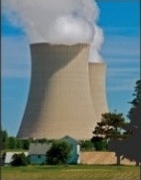
ニューヨーク州、インディアンポイント原発の閉鎖を決定 via Business Newsline

ニューヨーク州がインディアンポイント原発(Indian Point Energy Center)を2021年4月で運用停止することで運用事業者と合意に至ったことが6日、The New York Timesの報道で明らかとなった。

インディアンポイント原発はマンハッタンから北に50キロ離れたハドソン川沿いに設置されている原子力発電所で、1~3号機の内、1号機の運転開始は1962年9月、2号機は1974年8月、3号機は1976年8月と、米国内にある原発としてはもっとも古い原発の一つとなっていた(1号機については既に2013年9月に運転停止)。

インディアンポイント原発1号機の営業運転許可は、運転開始から40年が経過したことから2014年に失効となり、現在は、「拡張運転期間(Period of Extended Operation)」と呼ばれる原子力規制委員会(NRC)の特例条件の元での運転期間に入っていた。

(略)

今回、インディアンポイント原発が閉鎖されることが決まったことを受けて、米国では、運転開始から40年が経過した古い原発に関しては、順次閉鎖となる可能性が強まってきたこととなる。

全文はニューヨーク州、インディアンポイント原発の閉鎖を決定

当サイト既出関連記事:

Posted in *日本語 | Tagged , , | Comments Off on ニューヨーク州、インディアンポイント原発の閉鎖を決定 via Business Newsline

Fukushima Thyroid Examination December 2016: 145 Thyroid Cancer Cases Confirmed (101 in the First Round and 44 in the Second Round) via Fukushima Voices Version 2e

[…]

An issue of the female to male ratio
The female to male ratio of cancer cases warrants a special attention. For thyroid cancer, the female to male ratio is nearly 1:1 in the very young, but it is known to increase with age and decrease with radiation exposure. In the second round, the female to male ratio has been decreasing with successive results. It was 1.36:1 when the results were released in September 2016, and now it is 1.19:1.

Towards the end of the press conference, Mako Oshidori sharply asked why there has been no evaluation regarding the female to male ratio in the Fukushima thyroid cancer cases. (For the transcript of her question in Japanese, see here). She pointed out that Kazuo Shimizu, a committee member and thyroid surgeon, has asked questions regarding the female to male ratio issue multiple times in the past three and a half years. In fact, Ohtsuru responded to an earlier question by Shimizu during this meeting that the female to male ratio issue is yet to be evaluated by Fukushima Medical University and that the committee meeting was simply a place where results were presented.

Oshidori chastised Fukushima Medical University for not even trying to compare results with existing outside data and conduct any analysis in all these years. In response, Ohtsuru acknowledged that the female to male ratio is smaller than what is clinically expected but explained they were not sure what is causing it. Oshidori stated there was no scientific paper that showed a decrease in the female to male ratio due to the screening activity. Rather, scientific evidence shows screening activities generally increase the female to male ratio due to more females being diagnosed with thyroid cancer. Ohtsuru replied that it is true that screening activities increased the female to male ratio in adults but it was unclear if the similar trend is expected in children. Furthermore, differences in a screening frequency and screening equipments should be taken into consideration. Oshidori acknowledged there was much to be considered and pressed for the Thyroid Examination Evaluation Subcommittee to be reconvened.

A new third-party committee proposed
At the end of the Oversight Committee meeting, an issue was raised by Chairman Hokuto Hoshi relating to the recommendations received by the Fukushima governor from the 5th International Expert Symposium in Fukushima on Radiation and Health: “Chernobyl+30, Fukushima+5 – Lessons and Solutions for Fukushima’s Thyroid Question.” (See this post for more information on the symposium). Hiroyuki Kobayashi, a Fukushima prefectural government official in charge of the Fukushima Health Management Survey, reported that the governor received the recommendations on December 9, 2016. Kobayashi stated that the prefectural government has received opinions and suggestions from various entities and the recommendations by the 5th International Expert Symposium were placed in the same category (as if to explain the recommendations did not have any special status). Kobayashi then asked the committee to discuss the recommendations.

In his monologue, Chairman Hoshi went on to propose an establishment of an “international, third-party, neutral, scientific, up-to-date and evidence-based” expert committee that would discuss issues surrounding the TUE and present information in a manner that would aid the “understanding by Fukushima residents.” This proposal appeared to be taken from the item number 4 of the recommendations “to convene the expert working groups on ‘Nuclear Disasters and Health Monitoring,’ especially focusing on thyroid problems, could provide professional recommendations to the current TUE in Fukushima in the future.

Chairman Hoshi proceeded to have some of the committee members explain how third-party evaluation committees function at the Radiation Effect Research Foundation (RERF) and the National Institute of Radiological Sciences (NIRS). This clearly came as a surprise to those who were asked to make presentations on the spot, creating a slightly uncomfortable atmosphere.

Multiple questions and opinions ensued during the press conference doubting the necessity and validity of such a new third-party committee when the Oversight Committee’s own Thyroid Examination Evaluation Subcommittee, which last met in March 2015 and issued a mid-term report on the first round screening, has not even been reconvened to consider the second round screening results. (At the last Oversight Committee meeting held on September 14, 2016, the FMU officials said the second round screening data would be analyzed when all the second round data is in, and the Oversight Committee itself seemed to be waiting for the completion of the second round rather than holding the subcommittee meetings concurrently).

Regarding the future status of the TUE
The recommendations by The 5th International Symposium include clauses such as:

“(…) thyroid screening of people who do not have symptoms of possible thyroid disease has the potential to do more harm than good to the population, and should only be carried out, when clear benefits to the population can be defined.”

“Participation in the health surveys and the thyroid screening program should be voluntary.”

It should be noted that the recommendations did not consider opinions by Chernobyl researchers such as Yuri Demidchik from Belarus, Tetiana Bogdanova from Ukraine and Pavel Rumiantsev from Russia, whose presentations at the symposium made clear that thyroid ultrasound screening is beneficial, since their names are not included in the list of invited experts who were consulted.

[…]Moreover, the clinical information of cancer cases is not taken into consideration. In fact, clinical data is not willingly released citing the privacy protection of the patients. Shinichi Suzuki’s presentation at the 5th International Symposium came as a surprise (see this post for details). Concerning clinical features include:

  • a high rate of lymph node metastases
  • microcarcinoma (diameter ≤ 10 mm) requiring surgical intervention for various reasons–cancer cells moving outside the thyroid capsule or invading surrounding structures such as the trachea or the recurrent laryngeal nerve
  • a low female to male ratio

It is precisely these clinical features that should be discussed at the Thyroid Examination Evaluation Subcommittee, given the fact there are many unknowns about thyroid cancer in children and young adults diagnosed by screening before clinical symptoms appear.

Thyroid cancer cases outside Fukushima Prefecture
Furthermore, an independent group, “311 Fund for Children with Thyroid Cancer ,” established on the principles of the Nuclear Accident Child Victims’ Support Law which was enacted but never actually carried out by the Japanese government, released some information at a December 27, 2016 press conference, shortly before the 25th Oversight Committee meeting. The 311 Fund for Children with Thyroid Cancer collects donations nationwide and offers 100,000 yen (about $864 at today’s exchange rate) to an individual aged 25 or younger diagnosed with thyroid cancer and residing in 11 prefectures that received a significant amount of radioactive iodine after the Fukushima nuclear accident. The financial support is intended to help alleviate the financial strain experienced by the patients and their families in undergoing cancer treatment. This should have been covered by the Nuclear Accident Child Victims’ Support Law which was intended to provide health care and financial support for relocation in areas exposed to radiation. Although the Nuclear Accident Child Victims’ Support Law covers conditions which are potentially related to radiation exposure, distribution of the financial support by the 311 Fund for Children with Thyroid Cancer does not prove or certify the particular thyroid cancer case is radiation-induced.

[…]


Read more.

Posted in *English | Tagged , | Comments Off on Fukushima Thyroid Examination December 2016: 145 Thyroid Cancer Cases Confirmed (101 in the First Round and 44 in the Second Round) via Fukushima Voices Version 2e

汚染土議事録 環境省、発言削除し開示 再利用誘導隠蔽か via 毎日新聞

 東京電力福島第1原発事故の除染で出た汚染土の再利用を巡る非公開会合の議事録を環境省が「全部開示」としながら、実際には自らの発言の一部を削除していたことが分かった。削除したのは環境省が議論を誘導したと受け取れる発言。その発言から放射性セシウム1キロ当たり8000ベクレルを上限値とした汚染土再利用の方針決定につながっていた。情報公開の専門家は「意思形成過程の隠蔽(いんぺい)で極めて悪質」と批判している。

 この会合は「放射線影響安全性評価検討ワーキンググループ」。放射線の専門家や環境省、事務局の日本原子力研究開発機構(JAEA)の職員ら約20人が出席し、昨年1~5月に計6回開かれた。当初は会合の存在自体が非公表だったが、情報公開請求が相次ぐなどしたため、環境省は8月に議事録などをホームページで公表。事務取り扱い上は「全部開示」とされた。

 公表分には議事録になる前の「議事録案」も含まれているが、毎日新聞はそれ以前の「素案」を入手した。議事録などと比べると、発言の削除や変更などが複数あった。素案では2月24日の第4回会合で環境省職員が「8000ベクレルの評価で災害時など年間1ミリシーベルトを少し超えるケースが出ているが、これが1ミリシーベルトに収まるとよいのだが」と発言。しかし、公表された議事録からは削除されていた。

 8000ベクレルを超えると特別な処理が必要な「指定廃棄物」となるが、一連の会合では同ベクレルを上限とする汚染土の再利用を協議。この日の会合で、8000ベクレルの汚染土を使った防潮堤が災害で崩れた際の復旧作業では、一般人の年間被ばく線量上限の1ミリシーベルトを超えるとの試算値がJAEAから示された。このままでは再利用の上限値を同ベクレルから下げる可能性もあったが、環境省職員の発言を呼び水に、専門家らが「崩れれば他の土と混ざり合って希釈される(薄まる)」などと試算のやり直しを求めた。

 その後、希釈で年間1ミリシーベルト未満に収まるとの試算結果が公に示され、環境省は6月、8000ベクレルを上限に汚染土を再利用する方針を正式決定した。【日野行介】

[…]

解説 会合、正当性に疑問

 環境省が8000ベクレルにこだわるのは、最大で東京ドーム18個分とされる汚染土の最終処分量を大幅に減らしたいからだとみられる。

 原発事故後に成立した放射性物質汚染対処特別措置法は、8000ベクレル超を特別な処理が必要な「指定廃棄物」とし、同ベクレル以下を「問題なく廃棄できる基準」と規定。一方、従来の原子炉等規制法は、原発解体に伴う金属などの再利用基準を100ベクレル以下と定め、両者に準じれば100ベクレル超~8000ベクレル以下は「特別な処理の必要がない廃棄物」という解釈となる。

 このため環境省の非公開会合では、汚染土を道路の盛り土や防潮堤に使いコンクリートで覆うことなどで8000ベクレルを上限に再利用できないかが検討された。再利用は一般人の年間被ばく線量を下回ることが前提だったが、会合で示されたのは前提を崩す試算。環境省が「結論ありき」で議論を誘導し、その過程を議事録から削除したとなれば、結論の妥当性はもちろん、会合自体の正当性が問われる。【日野行介】


もっと読む。

Posted in *日本語 | Tagged , | Comments Off on 汚染土議事録 環境省、発言削除し開示 再利用誘導隠蔽か via 毎日新聞

天皇陛下、書簡で交流 被爆者支援の米学者 「平和を希求、努力に感謝」via 朝日新聞

昭和天皇、現天皇陛下と、戦後日本の復興や平和運動に携わった米国人との交流を示す英文の書簡15通が、米シアトルのワシントン大図書館で確認された。米国による原爆投下で壊滅的な被害を受けた広島での支援活動が縁となり、侍従らを通じた手紙のやりとりを半世紀近く重ねていた。専門家は「戦後の日米交流と皇室の関わログイン前の続きりを示す貴重な資料」と話す。▼31面=平和のキャッチボール

皇室と書簡をやりとりしていたのは、森林学者だったフロイド・シュモー氏(1895~2001)=キーワード=。平和主義で知られるキリスト教・クエーカー教徒で、被爆者向けの復興住宅を建てる救援組織をつくり、1949年夏に広島を訪問。天皇陛下が皇太子の時に家庭教師を務めた同教徒のバイニング夫人とも知人で、その縁もあって手紙をしたためたとみられる。

今回見つかった書簡のうち最も古いものは、昭和天皇にあてた49年7月6日付。シュモー氏が訪日前に自らの活動への理解を要請した内容だった。

(略)

書簡交流は90年代まで続いた。特に天皇陛下は、皇太子だった49年10月と88年11月の2回、東宮御所などでシュモー氏と面会し、功績をねぎらっていた。90年にシュモー氏が寄付を集め、被爆後に亡くなるまで病床で折り鶴を作り続けた佐々木禎子(さだこ)さんの銅像も備えた「平和公園」をシアトルに開設した際には、楠本祐一侍従が同4月20日付で、天皇、皇后両陛下の謝意を伝える書簡を送っていた。

全文は天皇陛下、書簡で交流 被爆者支援の米学者 「平和を希求、努力に感謝」

Posted in *日本語 | Tagged , | Comments Off on 天皇陛下、書簡で交流 被爆者支援の米学者 「平和を希求、努力に感謝」via 朝日新聞

原発の重大欠陥疑惑がありつつも、再稼働容認に転じた三反園・鹿児島県知事 via 日刊SPA!

(抜粋)

再稼働容認に転じた三反園・鹿児島県知事は回答拒否!!

会見する三反園訓知事。就任してから2回、九電に対して川内原発の停止を求めたが、その後は脱原発の姿勢はトーンダウンした

「川内原発の一時停止」を公約にかかげ、今年7月の県知事選で勝利した三反園訓知事。だが、12月8日の川内原発1号機の再稼働は「私に再稼働するしないの権限はない」(今月1日、鹿児島県議会)と事実上容認。「公約違反」との批判が高まっている。

フランスの原発12基停止の原因となった日本鋳鍛鋼の鋼材は、川内原発1号機、2号機にも使用されている。三反園知事は、鋼材の強度不足問題を考慮しなかったのだろうか? 鹿児島県知事室に問い合わせたところ、「(県の)原子力安全対策課と話してください」と丸投げで回答を拒否。原子力安全対策課に鋼材の強度不足問題について聞いたが「本件は原子力規制委員会が問題ないとしている。県としても今後の規制委での議論の推移を見守りたい」とのこと。

また、本件について三反園知事は知っているのかと聞くと「報告はしています」と言うが具体的な回答はなし。

川内原発は国内でも最も火山活動が活発な一帯にある。破局的噴火が起きたら、瞬時に原発は破壊され、溶岩にまみれた現場での収束作業は不可能だ。だが、鹿児島県・原子力安全対策課は「火山活動をモニタリングしている」と九州電力の言い分をそのままオウム返しにするだけ。火山の専門家たちが噴火の予測は難しいと指摘していることを指摘したが、「どうせ破局的噴火が起きたら鹿児島は終わり」と投げやりな態度。川内原発が破壊され大量の放射性物質が放出されたら、西から東に吹く偏西風に乗って、日本全国を汚染していくことになる。

原発事故時の周辺住民の避難も各自治体任せで、その不備を自ら訴える自治体もある。事故時の収束作業の砦である重要免震棟も九電は設置を撤回した。三反園知事が就任する以前と、課題への対応策はほとんど変わらないうえ、新たに鋼材強度の問題が出てきたのに、今回の「事実上の容認」。脱原発を訴え続けている小出裕章・元京都大学原子炉実験所助教は「まったく情けない」と憤る。

全文は原発の重大欠陥疑惑がありつつも、再稼働容認に転じた三反園・鹿児島県知事

当サイト既出関連記事:

Posted in *日本語 | Tagged , , | Comments Off on 原発の重大欠陥疑惑がありつつも、再稼働容認に転じた三反園・鹿児島県知事 via 日刊SPA!

Evacuated Fukushima town planning for residents’ return in fall 2017 via The Mainichi

[…]

Okuma, Fukushima Prefecture, is currently covered by three classes of evacuation order. The town’s eastern region and much of the northern region are designated as “difficult to return zones,” while the southwestern and western regions are categorized as “restricted residency” and “evacuation order cancellation preparation” zones, respectively. Okuma officials are aiming to have the latter two designations rescinded, opening the way for residents to move back in. If successful, Okuma would be the first of the two municipalities hosting the plant (the other is the town of Futaba) to allow residents back.

Okuma is also planning to designate one small area as the town’s “recovery base,” and build a new municipal office in fiscal 2019.

According to Okuma officials, they intend to allow residents back into the evacuation zones to sleep in their homes as early as August. However, the program will not be implemented in the “difficult to return zone.”

[…]

Okuma is planning to build its new town hall, a seniors’ home, and public housing for some 3,000 residents and Fukushima nuclear plant decommissioning workers, among other facilities, in its some 40-hectare “recovery base” in the town’s Ogawara district. Municipal government staff began working weekdays at a contact office there in April 2016. Meanwhile, large solar power installations as well as dormitories for Tokyo Electric Power Co. employees have already been built around the planned “recovery base” area.
Posted in *English | Tagged , , , | Comments Off on Evacuated Fukushima town planning for residents’ return in fall 2017 via The Mainichi

Indian Point Nuclear Power Plant to Close by 2021 via The New York Times

The Indian Point nuclear plant will shut down by April 2021 under an agreement New York State reached this week with Entergy, the utility company that owns the facility in Westchester County, according to a person with direct knowledge of the deal.

Under the terms of the agreement, one of the two nuclear reactors at Indian Point will permanently cease operations by April 2020, while the other must be closed by April 2021. The shutdown has long been a priority for Gov. Andrew M. Cuomo, who — though supportive of upstate nuclear plants — has repeatedly called for shutting down Indian Point, which he says poses too great a risk to New York City, less than 30 miles to the south.

“Why you would allow Indian Point to continue to operate defies common sense, planning and basic sanity,” Mr. Cuomo told reporters in June.

Despite the political opposition to Indian Point, which is perched on the edge of the Hudson River in Buchanan, N.Y., the plant is an important supplier of inexpensive power to the metropolitan area. It has the capacity to generate more than 2,000 megawatts, or about one-fourth of the power consumed in New York City and Westchester County. The prospects for replacing that power are so far unclear, but potential options include hydropower from Quebec and power from wind farms already operating across New York, according to the person.

[…]

Under the agreement with the state, Entergy has committed to applying for a six-year license renewal. The agreement may help clear the way for approval. The reactors’ licenses expired in 2013 and 2015.

The agreement would also require Entergy to establish a new emergency operations center in the Dutchess County town of Fishkill, as well as to create a $15 million fund to finance projects related to environmental protection and other community benefits. The company will be obligated to consult regularly with Riverkeeper and other local groups.

The agreement also provides for flexibility if the state cannot find a replacement for Indian Point’s energy: The deadlines in 2020 and 2021 can be pushed to 2024 and 2025 if both the state and Entergy agree.

Read more at Indian Point Nuclear Power Plant to Close by 2021

Posted in *English | Tagged , , | Comments Off on Indian Point Nuclear Power Plant to Close by 2021 via The New York Times

輸出原発、揺れ小さめ想定 via Reuters

日仏合弁会社がトルコ北部で建設を目指しているシノップ原発を巡り、原発を襲う地震の揺れ想定は最大加速度400ガル程度と、日本側が小さめに評価していたことが7日、原発立地の調査関係者への取材で分かった。

日本の原発よりも小さく見積もられ、国内なら原発規制基準を満たさない可能性が高い。予定地周辺の地質や地形を考えると「日本の基準に照らせば、少なくとも500ガル程度は必要だ」(調査関係者)という。耐震化工事などで建設コストが高くなるため、小さくしたのではないかとの見方もある。

続きは輸出原発、揺れ小さめ想定

Posted in *日本語 | Tagged , , | Comments Off on 輸出原発、揺れ小さめ想定 via Reuters

1日も早い裁判を! 支援団結成1周年集会開催のお知らせvia福島原発刑事訴訟支援団

絶対に風化させない! 責任をうやむやにさせない!
その想いを結集しましょう。来年1月29日、支援団結成1周年集会です。

1日も早い裁判を! 支援団結成1周年集会
福島原発事故の真実を明らかに

強制起訴から、早10ヶ月。
裁判はまだか!と言う声がさまざまな所から上がっています。
未だ闇のなかにある原発事故の真実と責任の所在を、1日も早く明らかに・・・。
それは、繰り返される核の悲劇にピリオドを打つための一歩だと、私たちは信じています。

開催概要

  • 日時 2017年1月29日(日)13:30開場 14:00開会 16:00閉会
  • 場所 玉川区民会館(世田谷区)
    東急大井町線 等々力駅 徒歩1分
  • 主催 福島原発刑事訴訟支援団
  • 連絡先 メール info(アットマーク)shien-dan.org 電話 080-5739-7279
    〒963-4316 福島県田村市船引町芦沢字小倉140-1

プログラム

  • 団長あいさつ
  • 被害者からの発言
  • 弁護士からの発言
    • 河合弘之弁護士
    • 海渡雄一弁護士
    • 保田行雄弁護士
  • 賛同人からの発言
    • 鎌仲ひとみさん
    • 神田香織さん
  • 【同時開催】 福島の小さな写真展 飛田晋秀


地図などこちら

Posted in *日本語 | Tagged , , , , , | 1 Comment

大熊町、今夏に「1カ月帰還」 福島第一原発立地では初via朝日新聞

[…]

原発が立地する大熊、双葉両町では初めてだ。

期間はお盆を含む約1カ月間の見込みで、政府と調整を進める。対象は「居住制限区域」の大川原地区(昨年12月時点132世帯362人)と、「避難指示解除準備区域」の中屋敷地区(同11世帯22人)。全町民の3・6%にあたる。

両地区とも、除染などにより、政府が避難指示解除の要件の一つに掲げる年間20ミリシーベルトの被曝(ひばく)線量を下回っている。町民の96・4%を占める「帰還困難区域」は対象外だ。

ログイン前の続き一方、両地区の避難指示の解除時期について、石田仁副町長は「準備宿泊をした結果の検証に加え、議会や住民の合意を得ることが必要で、少なくとも年内は困難」と話している。

両地区では昨年、お盆と秋の彼岸に墓参を希望する町民らに、短期の帰宅を認める「特例宿泊」が5~6日間、実施された。(池田拓哉)


もっと読む。

Posted in *日本語 | Tagged , , , | 1 Comment