ビル・ゲイツが原発を全力「推進中」もう暴走レベル! 次世代ゲイツ原発「進行波炉」は本当に安全なのか!? via Tocana

(文=仲田しんじ

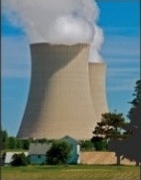
エネルギー政策が時代に逆行か? アメリカで原子発電に回帰する動きが加速している。これを強力に推し進めているのがほかならぬビル・ゲイツ氏なのだ。

■ビル・ゲイツが原発推進ロビー活動

世界的な感染症の蔓延“グローバル・パンデミック”に警鐘を鳴らしたり、画期的な次世代コンドームの開発に出資したりと、現在の人類が直面している問題に対処すべく多岐に及ぶ活動に精力的に取り組んでいるビル・ゲイツ氏が、安全で効率的な原子力発電施設の開発を強力に推進している。

(略)

ゲイツ氏は2006年に、安全性を高め核廃棄物の排出が少ない新型の原子炉である進行波炉TWR)の開発と普及を推進する企業「TerraPower」を創設している。ゲイツ氏はこのTWRの開発をスピードアップさせるために、TerraPowerに対し自身が10億ドル(約1100億円)を投資し、さらに民間からの投資を合計で同じく10億ドルを調達するとワシントンの国会議員たちに説明している。

このロビー活動は功を奏し、2017年12月20日にアメリカ合衆国原子力規制委員会の承認の下でTWR開発計画に対し2億2100万ドル(約240億円)の予算が計上されることになった。また企業としてのTerraPowerには地方税の上限が定められたということだ。

(略)

■専門がゲイツ氏の原発推進に“憂慮”

しかし「Washington Post」紙などの記事によれば、一部の専門家からゲイツ氏が推進するTWRへの疑問が投げかけられているということだ。

アメリカの科学者団体「憂慮する科学者同盟(Union of Concerned Scientists)」に所属しているエドウィン・ライマン氏もゲイツ氏の計画に“憂慮”しているうちの1人である。もはや「ゲイツ原発」とさえ呼ばれることもあるTWRだが、まだ開発されたわけでもないのに、TerraPowerへの期待だけが先走りしているというのだ。

(略)

専門家が具体的に指摘しているのは、劣化ウラン(depleted uranium)を原子炉の中で一定のペースで燃焼できないことと、その結果として燃料棒を再編成するために設計を変更する必要があること、そして従来の原子炉よりも強力な中性子の衝突から燃料棒を保護するために必要とされる強度の金属素材が見つけられていないことなどであるという。

全文はビル・ゲイツが原発を全力「推進中」もう暴走レベル! 次世代ゲイツ原発「進行波炉」は本当に安全なのか!? 

Posted in *日本語 | Tagged , , | 1 Comment

Update old definitions about nuclear waste to speed safe cleanup via The Seattle Times

How can we expect to effectively address this problem if we aren’t even willing to accurately define it?

The U.S. Department of Energy recently released new estimates for the cost of cleaning up the Hanford nuclear site in central Washington state. That number could now reach a staggering $677 billion, with active cleanup ending in the year 2079. Under this scenario the federal government would spend, on average, more than $11 billion dollars every year for 60 years.

[…]

DOE is now considering moving away from this well-intentioned, but overly costly and inaccurate approach. Instead of arbitrarily making decisions based solely on the origin of the waste, agency officials are proposing to manage this waste based on its actual physical characteristics. This is the same method that countries like France and Germany use to guide their waste-management decisions, and would bring the U.S. closer to international standards established by the International Atomic Energy Agency.

[…]

Treating waste based on its actual contents would allow DOE to direct the resources they save toward other important cleanup efforts that would otherwise languish, potentially for years to come. It could also open up pathways to get some waste out of Washington state more quickly. These waste streams would otherwise remain at Hanford for many more years, or even permanently.

[…]

Ultimately, there is high-level defense nuclear waste at Hanford and elsewhere that does need to be treated and disposed of in a deep geological repository. It is some of the most challenging and expensive material that our country has to address. We should not, however, delay cleanup progress and waste taxpayer funds by unnecessarily managing lower-level waste, which scientists agree can be safely disposed at permitted sites, in the same manner. After all, how can we expect to effectively address this problem if we aren’t even willing to accurately define it?

[…]

 
Posted in *English | Tagged , , , , , , | 1 Comment

2020 Olympics in light of Fukushima 311 via MENAFN

[…]

Now that the 2020 Olympics Games are headed to Tokyo and will feature baseball and softball to be played in Fukushima at the Azuma Stadium, how will visitors be kept safe? What’s the risk? Since health complications from radiation exposure show up years later, who will be willing to take risks? And can official sources saying “everything is fine” be trusted? 

One author definitely doesn’t think so. In his new book, Fukushima 311, Col. Walter T. Richmond looks at Japan’s Fukushima nuclear disaster that began on March 11, 2011 – now infamously known as “311” – and which continues to this very day. 

Col. Richmond noted that “Every day, citizen-scientists in Japan are taking readings and discovering unsafe radioactive levels all over the Fukushima region and far beyond. Thyroid cancer levels have spiked. Yet no one is raising any major alarms. Why is that?” 

While many apologists have explained the high thyroid cancer rates as a result of aggressively looking for thyroid cancer, the author thinks there is more to the story – behind the scenes. 

According to Richmond, “It’s a money thing. Radiation is bad for business and bad for tourism. Maybe the Japanese government is simply hoping that everything will blow over and the 2020 Olympics, which is a critical economic and morale booster, will overshadow any concerns.” The author added that “Since health effects and cancers from nuclear radiation exposure can take years to manifest, chances are people won’t get sick immediately, if ever. But why would anyone roll the dice on their health? The research we did for this book paints a very disturbing radioactive picture compared to the marketing hype coming out of Japan.” 

Asked if he would go if he got an all-expenses-paid luxury trip to attend the 2020 Olympics in Tokyo and the baseball games in Fukushima, Richmond said simply, “Hell no!” 

FUKUSHIMA 311: Is the enduring aftermath of the Fukushima nuclear disaster killing off the Earth? by Col. Walter T. Richmond

Read more.

Posted in *English | Tagged , , | Comments Off on 2020 Olympics in light of Fukushima 311 via MENAFN

黒川名誉教授緊急寄稿。疑惑の被ばく線量論文著者、早野氏による「見解」の嘘と作為を正す via Harbor Business Online

 2019年1月8日に早野龍五氏が、「伊達市民の外部被ばく線量についての見解」(以下「見解」)を文部科学省の記者クラブに張り出し、また自身のツイートで紹介している。

[…]

この「見解」には福島県立医科大学の宮崎真氏と東京大学名誉教授の早野龍五氏が、英国の学術誌であり、英国放射線防護協会 (Society for Radiological Protection) の 会誌でもある「 Journal of Radiological Protection」(以下JRP誌)に発表した2つの論文(以下、早野・宮崎論文)[…] に関連して、不正および捏造の申し立てが東京大学に対して行われたことにつき、事実の経緯と、主としてデータ解析を担当した早野氏が見解を述べさせていただきますと書かれている。

[…]

この「見解」の最初のページの第1項に書かれているS. Kurokawaとは私のことである。私が第2論文を批判するLetter to the EditorをJRP誌に投稿したことが、この問題のきっかけである。「見解」に書かれた早野氏の説明には言葉の使い方が曖昧かつ恣意的であり、またいくつもの虚偽が含まれている。私は、この「見解」を読んだ多くの人々が早野氏の言葉を信じ、誤った認識を持つことを大いに懸念している。その懸念ゆえこの批判を書くことにした。

[…]

学術論文誌に発表されている論文の批判は、通常、Letter to the Editor という論文の形式をとる。学術論文の批判を学術論文で行うことは、科学の世界のルールであり、その批判に対して学術論文をもって応答することもルールである。

[…]

それでは、「見解」の内容を点検してみよう。  まず第1項に、「JRP誌より、『第二論文に対し、S. Kurokawa氏より内容について学術的な問い合わせのLetterが届いたのでコメントするように』との連絡を受けました。」と書かれている。「学術的問い合わせのLetter」というところを、学術誌のルールをご存じない方が読むと、私が問い合わせの手紙をJRP誌に送ったように誤解されかねない。私は「学術的問い合わせ」など行っていないし、手紙など送っていない。私が行ったのはLetter to the Editor という形式の論文を投稿したことであり、それが11月16日に “is ready to accept” になったので、著者の応答を論文誌の編集部が求めたということである。このような単純な事実を表現するだけなのに、早野氏の書き方は言葉の使い方が正しくなく曖昧である。  次に、「私と主著者とで、私が作成した解析プログラムを見直すなどして検討したところ、70年間の累積線量計算を1/3に評価していたという重大な誤りがあることに、初めて気が付きました。」の部分について考察する。  私の論文では、第2論文の図6から計算した結果は図7のグラフが示す値になるはずなのに図7の値は半分しかないこと、また、この図6と図7の間の食い違いは、図6は正しいが、図7のグラフが半分に縮められていることに起因することを指摘している。  早野氏が見つけた誤りは私の指摘した不整合を説明するものではない。それゆえ、「その誤りに気付くきっかけとなった S.Kurokawa氏からの問い合わせにも深く感謝申し上げます」と書かれても戸惑うだけである。  次に第2項には、「この誤りについて、2018年11月28日に、JRP誌に『重大な誤りを発見したので、Letterへのコメントとともに論文の修正が必要と考える』と申し入れ、2018年12月13日に、JRP誌より『修正版を出すように』との連絡を受けました」と書かれている。この文章には二つの大きな問題がある。まず、「Letterへのコメントともに論文の修正が必要と考える」は虚偽を含んだ文章である。

[…]

これを見ていただければcorrigendumとはどのようなことかわかると思う。この場合は、「2012」と書くところを「2011」と書いたことを訂正している。70年の累積線量計算を1/3に過小評価していたという重大な誤りは、そもそも corrigendum で訂正出来ることではない。  また、「見解」では、corrigendumに対して「正誤表」や、「訂正」ではなく「修正」という言葉を使っていることに注視してほしい。「訂正」は文章を直すことなので corrigendum に適する言葉だが、「修正」はもっと広い意味を持っている。例えば、「計画を修正する」というような場合だ。早野氏のやり方は言葉の意味の幅を恣意的に用いた印象操作だと言える。

[…]

Corrigendum であったはずが、ここでは、いつのまにか「修正版」は伊達市からデータの再提供を受けて論文を書き直すことに変わっている。JRP誌は corrigendum を出すことしか要請をしていない。それを、論文の書き直しにすり替えるとは詐欺といわれても仕方がないであろう。

[…]

「見解」では、データの廃棄だけを取り上げているが、実は研究も2018年10月31日に終了している。すでに終了した研究で、全データが廃棄されているのであるから、論文を書き直すことができるはずがない。たとえ伊達市が再度データを医大に提供したとしても、新しい研究として研究計画書を医大の倫理審査委員会に承認してもらわなければない。論文を書いたとしても、それは、修正版ではなく、新しい研究による別の論文である。このような事実を隠し、JRPからの corrigendum の提出要請を、論文の書き直しであるように見せかけることは、科学者が行うことでは絶対にありえない。  データ提供に同意していない伊達市民のデータを使ったことについて、第3項に書かれているように、著者が、「報道を通じて初めて知ることになった」のではないことは、『科学』2月号の論考で明らかにしている。『科学』の論考では、この倫理指針違反に加えて、さらに6つの倫理指針違反を著者が犯していることを示している。興味のある方は、『科学』の論考をお読みいただければ幸いである。

[…]

「見解」の第1項に「なお念のため、この誤りは第二論文の累積線量の導出に限ったものであり、第一論文の結論には解析上の誤りは見出されておりません。」と書かれている。これは奇妙な文章である。  累積線量が議論されたのは第2論文においてであり、第1論文では累積線量など論じられていない第1論文に第2論文のような解析上の誤りがないの当たり前である。  論文誌に論文を投稿する研究者は、自分の論文に誤りがないと考えるから投稿するのである。論文が発表された後は、論文の内容が正しいか正しくないかを決めるのは著者ではなく科学者のコミュニティである。このようないわずもがなの文章が含まれているのは、科学コミュニティの外に対する発信であると考えられる。  案の定、1月25日に開かれた放射線審議会で、この「見解」が読み上げられ、放射線審議会の事務局は、第1論文について「学術的な意義について全否定されるものでない」と説明している。このことについてはHBOLの牧野氏の論考を読んでほしい。 <文/黒川眞一> くろかわしんいち●高エネルギー加速器研究機構名誉教授。1945生まれ。68年東京大学物理学科卒、73年東京大学理学系研究科物理学専攻を単位取得退学。理学博士。高エネルギー物理学研究所(現・高エネルギー加速器研究機構)助手、同助教授、同教授を経て、2009年に高エネルギー加速器研究機構を定年退職。11年にヨーロッパ物理学会より Rolf Wideroe賞、2012年に中華人民共和国科学院国際科技合作奨受賞など。専門は加速器物理学


全文

◇英訳はこちら

Posted in *日本語 | Tagged , , , | 1 Comment

「震災記録施設」20年夏開館へ 福島県民の姿や感謝の思い発信 via 福島民友

東日本大震災と東京電力福島第1原発事故の被害と教訓などを後世や国内外に伝える県の「アーカイブ拠点施設(震災記録施設)」の起工式が9日、避難指示解除準備区域となっている双葉町中野の現地で行われた。東京五輪・パラリンピックが開かれる2020年夏ごろの開館を目指し、今月下旬に着工する。

鈴木正晃副知事は「震災と原子力災害の記憶と記録を後世に伝えるとともに、復興へ力強く歩む県民の姿や多くの支援に対する感謝の思いを発信する施設としたい」と式辞。伊沢史朗町長は「隣接する復興祈念公園と合わせ復興の象徴的な存在となり、多くの方が行き交う場となることを期待する」と祝辞を述べた。

(略)

施設は地上3階建て、延べ床面積は5256平方メートル。震災と原発事故前の暮らしや発災当時の状況、復興への取り組みなどに関する写真や映像、資料を展示する。体験や教訓などを伝える「語り部」が活動する場も設ける。県は昨年12月末現在、浜通りを中心とする県内各地から約15万9000点の資料を収集した。

施設周辺には復興祈念公園や双葉町産業交流センターが整備される。同町は中野地区の避難指示について、20年3月末ごろまでの解除を目指している。

全文は「震災記録施設」20年夏開館へ 福島県民の姿や感謝の思い発信

Posted in *日本語 | Tagged , | 1 Comment

Fire extinguisher system at nuclear plant freezes via NHK World Japan

A fire extinguisher system has broken down at a nuclear power plant in northern Japan due to a record cold weather.

Hokkaido Electric Power Company says a worker discovered the problem at its Tomari nuclear plant in the country’s northernmost prefecture of Hokkaido early Saturday morning.

The problem affected equipment designed to maintain water pressure in the event of firefighting at the No.1 and No.2 reactors. All three of the plant’s reactors have been offline since 2012, following the Fukushima nuclear accident.

The utility says a part of the equipment was frozen due to the severe cold, causing the system to break down. It says there is no problem with the plant’s fire extinguisher system, and the problem did not affect firefighting functions.

Temperatures fell to minus 30 degrees Celsius or lower in many parts of the prefecture on Saturday. A nearby town recorded minus 12.7 degrees Celsius.

Continue reading at Fire extinguisher system at nuclear plant freezes 

Posted in *English | Tagged , | Comments Off on Fire extinguisher system at nuclear plant freezes via NHK World Japan

2019/02/11 講演会「原発からの命の守り方~東海第二の危険性を問う~」守田敏也さん(2/11、埼玉・富士見市)via レイバーネット

案内→https://twitter.com/nonukeskawagoe/status/1086758894595014656

運転開始から40年が経過した老朽原発・東海第二。
3・11で被災した原発。
30キロ圏内には96万人が住み、200キロ圏内に首都圏がすっぽり入ります。
東上線沿線地域からはおよそ120キロです。
福島原発の事故は過去のものではありません。
今なお避難生活を強いられている人々にとっても、福島に住む人々にとっても、現在も続く現実です。

(略)

原発からの命の守り方~東海第ニの危険性を問う~
日 時:2月11日(月・休)10時開会(9時30分開場)
場 所:富士見市サンライトホール
〒354-0021 埼玉県富士見市大字鶴馬2602番地3
東武東上線「鶴瀬駅」西口駅ビル1階
地図→https://goo.gl/Xt1Leh
お 話:守田敏也さん
参加費:500円
主 催:原発再稼働に反対する東上線沿線有志の会
連絡先:TEL 090-1702-8944(白田)
TEL 080-3179-4874(本名)
TEL 090-8179-0268(作美)

守田敏也さん
同志社大学社会的共通資本研究センター客員フェローなどを経て、現在フリーライターとして取材活動を続けながら、社会的共通資本に関する研究を進めている。
著作:「内部被曝」(岩波ブックレット・矢ヶ崎克馬氏との共著・2012年)、「原発からの命の守り方 いまそこにある危険とどう向き合うか」(海象社・2015年)。

参照:https://maga9.jp/eventinfo/

全文は2019/02/11 講演会「原発からの命の守り方~東海第二の危険性を問う~」守田敏也さん(2/11、埼玉・富士見市)

Posted in *日本語 | Tagged , , | 2 Comments

California’s Dangerous Diablo Nuke Hangs in Governor Newsom’s Hands via Reader Supported News

By Harvey Wasserman

The fate of one of the world’s most dangerous atomic reactors is now in the hands of California governor Gavin Newsom.

His vital decision is whether to order cheap, simple, structural tests at Diablo Canyon Unit One, which is currently shut for refueling. Please call him and ask him to do so at (916) 445-2841 and/or sign our moveon.org petition, and contact me at solartopia.org.

Like all things nuclear, the legal situation is complicated, but the economic and safety issues are not.

Diablo Canyon’s owner, Pacific Gas & Electric, is bankrupt.

PG&E is also on legal probation, having been convicted of various felonies for killing eight San Bruno residents in an avoidable 2010 gas explosion. PG&E’s pipes blew up because the company deferred maintenance to save itself some money.

PG&E did the same to northern California power lines that ignited at least 17 fires in which scores died and a thousand homes burned.

The company has been sued for billions, forcing the bankruptcy. Its probation officer, Federal Judge William Alsup, recently asked PG&E’s president, should I “let you keep killing people?”

At Diablo Canyon Units One and Two, PG&E has been deferring critical maintenance since at least since 2010, with catastrophic potential.

Diablo One opened in 1984. Ten thousand citizens were arrested trying to stop it.

In 2003 the Nuclear Regulatory Commission rated it among America’s most severely embrittled reactors, meaning critical interior metals had lost their resiliency. If hit with emergency coolant during a melt-down, they could shatter, causing an apocalyptic event.

The industry-friendly NRC has let PG&E defer further tests. But Unit One is now shut, and embrittlement can be tested easily and cheaply.

[…]

Read more.

Posted in *English | Tagged , | 1 Comment

原発事故から8年…数値が物語る日本「放射能」汚染の実態 via 女性自身

「福島第一原発事故のあと、国が詳細な土壌汚染調査をするだろうと思っていたんですが……。国がやらないなら、自分たちで測るしかない。そう思って土壌の測定を始めたんです。その結果を一冊にまとめたのが、この本です」

そう話すのは、「みんなのデータサイト」(以下、データサイト)事務局長の小山貴弓さん(54)。クラウドファンディングで集めた約600万円を元手に、’18年11月に『図説17都県 放射能測定マップ+読み解き集』(みんなのデータサイト出版刊・以下、『放射能測定マップ』)を出版。わずか2カ月で、1万1,000部を発行して話題になっている。

データサイトは、福島第一原発事故後に各地にできた市民放射能測定所がつながった市民グループ。’19年1月末時点で31の測定所が参加している。

震災後、被ばくのリスクを減らそうと、各地域で測定した食品や環境中の放射性物質のデータを精査し、共有。’13年9月、ネット上に「みんなのデータサイト」をオープンし、情報を公開してきた。

「食品に関していうと、最初、葉物野菜などに付いていた放射性物質は、時間がたつと雨に流され土に落ちてきます。今度は土から作物が吸収することになるので、土を測らないと結局は食品汚染の実態もわからない。だから、土も測っておくことが重要だという意識が芽生えていったんです」

そうして’14年10月「東日本土壌ベクレル測定プロジェクト」が始まった。原発事故後、国が放射能の測定対象地域として指定した東日本の17都県で、3,400カ所の土壌を採取・測定し、マップ化。のべ4,000人の市民が、土壌採取に協力している。

(略)

「チェルノブイリ原発事故が起こった旧ソ連では、地域の土を採取・測定し、詳細な汚染マップを作成しています。事故から5年後には、土壌の汚染度も考慮した“チェルノブイリ法” が制定され、土壌汚染のひどい地域は避難の権利や保証が得られました」

■「汚染土の基準」日本と世界

【チェルノブイリ法での基準】
・土壌汚染及び空間線量基準:約23,000Bq/kg以上または年間被ばく5mSv超→強制移住となるゾーン。
・土壌汚染基準:約8,500Bq/kg以上→移住の義務となるゾーン。
・土壌汚染及び空間線量基準:約2,800Bq/kg以上かつ年間被ばく1mSv超→移住の権利が発生するゾーン。

【日本の土壌汚染の管理】
・汚染基準:8,000Bq/kg以下→’16年3月、環境省は、除染で出た汚染土を、全国の公共事業などで利用する方針を決定。
・汚染基準:100Bq/kg以上→原発敷地内などでドラム缶に入れ低レベル放射性廃棄物として厳重管理。

「だけど日本では、土壌汚染調査もされず、空間の放射線量が年間20ミリシーベルト以下なら避難指示が解除され、補償は打ち切られています」

年間20ミリシーベルトは、原発事故前の一般公衆の年間被ばく量の20倍だ。

「空間線量は、安全か危険かを瞬時に把握するには有効ですが、100メートル先から出た放射線を拾ってしまったり、地上1メートルで測定するか5センチで測定するかによっても大きく数量が異なるので、不確かな面があります。その土地に暮らし、農作物を育て、食べる人にとっては、土壌に沈着している放射性物質の濃度を知ることが大切です」

(略)

誰もが採取に参加でき、かつ世界的に通用するデータにするために、深さ5センチで1リットルの土を採取する、チェルノブイリ方式に統一することにした。

「採取方法をわかりやすく説明するために、マンガにして配布したら、これが共感を得て(笑)」

「これならできそう。土壌採取を手伝いたい」という連絡が事務局に寄せられ、全国100カ所以上で土壌採取説明会が開かれた。

(略)

土壌採取を進めている間は、「風評被害を助長する」と、Twitterなどで批判されることもあったという小山さん。しかし、本が出版されたとたん、1日で250冊以上の注文が入った日もある。

「内心気にしておられる方が多いのでしょう。本当のことを知るのは怖いかもしれない。でも、知らないことはもっと怖い。汚染を知れば身を守ることもできますから。同じ過ちを繰り返さないためにも、事実を後世に残すことが私たちの務めだと思っています」

全文は原発事故から8年…数値が物語る日本「放射能」汚染の実態

Posted in *日本語 | Tagged , , , | Comments Off on 原発事故から8年…数値が物語る日本「放射能」汚染の実態 via 女性自身

Alexandria Ocasio-Cortez just released her massive Green New Deal — here’s what’s in it via CNBC

  • Rep. Alexandria Ocasio-Cortez and Sen. Edward Markey are introducing a resolution spelling out congressional support for a Green New Deal.
  • The resolution largely sticks to a blueprint Ocasio-Cortez previously laid out but clarifies some of the broad goals of the deal.
  • The central goal is for the U.S. to achieve net-zero greenhouse gas emissions by 2030.

Freshman Congress member Alexandria Ocasio-Cortez and veteran lawmaker Sen. Edward Markey are introducing a resolution spelling out congressional support for a Green New Deal — an ambitious plan to remake the U.S. economy and drastically reduce the nation’s greenhouse gas emissions.

The resolution largely sticks to a blueprint Ocasio-Cortez laid out when she proposed creating a House select committee to establish a Green New Deal. That framework called for generating 100 percent of the nation’s power from renewable sources, making all buildings energy efficient and eliminating carbon dioxide and other greenhouse gas emissions from the transportation sector and industry — all within about 10 years.

[…]

Clarifying Green New Deal goals

The biggest update to the original Green New Deal blueprint is that Ocasio-Cortez is now calling for the U.S. to achieve net-zero greenhouse gas emissions by 2030. Her previous proposal simply called for “eliminating” the emissions from the transportation, agriculture and industrial sectors.

Reaching net-zero emissions typically means the U.S. would still be emitting greenhouse gases, but it would not release more of them into the atmosphere than it can remove or store.

[…]

Ocasio-Cortez also clarified that under the plan, the U.S. will not invest in new nuclear power plants, but existing generation stations would be allowed to continue operating at the end of the 10-year time frame. Nuclear power plants generate 20 percent of the nation’s electric power and 63 percent of its zero-carbon power.

“The goal is to use the expansion of renewable energy sources to fully meet 100% of our nation’s power demand through only renewable sources in 10 years, but since no one has yet created a full plan to hit that goal, we are currently unsure if we will be able to decommission every nuclear plant that fast,” Ocasio-Cortez’s office said in an FAQ.

Posted in *English | Tagged , | 3 Comments