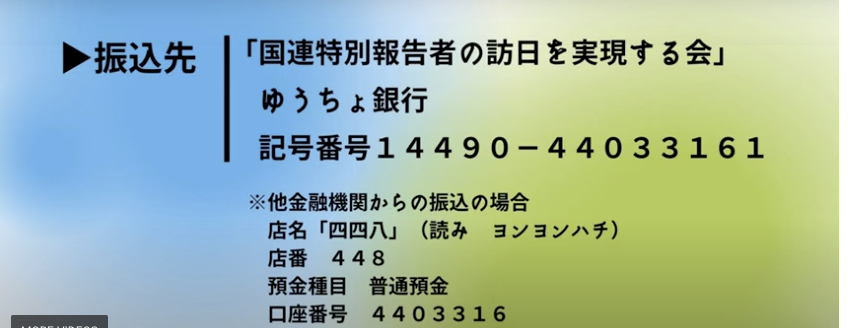
国連特別報告者の訪日調査にご支援ください!

https://www.youtube.com/watch?v=Yt2KzesUry4

国内避難民の人権に関する国連特別報告者による訪日調査を実現する会

福島の事故発生から11年が過ぎましたが、今も3万人以上の避難者が存在し、厳しい状況が続いています。皆さんご存知のように日本はとても災害の多い国です。いつどこで災害が発生するかわかりません。避難者が安心して生活再建できるような仕組みは必須です。そんな中、2022年9月26日から国内避難民の人権に関する特別報告者であるセシリア・ヒメネス・ダマリー氏が、日本の国内避難民を調査するための公式訪日が予定されています。避難は、影響を受ける人々の生命、尊厳、自由、安全に対する権利を侵害する方法で実施されてはならないとする「国内避難の指導原則」や国際人権法を広く知っていただきたいと思っています。訪日調査へのご支援を宜しくお願いします。

Posted in *日本語 | Tagged , , | Comments Off on 国連特別報告者の訪日調査にご支援ください!

Trespassing in the deadliest place on earth via The New European

By Charlie Connelly

30 JUNE 2022 12:00 AM

They took all the kettles. That was weird. What was even weirder was that
they left behind all the base plates needed to make the kettles work.

One of the most alarming aspects of early reports of Russia’s attempted
invasion of Ukraine was how on the first day of the invasion they targeted
the Chernobyl nuclear power plant close to the Ukrainian border with Belarus. No sooner had Russian forces rolled across the border than troops
were descending on the plant where, 36 years after the worst nuclear accident in history, 3,000 people are still employed in monitoring the
effects of the 1986 explosion and processing spent nuclear fuel that arrives from all over Europe.

The night shift was coming to an end on February 24 when Russian soldiers arrived from Belarus, marched into the plant and announced they were taking over. Nobody was sure why a near-derelict and still highly toxic nuclear power plant was an early priority for Putin’s forces. There was propaganda talk that the Ukrainians were using Chernobyl to make a dirty
bomb but the military top brass surely didn’t believe that?

Either way, that unfortunate night shift remained permanently on duty as
best they could for the next five weeks until the Russians suddenly packed up and left in a tearing hurry.

It could be that some troops were already displaying signs of radiation sickness. They’d charged through the exclusion zone as if unaware of how
dangerous it was and they thundered through what’s known as the Red Forest apparently oblivious to the most toxic piece of ground in Europe, if not the world. A pine forest at the time of the accident, the trees had absorbed massive amounts of radiation, turned red, died and were buried where they’d stood, making the Red Forest the most radioactive part of one of the most radioactive areas in the world.

When the ground is undisturbed a person on the Red Forest site can absorb a year’s worth of safe levels of radiation in 24 hours. If they kick up any dust that amount increases dramatically. Driving tanks and trucks across it throws up a lot of dust, vastly increasing the risks of radiation poisoning for those in the vehicles. But the Russians went one better than that: they dug trenches in the Red Forest and used the displaced soil to fill sandbags and build gun emplacements.

The damage inflicted on the plant by the Russians won’t really be known until the end of the war, but so far the inventory of stolen equipment includes 700 computers, 350 vehicles and 1,500 Geiger counters. And the kettles, of course. Every electric kettle in the place was taken, but none of the base plates that make them work.

Before the invasion the Chernobyl exclusion zone had become an unlikely tourist destination. In 2019, the last year before the pandemic, 124,000 people participated in official guided tours of Prypyat, the ghost town once home to 50,000 people. That figure was nearly three times the 46,000 who visited just two years earlier: the 2018 HBO series dramatising the disaster brought flocks of sightseers.

[…]

Stalking the Atomic City: Life Among the Decadent and the Depraved of Chernobyl by the Ukrainian writer Markiyan Kamysh was first published in Ukraine in 2015, its new English translation commissioned by Pushkin Press long before the invasion. It details Kamysh’s many years of travelling illegally in the Chernobyl exclusion zone, wandering among the abandoned villages for weeks at a time, sometimes alone, sometimes with a girlfriend, occasionally with eager tourists who persuade him to take them into what he calls simply
the Zone.

Kamych is a self-described “stalker” of the Zone, one of a handful of individuals who go there not to gawp, not to feel the thrill of being somewhere forbidden and not even to rummage around looking for stuff to take away and sell. In fact for most of the book it’s hard to pinpoint exactly why he keeps returning to such a bleak, uninviting region and staying for long periods. It’s roasting hot in summer and freezing in winter. He’s beset by midges in the heat of the swamplands, then is swimming through chest-deep snow, drinking vodka on waking at 6am because it’s the only liquid that doesn’t freeze.

[…]

Why does he do it? It’s left largely unsaid but his father, a physicist, was one of the ‘liquidators’ sent to Chernobyl in 1987, months after the explosion, to monitor radiation levels and oversee the early stages of the clean-up. Kamysh was born a year later and his father died when he was 14, as a direct result of exposure to the site.

He’s a child of Chernobyl, it’s been there since his conception, it’s there at the core of his being like the reactor core lurking beneath its thick concrete casing at the heart of the Zone. It’s as if he’s pulled back to the region because they have the same polluted DNA. In this profound and understated duel with grief, ennui and uncertainty, Kamysh has written a surprisingly meditative book entirely lacking in anger or bitterness about what Chernobyl did to his father and what might yet lay in store for him.

“When people ask me about my health, I really have no idea what to tell them,” he says, believing that “in two decades I will meet those boys and
girls who kept me company during my travels around the Zone in the
chemotherapy room of a nice cancer clinic in Kyiv”.

What the future holds for any further explorations of the Zone by
Kamysh is anyone’s guess right now. He must miss it terribly. It seems likely
the Russian soldiers, most of whom professed ignorance of the 1986 disaster and even the nature of the facility they were occupying, may well be the spawning of a new generation of stalkers to come, an increasingly ancient disaster lurking in their very make-up.

Stalking the Atomic City: Life Among the Decadent and Depraved of Chernobyl by Markiyan Kamysh, translated by Hanna Leliv and Reilly Costigan-Humes, is published by Pushkin Press on July 7, price £12.99

Read more.
Posted in *English | Tagged , , , | Comments Off on Trespassing in the deadliest place on earth via The New European

‘Angry’ court ruling blasts former TEPCO execs’ inaction via The Asahi

[…]

The ruling said the four defendants–Tsunehisa Katsumata, a former chairman; Masataka Shimizu, a former president; and two former vice presidents, Ichiro Takekuro and Sakae Muto–“fundamentally lacked an awareness of the need for safety and a sense of responsibility that is asked of executives of an operator of a nuclear plant.”

The ruling said that instead of taking the required measures to deal with a possible tsunami, the four put off making decisions on the matter.

A nuclear accident “could lead to the collapse of our nation because the damage would extend over a wide land area and cause enormous damage to the entire population,” the ruling said.

Faced with such a possibility, the ruling said operators of nuclear plants had a social and public interest obligation to prevent an accident even if the possibility was remote.

A major point in the lawsuit was the long-term assessment of the probability of major earthquakes released by the government’s Headquarters for Earthquake Research Promotion in July 2002.

The district court said that assessment had “a considerable scientific reliability” since it was compiled by the nation’s top researchers in earthquakes and tsunami.

The court came to a similar conclusion regarding the estimate made in 2008 by a TEPCO subsidiary about a maximum tsunami of 15.7 meters striking the Fukushima plant.

The district court noted that Muto was deputy chief of TEPCO’s Nuclear Power and Plant Siting Division. His decision in July 2008 to ask the Japan Society of Civil Engineers to look into the appropriateness of the tsunami estimate rather than implement measures constituted a “failure to take action,” the court said.

The court called Muto’s decision “unforgivable because of the extreme irrationality of delaying the implementation of anti-tsunami measures.”

The court then turned its attention to Takekuro, who headed the Nuclear Power and Plant Siting Division, and ruled that his decision in August 2008 gave consent to Muto’s failure to take action the previous month.

Although Muto and Takekuro were the top officials in charge of nuclear plant operations, the court also found Katsumata and Shimizu equally responsible for the lack of action.

Katsumata and Shimizu attended a meeting in February 2009 and were told a tsunami of about 14 meters could hit the Fukushima plant.

The court found that Katsumata and Shimizu shirked their responsibility to confirm any irrational points in the decision made by the Nuclear Power and Plant Siting Division the previous year.

The district court even said the nuclear accident could have been avoided if measures were taken to make watertight the main buildings and equipment at the Fukushima plant.

Those measures could have been completed in about two years, the court said.

The four former executives’ failure to take action for more than two years before the March 2011 triple meltdown at the Fukushima plant was a major cause of the accident, according to the ruling.

The court pointed out that steps to make rooms watertight had been taken in some parts of the Fukushima plant as well as at other nuclear plants operated by different utilities.

The ruling “was filled with anger toward the TEPCO executives for failing to take anti-tsunami measures,” said Hiroyuki Kawai, one of the lawyers for the 48 shareholders who took part in the lawsuit, at a news conference.

Another lawyer, Yuichi Kaido, pointed out the strong wording in the ruling may have stemmed from a visit to the Fukushima plant site in October 2021 by Presiding Judge Yoshihide Asakura and others as part of court proceedings.

Asakura was the first judge involved in any of the various criminal and civil cases related to the Fukushima disaster to visit the plant site.

Read more.

Posted in *English | Tagged , , | Comments Off on ‘Angry’ court ruling blasts former TEPCO execs’ inaction via The Asahi

東京電力の旧経営陣4人に13兆円賠償命令 株主代表訴訟で東京地裁判決 津波対策を放置「著しく不合理」 via 東京新聞

[…]

4人は勝俣氏のほか清水正孝元社長(78)、原発の安全対策の実質的な責任者だった武藤栄元副社長(72)、その上司だった武黒一郎元副社長(76)。原発事故で旧経営陣の過失を認定した司法判断は初めてで、裁判の賠償額としては過去最高とみられる。 争点は、旧経営陣らが大津波を予見し、対策によって事故を防げたか。判決は、政府の地震調査研究推進本部が2002年に公表した地震予測「長期評価」と、これに基づき最大15.7メートルの津波の可能性を示した東電子会社の試算を「相応の科学的信頼性がある」と認定した。 その上で、08年7月に試算の報告を受けた武藤氏が長期評価の信頼性を疑い、土木学会に検討を依頼して見解が出るまでの間、津波対策を放置したことを「対策の先送りで著しく不合理だ」と指摘。武藤氏の判断を是認した武黒氏に加え、09年2月の「御前会議」で敷地高を超える津波襲来の可能性を認識したのに対策を指示しなかった勝俣、清水両氏についても、取締役の注意義務を怠ったとした。 原子炉建屋や重要機器室に浸水対策を行っていれば「重大事故を避けられた可能性は十分にあった」と判断。対策には約2年の工期がかかるとし、10年に取締役に就いた小森明生元常務については賠償責任を認めなかった。 賠償額の内訳は▽廃炉費用1兆6150億円▽被災者への賠償金7兆834億円▽除染・中間貯蔵対策費用4兆6226億円。 旧経営陣側は、長期評価には異論もあり信頼性がなく、防潮堤以外の津波対策は当時、一般的な知見ではなかったと主張していた。 株主側は12年3月に提訴。弁論は62回にわたり、裁判長はこの間に3回交代した。昨年10月には原発事故の責任が問われた裁判としては初めて、裁判官による現地視察が行われた。 東電は「個別の訴訟に関することは回答を差し控える」とした。被告5人はコメントを出していない。

◆「安全意識や責任感が根本的に欠如」 裁判長が東電を批判

 「7カ月かけて書いた判決です。最後までしっかり聞いてください」。朝倉佳秀裁判長は前置きしてから判決理由を読み上げた。 約40分にわたる判決言い渡しで、朝倉裁判長は時に語気を強めながら、旧経営陣の主張を次々と退けていった。「(東電は)有識者の意見のうち、都合の良い部分をいかに利用し、都合の悪い部分をいかに無視し、顕在化しないようにするかと腐心してきた」 さらに「被告らの対応は東電内部では当たり前の行動だったかもしれないが、原子力事業者としては安全意識や責任感が、根本的に欠如していた」と厳しく批判した。

全文

Posted in *日本語 | Tagged , | Comments Off on 東京電力の旧経営陣4人に13兆円賠償命令 株主代表訴訟で東京地裁判決 津波対策を放置「著しく不合理」 via 東京新聞

Former Tepco executives ordered to pay ¥13 trillion to company over Fukushima nuclear disaster via Japan Times

By Eric Johnston

[…]

Wednesday’s decision in favor of the plaintiffs marks the first time a court has ruled that former Tepco management is liable to pay compensation. Three of the five defendants, including Katsumata, former Vice President Ichiro Takekuro, 76, and Vice President Sakae Muto, 72, had already been cleared by the Tokyo District Court of criminal responsibility for the accident in a separate September 2019 ruling.

Court-appointed lawyers acting as prosecutors appealed the 2019 decision, and a ruling on the appeal is expected to be handed down in January.

The main issue of contention in Wednesday’s verdict centered on the credibility of a long-term government assessment on possible tsunami damage that was published in 2002, and whether the former Tepco managers recognized the possibility of a huge tsunami hitting the plant and then took appropriate measures based on the report’s recommendations.

Plaintiffs argued the assessment was the view of a public agency dealing with disaster prevention, and therefore reliable. They claimed that the former Tepco officials should have been aware in advance of the possibility of a giant tsunami hitting the plant and taken necessary countermeasures before March 11, 2011, but failed to do so.

The defendants, however, argued that the 2002 government assessment was not highly credible and that it was impossible to predict the amount of damage that would occur from a large tsunami. Even if it had been possible to predict the damage, they added, there would not have been enough time to take needed countermeasures.

The ¥22 trillion sought by the plaintiffs is the total amount listed in a December 2016 report by a joint committee put together by Tepco and the economy ministry to determine how much funding should be secured to deal with the accident.

The report said Tepco would need to spend ¥8 trillion to decommission the plant and another ¥8 trillion to compensate the victims. A further ¥6 trillion is needed for decontamination measures and interim nuclear waste storage. All of these costs, the shareholder plaintiffs claim, were expenses the company would not incur had there been no nuclear accident.

But the defendants, as well as Tepco, which is offering support to the defendants, claim that decommissioning the plant had cost about ¥1.56 trillion by the fourth quarter of the fiscal year that began in April 2020. They also argued that compensation, decontamination and interim storage measures were mostly being funded by the government, which limited Tepco’s portion of the bill to around ¥510 billion by the end of fiscal 2020.

However, the utility has also admitted that it still does not know, exactly, how much the final cost will be.

As stipulated in the companies act, shareholders can launch a derivative lawsuit to pursue the responsibility of company board members and others when their actions or failure to act have caused the company damages. When the plaintiff’s claim is accepted in such a lawsuit, damages are paid to the company, not to the shareholders.

Read more.

Posted in *English | Tagged , , | Comments Off on Former Tepco executives ordered to pay ¥13 trillion to company over Fukushima nuclear disaster via Japan Times

Japan court holds utility execs liable for Fukushima crisis via abc news

ByMARI YAMAGUCHI Associated PressJuly 13, 2022, 9:22 AM

TOKYO — A Tokyo court on Wednesday ordered four former executives of the utility operating the tsunami-wrecked Fukushima nuclear power plant to pay 13 trillion yen ($94 billion) to the company, holding them liable for the 2011 disaster.

In the closely watched ruling, the Tokyo District Court said the former chairman of Tokyo Electric Power Company Holdings, Tsunehisa Katsumata, and three other former executives failed to fulfil their duty to implement the utmost safety precautions despite knowing the risks of a serious accident in case of a major tsunami. It said they could have prevented the disaster if they had taken available scientific data more seriously and acted sooner.

[…]

Presiding Judge Yoshihide Asakura said the former TEPCO executives “fundamentally lacked safety awareness and a sense of responsibility.” The ruling noted that TEPCO could have prevented the disaster if it had carried out necessary construction work to prevent the plant’s key areas from being flooded, including making its reactor buildings watertight.

[…]

Wednesday’s decision contrasted with a Supreme Court ruling last month that found the government not responsible for paying compensation sought by thousands of Fukushima residents over the loss of jobs, livelihoods and communities. It said a tsunami of that magnitude was not foreseeable even with the latest available expertise at the time.

As the current pro-business government of Prime Minister Fumio Kishida calls for speedier safety checks by regulators to promote nuclear power as a clean energy alternative to fossil fuel plants, Wednesday’s ruling is a warning to nuclear operators that they may pay a price for safety negligence.

Yuichi Kaido, a lawyer for the plaintiffs, said the ruling “will affect future management decisions at other utility companies operating nuclear plants.”

[…]

The court said the amount of compensation covers TEPCO’s costs from the disaster, including for decontamination, decommissioning and payments to affected residents.

The amount is the highest ever ordered in a lawsuit in Japan. It greatly exceeded rulings that Olympus Co. pay 59.4 billion yen ($433 million) in compensation for a coverup of losses, and that sewing machine maker Janome Co. pay 58 billion yen ($425 million) in damages for losses from extortion.

The court said the amount of compensation covers TEPCO’s costs from the disaster, including for decontamination, decommissioning and payments to affected residents.

The amount is the highest ever ordered in a lawsuit in Japan. It greatly exceeded rulings that Olympus Co. pay 59.4 billion yen ($433 million) in compensation for a coverup of losses, and that sewing machine maker Janome Co. pay 58 billion yen ($425 million) in damages for losses from extortion.


Read more.

Posted in *English | Tagged , , | Comments Off on Japan court holds utility execs liable for Fukushima crisis via abc news

アベさんに対する銃撃について思うこと via レイバーネット

小出裕章

アベさんが銃撃を受けて死んだ。
 悲しくはない。
 アベさんは私が最も嫌う、少なくとも片手で数えられる5人に入る人だった。
 アベさんがやったことは特定秘密保護法制定、集団的自衛権を認めた戦争法制定、共謀罪創設、フクシマ事故を忘れさせるための東京オリンピック誘致、そしてさらに憲法改悪まで進めようとしていた。
 彼のしたこと、しようとしてきたことはただただカネ儲け、戦争ができる国への道づくりだった。
 アベさんは弱い立場の国・人達に対しては居丈高になり、強い国・人達に対してはとことん卑屈になる最低の人だった。
 朝鮮を徹底的にバッシングし、トランプさんにはこびへつらって、彼の言いなりに膨大な武器を購入した。
 彼は息をするかのように嘘をついた。
 森友学園、加計学園、桜を観る会、アベノマスク…
 彼とその取り巻きの利権集団で、国民のカネを、あたかも自分のカネでもあるかのように使い放題にした。
 それがばれそうになると、丸ごと抱え込んだ官僚組織を使って証拠の隠ぺい、改ざん、廃棄をして自分の罪を逃れた。
その中で、自死を強いられる人まで出たが、彼は何の責任も取らないまま逃げおおせた。
 私は彼の悪行を一つひとつ明らかにし、処罰したいと思ってきた。
 私は一人ひとりの人間は、他にかけがえのないその人であり、殺していい命も、殺されていい命も、一つとして存在していないと公言してきた。
アベさんにはこれ以上の悪行を積む前に死んでほしいとは思ったが、殺していいとは思っていなかった。
 悪行についての責任を取らせることができないまま彼が殺されてしまったことをむしろ残念に思う。
 多くの人が「民主主義社会では許されない蛮行」と言うが、私はその意見に与しない。
 すべての行為、出来事は歴史の大河の中で生まれる。
 歴史と切り離して、個々の行為を評価することはもともと誤っている。
 そもそも日本というこの国が民主主義的であると本気で思っている人がいるとすれば、それこそ不思議である。
 国民、特に若い人たちを貧困に落とし、政治に関して考える力すら奪った。
 民主主義の根幹は選挙だなどと言いながら、自分に都合のいい小選挙区制を敷き、どんなに低投票率であっても、選挙に勝てば後は好き放題。
国民の血税をあたかも自分のカネでもあるかのように、自分と身内にばらまいた。
 原子力など、どれほどの血税をつぎ込んで無駄にしたか考えるだけでもばかばかしい。
 日本で作られた57基の原発は全て自由民主党が政権をとっている時に安全だと言って認可された。
 もちろん福島第一原発だって、安全だとして認可された。
 その福島原発が事故を起こし、膨大な被害と被害者が出、事故後11年経った今も「原子力緊急事態宣言」が解除できないまま被害者たちが苦難にあえいでいる。
 それでも、アベさんを含め自民党の誰一人として、そして自民党を支えて原発を推進してきた官僚たちも誰一人として責任を取らない。
 もちろん裁判所すら原発を許してきた国の組織であり、その裁判所は国の責任を認めないし、東京電力の会長・社長以下の責任も認めない。
 どんな悲惨な事故を起こしても誰も責任を取らずに済むということをフクシマ事故から学んだ彼らはこれからもまた原子力を推進すると言っている。
さらに、これからは軍事費を倍増させ、日本を戦争ができる国にしようとする。
 愚かな国民には愚かな政府。
 それが民主主義であるというのであれば、そうかもしれない。
 しかし、それなら、虐げられた人々、抑圧された人々の悲しみはいつの日か爆発する。
 今回、アベさんを銃撃した人の思いは分からない。
 でも、何度も言うが、はじめから「許しがたい蛮行」として非難する意見には私は与さない。
 心配なことは、投票日を目前にした参議院選挙に、アベさんが可哀想とかいう意見が反映されてしまわないかということだ。
 さらに、今回の出来事を理由に、治安維持法、共謀罪などが今まで以上に強化され、この国がますます非民主主義的で息苦しい国にされてしまうのではないかと私は危惧する。

原文

Posted in *日本語 | Tagged , , , , | Comments Off on アベさんに対する銃撃について思うこと via レイバーネット

認められた“人災” 原告ら「安全意識の変革に」 原発事故訴訟 via 毎日新聞

 未曽有の被害をもたらした東京電力福島第1原発事故は「人災」だとする訴えを、司法が全面的に認めた。東電の旧経営陣4人に13兆円余の巨額賠償を命じた13日の東京地裁判決。提訴から10年を経て示された結論に、原告の株主らは「電力会社の安全意識の変革につながる」と喜んだ。

 「ほぼ全面勝利です!」。判決言い渡し後の午後3時40分過ぎ、株主らが東京地裁前で「(旧経営陣の)責任認める」と記された紙を掲げると、集まった支援者が沸いた。「言葉が出ないほど感動した。信じられない気持ちだ」。原告の一人、浅田正文さん(81)も興奮した様子で話した。

(略)

原発事故を巡る裁判は多数あり、22年6月には最高裁で国の責任が否定されたばかりだ。不安もあったが、この日の判決でトップだった勝俣恒久元会長(82)ら旧経営陣の責任は認められた。浅田さんは「旧経営陣の一人一人は事故前の意識を見直してほしい。電力会社には原発事故が及ぼす大きな被害を真剣に考える契機にしてほしい」と語った。

 株主と弁護団からは、記者会見で判決の内容を評価する発言が相次いだ。株主の木村結さん(70)は「原発を運転する取締役には大きな責任が伴うことを判決が認めてくれてうれしい」。判決は「原発事故は国の崩壊にもつながりかねない」として原子力事業者に高度な安全配慮を求めた。海渡雄一弁護士は「裁判長が福島第1原発や周辺を視察したからこその重い言葉だ」と述べた。

 勝俣元会長と清水正孝元社長(78)の責任が認められたことについて、河合弘之弁護士は「経営トップも担当者に任せていてはいけないという重要な警告だ」と指摘。13兆円余の賠償額を「到底支払うことができないだろうが、それだけ重い責任があることを突きつけた」と捉えた。【松本ゆう雅、遠山和宏】

全文は認められた“人災” 原告ら「安全意識の変革に」 原発事故訴訟

Posted in *日本語 | Tagged , , | Comments Off on 認められた“人災” 原告ら「安全意識の変革に」 原発事故訴訟 via 毎日新聞

Greenpeace co-founder, ex-director calls nuclear safest energy via NewsNation

Sean Noone

(NewsNation) — A former director and founding member of the environmental organization Greenpeace says he disagrees with the group’s stance on nuclear energy.

“Nuclear energy is the safest of all the electricity technologies we have,” Dr. Patrick Moore told NewsNation’s “Special Report.”

He pointed to more than 100 nuclear plants in the U.S. and Canada that are currently operational and said no one has ever been injured as a result of radiation.

Moore said the Chernobyl disaster of 1986 is a “complete exception” because the Russians built a poorly designed reactor.Weak protection for vanishing whale violates law, judge says 

“No other nuclear plant in the world has ever had that kind of nuclear accident. Fukushima and Three Mile Island — which are also mentioned all the time about nuclear accidents — did not harm anyone, never mind kill anyone from radiation,” Moore said.

Read more at Greenpeace co-founder, ex-director calls nuclear safest energy 

Posted in *English | Tagged , | Comments Off on Greenpeace co-founder, ex-director calls nuclear safest energy via NewsNation

柏崎原発再稼働「反対」減少も4割超 「賛成」は増加 via 新潟日報

参院選・新潟日報社出口調査

新潟日報社が参院選投開票日の10日に実施した出口調査では、投票行動に加えて東京電力柏崎刈羽原発の再稼働についての賛否も尋ねた。「反対」「どちらかといえば反対」の否定的な回答は計44・5%で、「賛成」「どちらかといえば賛成」の肯定的回答の計34・5%を上回った。肯定的な回答は、5月の前回調査から増加した=グラフ参照=。

続きは[有料サイト]柏崎原発再稼働「反対」減少も4割超 「賛成」は増加

Posted in *日本語 | Tagged , | Comments Off on 柏崎原発再稼働「反対」減少も4割超 「賛成」は増加 via 新潟日報