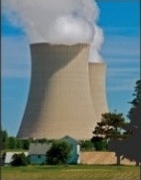
Georgia can learn lessons from Fukushima disaster via Just Atlanta News

By Daniel R. Ferreira

Georgia has two nuclear power plants with another under construction today. Together, the current plants produce about 20 percent of the electricity used in the state.
Whether you are pro- or anti-nuclear power, the truth is that nuclear power matters and all such plants carry with them the inherent risk of a radioactive release.
So why would a Kennesaw State University environmental science professor concern himself with nuclear energy? The answer is right beneath your feet.
[…]
As a soil chemist, I have a keen interest in what happens to the soil after a nuclear power plant melts down. Today, Japan is the one facing a crisis, but who knows where the next Fukushima Daiichi style accident might occur? Cleaning up the mess after such a disaster is not a simple undertaking by any stretch of the imagination.
After the Fukushima Daiichi nuclear power plant accident, the radioactive cesium that was released settled out of the atmosphere and was subsequently deposited over an area that may be as large as 15,000 square miles.
[…]
The Japanese government is funding many research projects seeking to find a method capable of removing the radioactive cesium from the soil so that it can be safely disposed. Yet, almost five years later, no one has stepped forward with a way to clean up the radioactive soil.

However, my Kennesaw State colleagues, ecosystem ecologist Dr. Matt Weand and animal physiological ecologist Dr. Mark Sugalski, and I have an idea for a new method to treat the cesium-contaminated soil in Japan that we believe will work.
Right now, we are in the process of creating soil to mimic the characteristics of the environment around the Fukushima Daiichi nuclear power plant. Our next step will be to experiment with growing certain types of plants in the soil.
Some plants are known to be able to tap into mineral reserves for nutrients when the levels of these nutrients become too low in the soil. We believe that these plants can be tricked into using their abilities to extract cesium from the clay minerals in Japanese soils.
According to a colleague at the University of Tokyo, no one in Japan has explored this particular avenue of research. The idea is promising and novel, and I believe it is worth exploring.

Read more.

Posted in *English | Tagged , , | Comments Off on Georgia can learn lessons from Fukushima disaster via Just Atlanta News

Mothers, Students Join Japan’s Protests Over Security Bills via ABC News

Mothers holding their children’s hands stood in the sprinkling rain, some carrying anti-war placards, while students chanted slogans to the beat of a drum against Prime Minister Shinzo Abe and his defense policies.

Japan is seeing new faces join the ranks of protesters typically made up of labor union members and graying leftist activists. Tens of thousands filled the streets outside Tokyo’s parliament on Sunday to rally against security legislation expected to pass in September.

“No to war legislation!” ”Scrap the bills now!” and “Abe, quit!” they chanted in one of the biggest protests in recent memory. The bills would expand Japan’s military role under a reinterpretation of the country’s war-renouncing constitution.

In Japan, where people generally don’t express political views in public, such rallies have largely diminished since often violent university student protests in the 1960s.

The 2011 Fukushima nuclear plant disaster, however, prompted a spurt of anti-nuclear protests that brought mothers out of their homes. Now at least some seem to be shifting their focus to the security debate.

[…]
But grass-roots movements among typically apolitical groups such as mothers and students — aided by social media — appear to be growing.

A group called Mothers Against War started in July and gained supporters rapidly via Facebook. It collected nearly 20,000 signatures of people opposed to the legislation, which representatives tried unsuccessfully to submit to Abe’s office last Friday.

Etsuko Matsuda, a member of the group, said she has seen too many things going in the wrong direction, including the recent return to nuclear power in post-Fukushima Japan.

“I think there are a growing number of people like me who realized our lives have only turned worse under Abe’s government,” said the 40-year-old mother of two from Sendai city in northern Japan. “I hope more people would be interested in politics and speak up.”

The security bills would permit the Self Defense Force to engage in combat for the first time since World War II in cases of “collective defense,” when Japan’s allies such as the U.S. are attacked, but Japan itself is not.

[…]
The topic has become almost a regular item in women’s magazines, traditionally known more for covering entertainment, beauty, health, food and the Imperial family.

Takashi Watanabe, a deputy editor-in-chief of Shukan Josei (Ladies Weekly), said there has been a growing appetite for social issues among readers, especially since Fukushima.

The magazine often receives inquiries by mail or phone about the legislation, sometimes even asking for anti-war rally details, he said.

[…]

Read more.

Posted in *English | Tagged , , , , | Comments Off on Mothers, Students Join Japan’s Protests Over Security Bills via ABC News

アトムの涙 手塚治虫が込めた思い(下)原作を読むきっかけに 科学とエゴのはざまでvia 47News

東京電力福島第1原発事故の後、インターネットの掲示板などに「鉄腕アトム」への批判的な意見が相次いだ。多くは「原発のイメージアップに加担しているのではないか」という書き込みだ。

手塚治虫の長女るみ子(48)は不安に駆られ、何度も声を上げそうになったが、そのたびにファンが反論して”疑惑”を打ち消してくれた。

おかげで今はそんな批判も、冷静に受け止められるようになった。「あらためて原作を読み、真意をくみ取るきっかけにしてほしい」

有名なアトム誕生のエピソードからして「父の思いがよく出ている」とるみ子は言う。

わが子を失った天馬博士が悲しみのあまり、息子そっくりのロボット、アトムをつくる。博士は最初は喜んでかわいがるが、成長しないアトムにいらだち、ついに追い出してしまう…。

「幸福のためにあるはずの科学技術が、人のエゴや欲でゆがめられてしまう。アトムはいつもそのはざまで悩んでいるんです」

手塚は1985年夏、東京・西新宿で開催した「手塚治虫漫画40年展」で1枚の風刺漫画を展示した。

米国が行った核実験で被ばくした「第五福竜丸」が海に浮かんでいる。

アトムに向かって「この原子力ロボットめ、死の灰を降らせるな!」と叫ぶ村人たち。涙を浮かべたアトムに、手塚はこうつぶやかせている。「ボクは正義の味方だと思っていたのになあ」

「アドルフに告ぐ」「グリンゴ」など手塚は後年、社会派の作品を残した。時流に敏感な手塚が生きていたら、原発事故から着想を得て、シリアスな人間ドラマを描いたに違いない。

「なのはな」「プルート夫人」など、福島の事故後、原発をテーマにした作品を次々に発表した漫画家の萩尾望都(63)は、「鉄腕アトム」が原発と関連づけて語られることにやるせなさを感じ、こんな「アトム最終話」のあらすじを考えた。

続きは アトムの涙 手塚治虫が込めた思い(下)原作を読むきっかけに 科学とエゴのはざまで

参考 アトムの涙 手塚治虫が込めた思い(中)描いた覚えない 電力会社がPRに利用 via 47News


Posted in *日本語 | Tagged , , , , | Comments Off on アトムの涙 手塚治虫が込めた思い(下)原作を読むきっかけに 科学とエゴのはざまでvia 47News

鹿児島県 台風時の原発事故は「想定外」via Hunter

大規模停電で無責任体制露呈

今月11日に再稼働した九州電力川内原子力発電所(薩摩川内市)をめぐり、鹿児島県(伊藤祐一郎知事)の杜撰な事故対策の実態が明らかとなった。
25日に九州を襲った台風15号の影響で、鹿児島県内にも被害が続出。薩摩地方では翌26日まで多くの地域が停電したままの状態に――。
原発周辺自治体の住民から「停電が長引けば、原発事故が起きても連絡などできないのでは」といった声が上がったことから、万が一の場合の対応について県 の担当課に確認したところ、県は台風時の原発事故を想定しておらず、対応策さえ存在していないことが分かった。(写真:鹿児島県庁と川内原発)

原発周辺で大規模な停電
九州全域に被害をもたらした台風15号。上陸した25日から通過後の26日にかけて混乱が続き、各地で電気の供給が止まる事態となった。鹿児島県の薩摩 地方では、川内原発の立地自治体である薩摩川内市や周辺自治体の広い地域で電気がストップ。25日は、多くの住民が真っ暗な夜を迎えていた。電力の復旧は 進まず、26日深夜になっても同地方の3~4割の世帯が停電。完全復旧は27日夜になる見込みだ。

(略)

渋々認めた「想定外」
この状況で、原発に事故が起きたらどうなるのか――住民が不安を覚えるのは当然だろう。原子力防災を所管する鹿児島県原子力安全対策課に話を聞いた。

記者:原発の周辺自治体で大規模な停電が発生している。台風時の原発事故を想定していたのか?
県側:個別、具体的な事案に対しては、その都度対応策を講じていくことになっている。

記者:台風、停電。こうした状況で、どうやって原発事故を周知し、避難誘導するのかを聞いている。
県側:個別、具体的な事案に対しては……。

記者:杓子定規な話を聞いても仕方がない。今回のような場合に、原発事故を知らせる方法は?
県側:防災無線やエリアメール、広報車の活用ができる。

記者:それは、通常の災害対策に用いるもの。台風が荒れ狂うなか、しかも今回のように広域で停電や電話の不通が発生している場合に、役に立つとは思えない。どうやって知らせる?
県側:個別、具体的な事案に対しては……。

記者:他に策はないということか?もう一度聞く。台風時の原発事故は想定していたのか?。
県側:個別、具体的な事案に対しては……。

記者:想定していない。そういうこと!
県側:してません……。

川内原発の再稼働を決めた鹿児島県だが、避難計画は不備のまま。最低限の避難訓練さえ行っていないのが実情だ。台風下での大規模停電、そこに原発事故――県はこうした事態になることを、まったく考えていないかったのである。繰り返される「想定外」。福島第一の事故を教訓にできない自治体に、原発再稼働を決める権限などあるまい。伊藤知事はどう責任をとるのか?

全文は鹿児島県 台風時の原発事故は「想定外」

Posted in *日本語 | Tagged , , | 4 Comments

George Osborne making ‘wrong moral choice’ on nuclear weapons via The Guardian

Scotland’s deputy first minister accuses chancellor of jumping gun by announcing extra £500m for Trident base

Scotland’s deputy first minister has accused George Osborne of making “the wrong moral choice” on nuclear weapons after the chancellor announced £500m of extra spending at the Trident submarine base in Faslane.

John Swinney accused Osborne of jumping the gun by making the announcement before the Commons could have a full debate on Trident’s renewal and the future shape of the UK’s defences.

Osborne, who was visiting the base on the shores of Gare Loch in Argyll and Bute on Monday, announced a further £500m to upgrade and expand its infrastructure, including jetties and seawalls. All the UK’s nuclear and conventional submarines will be based there from 2020.

Osborne said the investment was a dividend for Scotland remaining part of the UK. He also claimed that a Labour party led by Jeremy Corbyn, allied with the anti-nuclear Scottish National party, would pose a threat to national security by undermining the future of Trident.

[…]

A final Commons vote on renewing Trident is due in 2016 and the debate is expected to be one of the most divisive yet on British nuclear weapons with 56 SNP members having been elected on a strong anti-nuclear platform, and a resurgence of anti-nuclear sentiment in the Labour party with Corbyn’s leadership campaign.

It could also increase political divisions between Scotland and the rest of the UK – a fear likely to have strongly influenced Osborne’s decision to press the case for new jobs and investment at Faslane on an official visit before the Commons resumes.

As it stands, only two of Scotland’s 59 MPs, the Tory Scottish secretary, David Mundell, and the former Scottish secretary Alistair Carmichael, support nuclear weapons: Ian Murray, Labour’s shadow Scottish secretary and its sole MP in Scotland, has said publicly he will vote against renewing Trident. Swinney said a number of Tory MPs also preferred higher spending on conventional forces to new nuclear weapons.

Read more at George Osborne making ‘wrong moral choice’ on nuclear weapons

Posted in *English | Tagged , , , , , | Comments Off on George Osborne making ‘wrong moral choice’ on nuclear weapons via The Guardian

東野圭吾が告白していた“原発タブー”体験! 原発テロを扱った公開間近の東野原作映画『天空の蜂』は… via LITERA

(抜粋)

そんななか、“原発テロ”を舞台にしたある映画が注目を浴びている。売れっ子作家・東野圭吾原作の映画『天空の蜂』だ。

物語は自衛隊の 巨大軍用ヘリコプターが“テロリスト”に乗っ取られたところから始まる。ヘリは大量の爆薬を積んだまま、福井県の高速増殖炉「新陽」の真上へ。そして、日 本政府にテログループから現在稼動中や建設中の原発を全て停止しろ、さもなくば巨大ヘリを「新陽」に墜落させる、という脅迫状が届く。

“原発とテロ”問題だけでなく、今年4月の官邸ドローン事件も想起させられるが、そうした衝撃的内容に加え、映画は『本格冒険科学映画 20世紀少年』や『トリック劇場版』を手掛けてきた実力監督の堤幸彦がメガホンを取り、出演は江口洋介、本木雅弘、綾野剛、向井理、仲間由紀恵など人気、実力ともに定評のある豪華キャストばかりだ。

9月12日公開を控え、6月22日には完成報告会見が、そして8月20日には完成披露プレミア試写会が行われ、監督はじめメインキャストが揃い舞台挨拶が行われた。しかし、これだけ話題性が高い映画にも関わらず、マスコミの扱いは意外に小さいものだった。

「メディアが話題にしたのは江口の妻・森高千里の“美脚”話や、作品のラブシーン、そしてアクション場面ばかりが強調され、肝心の原発やテロといった内容については、きちんと取り上げられることがあまりなかった」(映画評論家)

それでも紙媒体メディアは会見や試写会などの様子を報じたが、テレビの情報番組は現在まで、この映画のことをほとんど取り上げていない。

この状況をみて、ふと頭をよぎったのが、東野圭吾が原作小説『天空の蜂』を発表したときに体験した状況だ。

(略)

東野は、直接的な言葉こそ使っていないが、明らかに『天空の蜂』が“原発タブー”によって黙殺されたことを示唆しているのだ。

たしかに、同作が出版されたのは福島原発事故のはるか前であり、強固な原発タブーがメディアを覆っていた時代だ。マスコミは電力会社から巨額の宣伝広告費をばらまかれ、原発を批判することが御法度となっていた。「安全神話」が堂々とまかり通り、原発の危険性を指摘しそれをテーマにした作品を発表すると“無知”“非科学的”“変人”と批判され、メディアから排除されかねない状況にあった。

だが、小説『天空の蜂』には、原発の危険性や高速増殖炉の問題、そして放射能被害の不透明さ、反対派への陰湿な嫌がらせなど、原発を推進する電力会社や政府が嫌がるようなシーンがいくつも描かれていた。

いくら売れっ子作家の東野であっても、マスコミが抱える強固な原発タブー、電力会社タブーを打ち破ることはできず、同作は完全に黙殺されてしまったのである。

全文は東野圭吾が告白していた“原発タブー”体験! 原発テロを扱った公開間近の東野原作映画『天空の蜂』は…

Posted in *日本語 | Tagged , , , , , | 1 Comment

Documentary captures anti-nuclear protest movement’s evolution via The Japan Times

In the summer of 2012, tens of thousands of people gathered around the prime minister’s office with one message — no more nuclear power. People flooded the streets of Tokyo’s Nagatacho district, chanting and holding up signs saying “No Nukes!” in the hope their voices could be heard.

It is a moment historical sociologist Eiji Oguma has captured in his debut documentary film, “Tell the Prime Minister,” which will start screening at Uplink cinema in Shibuya on Sept. 2.

“This movement is extremely important for the modern history of Japan — even the world,” Oguma says. “I had been following the demonstrations and I knew that I wanted to record it someway or another.”

The film documents the fledgling rallies that began to appear soon after the March 2011 nuclear disaster at the Fukushima No. 1 power plant and traces their growth into a unified protest movement. The footage shows participants from all walks of life marching through the streets dressed in colorful costumes and carrying balloons. Live music fills the air.

“I didn’t think the protests would develop into something like this,” Oguma says. “What attracted me most to this movement was that nothing happened the way I thought it would.”
[…]
All of the footage of the protests was provided by the owners free of charge. Oguma surfed online and found about five hours worth of footage he wanted to use, and then edited it down to an hour. Oguma then reached out to the videos’ owners and most happily agreed to let him use their footage. In addition, Oguma and Shunichi Ishizaki, editor of the documentary, conducted their own interviews of former Prime Minister Naoto Kan and activist Misao Redwolf, among others. Oguma, a professor at Keio University, has written many books, but this is the first time he has stepped into the world of film.

“There are some things that are hard to express with words and that is why I wanted to make a film,” Oguma says. “I wanted to create something that showed the beauty of the movement that had come to life.”

Although not as sizable, anti-nuclear protests are still being organized every Friday in Nagatacho. Oguma notes that the March 11 disaster became a turning point for Japan’s protest movement. And today, tens of thousands of people are gathering around Prime Minister Shinzo Abe’s office to oppose security bills that would enable Japan to change the interpretation of the Constitution to execute collective self-defense.

“A new style of protest was born by coincidence and it is continuing to this day,” Oguma says. “It is a show of the country’s creativity.”

Read more.

Posted in *English | Tagged , , , , , | Comments Off on Documentary captures anti-nuclear protest movement’s evolution via The Japan Times

【社説】 国が原因究明を 帰還困難区域のモミの木形態変化via 福島民有

国は東京電力福島第1原発事故との因果関係を含めて原因を徹底究明し、結果を正確に公表しなければならない。
 放射線医学総合研究所(放医研)が、帰還困難区域の山林で、自生するモミの木の幹が途中から伸びない形態変化が確認されたと発表した調査結果のことだ。

[…]
 発生割合は福島第1原発との距離が近い地点から98%、44%、27%で、比較対象として調査した茨城県北茨城市では6%だった。
形態変化が現れた時期については、事故翌年の2012年から13年にかけて急増し、14年には減少に転じている。
モミのような針葉樹が放射線の影響を受けやすいことは、これまでの実験やチェルノブイリ原発事故の事例などで分かっていた。

 放射線生物学が専門の丹羽太貫放射線影響研究所(放影研)理事長によると、放射線の影響に大きさが関係するゲノムサイズ(生殖細胞に含まれるDNAの総量)が針葉樹の場合、ヒトの7倍ほどあるからだ。

 ただ仮に放射線の影響から形態が変化したとしても、今回のケースでは発生頻度が減少していることなどから突然変異を示すものではないとの見方ができるという。

モミの主幹欠損は気象的な影響や動物による食害でも起きるとされる。放医研は実験施設内で人為的にモミの木に放射線を照射し、同様の形態変化が起きるかを調べる必要性を指摘している。

 因果関係の究明に重要なのは、原発事故直後にモミの木が受けた被ばく線量がどの程度だったのかを正確に把握することだ。

 事故直後と比べると線量は下がってきている。風評を広げたり生活空間への影響を過剰に心配することがないよう、国は原因究明を急ぎ、分かったことを逐一説明することが求められる。

全文を読む。

Posted in *日本語 | Tagged , , , | Comments Off on 【社説】 国が原因究明を 帰還困難区域のモミの木形態変化via 福島民有

Japan’s Nuclear Clean-Up: Jimmy Carter and Fukushima via The Economist

April 2, 2011

[…]
Workers who were already facing deadly radiation exposure were forced to sleep on a floor with barely enough to eat and drink, until the Japanese media exposed their terrible conditions. Some workers were sent into the toxic plant without basic protective gear like rubber boots, and needed to be hospitalised. On April 1st the government revealed that the plant’s operator, TEPCO, had not even provided dosimeters—small, inexpensive badges that record radiation exposure—to all workers.

The fear and danger is beyond comprehension for most people, and in particular the political leaders who must order men in to danger. But interestingly, it is not unfamiliar to former American president Jimmy Carter. Nearly half a century ago, as a young naval officer, he led a 23-man team to dismantle a reactor that, like Fukushima, had partially melted down.

The reactor in Chalk River, Canada, about 180 kilometres (110 miles) from Ottawa, was used to enrich plutonium for America’s atomic bombs. On December 12th 1952 it exploded, flooding the reactor building’s basement with millions of litres of radioactive water. Lieutenant Carter, a nuclear specialist on the Seawolf submarine programme, and his men were among the few people with the security clearance to enter a reactor. From Schenectady, New York, they rode the train up and got straight to work.

“The radiation intensity meant that each person could spend only about ninety seconds at the hot core location,” wrote Mr Carter in “Why Not the Best?“, an autobiography published in 1975 when he was campaigning for the presidency.

The team built an exact replica of the reactor on a nearby tennis court, and had cameras monitor the actual damage in the reactor’s core. “When it was our time to work, a team of three of us practised several times on the mock-up, to be sure we had the correct tools and knew exactly how to use them. Finally, outfitted with white protective clothes, we descended into the reactor and worked frantically for our allotted time,” he wrote. “Each time our men managed to remove a bolt or fitting from the core, the equivalent piece was removed on the mock-up.”

“For several months afterwards, we saved our feces and urine to have them monitored for radioactivity. We had absorbed a year’s maximum allowance of radiation in one minute and twenty-nine seconds. There were no apparent after-effects from this exposure—just a lot of doubtful jokes among ourselves about death versus sterility,” Mr Carter wrote.
The men at Fukushima face similar risks. Some 21 workers have been exposed to more than 100 millisieverts of radiation, the maximum permissible during an emergency, according to Japan’s Nuclear and Industrial Safety Agency (NISA). As a result, NISA raised the limit to 250 millisieverts for plant workers. At 500 millisieverts the exposure begins to have detectable effects on health.

In 2008, when Mr Carter was 83, he was asked if he had been scared. The former president grew quiet and, speaking very deliberately, replied: “We were fairly well instructed then on what nuclear power was, but for about six months after that I had radioactivity in my urine. They let us get probably a thousand times more radiation than they would now. It was in the early stages and they didn’t know.” The account, from Arthur Milnes, a journalist and historian at Queen’s University in Canada, appears in a book published last month, “Jimmy and Rosalynn Carter: A Canadian Tribute” (McGill-Queen’s University Press, 2011). “I learned the dangers,” said Mr Carter.

People close to Mr Carter credit his Chalk River experience for his decision not to develop a neutron bomb and to restrict plutonium enrichment to prevent nuclear proliferation. And it is considered one of the principal reasons he took quick, precautionary actions during the Three Mile Island reactor crisis, which occurred two years into his presidency. As for the Chalk River disaster itself, some of today’s reactor safety features came out of the incident, such as a system for independent, fast shutdowns that is separate from the regular reactor controls.
[…]
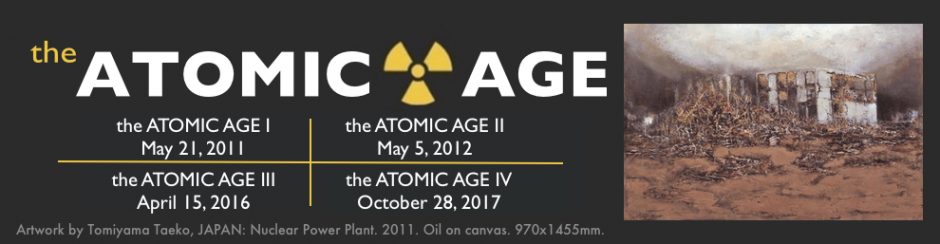

Read more.

Posted in *English | Tagged , , , | Comments Off on Japan’s Nuclear Clean-Up: Jimmy Carter and Fukushima via The Economist

大阪遺棄で除染中断は過剰反応?3日ぶり再開 via 河北新報

大阪の中1遺棄事件で逮捕された契約社員山田浩二容疑者(45)が東京電力福島第1原発事故に伴う除染作業に従事していた福島県川俣町山木屋地区で27日、3日間中断していた除染作業が再開した。国は「安全を確保した」と強調するが、同地区で働く除染作業員は2000人以上。「一人一人管理できるはずがない」と住民は首をかしげ、「除染中断はそもそも過剰反応では」との声も上がった。

[…]

環境省福島環境再生事務所は、除染を請け負う共同企業体(JV)に対策を指示。JVは法令順守の徹底を作業員に訴え、全員に「除染への決意」を文書で提出させた。定期的な面談やパトロール強化、県警への情報提供など今後の取り組みも矢継ぎ早に決めた。

一連の対応に山木屋から町内に避難する女性(39)は「全員と面談するだけでも大変。見た目で素行が悪いと判断して仕事を取り上げることにもなりかねない」と指摘した。仮設住宅の男性(83)は「容疑者がいなくなってから除染を止めて意味があったのか。真面目に働くほかの作業員が気の毒だ」と語った。

県内で働く除染作業員は国直轄だけで1万9000人。作業員増加による治安悪化への懸念は従来から根強い。県警によると、2011年からことし7月までに県内で摘発された除染作業員は484人。容疑は窃盗や傷害などで「他の職業に比べて目立つのは確か」(関係者)な面はある。

続きは 大阪遺棄で除染中断は過剰反応?3日ぶり再開

関連記事 寝屋川中1殺害事件では差別も…見捨てられた福島原発「除染作業員」の悲惨な実態 via LITERA

Posted in *日本語 | Tagged , , | Comments Off on 大阪遺棄で除染中断は過剰反応?3日ぶり再開 via 河北新報