Republicans at U.S. nuclear regulator pass stripped down safety rule via Reuters

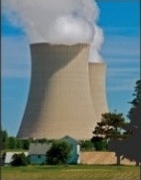
WASHINGTON (Reuters) – Republicans on the U.S. nuclear power regulator approved a stripped down safety rule on Thursday that removes the need for nuclear plants to take extra measures based on recent science to protect against hazards such as floods and earthquakes.

The Nuclear Regulatory Commission, a board with three Republican seats and two Democratic seats, approved the rule on a 3-2 vote along party lines. Dissents are rare on the NRC and the two members who hold Democratic seats strongly disagreed with the approval.

[…]

They said the Republican decision could allow plants to avoid protections against risks of natural disasters that have become apparent with science methods that have evolved since most plants were built about 40 years ago.

A draft rule that included the measures was formed following the 2011 nuclear disaster at Japan’s Fukushima Daiichi plant that was damaged by an earthquake and tsunami, forcing more than 160,000 people from their homes. The draft was presented to the commission in 2016.

Commissioner Jeff Baran, a Democrat, said NRC staff had included the extra safety measures in the draft after years of work, but Republicans had jettisoned them.

“Instead of requiring nuclear power plants to be prepared for the actual flooding and earthquake hazards that could occur at their sites, the NRC will allow them to be prepared only for the old out-of-date hazards typically calculated decades ago when the science of seismology and hydrology was far less advanced than it is today,” Baran said after the vote.

[…]

A nuclear power safety advocate said new information showed that plants may experience bigger floods and earthquakes than they are now required to withstand, and that it is possible the commission will not require nuclear plants that face greater hazards to make upgrades.

“Nuclear plants must be protected against the most severe natural disasters they could face today – not those estimated 40 years ago,” said Edwin Lyman, acting director of the Nuclear Safety Project at the Union of Concerned Scientists.


Read more.

Posted in *English | Tagged , , | 2 Comments

終末時計公表 人類滅亡まで「なぜ2分前?」 疑問の声に答えた主催者の言葉とは… via Aera.dot

人類滅亡まで残り2分――。米科学者らが1月24日(日本時間25日)に発表した「終末時計」は、最も危機的とされた昨年の「2分前」から変わらなかった。ネットで世界配信された記者会見で、主催者は「過去最悪」の危機感を強調したが、視聴者からは主催者の現状認識に違和感を示すコメントが相次いだ。時間据え置きの判断はどのようにされたのか。

[…]

広島や長崎への原爆投下を受けて1947年に創設された終末時計の最初の時刻は「7分前」だった。これまでで終末に最も近づいたのは「2分前」。冷戦時代のまっただ中、米ソによる水爆実験で核開発競争が加速した53年と、北朝鮮の核開発が最大の脅威と認識された2018年だけだ。その過去最悪の現状認識が、今年も維持されたことになる。

「すでに午前0時でもいいような状況だ」
「現状を踏まえれば1分前になると確信していた」
「1分前でないなら、少なくとも1分40秒前にするべきだ」
「私は1分30秒前になると思っていた」
「1分59秒58」
「北朝鮮の核問題は改善している。むしろ、終末から遠ざかったのでは?」
「今後はトランプ(米大統領)がますます時計を進める」

終末時計が「2分前」から変わらなかった発表に、記者会見がライブ中継された主催誌のフェイスブック上では、疑問を呈するコメントが相次いで掲載された。第2次世界大戦以来、最悪の状況に世界は置かれているという危機感よりも、時計の針が1秒も変わらなかったという同誌の現状認識への違和感が示された形だ。混乱深まる世界情勢を懸念する一般社会の体感の表れだった。

そんな雰囲気を感じ取ったのか、記者会見で質問を受けた同誌7人のうちの1人が、語気を強めて強調した。

「終末時計が過去最悪の2分から変わらないこと自体が最悪だ。それこそが、われわれが伝えたいメッセージだと思ってほしい」

[…]

ブロンソン社長によると、今年の終末時計の検討が始まったのは昨秋、キーワードは最初から「ニューアブノーマル」だった。より安全で健全な世界を前進させるための国際合意形成でリーダーシップをとってきた米国が、背を向け、「致命的で危険な離脱」をしたことに対する現状認識から生まれた言葉だったという。事実とフィクションの区別が困難となり、大きな問題解決に必要な能力を傷つけていることもニューアブノーマルの象徴の一つだとした。

[…]

また、90年の発表から終末時計の判断要素に加わった気候変動問題では、脱炭素に対する世界の取り組みがなかなか進まない現状を問題視。パリ協定から離脱した米国が、一部の国と組んで、国際社会の努力を妨げようとしているとして批判した。

加えてサイバーテロの脅威やフェイクニュースの氾濫など「情報環境」を取り巻く状況の深刻化、技術革新が続くIT分野での技術悪用への懸念なども判断材料にしたと説明。

[…]

いずれにしても過去70年の平均で、時計の針が実際に動かされるのは数年単位だった。しかし、17年、18年と2年連続で時計の針が30秒ずつ終末に近づいた。これまでの平均的な傾向と比べると、2年連続は異例だったと言える。それだけ危機感が強まったことを意味するが、その傾向が継続する中で、今年は状況の推移を注視する時だった。それだけに時計の針を動かす年ではなかったとも言える。

この70年間で「2分前」を切ったことは一度もないだけに、そうなる前の最後の宿題として、現状の改善努力を世界各国へ呼びかける今年の終末時計だったように感じた。

[…]


全文

Posted in *日本語 | Tagged , | 2 Comments

SC, Savannah River Site needs to stay out of the nuclear weapons business via the State

Gov. McMaster should refuse any government requests to create plutonium pits in South Carolina. Our beautiful state has become a nuclear waste ground. The Department of Energy continues to spend billions on nuclear cleanup of waste that has no repository. South Carolinians don’t want more plutonium in our state. We certainly don’t want the highly dangerous materials that result from pit production. Plutonium may be the worst of the fission byproducts. Plutonium, Pu-239, has a half-life of 24,100 years so it stays in the environment the longest. Rocky Flats, a former U.S. nuclear weapons production facility, is a superfund site because of contamination from producing plutonium pits. We don’t want a Rocky Flats legacy.

Allowing plutonium pits to be produced at the Savannah River Site magnifies the nuclear weapons role for South Carolinians. The waste that was produced 50 years ago from our involvement with nuclear weapons is still an environmental nightmare. We need to transition to clean technology and stay out of the weapons business.

Posted in *English | Tagged , , , , , | 11 Comments

脱原発を訴え市民らがデモ JR膳所駅前 via 中日新聞

 大津市民らが呼び掛け人となり、月に一回、原発再稼働などに異議を唱えているデモ行動「脱原発 市民ウオークin滋賀」が二十六日、同市のJR膳所駅前であった。

 二〇一一年三月の東京電力福島第一原発事故を受けて、市民有志が同年五月から続けている。この日は、男女の市民二十人が集い「老朽原発動かすな」「琵琶湖を放射能の汚染から守ろう」とシュプレヒコールを上げて、琵琶湖畔までの約七百メートルを歩いた。

 (作山哲平)

続きは脱原発を訴え市民らがデモ JR膳所駅前

Posted in *日本語 | Tagged , | 2 Comments

Japanese Catholics urge pope to send anti-nuclear message via South China Morning Post

Pontiff said to be planning trips to Hiroshima and Nagasaki, targets of devastating US nuclear attacks in the second world war that killed hundred of thousands

Japanese Catholics on Sunday urged Pope Francis to send an anti-nuclear message from Hiroshima and Nagasaki when he travels to the country later this year.

The Argentine pontiff said last Wednesday he would visit Japan in November, becoming the first pope to go there since John Paul nearly 40 years ago.

During his stay in the country, Francis reportedly plans to visit Hiroshima and Nagasaki to pray for the victims of the 1945 nuclear attacks, which killed some 220,000 people instantly.

“I believe he will have sympathy for the movement to abolish nuclear arms,” said 77-year-old Keiko Ichikawa said after attending her first mass since the pope announced his trip to Japan, home to some 450,000 Roman Catholics. “I hope the pope’s visit will be an opportunity to encourage the movement.”

[…]

According to local media, the pope is also considering visiting the Fukushima region, which was hit by a massive tsunami triggered by an earthquake in March 2011.

The high waves killed about 18,000 people and swamped the Fukushima nuclear plant, sending its reactors into meltdown and leading to the world’s worst nuclear disaster since Chernobyl.

Read more at Japanese Catholics urge pope to send anti-nuclear message 

Posted in *English | Tagged , | 2 Comments

Toxic legacy: what to do with Britain’s nuclear waste – Science Weekly podcast via The Guardian

The UK has a problem and it isn’t going to go away anytime soon. But what to do about it? This week Geoff Marsh explores plans to bury the UK’s nuclear waste deep underground

The UK was a pioneer of nuclear energy production but the waste that this innovation left behind is now spread across sites all over the country. Along with other nuclear nations, the UK has come to the conclusion that the safest way to deal with this nuclear waste is to bury it deep underground in what is called a geological disposal facility (GDF).

This GDF would be filled with the current inventory plus any waste produced by future energy production, and then sealed shut for millennia. 

[…]

In this episode, Geoff Marsh speaks to Bruce McKirdy and Ann McCall, from Radioactive Waste Management, the body responsible for implementing a GDF in the UK. We also hear Prof Polly Arnold, a synthetic chemist at University of Edinburgh, about the tricky chemistry of nuclear waste. Plus, the Guardian’s energy correspondent, Adam Vaughan joins Geoff in the studio to share his perspective.

Read more and listen to the podcast at Toxic legacy: what to do with Britain’s nuclear waste – Science Weekly podcast 

Posted in *English | Tagged , , , , | 2 Comments

Nuclear waste has been piling up across America with nowhere to go. Congress needs to act via Los Angeles Times

By DAVID G. VICTOR, DAN STETSON and JERRY KERN

At 74 sites around the country, radioactive waste from the nation’s commercial nuclear reactors is accumulating with no place to go.

The long-standing problem is becoming a logistical and administrative nightmare. Financial pressures are forcing many reactors to close. Thousands of canisters packed with highly radioactive fuel remain.

There are closed nuclear reactors in at least 34 states, including Maine, Florida, Pennsylvania and New York. Some are near big cities, such as the San Onofre plantsouth of Los Angeles. The sites are monuments to decades of political neglect and mangled nuclear strategy.

[…]

At the center of the debate is the Nuclear Waste Policy Act of 1982 — legislation that was predicated on the idea that our nuclear reactors, which reload with fresh fuel every 18 to 24 months, would send their spent fuel to at least one national permanent repository.

The 1982 law was passed with strong support, because the location of any repository was unknown. A few years later, the country settled on Nevada’s Yucca Mountain, about 100 miles from Las Vegas.

[…]

Other countries, including Canada and Finland, have avoided this kind of impasse. They invited local communities to compete for the investment and jobs that would come with a nuclear waste repository. By the time this better approach became conventional wisdom, American politics around nuclear waste had already been thrust into gridlock by Yucca Mountain.

New legislation could rectify all this, and some proposals are already in the works.

[…]

New technologies could help. For instance, a technique that would inject spent nuclear waste into the Earth’s crust — known as deep borehole drilling — is being tested and may offer alternatives to Yucca.

Regions with closed nuclear plants, including in Southern California, need to keep organizing and pressuring their legislators. The industry and the Decommissioning Plants Coalition, a political lobby also known as the Dead Plant Society, must talk less about the mechanics of closing plants and more about making the politics work.

Posted in *English | Tagged , , , , | 2 Comments

「脱原発」をテーマとした音楽フェス「NO NUKES 2019」追加アーティスト発表 via Festival Life

2019年3月23日(土)・ 24日(日)の2日間豊洲PITで開催される「脱原発」をテーマとした音楽フェス「NO NUKES 2019」の追加アーティストが発表された。

(略)

また本日からチケットの一般発売も開始となっている。

出演者リストは「脱原発」をテーマとした音楽フェス「NO NUKES 2019」追加アーティスト発表 

Posted in *日本語 | Tagged , | 2 Comments

地球最後まで時計「2分」 核脅威続き、異常事態 via 沖縄タイムス

 【ワシントン共同】米誌「ブレティン・オブ・ジ・アトミック・サイエンティスツ」は24日、核戦争の脅威などを評価し、地球最後の日までの時間を概念的に示す「終末時計」の時刻を残り「2分」と発表した。

昨年と同じで、米ソ冷戦中で水爆開発が過熱していた1953年と並び3回目の過去最短となった。同誌は「世界は新たな異常事態の中にある」と警鐘を鳴らした。

全文は地球最後まで時計「2分」 核脅威続き、異常事態

当サイト既出関連記事:

Posted in *日本語 | Tagged , | 2 Comments

Here’s how many billions the US will spend on nuclear weapons over the next decade via Defense News

WASHINGTON — If the U.S. carries out all of its plans for modernizing and maintainingthe nuclear arsenal, it will cost $494 billion over the next decade, an average of just less than $50 billion per year, a new government estimate has found.

The number, part of a biannual estimate put out by the Congressional Budget Office, is 23 percent over the previous estimate of $400 billion released in 2017. That 2017 figure was a 15 percent increase over the 2015 number.

The number will likely grab attention in Congress, especially on the House Armed Services Committee, where new Chairman Rep. Adam Smith, D-Wash., has made it clear he’s looking for ways to save money by cutting nuclear costs.

[…]

Just more than half of that increase, however, is based on a technicality, driven by the fact that this projection covers two years later than the 2017 projection did, and a number of modernization programs will be further along — and hence costlier. Overall, the $494 billion figure represents roughly 6 percent of overall projected defense spending during that time period.

[…]

Overall, the Pentagon and the Department of Energy are preparing to spend the money in the following way:

  • $234 billion on strategic nuclear delivery systems and weapons, including submarines (an estimated $107 billion over this time period), intercontinental ballistic missiles ($61 billion) and long-range bombers ($49 billion, less than the full projected cost of the dual-use bomber fleet); the nuclear warheads for use from those systems; and DOE’s funding of nuclear reactors for the submarine fleet. 
  • $15 billion on tactical nuclear delivery systems and weapons, including tactical aircraft for delivering weapons; management of the warheads for those tactical aircraft; and funding for the new submarine-launched cruise missile. 
  • $106 billion for DOE’s nuclear weapons laboratories and production facilities, where America’s stockpile of nuclear warheads are maintained and developed. The department has a longstanding backlog on maintenance and upgrades for its locations. 
  • $77 billion on nuclear command, control, commutations and early warning systems, used to coordinate any nuclear-related issues. While not as flashy as the weapons themselves, Pentagon officials over the last two years have sounded the alarm that nuclear command and control is at risk of being outdated without major investments. 

The remaining $62 billion in projected costs come from “CBO’s estimate of additional costs that would be incurred over the 2019–2028 period if the costs of nuclear programs exceeded planned amounts at roughly the same rates at which costs for similar programs have grown in the past.”

When all that is factored in, CBO’s estimated annual cost rises from $33.6 billion in 2019 to about $63 billion in 2028, a roughly 90 percent increase over that period.

Posted in *English | Tagged , , | Comments Off on Here’s how many billions the US will spend on nuclear weapons over the next decade via Defense News