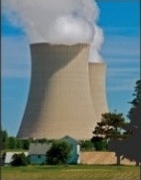
米ネバダ州、核実験で放射能汚染 via ロイター

 米核研究機関が西部ネバダ州の地下施設で2月に実施した臨界前核実験後、実験に用いた核物質封じ込め用容器の付近で少量のプルトニウムによる汚染が確認されたことが25日、米大統領とエネルギー長官への助言機関「防衛核施設安全委員会」の報告書やエネルギー省の核安全保障局(NNSA)への取材で分かった。外部への影響はないとしている。

(略)

容器の接続部品のワッシャーに亀裂が見つかっており、微量の放射性物質漏れが起きた可能性もある。NNSAは共同通信の取材に、汚染の「原因は調査中」とした上で、「被ばくした作業員はいない」と説明した。

全文は米ネバダ州、核実験で放射能汚染

Posted in *日本語 | Tagged , , | 4 Comments

Nuclear waste: A hot business? via Bulletin of the Atomic Scientists

By Thomas Gaulkin,

It usually takes decades for defunct nuclear plants in the United States to be taken apart and cleaned up so the land can be developed for other purposes. Long after the main facilities are dismantled and their sites remediated, spent fuel remains radioactive and takes years to cool off in pools before it can be safely placed in concrete cylinders—dry casks, in industry lingo—for interim storage that could last years or even decades. Utility companies stuck with these useless sites often delay the costly cleanups as long as they possibly can.

[…]

Companies like Holtec International (which Salsberg reports has deals for several plants that are being retired up and down the east coast and in Michigan) will take on the nuclear facilities, their multibillion-dollar funds set aside for the decommissioning process, and the prospect of lucrative government compensation. (Since there’s no national long-term disposal site for high-level civilian nuclear waste, the concrete cylinders have to stay where they are until a long-term repository is created.)

Holtec claims it can safely store spent fuel in its specialized cylinders after only two years of cooling, instead of the five to 10 years of cooling now required. But opponents and some officials worry that encouraging commercialization of nuclear waste storage will jeopardize safety, and that the speedier decommissioning projects will hit more snags than they already do. Salsberg notes that Holtec International has “never managed a decommissioning start to finish.”

It’s also not clear that moving spent fuel from cooling pools into storage canisters a few years more quickly than it otherwise might be moved will make the former sites of nuclear power plants—still burdened with dry casks full of nuclear waste—all that attractive as developments sites.

Read more at Nuclear waste: A hot business?

Posted in *English | Tagged , | 3 Comments

除染土利用の実証試験を初公開 福島県飯舘村で農地造成 via 沖縄タイムス

 環境省は24日、東京電力福島第1原発事故で帰還困難区域となっている福島県飯舘村長泥地区で、村内の除染で生じた土を農地造成に再利用する実証試験の現場を初めて報道機関に公開した。

福島県の除染土は第1原発近くの中間貯蔵施設で保管するが、環境省は最終処分量を減らすために放射性物質濃度が比較的低い土壌を再利用する方針を掲げている。

長さ約20メートル、幅約3メートルのベルトコンベヤーが装備された分別機と呼ばれる機械で放射性セシウム濃度を測定。1キログラム当たり5千ベクレル以下の土だけを選別する。

続きは除染土利用の実証試験を初公開 福島県飯舘村で農地造成

Posted in *日本語 | Tagged , , | 3 Comments

Chernobyl vs. Fukushima: Which Nuclear Meltdown Was the Bigger Disaster? via Live Science

By Mindy Weisberger, Senior Writer 

The new HBO series “Chernobyl” dramatizes the accident and horrific aftermath of a nuclear meltdown that rocked the Ukraine in 1986. Twenty-five years later, another nuclear catastrophe would unfold in Japan, after the magnitude 9.0 Tohoku earthquake and subsequent tsunami triggered a disastrous system failure at Fukushima Daiichi Nuclear Power Plant.

Both of these accidents released radiation; their impacts were far-reaching and long-lasting.

But how do the circumstances of Chernobyl and Fukushima compare to each other, and which event caused more damage? [5 Weird Things You Didn’t Know About Chernobyl]

[…]

“As a result, more fission products were released from the single Chernobyl core,” Lyman told Live Science. “At Fukushima the cores overheated and melted but did not experience violent dispersal, so a much smaller amount of plutonium was released.”

In both accidents, radioactive iodine-131 posed the most immediate threat, but with a half-life of eight days, meaning half of the radioactive material decayed within that time, its effects soon dissipated. In both meltdowns, the long-term hazards arose primarily from strontium-90 and cesium-137, radioactive isotopes with half-lives of 30 years.
And Chernobyl released far more cesium-137 than Fukushima did, according to Lyman.

“About 25 petabecquerels (PBq) of cesium-137 was released to the environment from the three damaged Fukushima reactors, compared to an estimate of 85 PBq for Chernobyl,” he said (PBq is a unit for measuring radioactivity that shows the decay of nuclei per second).

[…]

In the years that followed, cancers in children skyrocketed in the Ukraine, up by more than 90%, according to Time. A report issued by United Nations agencies in 2005 approximated that 4,000 people could eventually die of radiation exposure from Chernobyl. Greenpeace International estimated, in 2006, that the number of fatalities in the Ukraine, Russia and Belarus could be as high as 93,000 people, with 270,000 people in those countries developing cancers who otherwise would not have done so.

[…]

No-go zones
Japanese authorities created a no-go zone around Fukushima that extended for 12 miles (20 kilometers); the damaged reactors were permanently closed, while cleanup efforts continued.

The extent of Fukushima’s environmental impact is still unknown, though there is already some evidence that genetic mutations are on the rise in butterflies from the Fukushima area, producing deformations in their wings, legs and eyes. [See Photos of Fukushima’s Deformed Butterflies]

Radiation from contaminated water that escaped Fukushima reached North America’s western coast in 2014, but experts said that contamination was too low to pose a threat to human health. And in 2018, researchers reported that wines produced in California after the Fukushima accident had elevated levels of radioactive cesium-137, but the California Department of Public Health declared that the wines were not dangerous to consume.

[…]

The Fukushima nuclear power plant is still open and active (though the reactors that exploded remain closed); nonetheless, ongoing concerns about safety linger. The Tokyo Electric Power Company (TEPCO) recently announced that it would not hire foreign workers coming to Japan under newly relaxed immigration rules; TEPCO representatives cited concerns about the ability of non-native Japanese speakers to follow the plant’s highly detailed safety instructions, The Japan Times reported yesterday (May 23).

In the end, both disasters provided important lessons for the world on the inherent risks of using nuclear energy, Lyman told Live Science.

Read more at Chernobyl vs. Fukushima: Which Nuclear Meltdown Was the Bigger Disaster?

Posted in *English | Tagged , , , , | 4 Comments

原発事故後復興PRに240億円〜電通1社で via OurPlanet-TV

ダントツ1位は環境省の除染PR
国の省庁の中で、電通に対してもっとも高額な支出をしていたのは環境省だった。除染やがれき処理に関わる啓発のために支払った費用は7年間で113億3364万円。毎年10億円以上をつぎ込んでいた。基本方針は「安全と安心を取り戻す」「ふるさとから離れて暮らしている住民を取り戻す」「地域の住民としての誇りをとり戻す」。ただインターネット上で公開している動画の中には、再生回数が10回未満のものも多く、効果は重視していないとみられる。支出の内訳は真っ黒で、一切あきらかにしていない。 
 福島第一原子力発電所事故後、風評被害の払拭や福島県の復興PRのために、国や県から広告代理店「電通」に支払われた金額が240億円にのぼることが、雑誌「たぁくらたぁ」編集部による情報公開で分かった。福島県産農産物の情報発信に66億円。環境省が除染や中間貯蔵施設等に関する広報活動に支払った金額は120億円を上回った。

調査を行ったのは、長野県でミニコミ機関紙「たぁくらたぁ」を発行している野池元基さん。原発事故後の復興PRのために、国や福島県が電通と結んだ契約を調べたところ、2011年から2018年までの7年間に、240億円もの費用を支払っていた。この金額は、福島中央テレビ(日本テレビ系)や福島テレビ(フジテレビ系)の4年分の売り上げに匹敵する。

復興庁のリスコミが2位
環境省に次いで多かったのは、復興庁の13億9,328万円だ。他の省庁が徐々に広報予算を減少させている中、唯一、2018年度に大幅に増額した。背景にあるのは、「風評払拭・リスクコミュニケーション強化戦略」。妊産婦や乳幼児など子どもの小さな世帯をターゲットに、テレビCMや電車広告を展開。また「放射線に関する正しい知識」を広めるため、有識者を集めた「風評払拭・リスコミ強化のためのメディアミックスによる情報発信に関する検討会」を開催。「放射線のホント」などを刊行した。検討会のメンバーは、薮内道彦氏や熊坂仁美氏らクリエイターのほか、高村昇長崎大教授や早野龍五東大名誉教授、開沼博立命大学准教授などが顔を並べる。

復興庁「放射線等に関する情報発信事業ー実施報告書」
(全113ページ 42MB)※ファイルが大きいのでご注意ください。

マスコミ動員した風評払拭
地方自治体ながら、環境省と並んで突出していたのが福島県だ。73億8,800万円と、やはり年間10億円以上を電通に支払っていた。福島県の原発事故前の当初予算は総額で1兆円を下回っていた。しかし事故後に復興予算が流入し、2015年には1兆8994億円と事故前の2倍以上に膨らんだ。広報予算も例外ではなく、事故前の10倍以上となっている。このため外部監査の報告書では、「各部局の連携により事業が効果的に行われていると認められるケースはほとんどなかった。」と指摘。ほとんどが随意契約となっていることを改め、予算を圧縮するよう提言している。
 
情報発信事業に関する財務事務執行 及び管理運営に関する外部監査報告書
https://www.pref.fukushima.lg.jp/uploaded/attachment/117384.pdf
 
この福島県の広報予算で気になるのが、2012年から実施している「新生!ふくしまの恵み発信事業委託業務」だ。福島県の農産物といえば、ジャニーズの人気グループ「TOKIO」を起用したCMが有名だが、それだけでなく、福島県内のマスコミ関係者を集めた「ふくしま農林水産安全・安心メディア発信研究会」を年6回開催。福島県のネガティブな情報を払拭し、明るい情報をつくりだそうと意見交換を重ねている。

[…]

また会合では、新聞報道や在京テレビの報道も分析。他県の報道などを研究し、県のマイナスイメージを払拭する工夫を検討するなど、地元メディアが報道機関という立場を超えて、行政と一体化している様子が垣間見える。資料には「原発事故、放射能、除染、避難生活、風評被害を軸としたネガティブなニュースが根深く継続することを考えれば、ポジティブなニュースをいかにきめ細かく(地元メディアの力をお借りして)発掘し、発信することが重要になってくる」などと記載されていた。

“http://www.ourplanet-tv.org/files/20190524anshinanzen.pdf” target=”_blank”>「安全・安心メディア発信研究会」2012年度議事録
(全187ページ28MB)※ファイルが大きいのでご注意ください。

会社の方針に沿えないと退職した地元紙の元記者はこう話す。「 復興に前向きに頑張ってる人を取り上げ続ければ、福島も元気になるだろうという安直な方針に危機感を抱いていた。自主避難者は切り捨てろ、臭いものに蓋をする感覚というか。書いてもベタ記事で、載ればいいだろ、という扱いだった。こうした会社の方向性に疑問を感じて辞める人は多いが、会社の方針のかげにこうした会議の存在があったとしたら、残念だ」

[…]

電通との契約を公開請求したのは、福島県伊達市の除染をめぐり、不安払拭のための対策事業、通称「心の除染」事業を電通が2億116万円で随意契約していることを知ったのがきっかけだという。

[…]


全文と動画

Posted in *日本語 | Tagged , , , | 5 Comments

原発と基地「同じ構図」 俳優の中村敦夫さん、国の姿勢批判 朗読劇で危険性を告知 via 沖縄タイムス

 元参院議員で俳優の中村敦夫さん(79)の朗読劇「線量計が鳴る-元原発技師のモノローグ」が23日から県内3カ所で開催されるのを前に、中村さんのトーク&サイン会が22日、ジュンク堂書店那覇店で開かれた。中村さんは「経済的に弱い地域が犠牲になって危険を引き受ける構図は、原発も基地も同じだ」と訴えた。

1998年に議員になって以降、チェルノブイリ原発事故が起きたウクライナを視察するなど環境や原発問題を提起し続けてきたという。「人類は生物の一種にもかかわらず、環境汚染や原発など生命を破滅するようなことをしている」と強調した。

 福島の原発事故が起きても、責任の所在や莫大(ばくだい)な事故処理費用の負担先などが明確になっていないとし、「肝心なところまでごまかす異常体質の国となっている」と指摘。問題の本質が埋没されないよう「表現者の一人として、告知する責任を感じた」と芝居を手掛けた理由を述べた。

 沖縄では、米軍が沖縄戦で上陸したまま今も続いて駐留しているのは「沖縄への差別。日本の他の地域との扱いの差があまりにも大きい」と指摘し「沖縄が独立してもおかしくない」と話した。

 福島の原発事故を語ることによって「沖縄に置かれている構図も同時に分かってもらえる」とし、沖縄県民に芝居を見てどう思うかを考えてもらいたいと来場を呼び掛けた。

[…]

入場料は一般2千円(当日券2500円)、高校生以下千円(当日券のみ)。問い合わせは、電話090(1818)8129(小林)。

全文

Posted in *日本語 | Tagged , , , , | 4 Comments

関西電力、再浮上した原発リスク via 日本経済新聞

大阪経済部 中西誠

関西電力が「原発リスク」の再浮上に揺れている。原子力発電所の再稼働による採算改善を武器に大幅値下げで新電力などに奪われた法人顧客を取り返してきた。だが、原子力規制委員会が4月、原発のテロ対策施設が期限内に完成しなければ原則、停止命令を出すと決定。対策の遅れを表明した関西電株には売りが殺到した。「電力の勝ち組」という評価はぐらつき、業績と株価の先行きに暗雲が漂う。

テロ対策施設の完成遅れを表明したのは関西電、九州電力四国電力の3社だ。関西電は再稼働を決めている全7基が対象で、このうち4基はすでに再稼働済みだ。「しっかりした施設をつくるための遅れだから原子力規制委は許容してくれる」。こんな3電力の思惑が一蹴された格好だ。関西電株は10日に年初来安値(1242円)を更新し、原子力規制委の決定前日となる4月23日終値からの下落幅は約2割に達した。

[…]

関西電は原発依存度が高く、東日本大震災後の原発停止で2度の値上げを迫られ、大口顧客である企業を中心に客離れが進んでいた。

今回の原発停止で関西電にどれだけ影響が出るのか。最初の原発停止は20年8月の高浜原発(福井県高浜町)3号機、その次が2カ月後の高浜原発4号機となる。2基のテロ対策施設の完成遅れはそれぞれ約1年と見込まれており、収益悪化の影響は合計で年1080億円にのぼる計算だ。

[…]

もちろん関西電も手をこまぬいているわけではない。関西電は「少しでも工期が短くなるように努力する。代替策も今後考えて原子力規制委に丁寧に説明していきたい」(岩根茂樹社長)と強調する。高浜原発3、4号機の停止期間中に13カ月以内に一度実施する定期検査を前倒しして、検査のために原発を3カ月前後停止するコスト負担を軽減する方策も検討していく。

もっとも、抜本的な解決にはつながりそうもない。既にテロ対策施設の建設作業は2交代24時間体制で進めており、人員を増やすのは簡単にはいかない。工期の短縮を進める方策次第では7基で約4000億円と見積もっているコストが膨らむ可能性もある。

11年の東日本大震災以降、原発リスクは電力各社の経営の最大の不透明要因となってきた。再浮上したこのリスクの先行きが見通せるまで、関西電株を取り巻く霧は当面晴れそうもない。


全文

Posted in *日本語 | Tagged , , , | 3 Comments

Fast cleanup of nuclear reactors may be risky but also rewarding via Fox 5

By Bob Salsberg, AP

PLYMOUTH, Mass. (AP) – Companies specializing in the handling of radioactive material are buying retired U.S. nuclear reactors from utilities and promising to clean them up and demolish them in dramatically less time than usual — eight years instead of 60, in some cases.

Turning nuclear plants over to outside companies and decommissioning them on such a fast track represents a completely new approach in the United States, never before carried to completion in this country, and involves new technology as well.

Supporters say the accelerated method can get rid of a hazard more quickly and return the land to productive use sooner. But regulators, activists and others question whether the rapid timetables are safe and whether the companies have the expertise and the financial means to do the job.

“We were up in arms that it was 60 years,” Janet Tauro, head of the environmental group New Jersey Clean Water Action, said of the initial plans for decommissioning the Oyster Creek plant. “And then we hear it’s going to be expedited to eight years. It’s great to get it over with, but are there corners that are going be cut?”

Once a reactor is shut down, the radioactive mess must be cleaned up, spent nuclear fuel packed for long-term storage and the plant itself dismantled. The most common approach can last decades, with the plant placed in a long period of dormancy while radioactive elements slowly decay.

Spent fuel rods that can no longer sustain a nuclear reaction remain radioactive and still generate substantial heat. They are typically placed in pools of water to cool, staying there for at least five years, with 10 years the industry norm, according to the Nuclear Regulatory Commission. After that, they are removed and placed in giant cylindrical casks, typically made of steel and encased in concrete.

But Holtec International, which in the past year has been buying up several retired or soon-to-be-retired nuclear plants in the U.S., has designed a cask it says can accept spent fuel after only two years of cooling.

[…]

The companies jumping into the business believe they can make in profit. For the utilities, such deals free them from having to oversee long, complex projects involving decades of work and round-the-clock guarding of the dangerous waste.

While there are risks in transferring spent fuel too quickly, experts also note there are dangers while the fuel rods are sitting in the pools, including the chances of a catastrophic fire or leak resulting from a natural disaster, terrorist attack or other event.

“There’s a natural tendency to say, ‘Oh, they’re doing it fast, they’re going to make mistakes, it’s not going to be safe,'” said Rod McCullum, senior director of decommissioning and used fuel at the Nuclear Energy Institute, a Washington-based advocacy group for nuclear power. “You’re actually getting safer by getting faster.”

In legal briefs filed with the NRC, however, Massachusetts state officials have expressed skepticism about Holtec’s plan to decommission Pilgrim on an expedited schedule “never before achieved.” Holtec has never managed a decommissioning start to finish.

Holtec has come under scrutiny over its role in a mishap last August during the somewhat less aggressive decommissioning of the San Onofre plant in Southern California, where two reactors were retired in 2013 and the estimated completion date is 2030.

Holtec contractors were lowering a 45-ton spent fuel cask into an underground storage vault at San Onofre when it became misaligned and nearly plunged 18 feet, investigators said. No radiation was released.

Federal regulators fined Southern California Edison, the plant’s owner, $116,000, and an investigation found that some Holtec procedures had been inadequate or not properly followed.

Massachusetts officials have stopped short of asking the NRC to block Pilgrim’s sale but have cited the California incident while questioning whether the money in Pilgrim’s decommissioning trust fund is sufficient to cover unexpected delays or overruns.

By Holtec’s accounting, the Pilgrim decommissioning will cost an estimated $1.13 billion, leaving $3.6 million in the fund. State officials have described that cushion as “meager” and have warned of “significant health, safety, environmental, financial and economic risks.”

[…]


Read more.

Posted in *English | Tagged , , , | 4 Comments

A Tiny Hole at Sweden’s Oldest Atomic Plant Upends Nuclear Revival via Bloomberg

(Bloomberg) — A hole just a few millimeters deep at Sweden’s oldest nuclear plant is upending the debate about whether to revive the technology to ensure that the Nordic region’s biggest economy has enough power. 

Regulators assume such a small gap exists at the Ringhals-2 plant on the nation’s west coast because repairs to similar cavities were made earlier in the decade on about half of an area covering 700 square meters (7,535 square feet). The owner Vattenfall AB won’t carry out more costly repairs and its permit expires at the end of the year.

While the state-controlled power company doubts that further faults exist, it would rather scrap the plant than uproot the meter-thick slab of concrete surrounding the massive steel plates that make up the reactor containment. Opposition lawmakers and industry groups are saying that the nation can’t afford to take Ringhals offline at a time when shortages increasingly strain the grid. Some Moderates and Christian Democrats even propose expanding the nuclear industry to boost the flow of low-polluting energy to consumers.

[…]

Still, it would be an uphill battle to garner enough support for any new energy plan, as the remaining parties in the agreement together with the Left Party have a majority in parliament. It all hinges on the governing Social Democrats. It wants nuclear power to be gradually phased out, but is under pressure from Swedish industry to change its stance.

[…]

Read more.

Posted in *English | Tagged , | Comments Off on A Tiny Hole at Sweden’s Oldest Atomic Plant Upends Nuclear Revival via Bloomberg

甲状腺検査で1人がん診断 丸森町が3回目の結果公表via 河北新報

 宮城県丸森町は22日までに、東京電力福島第1原発事故当時18歳以下だった町民らを対象とした3回目の甲状腺検査の結果を公表した。1人が甲状腺がんと診断された。町の検査では4人目。

 2018年6月から今年3月まで、対象者の55%に当たる1270人が受診した。要精密検査が6人、経過観察は106人だった。がんの発症が放射線の影響かどうかは判断していない。

 検査は町民の不安解消を目的に、町が独自に実施。12年3月に1回目を開始した。事故当時18歳以下の町民のほか、事故直後の転入者や出生者も対象に含め、3年ごとに行っていた。4回目以降は今後検討するという。

原文

Posted in *日本語 | Tagged , , | 3 Comments