原発訴訟で原告勝訴を決めた、たった3人の裁判長――その苦悩を描いたのが『原発に挑んだ裁判官』(朝日文庫、著・磯村健太郎、山口栄二、660円)だ。元京都大学原子炉実験所助教・小出裕章氏が評論する。
* * *
日本の原子力開発は「国策民営」と言われる。国が開発の政策的な枠組みを決め、その下で電力会社に原子力発電所を担わせてきた。その周囲には、巨大原子力産業、ゼネコン、中小零細企業が群がり、それらの下で働く多数の労働者も給料にありついた。日本原子力学会を中心とした学会、教育現場、マスコミ、そして裁判所も一体となり、国策としての原子力推進に加担した。その巨大な組織は時に「原子力ムラ」と呼ばれ、先の戦争の時のような巨大権力機構そのものであった。
原発は、2011年3月11日の東京電力福島第一原発の事故が示したとおり、巨大な毒物を抱えている。そのため、原子力ムラは原発を電力消費地の都会ではなく、過疎地に押し付けることにした。押し付けられそうになった過疎地の住民はもちろん抵抗した。しかし、どんなに闘っても住民の声など一顧だにしない国や電力会社の対応に困り果てた住民は、ついに裁判に訴えた。住民にとっては司法に縋(すが)るしか道がなかった。
本書の解説を書いている千葉大学名誉教授の新藤宗幸氏によると、フクシマ事故以前に提訴された原発訴訟は、国を相手にした行政訴訟が12件、建設・運転差し止めの民事訴訟が6件だったそうだ。そのうち、住民側勝訴を言い渡したのは、高速増殖炉原型炉「もんじゅ」の設置許可の無効を確認した名古屋高裁金沢支部判決(川崎和夫裁判長)と、北陸電力志賀原発2号機の運転差し止めを命じた金沢地裁判決(井戸謙一裁判長)の2件だけであった。フクシマ事故以降には、関西電力大飯原発3、4号機訴訟で運転差し止めを認め、住民を勝訴させた福井地裁判決(樋口英明裁判長)も出た。それら3人の裁判長の苦悩と闘いを描いたのが本書である。私自身は1973年に始まった四国電力伊方原発の設置許可取り消し訴訟に関わり、原告側証人として出廷もした。国側からは原子力委員会の委員や東京大学教授など、輝かしい肩書の学者が出廷した。しかし、サイエンスとしての立証では原告側が圧勝した。それでも、判決は住民敗訴であった。判決理由は、ほとんどが被告・国側の主張を羅列し、その最後に「いずれも認められる」の文字が付け加えられたものだった。
伊方訴訟は最高裁まで行き、住民の敗訴が確定した。判決は「国の審査指針は専門家が集まってつくったのだから、司法としては、見逃すことのできない誤りがない限り、行政庁の判断を尊重するという内容です」と住民側敗訴を言い渡した裁判官が本書の中で解説している。しかし、「国策民営」として原子力が推進され、その下に集まる学者の専門技術的判断を認めるというのであれば、原発訴訟は常に住民敗訴となる。原発訴訟で住民が勝訴した裁判は数えるほどしかないし、そのすべては、高裁、最高裁で逆転敗訴とされた。つまり、原発裁判に関しては住民側の勝訴は一つもない。原子力ムラに属する国も電力会社も潤沢な資金の裏付けを持つ。それに対して住民たちはなけなしのカネと、生きるための仕事の時間すら犠牲にして裁判を闘ってきた。そして、フクシマ事故が起きた。
(略)
憲法第76条には「すべて裁判官は、その良心に従い独立してその職権を行い、この憲法及び法律にのみ拘束される」とある。最高裁の頸木(くびき)に囚(とら)われず、良識と理性に従って判決を書く裁判官、そんな裁判官が現れてくれることを私は願う。しかし、司法は紛れもなく原子力ムラの一翼を担ってきたし、フクシマ事故以降も変わろうとしていない。
Subscribe

-



Featured Topics / 特集
-
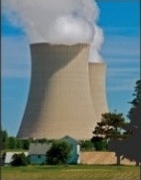
A nuclear power plant in Byron, Illinois. Taken by photographer Joseph Pobereskin (http://pobereskin.com). カレンダー
March 2026 S M T W T F S 1 2 3 4 5 6 7 8 9 10 11 12 13 14 15 16 17 18 19 20 21 22 23 24 25 26 27 28 29 30 31 -
Latest Posts / 最新記事
- Germany won’t return to nuclear power, chancellor says via DW 2026/03/12
- President Trump’s radical attack on radiation safety via Bulletin of the Atomic Scientists 2025/10/27
- ‘It’s Sellafield or nothing’: what life is like growing up in the shadow of Europe’s oldest nuclear site via The Guardian 2025/10/07
- Holtec’s announcement that Palisades has transitioned back to “operations status” via Beyond Nuclear 2025/08/27
- Israel attacks Iran: What we know so far via Aljazeera 2025/06/13
Discussion / 最新の議論
- Leonsz on Combating corrosion in the world’s aging nuclear reactors via c&en
- Mark Ultra on Special Report: Help wanted in Fukushima: Low pay, high risks and gangsters via Reuters
- Grom Montenegro on Duke Energy’s shell game via Beyond Nuclear International
- Jim Rice on Trinity: “The most significant hazard of the entire Manhattan Project” via Bulletin of Atomic Scientists
- Barbarra BBonney on COVID-19 spreading among workers on Fukushima plant, related projects via The Mainichi
Archives / 月別アーカイブ
- March 2026 (1)
- October 2025 (2)
- August 2025 (1)
- June 2025 (2)
- May 2025 (10)
- February 2025 (1)
- November 2024 (3)
- October 2024 (1)
- September 2024 (5)
- July 2024 (4)
- June 2024 (3)
- March 2024 (1)
- February 2024 (6)
- January 2024 (4)
- November 2023 (8)
- October 2023 (1)
- September 2023 (7)
- August 2023 (5)
- July 2023 (10)
- June 2023 (12)
- May 2023 (15)
- April 2023 (17)
- March 2023 (20)
- February 2023 (19)
- January 2023 (31)
- December 2022 (11)
- November 2022 (12)
- October 2022 (7)
- September 2022 (6)
- August 2022 (22)
- July 2022 (29)
- June 2022 (15)
- May 2022 (46)
- April 2022 (36)
- March 2022 (47)
- February 2022 (24)
- January 2022 (57)
- December 2021 (27)
- November 2021 (32)
- October 2021 (48)
- September 2021 (56)
- August 2021 (53)
- July 2021 (60)
- June 2021 (55)
- May 2021 (48)
- April 2021 (64)
- March 2021 (93)
- February 2021 (69)
- January 2021 (91)
- December 2020 (104)
- November 2020 (126)
- October 2020 (122)
- September 2020 (66)
- August 2020 (63)
- July 2020 (56)
- June 2020 (70)
- May 2020 (54)
- April 2020 (85)
- March 2020 (88)
- February 2020 (97)
- January 2020 (130)
- December 2019 (75)
- November 2019 (106)
- October 2019 (138)
- September 2019 (102)
- August 2019 (99)
- July 2019 (76)
- June 2019 (52)
- May 2019 (92)
- April 2019 (121)
- March 2019 (174)
- February 2019 (146)
- January 2019 (149)
- December 2018 (38)
- November 2018 (51)
- October 2018 (89)
- September 2018 (118)
- August 2018 (194)
- July 2018 (22)
- June 2018 (96)
- May 2018 (240)
- April 2018 (185)
- March 2018 (106)
- February 2018 (165)
- January 2018 (241)
- December 2017 (113)
- November 2017 (198)
- October 2017 (198)
- September 2017 (226)
- August 2017 (219)
- July 2017 (258)
- June 2017 (240)
- May 2017 (195)
- April 2017 (176)
- March 2017 (115)
- February 2017 (195)
- January 2017 (180)
- December 2016 (116)
- November 2016 (115)
- October 2016 (177)
- September 2016 (178)
- August 2016 (158)
- July 2016 (201)
- June 2016 (73)
- May 2016 (195)
- April 2016 (183)
- March 2016 (201)
- February 2016 (154)
- January 2016 (161)
- December 2015 (141)
- November 2015 (153)
- October 2015 (212)
- September 2015 (163)
- August 2015 (189)
- July 2015 (178)
- June 2015 (150)
- May 2015 (175)
- April 2015 (155)
- March 2015 (153)
- February 2015 (132)
- January 2015 (158)
- December 2014 (109)
- November 2014 (192)
- October 2014 (206)
- September 2014 (206)
- August 2014 (208)
- July 2014 (178)
- June 2014 (155)
- May 2014 (209)
- April 2014 (242)
- March 2014 (190)
- February 2014 (170)
- January 2014 (227)
- December 2013 (137)
- November 2013 (164)
- October 2013 (200)
- September 2013 (255)
- August 2013 (198)
- July 2013 (208)
- June 2013 (231)
- May 2013 (174)
- April 2013 (156)
- March 2013 (199)
- February 2013 (191)
- January 2013 (173)
- December 2012 (92)
- November 2012 (198)
- October 2012 (229)
- September 2012 (207)
- August 2012 (255)
- July 2012 (347)
- June 2012 (230)
- May 2012 (168)
- April 2012 (116)
- March 2012 (150)
- February 2012 (198)
- January 2012 (292)
- December 2011 (251)
- November 2011 (252)
- October 2011 (364)
- September 2011 (288)
- August 2011 (513)
- July 2011 (592)
- June 2011 (253)
- May 2011 (251)
- April 2011 (571)
- March 2011 (494)
- February 2011 (1)
- December 2010 (1)
Top Topics / TOPトピック
- anti-nuclear
- Atomic Age
- Capitalism
- East Japan Earthquake + Fukushima
- energy policy
- EU
- France
- Hanford
- health
- Hiroshima/Nagasaki
- Inequality
- labor
- Nuclear power
- nuclear waste
- Nuclear Weapons
- Radiation exposure
- Russia/Ukraine/Chernobyl
- Safety
- TEPCO
- U.S.
- UK
- エネルギー政策
- メディア
- ロシア/ウクライナ/チェルノブイリ
- 健康
- 公正・共生
- 兵器
- 再稼働
- 労働における公正・平等
- 原子力規制委員会
- 原発推進
- 反原発運動
- 大飯原発
- 安全
- 広島・長崎
- 廃炉
- 東京電力
- 東日本大震災・福島原発
- 汚染水
- 米国
- 脱原発
- 被ばく
- 資本主義
- 除染
- 食の安全
Choose Language / 言語