大成建設は放射性廃棄物の分別や減容化処理など中間貯蔵にかかわる作業現場で、休憩時に作業員を放射線被ばくから守る仮設壁「簡易型放射線遮蔽体」を開発した。
[…]
放射線に対する作業員の安全確保策として、水が持つ放射線遮蔽効果に注目し、建設作業員が仮設足場などで使い慣れている単管パイプと水袋を組み合わせる“水の壁”を考案した。設置、解体が容易で、水を抜けば現場の状況に応じたユニット移設も難なく行える。
もっと読む。
大成建設は放射性廃棄物の分別や減容化処理など中間貯蔵にかかわる作業現場で、休憩時に作業員を放射線被ばくから守る仮設壁「簡易型放射線遮蔽体」を開発した。
[…]
放射線に対する作業員の安全確保策として、水が持つ放射線遮蔽効果に注目し、建設作業員が仮設足場などで使い慣れている単管パイプと水袋を組み合わせる“水の壁”を考案した。設置、解体が容易で、水を抜けば現場の状況に応じたユニット移設も難なく行える。
もっと読む。
【ニューヨーク共同】政府が、核爆発を伴う核実験禁止を目指す包括的核実験禁止条約機構の「賢人会議」を、来年後半に被爆地・広島で初めて開催する方向で調整していることが24日分かった。岸田文雄外相が26日(日本時間27日)、国連の関連会合で演説し、開催への意欲を表明する。政府関係者が明らかにした。原爆投下から70年を迎える来年に向け、核軍縮の取り組みを国際社会にアピールする狙いがある。
もっと読む。
安倍晋三首相は22日、原子力発電所の再稼働について、安全が再び100パーセント確保されない限り、行わない方針を示した。
国連総会の合間に行われたワールド・リーダーズ・フォーラムで述べた。
(略)
原発に関しては、安全が確立された場合に限り、再稼働するとの考えを示した。
電力小売りの全面自由化を2年後に控え、政府が原発支援策に乗り出した。なぜ原発を特別扱いするのか。明確な説明もないまま、自由化に逆行する動きは到底容認できない。
経済産業省は先月下旬、原発で発電した電気の価格保証制度を総合資源エネルギー調査会の原子力小委員会に提案した。自由化で電力の市場価格が保証価格より下がれば、消費者が払う電気料金で穴埋めするのが制度の趣旨だ。
電力各社は全面自由化が進むと原発維持が難しいと訴えていた。価格保証は業界の要望に応えたものだが、「原発は安価」としてきた従来の政府説明を自ら否定するに等しい。
保証する価格には廃炉や使用済み核燃料の処分費用も含まれる。この新制度があれば、完全自由化後も原発の新増設や建て替えがしやすくなる。
(略)
脱原発を支持する国民は多い。新たな原発コストを押しつける前に国民的合意を得るのが筋だ。
政府は核燃料サイクル事業でも国の関与を強める考えだ。今月中旬、原子力小委で本格的議論を始めた日本原燃(青森県六ケ所村)の認可法人化である。
日本原燃は電力各社が出資し、使用済み核燃料の再利用事業を担う。だが、原発事故で各社の経営は悪化し、再処理工場の安全対策強化で追加投資を求められる可能性も出てきた。
株式会社から認可法人へ衣替えし、電力自由化で一層重荷になりそうな日本原燃の延命を図ろうというのだろう。
ESSAI – Universitaire et professeur de français à l’université de Tokyo, Akira Mizubayashi dénonce dans son “Petit éloge de l’errance” (Folio/Gallimard) l’irresponsabilité du gouvernement japonais face à la catastrophe de Fukushima, entre souvenirs personnels et évocations artistiques.
Akira Mizubayashi écrit directement en français. Photo : HELIE GALLIMARD“Mon épouse m’a dit : tu es allé un peu trop loin, tu ne t’inquiètes pas ?” Non, Akira Mizubayashi n’est pas inquiet. Cet élégant professeur, qui parle français sans le moindre accent, a ressenti l’urgence de dire ce qui cloche au japon. Osé, dans un pays où les gens n’expriment jamais frontalement leurs désaccords. Or Akira Mizubayashi a pour arme la langue française, qu’il enseigne et dans laquelle il écrit merveilleusement. Son dernier livre, Petit éloge de l’errance, offre sans intermédiaire le regard rare, à la fois révolté et sensible, d’un Japonais sur l’après-Fukushima.
Des manifestations inédites au Japon
“J’ai voulu comprendre pourquoi ce pays ne change pas, pourquoi il n’y a pas de prise de conscience citoyenne au Japon, explique Akira Mizubayashi. Pourtant, un début de contestation a bien eu lieu : « Tous les vendredis soirs, il y a un rassemblement devant la résidence du Premier ministre. Il y a deux ans, on a dénombré 200 000 personnes, du jamais-vu. Les manifestations sont très mal vues au Japon depuis les mouvements de protestation étudiantes qui étaient devenues très violentes. Depuis, y participer, c’est être un peu extrémiste. Déjà, s’intéresser à la politique est extrémiste !”
Le gouvernement japonais veut reléguer Fukushima dans l’oubliAprès Fukushima, Akira Mizubayashi a passé une année sabbatique en France et suivi l’actualité en position d’observateur. De retour au Japon, ce qu’il a vu l’a accablé. “La volonté du pouvoir, c’est de minimiser les conséquences, et Fukushima s’efface peu à peu de la mémoire. Comment est-ce possible aujourd’hui, malgré Hiroshima et Nagasaki ? Il n’y a même pas de débat national pour décider si le Japon peut sortir du nucléaire, le gouvernement veut relancer toutes les centrales et en revendre à l’étranger, alors qu’il y a toujours 150 000 personnes qui ont tout perdu.”
Continue reading at Akira Mizubayashi : “Le gouvernement japonais minimise Fukushima le plus possible”
金色堂で知られる中尊寺、浄土庭園が見事な毛越寺があり、東北の代表的観光地の岩手県平泉町。年間200万人以上訪れるが、東京電力福島第1原発事故による放射能汚染は、北へ180キロ離れたこの地にも影を落としている。
平安時代に栄華を誇った奥州藤原氏によるこれら寺院や遺構は、東日本大震災3カ月後の2011年6月、「平泉」として世界文化遺産に登録された。これを契機に、一層の観光振興に取り組んでいた同12月、平泉町は空間放射線量が毎時0.23マイクロシーベルト以上の「汚染状況重点調査地域」に指定され、水を差される形となった。
世界遺産に含まれる国指定特別史跡「観自在王院跡」で12年6月に計測された線量は毎時0.30マイクロシーベルト。対策を急がなければ客足に影響する。除染のため、町が文化庁に「表土ごと芝生をはぎ取りたい」と相談すると、「文化財を傷つけるなんてとんでもない」と回答された。結局、除染に手を着けられなかったが、史跡内の線量は雨などで自然に低下し、13年10月には毎時0.16マイクロシーベルトになった。
[…]
「平泉には長年の付き合いがあって心苦しいが、線量に不安を抱く保護者も多く、配慮せざるを得ない」。修学旅行をとりやめた札幌市立中学校の教頭は明かす。町は地元観光協会や県と連携し、札幌市の中学、高校や旅行会社を回り「安全」をアピールするが風評被害を払拭(ふっしょく)できていない。
中尊寺参道前の土産物店「平泉観光レストセンター」の小野寺仁専務は「長く平泉をひいきにしてもらうため、中高生が訪れて、良さを知ってもらうのが重要なのだが」と嘆く。【春増翔太】
もっと読む。
登米市南方町の佐々木徳久(のりひさ)さん(52)は、25ヘクタールの水田と110頭の和牛肥育を手がける耕畜連結の有機循環農業者。東京電力福島第1原発事故による放射性セシウムに汚染された稲わらと牛ふん堆肥(たいひ)を抱え、指定廃棄物最終処分場問題の行方を注視しながら営農に励む。
佐々木さんは原発事故後の2011年3〜4月、汚染を知らずに田んぼから回収した稲わらを飼料として牛に与えた。その後の測定で稲わらは1キロ当たり8000ベクレル超、堆肥は暫定許容値の同400ベクレル超の汚染と判明した。
堆肥は農水省の通知で「使用可能レベル」とされたが、佐々木さんは「自分の手で汚染を耕作地に広げるわけにはいかない」と、まかずに牛舎裏手にある堆肥舎で保管を続ける。その量は約500立方メートルで、堆肥舎の大半を占有。さらに、適当な牧草地の一角に別に臨時堆肥場を設けた。時間と手間が余計にかかるが、年間で300トン必要な堆肥づくりを欠かすわけにはいかない。
汚染稲わらは指定廃棄物に認定され、近隣農家分と合わせ計180トンを、県と市で設置した一時保管庫に収めた。これも牛舎から遠くない。
[…]
佐々木さんが有機農業に取り組んだのは1996年。知人農家の子どもがアトピーやぜんそくに苦しむ姿に農薬の影響があるとみて、有機に転換した。まもなく開始される見込みの栗原、加美、大和3市町の最終処分場候補地に対する現地詳細調査について、佐々木さんは「汚染度の薄い地域同士が、処分場の一番の適地はどこかという選別にさらされている」と感じ、こう訴える。
「住民の帰還が不可能と明らかになってきた福島第1原発の敷地で集中保管を、と言ってはいけないのだろうか」【小原博人】
もっと読む。
September 23, 1979
200,000 attended an anti-nuclear rally in New York City’s Battery Park. It was the largest political protest of the late ’70s in the U.S., six months after the partial meltdown of the nuclear reactor at Three Mile Island, Pennsylvania. Two days earlier the ‘No Nukes’ concert, also known as the “Muse (Musicians United for Safe Energy) concert,” was held in Madison Square Garden, featuring Bruce Springsteen, Crosby Stills & Nash, Jackson Browne and others.
いよいよ、原発の再稼働が現実となる見込みだ。今月22日、国際原子力機関(IAEA)の年次総会に出席した山口俊一科学技術担当大臣が、演説で、 鹿児島県の九州電力川内原発について「政府として再稼働を進める」と表明した。だが、眼前に迫る再稼働問題にだけ目を奪われているわけにもいかない。実は 3.11以降、日本の“原発プロジェクト”はとっくに再開していたのだ。その主題は政府がさかんに訴える「電力供給問題」ではない。真の目的は“原子力の 輸出”にある。
安倍政権はアベノミクスの戦略のひとつに原発輸出を据え、自ら先陣を切ってトップセールスを行っている。たとえば、2013年に結ばれた原子力発 電プロジェクトの契約の際、安倍首相はわざわざトルコ入りし、同国首相との間で原子力協力に関する共同宣言に署名した。地球史上最悪の原発事故を起こし、 いまだに収束することなく放射能や汚染水を垂れ流している日本の原発を、ここまで前のめりになって他国に売り込んでいるのはなぜなのか。
『日本はなぜ原発を輸出するのか』(鈴木真奈美/平凡社)には、その恐るべき背景が描かれている。
そもそも原子力プラント輸出は1980年代から国の方針として掲げられてきた。特に小泉政権が2005年に「原子力政策大綱」を閣議決定して以 降、それは加速していったという。その前提が2030年以降も原子力の割合を30〜40%以上を維持することにあった。これを実現するには、国内での新規 原発建設が低迷する2010年からの約20年間で、技術と人材が流失するのを防ぐ必要がある。ゆえに需要の少ない国内ではなく、輸出事業の展開が必要不可 欠だったのだ。そして、きたる2030年から始まるであろう国内原発の立て替えに備える──。
(略)
国・電力会社・メーカーが原発を推進するのは、決して電力維持といったエネルギー問題が本質ではない。現在、全ての日本の原発が止まっているにも関 わらず、必要な電力を供給できていることからもそれは明らかだ。原発推進は原発産業の生き残り、そして発展こそが重要であり、そのためのひとつの方法が原 発輸出なのである。
「日本政府が原子力輸出へと大きく舵を切ったのは、内需だけでは自国の原子力産業を維持するのが難しくなったことによる」
それは皮肉なことに原発事故で加速度を増した。
(略)
現在の安倍政権の言う「原発再稼働、輸出推進」は決してエネルギー問題だけでも、原発産業利権だけでもない。いつでも核を製造する能力を保持するた め、原子力発電所を、そして原発産業を維持発展させていく──その方針の背後には「核兵器製造技術の維持」という恐るべき野望さえ見え隠れしているのだ。
最後に本書からこんな一文を紹介したい。
「日本のような『非核兵器国』が核兵器製造に直結する核燃料サイクル技術を、世界から掣肘を受けないように保持するには、国内の一定規模以上の原子 力発電を商業規模で維持する必要がある。なぜなら、少数の原発のために核燃料サイクル施設を保有するのは明らかに不合理とみなされるからだ」
日本の核武装はもはや空想ではない。現実として“そのシナリオ”の上をこの国は走っているのだ。
(伊勢崎馨)
Eating food contaminated with radioactive particles may be more perilous than thought—at least for insects. Butterfly larvae fed even slightly tainted leaves collected near the Fukushima Daiichi Nuclear Power Station were more likely to suffer physical abnormalities and low survival rates than those fed uncontaminated foliage, a new study finds. The research suggests that the environment in the Fukushima region, particularly in areas off-limits to humans because of safety concerns, will remain dangerous for wildlife for some time.
The 2011 Fukushima Daiichi Nuclear Power Station disaster released massive amounts of radiation, much of which drifted out to sea. Humans were evacuated to safety and their exposure to radiation was minimal. But local wildlife were exposed both externally to radiation in the environment and internally from contaminated food sources. Joji Otaki, a biologist at University of the Ryukyus in Nishihara, Japan, and his colleagues have been conducting field studies and lab experiments on how such radiation affected the pale grass blue butterfly (Zizeeria maha), a species found throughout most of Japan.
In a previous experiment, Otaki’s group fed butterfly larvae leaves of the creeping woodsorrel (Oxalis corniculata) with radiation in the thousands of becquerels per kilogram (Bq/kg) gathered near the power plant within a few months after the accident. (For comparison, the Japanese government set a limit of 100 Bq/kg for human consumption of rice, meat, and fish, and 50 Bq/kg for milk and infant formula.) Larvae that dined on the radiation-drenched leaves had low survival rates and high incidences of physical abnormalities such as unusually small forewings. These results corroborated field surveys by others that turned up fewer butterflies in contaminated areas than would normally be expected.
The new study shows that radiation can damage larvae even at much lower concentrations. Otaki and colleagues collected leaves 16 to 20 months after the accident, after short-lived radioactive contamination had decayed, but this time from locations ranging from 59 to 1760 kilometers from the power plant; contamination levels ranged from 161 to 0.2 Bq/kg. They found that as contamination increased, mortality rates and incidences of abnormalities increased. “These results suggest that low-dose ingestion of approximately 100 Bq/kg may be seriously toxic to certain organisms,” the team writes in a paper published today in BMC Evolutionary Biology.
[…]
The findings from Otaki’s group are “groundbreaking,” says Timothy Mousseau, a biologist at the University of South Carolina, Columbia, who also studies the effects of radiation on wildlife near Fukushima and Chernobyl. He notes that there have been “almost no studies” on how ingestion of radiation-tainted foods affect wildlife. Still, Mousseau cautions that the results should not be directly extrapolated to humans. “I think butterflies as a group are likely to be much more sensitive than humans to radiocontaminants,” he says. He adds that Otaki’s findings suggest that insects that survive after eating contaminated leaves might evolve tolerance to the low levels of radiation likely to persist in the Fukushima region for decades.
Read more at Fukushima radiation still poisoning insects
Related article:



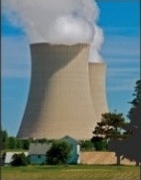
A nuclear power plant in Byron, Illinois. Taken by photographer Joseph Pobereskin (http://pobereskin.com).