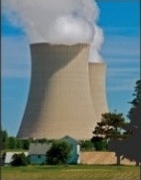
川内原発に地元同意 スピード再稼働に安倍官邸「困惑」のワケ via 日刊ゲンダイ

(抜粋)

九州電力の川内原発(鹿児島県)について、薩摩川内市の岩切市長が28日、再稼働に同意する意向を表明した。これを受け、鹿児島県は再稼働をめぐる陳情を採決する臨時議会を来月5日招集することを決め、同7日に採決される見通しとなった。
九州電力も29日、瓜生社長が周辺8市町の首長と会って、安全確保の取り組みを説明すると発表した。

周辺の活火山群に対する懸念をよそに、再稼働への手続きは“順調”に進んでいる。さぞや安倍政権は喜んでいると思ったら、実は困惑しているらしい。あまり早く進みすぎると困るというのが本音だというのだ。一体どういうことか。

「地元の九電や経済界は燃料費がかさむ冬を前に原発を再稼働させたいと急いでいます。ところが、官邸のホンネは、再稼働を来年4月の統一地方選後にした い。世論調査では依然、原発再稼働に反対する人の方が多い。冬を前に再稼働すれば、この問題が統一選でクローズアップされてしまいますからね」(霞が関関 係者)

(略)

原発再稼働が遅れるのは歓迎だが、暴走する安倍政権は原発まで政局に利用するのか。

全文は川内原発に地元同意 スピード再稼働に安倍官邸「困惑」のワケ

当サイト既出関連記事:

関連記事:

Posted in *日本語 | Tagged , , , | Comments Off on 川内原発に地元同意 スピード再稼働に安倍官邸「困惑」のワケ via 日刊ゲンダイ

Bowling for Meltdowns via Counterpunch

Throwing Gas on a Radioactive Fire

by JOHN LaFORGE
Weakening radiation standards; a cap on accident liability; reactor propaganda vs improvements; old units running past expiration dates; revving the engines beyond design specs …. You’d think we were itching for a meltdown.

The Environmental Protection Agency has recommended increased radiation exposure limits following major releases. It would save the industry a bundle to permit large human exposures then, rather than shut down rickety reactors now.

The EPA proposal is a knock-off prompted by Fukushima, because after the triple meltdown started three years ago, Japan increased — by 20 times — the allowable radiation exposures deemed tolerable for humans. Prior to the meltdowns of March 2011, Japan allowed only 1 milliSievert of radiation per year in an individual’s personal space. Now, the limit is 20 milliSieverts per year. This is not safe, it’s just allowable, or, rather, affordable, since the cost of decontaminating 1,000 square miles of Japan to the stricter standard could bust the bank.

The Price Anderson Act provides US reactor owners with a liability cap and a tax-payer bailout in the event of serious accidents or attacks. The law relieves utilities of hundreds of billions in financial risk posed by our ongoing meltdown roulette game. The owners won’t be bankrupted by the next loss-of-coolant disaster, but the US might.

Fukushima has spewed more long-lived radioactive chemicals to the air, the soil and the ocean than any catastrophe in history. But the chant heard round the world is: “The dose is low, there’s no immediate danger.” Promoters of nuclear power repeat this mantra at every opportunity, hoping to dodge Germany’s answer to Fukushima — a permanent reactor phase-out — and it has nearly drowned out all warnings of radiation’s health and environmental effects.

Have you heard of PSR’s March 2011 “Health risks of the releases of radioactivity from the Fukushima reactors: Are they a concern for residents of the US?”; or IPPNW’s June 2014 “Critical Analysis of the UNSCEAR Report”; or the Nov. 2012 “Report of the UN Special Rapporteur on the right to health within the context of the nuclear accident at Fukushima”; or Greenpeace’s two major reports, “Lessons from Fukushima,” and “Fukushima Fallout”? No, the feds would rather you read the UN Scientific Committee’s exec. summary which claims Fukushima’s effects are “unlikely to be observable.” This conclusion was made before any research was done.

The chances of radiation disasters will increase further if the Nuclear Regulatory Commission allows US reactors to run for 80 years. This is what Duke Power, Dominion Power and Exelon suggest for seven of their 40-year-old rattle traps now operating in Pennsylvania, Virginia and South Carolina.

These seven reactors were designed and licensed to be shut down in the current decade. However, since 1991 the nuclear industry has been granted 70 “license extensions” that have generally added 20 years. Now the owners want to push their units an extra 40 years.

Former NRC Commissioner George Apostolakis wasn’t apoplectic when the commission considered the idea, but, according to the New York Times, he said, “I don’t know how we would explain to the public that these designs, 90-year-old designs, 100-year-old designs, are still safe to operate.” The NRC has yet to rule on the 80-year option, but it’s never denied a single license extension request.


Read more.

Posted in *English | Tagged , , , | Comments Off on Bowling for Meltdowns via Counterpunch

Nuclear Industry Lobbies to Preserve Tax Credit; Opposes Similar Wind Incentive via Bloomberg BNA

The nuclear industry is lobbying to preserve and modify a tax credit that could be worth billions of dollars when new nuclear reactors under construction are placed in service amidst efforts by Republicans to end energy subsidies and an upcoming tax reform process that could place the tax incentive at risk.

The industry’s effort to keep the nuclear production tax credit is leading to criticism as companies such as Exelon Corp. ask Congress not to reinstate a similar tax credit received by the wind energy industry.

The 1.8 cent per kilowatt hour nuclear credit, created by energy legislation enacted in 2005, can be received by companies that started construction on nuclear reactors by January 2014 and are placed in commercial operation by 2021, according to the Internal Revenue Service.

Only two companies—Southern Co. and Scana Corp.—have reactors under construction that could qualify for the credit, which is yet-to-be-used, according to analysts.

Chicago-based Exelon, the largest operator of nuclear reactors in the U.S., is among the leaders of a fight to allow the wind industry’s lucrative 2.3 cent per kilowatt hour tax credit to remain expired and has argued the credit “distorts” competitive wholesale energy markets.

Tyson Slocum, director of the energy program at activist group Public Citizen, called the effort “hypocritical.”

“Subsidies for those guys are terrible and un-American, and subsidies for us are essential for fighting climate change and keeping the lights on,” Slocum said in an interview. “It all comes down to lobbying on self-interest that doesn’t involve consistency. It’s just whatever is in the interest of your particular corporate self interest.”

Read more.

Posted in *English | Tagged , , , | Comments Off on Nuclear Industry Lobbies to Preserve Tax Credit; Opposes Similar Wind Incentive via Bloomberg BNA

【会津エネルギー地産地消への挑戦】~地域金融と市民が支える再エネ発電所竣工~via Blogos

“エネルギ―の地産池消”という見出しが新聞などで目につく。

「言うは易く行うは難し」の典型だろう。27日付の日本経済新聞は朝刊1面で、「いくつかの自治体が、エネルギー企業設立の検討に入った」と報じた。(注1)しかし、既に稼働している企業がある。その企業のことは一切この記事では触れられていなかったが。

その企業の名前は、会津電力(注2)という。2013年8月に福島県喜多方市で産声を上げた。設立趣旨を、HPから引用する:

“ 原発の暴走を許してしまったこの責任を次世代負担としないようにする為に、 福島県内の電力エネルギー需要を再生可能なエネルギーのみでまかなうことを可能にする体制を作り上げることを理念とし、 私達自身が原発の危険性を見過ごして来た責任をもって会津電力株式会社を設立する”

その会津電力は29日、喜多方市雄国(おぐに)太陽光発電所の竣工式を行った。総発電量1メガワット、300世帯分の電力を供給する。既に28日には東北電力と系統連携接続を完了、売電が始まった。“森に沈む発電所”の異名を持つこの発電所は近くでは威容を誇るが、山の中腹に建設されているため、平地から見上げるとその姿はほとんど見えない。

雪国で太陽光?と訝る向きもあろうが、地上から2.5メートルの高さにパネルを設置、表面に特殊コーティングを施し、更に角度を30度としたことで、雪が積もりにくく、十分な発電効率を確保することに成功した。

特筆すべきは、この会津のエネルギー地産地消の動きは“二つの地域”が支えているということだ。一つは地域金融。一つは地域住民だ。会津電力には地元の東邦銀行が2億5千万融資している。実は被災地の金融機関は震災後預金量が大幅に増えた。国からの復興交付金や、賠償金を得た個人預金などが積みあがった結果だが、その余剰資金が効率よく地元企業に融資されていないことが問題となってきた。しかし、会津電力のケースは、地元の金融機関がその将来性を買い、融資に踏み切ったという点で画期的であり、意義深い。

もっと読む。

Posted in *日本語 | Tagged , , , , | Comments Off on 【会津エネルギー地産地消への挑戦】~地域金融と市民が支える再エネ発電所竣工~via Blogos

Environmental groups sue Washington over nuclear plant’s effect on Columbia River via The Oregonian

SPOKANE — Three environmental groups are suing a state agency over the impacts of the Northwest’s only commercial nuclear power plant on the water quality of the Columbia River.

Northwest Environmental Defense Center, Northwest Environmental Advocates, and Columbia Riverkeeper will file the lawsuit Thursday in Thurston County Superior Court against the Washington Energy Facility Site Evaluation Council.

The council in 2006 issued the water pollution permit for Energy Northwest‘s Columbia Generating Station, which is located on the Hanford Nuclear Reservation. The station uses 20 million gallons of water from the river every day to cool the nuclear reactor.

[…]

“Experts from the National Marine Fisheries Service sounded the alarm about how this facility may be killing and harming endangered salmon,” said Mala Nelson, attorney for the Northwest Environmental Defense Center. “EFSEC’s blatant disregard for this input demands judicial oversight.”

[…]

“This nuclear reactor is one of many sources of toxic chemicals that are contaminating the fish and wildlife of the Columbia River, including heavy metals from Hanford operations,” said Nina Bell, executive director of Northwest Environmental Advocates.

“State and federal agencies give a lot of lip service to protecting Columbia River water quality and species but when it comes to actually restricting the polluters, these same agencies are nowhere to be found,” Bell said.

The portion of the Columbia River that flows past the reactor contains some of the most productive salmon spawning areas in the Northwest, including the largest remaining stock of wild fall Chinook salmon in the Columbia River, the environmental groups said.

“People regularly eat salmon and other fish caught just offshore and downstream of Energy Northwest’s facility,” said Dan Serres of Columbia Riverkeeper.

Read more at Environmental groups sue Washington over nuclear plant’s effect on Columbia River

Posted in *English | Tagged , , , , , , , , , , | 2 Comments

Tepco cracks open weather shield covering reactor building at Fukushima No. 1 via The Japan Times

Tepco on Friday cracked open the cover over the reactor 1 building at the Fukushima No. 1 nuclear plant.

The covering was installed in a bid to contain radioactive dust after a hydrogen explosion shattered the building’s exterior structure in March 2011.

Dismantling it is a first step toward removing spent fuel rods stored in a cooling pool above the reactor. That, in turn, must be completed before the reactor core can be opened to remove the melted-down fuel, according to Tokyo Electric Power Co.

On Friday morning, plant workers used a crane to remove a huge panel to see whether anti-dispersal agents are taking effect. They were inserted last week to reduce the risk of radioactive dust blowing out.

No changes in radiation levels have been observed around the plant so far, the company said.

Continue reading at Tepco cracks open weather shield covering reactor building at Fukushima No. 1

Posted in *English | Tagged , , , , | 7 Comments

3年ぶりに見えた爆発の跡 福島第一1号機のカバー外す via 朝日新聞

東京電力は31日、福島第一原発1号機の原子炉建屋を覆うカバーの屋根パネルの一部を取り外した。

(略)

がれき撤去や燃料取り出しに向けた作業の一環。東電は10月22日にパネルに穴を開け、放射性物質を含む粉じんが舞わないよう飛散防止剤をまいてきた。取り外しは、その効果の確認が目的だ。今回は1枚を外し、1週間後をめどにもう1枚外す。今月中には再び屋根を閉じ、本格的なカバー解体作業は来春に始める。

全文は3年ぶりに見えた爆発の跡 福島第一1号機のカバー外す

Posted in *日本語 | Tagged , , , , | Comments Off on 3年ぶりに見えた爆発の跡 福島第一1号機のカバー外す via 朝日新聞

Learning the tragic lesson of Fukushima: No nuclear restart at Sendai via GreenPeace

[…]

Decontamination efforts at Fukushima, which began in 2012, have proved massively expensive and hugely intensive. Thousands of workers have invested tens of thousands of hours removing soil and cleaning houses, unfortunately with very limited success.

One result of the decontamination effort is clearly visible. Immense quantities of radioactive waste have been generated, and it keeps on multiplying. Along the roads, piles of large black bags. each holding around a cubic metre of radioactive waste, await transport to larger temporary storage sites.

We visited one of these sites in Kawauchi. In the breathtakingly beautiful setting of forests and mountains our first sight was of an immense area filled with bag upon bag of radioactive waste. At just this one site no less than 200,000 of these cubic-metre bags lie covered by green tarpaulins.

Around Fukushima there are thousands of similar nuclear waste storage sites.

The supposed ‘decontamination’ has succeeded only in relocating the radioactive contamination. It’s a huge problem without any real, safe solution.

Even these large-scale efforts are proving inadequate in lowering radiation exposure levels to government targets. As evacuation orders are lifted, people are moving back into areas that are still dangerously contaminated. Many residents are effectively being forced to return home, because within a year of the order to return they risk losing their already meagre compensation. Those living in contaminated areas face a terrible dilemma.

[…]

In Kawauchi, another area where the evacuation order was lifted only a few weeks ago, 59% of our radiation measurements were over the target level and, again, we measured higher levels away from the roads.

Many of those who can afford to are staying away. Like Mrs. Watanabe who will never return to her beautiful home and mountain orchard that have been heavily contaminated by the Fukushima disaster. They are lost to her forever. She would rather live in relative safety in a tiny flat, and bear the heavy cost of building a new house elsewhere, than put her health at risk by returning to her mountain home and the land that she once so cherished.

[…]

We also returned to the village of Iitate. We’d taken measurements back in 2011, ten days after the start of the disaster, when citizens had not yet been evacuated. It was still heavily contaminated, having suffered the full extent of the explosions at Fukushima with no shelter from any surrounding mountains that could have blocked some of the radioactive fallout.

The first thing that struck me on returning to Iitate was the heavy traffic – only this time the cars were mostly full of decontamination workers, and the trucks were filled with radioactive waste. Hundreds of workers were labouring intensively in a vain attempt at decontamination. At a rough guess, I would say that over 1,000 workers are engaged in trying to decontaminate this one place.

It appears to be a political operation, one designed to give the impression that even after a nuclear disaster the problem is “manageable”. Radiation levels in Iitate show no prospect of falling to what is deemed acceptable. At no less than 96% of the locations we monitored radiation levels that exceeded the government’s target level.

This is the overwhelming and unsolvable nature of a nuclear crisis. When a major nuclear disaster occurs, the damage is long-lived, pervasive, and impossible to rectify. It generates enormous amounts of waste for which there is no safe storage. It literally destroys entire communities and people’s way of life.

Fukushima’s citizens are having to live with the gross injustice of having lost everything to a nuclear disaster for which they were in no way responsible. Now they are being stripped of the meagre and inadequate support they received as they are effectively forced back into radioactively contaminated areas.

Read more at Learning the tragic lesson of Fukushima: No nuclear restart at Sendai

Posted in *English | Tagged , , , , , , | 29 Comments

米地裁:東電の主張認めず 震災支援の兵士訴訟継続 via 毎日新聞

東日本大震災の被災地支援で三陸沖に派遣された米原子力空母の乗組員らが、東京電力福島第1原発事故で被ばくしたとして東電に損害賠償を求めた訴訟 で、カリフォルニア州サンディエゴの連邦地裁は30日までに、訴えを退けるよう求めた東電の主張を認めず、訴訟を継続する判断を示した。

同地裁は、原発を製造した東芝、日立製作所、米ゼネラル・エレクトリック(GE)などを被告に加えるよう求めた乗組員らの主張も認めた。

続きは 米地裁:東電の主張認めず 震災支援の兵士訴訟継続

当サイト既出関連記事:

Posted in *日本語 | Tagged , , , , , | Comments Off on 米地裁:東電の主張認めず 震災支援の兵士訴訟継続 via 毎日新聞

「脱原発は十分可能」石巻で小泉劇場 via 河北新報

原発ゼロを訴える小泉純一郎元首相が30日、石巻市桃生公民館で講演した。

(略)

小泉氏は「原発が安全でコストが低く、クリーンだというのは全部うそ」と指摘。福島第1原発など世界的な事故の発生状況、原発への融資に政府保証が求められている実態などを説明した。

放射性廃棄物の最終処分場が決まっていない現状を踏まえ、「核のごみが増える状態を作るのは無責任」とも述べ、原発再稼働を急ぐ政府を批判した。

会は石巻の市民団体「いのちと郷土を守る市民の会」が主催した。東北で小泉氏が脱原発関連の講演を行うのは初めて。被災地支援でつながりがあった城南信用金庫(東京都)の仲介で実現した。小泉氏は同信金のシンクタンクで名誉所長を務めている。

全文は「脱原発は十分可能」石巻で小泉劇場

Posted in *日本語 | Tagged , , , , , | Comments Off on 「脱原発は十分可能」石巻で小泉劇場 via 河北新報