A failure of governmental candor: The fire at the contaminated Santa Susana Field Laboratory via The Bulletin of Atomic Scientists

By Daniel Hirsch, February 21, 2019

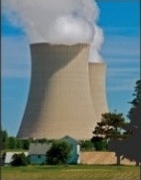
The Woolsey Fire began on November 8 at the Santa Susana Field Laboratory (SSFL), located adjacent to Simi Valley, California, and enveloped much of the lab’s grounds, eventually burning all the way to Malibu and the Pacific Ocean, impacting nearly 100,000 acres. Because of widespread radioactive and toxic chemical contamination at the Santa Susana site from several nuclear reactor accidents, including a partial meltdown, and tens of thousands of rocket engine tests, the public had reason to be concerned that smoke from the fire carried contamination offsite.

In the wake of the fire, the California Department of Toxic Substances Control (DTSC) and the US Energy Department—both of which have been involved in long delays to the promised cleanup of the Santa Susana site—issued assurances that no radioactive or toxic chemical contamination had been released. At that time, however, the agencies refused to release any actual data or scientific explanation of how hundreds of acres of contaminated vegetation, growing in contaminated soil, could burn without releasing contaminants.[…]

Over the years, 10 reactors operated at Santa Susana, as well as plutonium and uranium fuel fabrication facilities and a “hot lab” where highly irradiated fuel from around the US nuclear complex was shipped for decladding and examination. Tens of thousands of rocket engine tests were also conducted at the site.

During the lab’s life, numerous reactor accidents occurred, the most famous of which was the 1959 partial meltdown of the Sodium Reactor Experiment. After a power excursion—that is, an undesired and rapid increase in power level—in the reactor core, operators were barely able to shut it down. Although they could not identify the cause of the problem, the reactor was inexplicably started up again and ran for 10 more days, in the face of rising radiation levels and clear indications of fuel damage. When the reactor was finally shut down, a third of the fuel elements were found to have experienced melting.

Like all the reactors at the Santa Susana site, the Sodium Reactor Experiment had no containment structure. During and after the accident, radioactive gases were pumped from the reactor into the atmosphere. Even so, leakage into the reactor room was so severe that the building’s loading doors were opened to vent the contamination outside, according to John Pace, one of the workers at the time. […]

As was the case throughout the nuclear complex and at many Defense Department sites, Santa Susana environmental practices were extremely poor. Radioactive and chemical wastes were routinely burned in open-air pits; often, barrels of waste were ignited by rifle fire, plumes of toxic smoke then traveling far beyond the site.

[…]

A million gallons of trichlorethylene, a carcinogenic solvent, was used to flush rocket engines after tests and allowed then to percolate into the ground and groundwater. A witches’ brew of dozens of other toxic chemicals, including polychlorinated biphenyls (PCBs), dioxins, heavy metals, volatile organic compounds (VOCs) and semi-volatile organic compounds (SVOCs), polycyclic aromatic hydrocarbons, and perchlorate has contaminated soil, groundwater, and surface water. A $40 million, multi-year radiation survey by the Environmental Protection Agency found hundreds of Santa Susana locations contaminated with radionuclides, including strontium 90, cesium 137, and plutonium 239.

Because the Santa Susana lab property is located in the hills overlooking populated areas, decades of stormwater runoff and wind have carried contamination offsite. A study led by UCLA’s Professor Yoram Cohen and funded by the Agency for Toxic Substances and Disease Registry found contaminants had migrated to offsite populated areas at levels in excess of EPA levels of concern. A second study, funded by the same agency and led by University of Michigan epidemiologist Hal Morgenstern, found a greater than 60 percent increase in the incidence of certain cancers in the offsite population living within two miles of the Santa Susana lab, as compared with people living five miles away. An earlier study by the UCLA School of Public Health found significant elevated death rates for key cancers among the workers, associated with their radiation and toxic chemical exposures.

[…]

Measurements from the network of air monitors set up at Santa Susana are almost entirely missing from the report. Minimal air monitor data from the time of the fire are included only on the very last page of the 267-page report (most of which is filler). There are at least 16 air monitors in the network. For some reason, the report gives data for only two of them, and only partial data at that. Where are the missing air-monitoring data from the time of the fire and why haven’t they been reported? The measurements were initially promised to be released within days of the fire, but months later, still have not. (Weeks after the release of the DTSC report, Boeing provided some minimal radiation data from two of its six air monitors. No chemical data were provided, and no data at all for the other four monitors.)

Because of widespread public distrust of state and federal agencies and the other parties responsible for the pollution at the Santa Susana, a community-initiated study is now underway.  Soil and ash samples are being collected from homes to be sent for analysis; results are some months away. It must be recognized that these measurements, taken long after the fire, will have significant limitations as well. […]

Read more.

Posted in *English | Tagged , , , | 3 Comments

甲状腺がん検査「発見率の上昇なし」 福島医大が研究結果報告 via 福島民友

東京電力福島第1原発事故後、県が県内全ての子どもを対象に実施している甲状腺検査を巡り、福島医大は22日、国連の報告書を基に甲状腺吸収線量と甲状腺がんまたはがん疑いの発見率の関連性を調べた結果、線量の上昇に伴う発見率の上昇は確認されなかったとの研究結果を報告した。

 同日、福島市で開かれた甲状腺検査評価部会で示した。ただ、同報告書の線量推計が過大との評価もあるほか、0~5歳の対象者や検査間隔、受診率なども考慮する必要があるとし、部会長の鈴木元氏(国際医療福祉大クリニック院長)は「原発事故との因果関係について結論付ける段階ではない」と指摘。甲状腺検査以外でも見つかっているがんのデータなども含め、詳細な分析を進めるとした。

また福島医大は、先行検査と2巡目検査のデータを基に地域別のがんまたはがん疑いの発見率に関する調査結果も公表した。発見率は多い順に避難区域など13市町村、中通り26市町村、浜通り3市町、会津地方17市町村となる傾向が見られた。

続きは甲状腺がん検査「発見率の上昇なし」 福島医大が研究結果報告

関連記事:甲状腺がん「上昇傾向認められず」 原発事故後3~4年 via 朝日新聞

Posted in *日本語 | Tagged , , | 2 Comments

Eight years after Fukushima nuclear meltdown, workers still facing radiation risk via People’s World

TEPCO officials recently said to Akahata that high-risk zones in the Fukushima Daiichi plant have become smaller and that now workers do not need to wear a full-face mask and a protective suit in 96 percent of the plant premises. This is because the level of radioactive materials in the air has decreased as a larger area of the site is now covered with concrete, according to officials. At the crippled nuclear power plant, the number of workers coping with the aftermath of the 2011 nuclear accident, though, is still more than 4,000 per day.

However, the hidden reality regarding contamination risks seems to differ from the impression the utility wanted to create by citing the figure “96 percent.” In a recently published survey of Fukushima workers conducted by TEPCO, of the respondents who are anxious about their exposure to radiation, nearly half feared that their health would be damaged in the future. In another question in the same survey, more than 40 percent were concerned about working at the nuclear power plant.

[…]

The storage of radiation-contaminated water is another major issue. Around 100-150 tons of polluted water is produced every day at the plant, which means that a 1,000-ton tank is filled up in seven to ten days. Currently, around 1.1 million tons of radioactive water are stored on the plant premises, but under TEPCO’s plan, the maximum planned storage capacity is only 1.37 million tons.

In another survey of residents conducted by municipalities near the Fukushima plant, among the respondents who decided not to go back to their hometowns and who cannot decide whether to do so, many cited worries about the safety of the plant as a reason.
The government of Prime Minister Shinzo Abe, however, is still encouraging Fukushima evacuees to return to their homes, but as the nuclear disaster drags on.

Read more at Eight years after Fukushima nuclear meltdown, workers still facing radiation risk

Posted in *English | Tagged , , | Comments Off on Eight years after Fukushima nuclear meltdown, workers still facing radiation risk via People’s World

福島原発事故から8年 母子避難家族の闘いの記録 via 日刊スポーツ

「言わなければ、なかったことにされてしまう」-。東日本大震災からまもなく8年。東京電力福島第1原発事故によって大阪市内に母子避難している森松明希子(あきこ)さん(45)。

鋭い視点で斬り込むMBSテレビのドキュメンタリーシリーズ「映像’19」。今回は「フクシマの母~母子避難8年・闘いの記録」と題したドキュメンタリーを24日深夜0時50分(関西ローカル)から放送する。幼い子どもへの放射能の影響を考えて「自主避難」した家族を通し、原発事故を問いかける。

森松さんは11年3月11日、勤務医の夫、暁史さん(51)、当時3歳だった長男明暁(めいよう)くん(11)、当時生後5カ月の長女・明愛(めいあ)ちゃん(8)の家族4人で暮らしていた福島県郡山市で東日本大震災に遭遇した。自宅は福島第1原発から約60キロの距離だった。

(略)

事故後、郡山市には国から避難の指示は出なかった。約1カ月の避難所生活。事故後に放射能汚染の広がりが知らされず、汚染した水を飲んで母乳を与えてしまった。「普通に子育てができる暮らしを取り戻したい」と自主避難を決意。11年5月、福島県郡山市から子どもを連れて大阪市内に避難した。

福島と大阪の二重生活で光熱費は倍になった。暁史さんが家族に会いに大阪にやってくるのは月に1度だった。

「大阪の生活はたいへんだけど、目の前の子どもたちの健康を守るために避難している。夫は避難生活を続けさせるために働いて、守るべき子どもは目の前にいない。どうやって精神状態を保っているのかなと思ってしまう」。森松さんは夫を気づかう。

(略)

森松さんは、原発事故の避難者らが国と東電に損害賠償を求める大阪地裁での訴訟の原告団代表でもある。「避難したい」と訴えていたのに、あてがなく、残るママ友もいる。原発事故による被ばくを受けない権利は避難している人にも避難していない人にも等しくあるのではないか? そのことを広く世間に知ってもらいたい。そんな思いで、国と東京電力の責任を問う裁判の原告になった。

避難者が国と東京電力の責任を問う裁判は、17年の提訴以来、2年間、弁論を重ねてきた。森松さんの2人の子どもも原告席に座った。

被告の国と東京電力はいっさい答弁せず、すべて書面で行った。

東京電力は書面で「被告、東京電力は事故発生時における最新の科学的な知見をもってしても、原発の所在地において、地震に伴う大津波が発生することは予見できなかった。かかる巨大地震、巨大津波によって発生した事故につき、被告東京電力に故意または過失はない」。

国は「被告、国おいて規制権限を行使する職務上の法的義務はなく、原告らの主張は理由がない」。

(略)

番組は13年から森松さん家族を断続的に取材。14年3月16日放送「“自主避難”~原発事故3年・家族の苦悩」、16年3月27日放送「“自主避難”~原発事故から5年・真実と風化」に続く同じ家族を追った第3弾となる。

津村健夫ディレクターは番組の制作意図について「『忘れないで』ということです。東日本大震災について通年で報道する機会が減っている」と強調する。

裁判が決着するまでは長い歳月がかかりそうだ。一方で放射能が半分に減る半減期はヨウ素131なら8日だが、プルトニウム239だと2万4000年。なかには100万年以上という放射性物質もある。

全文は福島原発事故から8年 母子避難家族の闘いの記録

Posted in *日本語 | Tagged , , | 4 Comments

福島赤十字病院「心してがん治療」 薬剤部が薬剤師外来対応 via 福島民友

新病院に移転した福島市の福島赤十字病院の薬剤部が、がん患者らを対象とした「薬剤師外来」の取り組みを本格化させている。我妻(あづま)禎(ただし)薬剤部長(63)は「患者が安心して治療を受けられるように、不安に応えていきたい」と意欲を語る。

 薬剤師外来では、通院して薬物治療を受けているがん患者らに、主治医からの依頼により薬の効果や副作用、治療継続のための日常生活の注意点を説明。ほかにもリスクが高い薬を服用する患者に対応している。[…]

全文

Posted in *English | Tagged , , | 2 Comments

汚染土再利用「最終処分と同じだ」 福島住民に募る不安 via 朝日新聞

福島県内では原発事故の後、除染で大量の汚染土が発生した。国は最終処分量を減らし、「県外搬出しやすくするため」、県内での再利用計画を進める。だがこの計画は、避難者の帰還を妨げ、復興の停滞にもつながりかねない。県民は「そもそも約束違反だ」と不快感を示している。[…]

計画とは、この地区を通る常磐自動車道の拡幅工事で汚染土を盛り土として再利用するというもの。環境省は市内の仮置き場にある汚染土1千立方メートルほどを道路拡幅の基礎に使い、その表面を汚染されていない土で覆うという計画を描く。

 役員会で計画を説明した羽倉行政区長の相良(さがら)繁広さん(67)に、「一度設置されたら汚染土はずっとそのまま置かれてしまう。最終処分と同じだ」「避難指示が解除されたのに若者が不安に思い、帰ってこなくなってしまう」「地震や大雨に見舞われたら、工事に使われた汚染土が流れる可能性がある」などと反対意見が噴出。出席した11人の全員一致で拒否の方針を決めた。相良さんは「安心、安全なふるさとで子どもたちを育てる。そんな環境を整えることが私たちの責務だ」と強調。これまでに約1200人分の署名が集まっているという。

 環境省福島地方環境事務所土壌再生利用推進室の百瀬嘉則室長は「引き続き内容や安全性を説明し、理解を得られるよう努力したい」としている。

ログイン前の続き

 中間貯蔵施設については、県と双葉、大熊両町が「30年以内の県外最終処分の法制化」を条件に施設を受け入れた経緯があり、最終的には県外に搬出される約束だ。環境省は「量が少なくなれば、最終処分の理解も得やすくなる」(山田浩司参事官補佐)との考えで、汚染土の再利用計画を県内で進めている。

 飯舘(いいたて)村では17年11月、帰還困難区域の長泥地区で汚染土が使われることが決まった。この地区では23年春ごろの避難指示解除に向け、特定復興再生拠点の整備が進められており、その整備計画に村内の除染で出た汚染土の再利用が盛り込まれた。再利用の量は70万立方メートルとも言われるが、量や着工時期は現地調査を経て決まる。ただ、地元では「汚染土の受け入れは拠点整備との交換条件だった」との声も聞かれる。

 住民の反発で頓挫した計画も。17年12月、環境省二本松市内の水田近くにある市道工事で汚染土約500立方メートルを使いたいと提案。しかし、住民団体が約5千人分の署名を集めて反対。環境省は18年6月、計画を事実上撤回した。

 二本松市の市民団体の鈴木久之さん(62)は「水田の隣に埋められるのだからみんな不安だ。ここで始まったら、他でも埋められてしまうという思いで反対運動が広まった」と話す。

栃木と茨城でも実証へ埋め立て

 福島県外でも除染で出た汚染土の問題がくすぶる。岩手、宮城、茨城、栃木、群馬、埼玉、千葉の7県では計約33万立方メートルの汚染土が公園や農地などで保管されたままで、最終処分の方法は決まっていない。

 環境省は処分方法として埋め立てが有力と判断し、汚染土を保管している栃木県那須町のグラウンドと、茨城県東海村日本原子力研究開発機構の敷地に汚染土を埋め立て、18年8月から周辺への影響を調べる実証事業を行っている。

 ただ、那須町で問題を追及する田代真人さん(76)は「半年ぐらいで安全性を確認すると言っているが、長期間埋めておくものなのに判断期間が短い。将来にわたって影響を受けるかも知れない住民は不安だ」と話す。(奥村輝、江川慎太郎)

     ◇

 〈汚染土〉 原発事故除染で出た土。田畑や庭などの表面をはいだ土や側溝の汚泥、草木、落ち葉なども含まれる。福島県内では昨年9月時点で、10万カ所以上に計約1200万立方メートルが保管されている。放射能濃度は昨年10月末までに中間貯蔵施設に搬入された汚染土でみると、安全が確保できるとされる1キロあたり8千ベクレル以下が82・8%、同8千ベクレル超が17・2%だった。県外7県では昨年3月時点で33万立方メートルが約2万8千カ所に保管されている。

全文

Posted in *English | Tagged , , , | 2 Comments

LeRoy Moore: Geiger counters miss alpha radiation at Rocky Flats via Daily Camera

On Feb. 14 Amy Bounds published an article about the University of Colorado’s annual science fair for high school students. Fairview High School student Maddie Nagle addressed “concerns about lingering plutonium” at Rocky Flats. Her research compared soil samples from trails in Boulder and the Rocky Flats National Wildlife Refuge. Using a CU geiger counter, “she found the average radiation levels along the Rocky Flats trail were the same as those” on the Boulder trail.

Had she solved the problem of exposure to plutonium? No. The typical geiger detects gamma radiation released from uranium, but it cannot detect alpha radiation released by plutonium. With a half-life of 24,000 years, plutonium released from Rocky Flats will be with us a very long time.

[…]

In 1970 Atomic Energy Commission scientists P. W. Krey and E. P. Hardy produced a map showing where they had found plutonium in eastern and southeastern areas on and off the site. This map was used in a lawsuit brought against corporate operators of the plant by people in off-site contaminated areas. The plaintiffs won the lawsuit and the corporations paid them $375 million.

An on-site area shown by Krey and Hardy to contain plutonium is now part of the Wildlife Refuge. During the Superfund cleanup of the site, no cleanup occurred in what is now the Refuge. In 1996 ecologist Shawn Smallwood found 18 species of burrowing animals on the Rocky Flats site, some of which dig to as deep as 20 feet. They bring particles of plutonium too small to see to the surface where they can be distributed by high winds and be inhaled by people in the area, the worst way to be exposed to plutonium.

LeRoy Moore

Read more at LeRoy Moore: Geiger counters miss alpha radiation at Rocky Flats

Posted in *English | Tagged , , , , , | 2 Comments

東海第二原発「再稼働」表明、茨城県知事は「不快感」via TBS News

「首都圏唯一の原発」、茨城県東海村の東海第二原発について、日本原子力発電の社長が茨城県庁を訪れ、知事に対して「再稼働」する方針を伝えました。

「東海第二の再稼働につきまして、目指してまいりたい」(日本原子力発電 村松 衛 社長)

「県の独自の原子力安全対策委員会は引き続き検討を続けてるわけで、その結論を得ない段階で、企業として再稼働を目指すという表明をすることについて、我々としては若干、不快感を感じざるを得ない」(大井川和彦 茨城県知事)

東海第二原発をめぐっては、去年11月に原子力規制委員会が最長20年の運転延長を認めましたが、実際に再稼働するには立地する東海村だけでなく、周辺の5つの自治体の「事前了解」が必要です。

続きは東海第二原発「再稼働」表明、茨城県知事は「不快感」

Posted in *日本語 | Tagged , | 2 Comments

「福島県産米」初の全国一! マレーシアへの米輸出量126トン via 福島民友

 2018年の県産米のマレーシアに対する輸出量が前年比61トン増の126トンとなり、都道府県別で全国一となったことが21日までに、財務省の貿易統計で分かった。県産米の輸出量の全国一は同国では初めてで、日本全体輸出量に占める県産の輸出量の割合(市場占有率)は同26.6ポイント増の62.1パーセントに達した。同国の市場を巡っては、今年1月からは新たに無洗米の販売を開始しており、今後はさらなる輸出量の増加が期待される。

(略)

また、18年の県産モモのタイ、インドネシアに対する輸出量も都道府県別で全国一となった。両国の全国一は3年連続。市場占有率はタイ88.2%、インドネシア96.6%だった。

全文は「福島県産米」初の全国一! マレーシアへの米輸出量126トン 

Posted in *日本語 | Tagged , , | 2 Comments

Energy Department Defends Secret Nuclear Shipments to Nevada via Government Exectutive

The Energy Department is sticking to its guns in defending its nuclear waste transfers following a surprise revelation last month that angered most of the lawmakers and state officials in the destination state of Nevada.

It’s the latest wrinkle in a decades-old fight over the broader question of whether the nation should embrace more nuclear energy and bury the toxic waste in Nevada’s Yucca Mountain.

In late January, department’s National Nuclear Security Administration published a Notice of Information revealing it was following a court order and transferring a half-ton shipment of weapons-grade plutonium from South Carolina to Energy’s Nevada National Security Site.

All but one member of the Nevada congressional delegation fired off angry statements accusing the department of ignoring transparency practices following months of staff briefings on the issue.

“We write to you today to express our continued outrage at your department’s breach of trust enacted by your department with the State of Nevada,” wrote Nevada’s two Democratic Sens. Catherine Cortez Masto and Jacky Rosen.

[…]

The senators demanded an array of internal Energy Department documents and said they opposed “the storage of plutonium currently in our state, the potential shipment of plutonium to be stored in our state at a future date, and the storage of high-level nuclear waste and spent nuclear fuel.”

Rep. Susie Lee, D-Nev., called the move “deceptive and dangerous. Nevada officials were deceived by sham ‘negotiations’ while the safety of millions was jeopardized, as was the environment and economy of dozens of states. Nevada is not the nation’s nuclear dumping ground. Period.”

She backed subsequent efforts by Nevada’s Democratic Gov. Steve Sisolak to reverse the plan.

Rep. Steve Horsford, D-Nev., added, “Our state is not a dumping ground for the nation’s hazardous waste, and we have no intention of letting it become one.”

[…]

Titus, a political scientist who has written a book on atomic power, plans to “find a way forward as a united front,” a senior staffer to the delegation told Government Executive on Thursday.

Read more at Energy Department Defends Secret Nuclear Shipments to Nevada 

Related article in the past: 

Posted in *English | Tagged , , , , | 2 Comments