October 18: Saeed Yousef
(5828 S. University Ave, Chicago, IL 60637)
Baa salaam,
Friends and colleagues, for our first Persian Circle of the year this week, we are very excited to host our own Franklin Lewis (Associate Professor of Persian Language & Literature & Chair of the Department of Near Eastern Languages and Civilizations), who will be giving a talk in Persian entitled:
استاد حشمت مؤیّد و تاریخچه تدریس ادبیات فارسی
در دانشگاه های آمریکا
(Professor Heshmat Moayyad and the Early Days of the Field of Persian Literature in U.S. Universities)
Thursday 11th October, 5-6.30pm, Pick Hall 218
(5828 S. University Ave, Chicago, IL 60637)
Franklin Lewis is Associate Professor of Persian Literature and Chair of the Department of Near Eastern Languages and Civilizations at the University of Chicago. His research focuses on Persian and Arabic literature and philology, Sufism and Islamic Thought, Baha’i Studies, as well as the role of translation in literary history. Lewis has written (1995) on the poet Sanâ’i and the formation of the ghazal genre; on Jâmi and the closing of the Persian canon (2018); on the popular 12th-century Sufi saint, Shaykh Ahmad-e Jâm, The Colossal Elephant and His Spiritual Feats: Shaykh Ahmad-e Jām (co-authored with Heshmat Moayyad; Mazda, 2004) and the genre of hagiography; on the interchange between Boccaccio and Chaucer and the tale collections of Persian and Arabic; and on epistemology in the writings of ‘Abdu’l-Baha (1844-1921). He has guest-edited an issue of Iran Nameh about Rumi (2009), and a special issue of Iranian Studies on Ferdowsi’s Shahnameh (2015). In 2000, Lewis’ Rumi: Past and Present, East and West (Oxford: Oneworld) received the BRISMES British-Kuwaiti Friendship award; it has been translated to Arabic, Persian, Turkish and Danish. His translations of Rumi’s poetry appeared in 2008 as Rumi: Swallowing the Sun. He has also published translations of fiction by Iranian writers, including In a Voice of their Own: Stories written by Iranian women since the Revolution of 1979; Zoya Pirzad’s novel, Things We Left Unsaid (2012); and Jamalzadeh’s Masumeh of Shiraz.
Be omid-e didaar,
Sam
,با سلام
:این هفته انجمن سخن فارسی در دانشگاه شیکاگو تقدیم می کند سخنرانی ای به زبان فارسی
استاد حشمت مؤیّد و تاریخچه تدریس ادبیات فارسی در دانشگاه های آمریکا
(سخنران ما در این جلسه استاد فرانکلین لوئیس (زبان ها و تمدن های خاور نزدیک، دانشگاه شیکاگو
پنجشنبه ۱۱ اکتبر ۲۰۱۸
ساعت: ۵:۰۰ تا ۶:۳۰
به امید دیدار
سام
Ba Salam,
Please join us this week at the last Persian Circle at the University of Chicago of the academic year for a talk in Persian entitled:
The Contemporary Revival of the Aryan Discourse in Iran and the Diaspora
-Dr. Afsaneh Kalantary
پدیده معاصر احیای گفتمان < آریایی > در ایران و دیاسپورا
دکتر آفسانه کلانتری
Address:
Thursday 24th May
5:00-6:30pm
Farouk Mustafa Seminar Room (Pick Hall #218)
5828 S. University Ave
Chicago, IL 60637
Afsaneh Kalantary is a cultural anthropologist who teaches at the City Colleges of Chicago. She has previously taught at Loyola University, Chicago and the University of California, Santa Cruz. She has received M.A. and Ph.D. degrees in Cultural Anthropology as well as an M.S. in Social Psychology from the University of California, Santa Cruz. She is also a Phi Beta Kappa graduate of University of California, Berkeley with a B.A. in Psychology with Highest Distinction in General Scholarship (i.e. Summa Cum Laude). As a Fulbright grantee in Berlin, she conducted ethnographic fieldwork with the Iranian exile community, and wrote an account of her ethnographic research entitled: “Exilic Yearnings and Diasporic Homes: An Ethnography of Memory, Place, Race and Gender among Iranian Exiles in Berlin, Germany.”
پنجشنبه ۲۶ مه ۲۰۱۸
ساعت: ۵:۰۰ تا ۶:۳۰
افسانه کلانتری در رشته انسان شناسی تحصیل کرده وهم اکنون در سیتی کالج شیکاگو تدریس می کند. اوقبلأ در دانشگاههای لایولا درشیکاگو و دانشگاه ایالتی کالیفرنیا درسانتا کروزتدریس میکرده است.
او مدارک فوق لیسانس ودکترا در انسان شناسی وهمچنین فوق لیسانس در روانشناسی اجتماعی را از دانشگاه ایالتی کالیفرنیا در سانتا کروز دریافت کرده است و فارغ التحصیل ممتازلیسانس روانشناسی از دانشگاه ایالتی کالیفرنیا در برکلی است.
تز دکترای او بر پایه تحقیق میدانی وی با ایرانیان تبعیدی درشهربرلن آلمان و به عنوان محقق فولبرایت نوشته شده واو چکیده مشاهداتش را « آرزوهای تبعید واسکان دردیاسپورا: تحقیقی میدانی درمورد حافظه تاریخی؛ مکان؛ نژاد وجنسیت درمیان ایرانیان تبعیدی در برلن آلمان» نامیده است.
Be Omid-e Didar,
Shaahin
Ba Salam,
Please join us this week at the University of Chicago’s Persian Circle for a talk in Persian entitled:
“Docademia Journey-Bringing Voices of Marginalized Communities LIVE in University Classrooms!”
– Dr. Nassim Abdi
Address:
Thursday 17th May
5:00-6:30pm
Farouk Mustafa Seminar Room (Pick Hall #218)
5828 S. University Ave
Chicago, IL 60637
Nassim Abdi, Ph.D. is an educator and scholar-activist. After completing a degree in journalism at the University of Tehran, she moved to the United States in 2003. A day after her arrival, she started her graduate school journey in Educational Leadership Master’s program at Bowling Green State University (BGSU) and then continued with International Education Policy doctoral program at the University of Maryland (UMD), College Park. Upon graduating with a focus on social justice and alternative education, Nassim taught a variety of humanities subjects such as international studies and women’s studies at UMD, Indiana University-Purdue University-Fort Wayne, and Worcester State University. While teaching, she helped carry out a survey of 150 faculty, students, and department chairs. The survey confirmed what she had suspected all along – that universities across the United States lacked visual educational materials featuring the views of grassroots activists on important global issues. To address this need, Nassim co-founded Docademia LLC, a social enterprise which takes the messages of activists-documentarians from around the world and uses them as seeds for educational discussions in classrooms.
An impact-driven, Chicago-based startup, Docademia uses independent documentaries to bring social justice discussions to life in classrooms. Please join us at the Persian Circle this Thursday at 5pm to learn more about Nassim’s journey with Docademia and the important work they do in bringing the voices of marginalized communities into American classrooms!
Be omid-e didar,
Shaahin
Ba Salam,
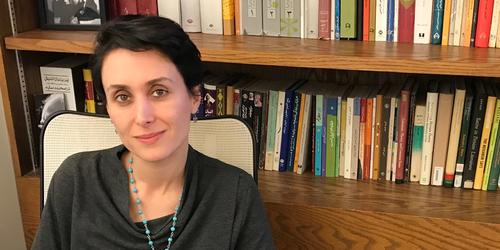
This week, the Persian Circle at the University of Chicago are fortunate to host Dr. Fatemeh Shams, Professor of modern Persian literature at the University of Pennsylvania. She will be giving a talk entitled:
Dialogues with the Dead: Reading Poetry in Iranian Graveyards
Dr. Fatemeh Shams
Address:
Thursday 19th April
5:00-6:30pm
Farouk Mustafa Seminar Room (Pick Hall #218)
5828 S. University Ave
Chicago, IL 60637
Talk abstract:
Death and poetry have always been powerfully intertwined across history, religion and culture. Poetry triumphs at the time when words fail us the most, with a universality of understanding that provides togetherness at the time we often feel the most alone. Just as the bereaved seek out the solace of poetry, so poets are drawn to the rich gravity of death and the afterlife. It is a vital dialogue between the living and the dead. Iran holds a long tradition of epitaph poetry; however, unlike in other cultures where elegies are reserved for literate social elites, there is no class exemption to this act of memorial. To a large extent, it is through these poems that one can make sense of the multifaceted and at times complex notion of the afterlife in the minds of Iranians.
In this lecture, I will try to answer the following questions: how are loss and remembrance physicalized in these poems? Whose voice does the epitaph represent? What is the syntax of death? The conversations with the dead are conducted through words written on gravestones. What language is used? In whose voice? What are the recurring motifs and key messages on these epitaphs and what can they tell us about the hegemonic ideas of death and the afterlife in a particular time or place? Finding answers to these significant yet understudied questions reveals how particularly in contemporary Iran poetry is as central in death as it is in life.
Dr. Fatemeh Shams is a specialist in Modern Persian literature. Her fields of expertise include social history of modern Persian literature, literary institutions and their role in the literary production under authoritarian states, ideology, censorship and official literature in Modern Iran. She is, in particular, an expert on modern Persian literature, social history of post-revolutionary official literature and the politics of literary production in Iran. She is the author of a number of works including Literary Institutions in Post-revolutionary Period: A Detailed History of Howzeh-ye Honari (2013), State-Sponsored Poetry in Iran (2014), Poetry and Power in Iran (2014), Ideology of Warfare and Islamic Republican War Poetry (2015). Her forthcoming book A Revolution in Rhyme: Official Poets of the Islamic Republic (Oxford University Press, 2019) is a study of the post-revolutionary literary scene with specific reference to the official poets of the Islamic Republic and the role played by the state in the field of literary production as well as the way in which it uses literature in identity construction. She earned her Ph.D in Oriental Studies from University of Oxford, Wadham College. Before joining Penn, she has taught Persian language and literature in various academic institutions including University of Oxford, University of SOAS and Courtauld Institute of Art in United Kingdom. Beside her academic expertise, Fatemeh is also an award-winning poet with three published collections.
For her talk today, she will share with us her most recent research project on poetry as a medium between the living and the dead; a case study of tombstone poems in contemporary Iran. She is currently an assistant professor of Modern Persian Literature at UPENN and a fellow at wolf Humanities Forum with whose support she has successfully completed this project.
Be Omid-e Didar,
Shaahin
با سلام
:این هفته انجمن سخن فارسی در دانشگاه شیکاگو تقدیم می کند سخنرانی ای به زبان فارسی
گفتگوها با مردگان: شعر خواندن در قبرستانهای ایران
سخنران ما در این جلسه دکتر فاطمه شمس از دانشگاه پنسیلوانیا است
پنجشنبه ۲۶ آوریل ۲۰۱۸
ساعت: ۵:۰۰ تا ۶:۳۰
به امید دیدار
شاهین
Ba Salam,
This week, the Persian Circle at the University of Chicago presents a talk in Persian entitled:
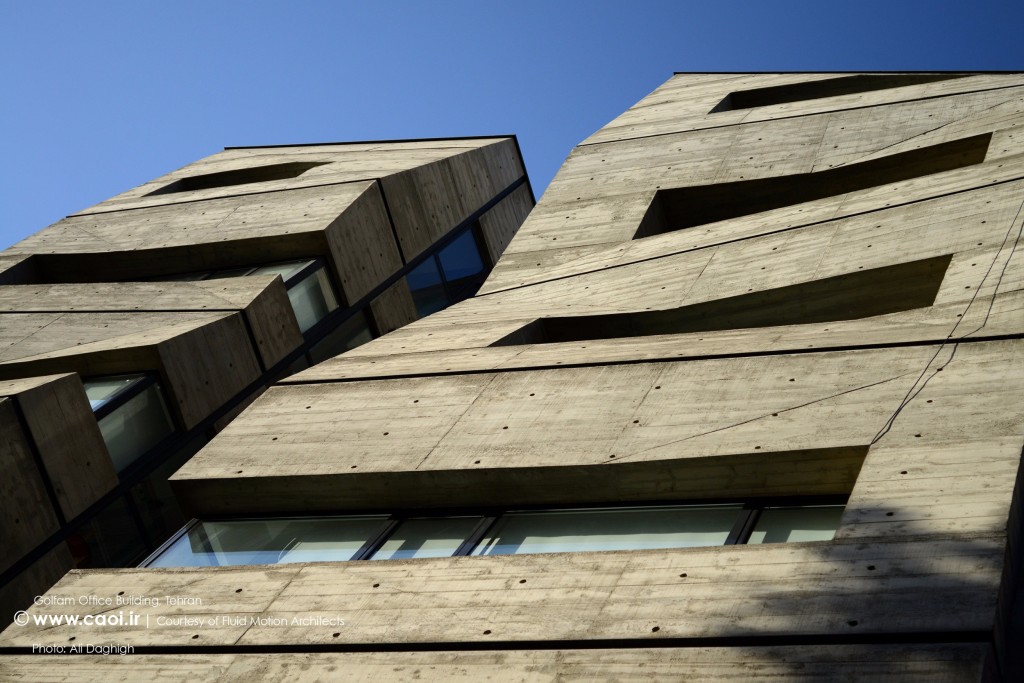
“Contemporary Architecture of Iran” – Mohammad Hossein Abbasi
معماری معاصر ایران – محمد حسین عباسی
Address:
Thursday 19th April
5:00-6:30pm
Farouk Mustafa Seminar Room (Pick Hall #218)
5828 S. University Ave
Chicago, IL 60637
Mohammad Hossein Abbasi is an Iranian architect working in Chicago. His work focuses on environmentally sustainable architecture. In his talk, he will discuss the state of contemporary Iranian architecture.
See you on Thursday – there will be snacks and tea as ever!
Be omid-e didar,
Shaahin
با سلام
:این هفته انجمن سخن فارسی در دانشگاه شیکاگو تقدیم می کند سخنرانی ای به زبان فارسی
معماری معاصر ایران
سخنران ما در این جلسه محمد حسین عباسی٬ معمار ایرانی مقیم شیکاگو است
پنجشنبه ۱۹ آوریل ۲۰۱۸
ساعت: ۵:۰۰ تا ۶:۳۰
به امید دیدار
شاهین
Dear all,
Please join us at the Persian Circle at the University of Chicago this Thursday at 5pm, for a talk in Persian entitled:
“A Piece of Time: A Pause in Poetry, Satire, and Song”
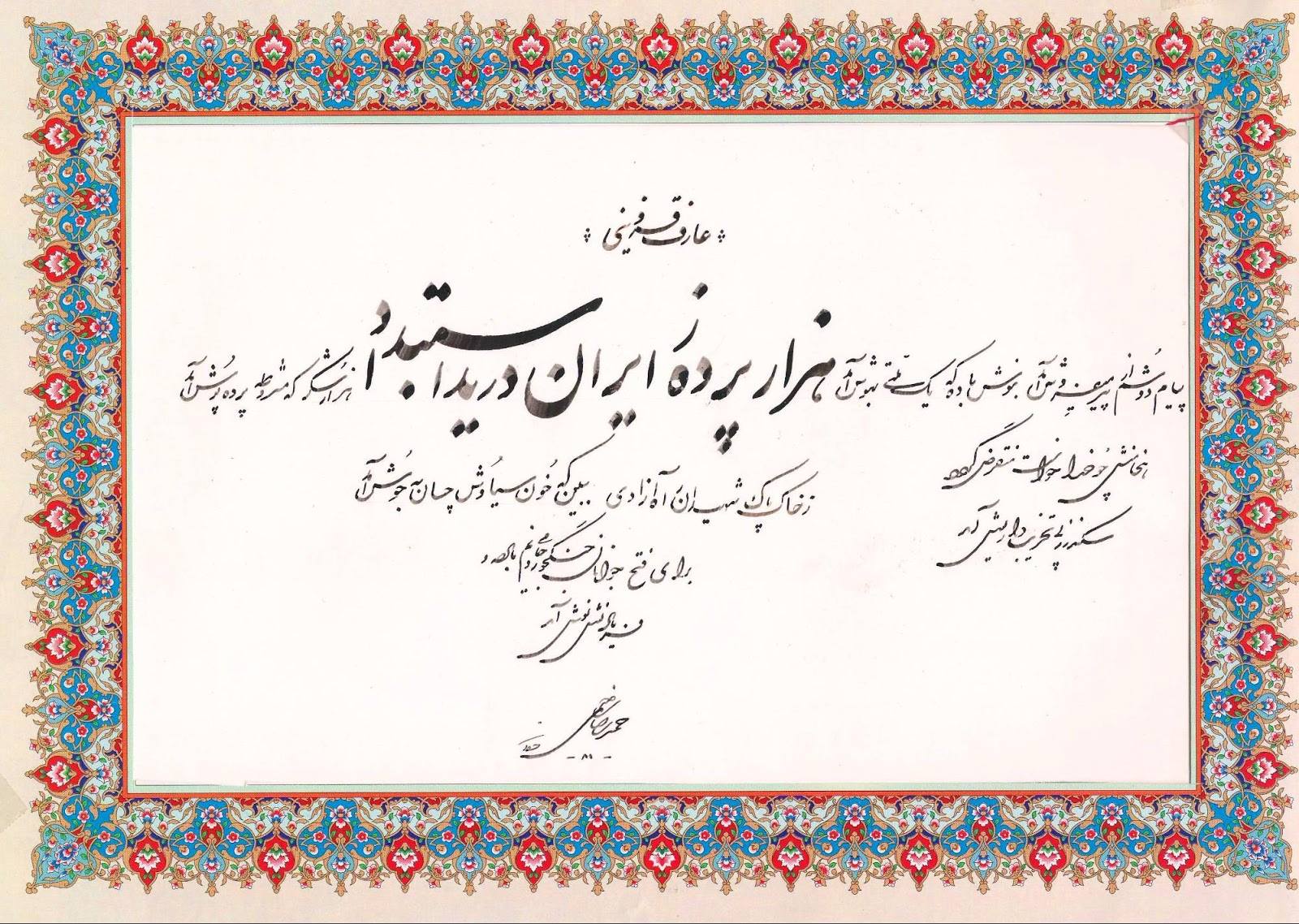
Hamid-Reza Rahimi
یک تکه از زمان: مکثی در شعر و طنز و ترانه
حمیدرضا رحیمی
Address:
Thursday 12th April
5:00-6:30pm
Pick Hall 218
5828 S. University Ave
Chicago, IL 60637
Hamid-Reza Rahimi is an Iranian poet, writer, satirist, calligrapher, researcher, and journalist residing in the United States. He has published more than 20 independent books in a variety of fields. Part of his work has also been translated into German, Swedish, and English. He has also had work published in the international Iranian press. His calligraphy has been the subject of numerous exhibitions in Europe and the United States, and he has had over 200 pieces of political satire broadcast internationally by satellite television and radio stations. For excerpts of his work, see his website: www.hazl.com In this talk, he will discuss his life and work.
Be Omid-e Didar,
Shaahin
با سلام
:این هفته انجمن سخن فارسی در دانشگاه شیکاگو تقدیم می کند سخنرانی ای به زبان فارسی
یک تکه از زمان: مکثی در شعر و طنز و ترانه
حمیدرضا رحیمی
پنجشنبه ۱۲ آوریل ۲۰۱۸
ساعت: ۵:۰۰ تا ۶:۳۰
حمیدرضا رحیمی شاعر- نویسنده- طنزپرداز- پژوهشگر- روزنامه نگار-و خوشنویس ایرانی مقیم ایالات متحده ی آمریکاست. کوششهای حمیدرضا رحیمی در عرصه ی ادبیات و هنر،به سالهای نوجوانی درزادگاه اش کرمانشاه بر می گردد که تحصیلات مقدماتی و متوسطه اش را نیز در آنجا گذرانده است. آثار وی شامل شعر، ترانه، مقاله، پژوهش، نقد ادبی، طنز سیاسی، و خطاطی ایرانی (خوشنویسی) بوده است و افزون براینها ، نمایشنامه های طنز سیاسی او، در رادیوها وتلویزیونهای ماهواره ای خارج کشورتولید و پخش شده و مورد توجه قرار گرفته است
آقای رحیمی سردبیر برخی از نشریات بُرونمرزی (خارج از ایران) مثل مهاجر و رسانه بود و بیش از 11 سال نیز تصدی “جوانه” (بخش ادبیات مجله ی جوانان) را برعهده داشته است. اشعار او به زبانهای آلمانی، سوئدی و انگلیسی ترجمه شده اند. آثار منتشر شده ی او بیش از 20 جلد می شود. جدیدترین آثار چاپ شده ی او یک تکه از زمان ( کلیات آثا ر/ شعر مدرن) و لبخند ناتمام (اشعار فارسی با ترجمه ی انگلیسی) هستند، همچنین کتاب تذکرة الاشقیاء (جلد اول و دوم) که آثار طنز او را در بر می گیرد و سه جلد دیگر از آن هم قرار است منتشر شود
برای آگاهی بیشتر پیرامون احوال و آثار ایشان می توان به پایگاه اینترنتی “هزل داتکام” مراجعه کرد که تاکنون بیش از نیم میلیون نفر بازدید کننده داشته است
www.hazl.com
به امید دیدار
شاهین
Dear all,
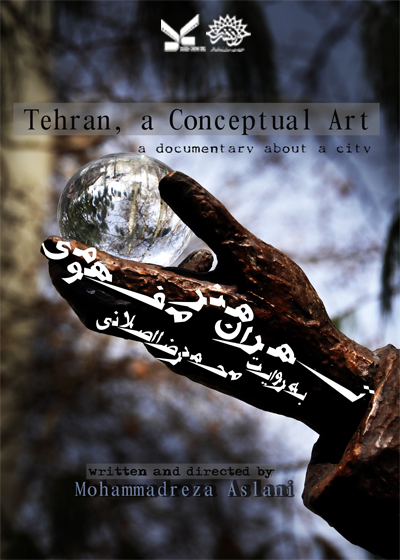
Please join us this Thursday for the first Persian Circle of the Spring Quarter. Professor Farrokh Asadi (Rush University) will introduce a screening of Mohammad Reza Aslani’s 2012 poetic documentary, “Tehran, a Conceptual Art”. The film and discussion will be in Persian.
Address:
Thursday 5th April
5:00-6:30pm
Pick Hall 218
5828 S. University Ave
Chicago, IL 60637
About the film & its director:
This film is a modern interpretation of a long tradition of so-called “symphonies of a metropolis”. The glassy facades of Tehran’s skyscrapers reflecting the passing by people of its diverse districts, shown in the reflection of distorted mirrors, symbolically depict the Spirit of a metropolis, as if it lives in its own shadows and reflections. This distorted reflection of Tehran comes together with modern verses of a poet, Mohammad Ali Sepanlou, who was known as the Poet of Tehran after publishing his illustrious cycle of poems about Tehran in the 60s. As a flâneur, the poet himself saunters around this city -through his voice/poem/memory- reflecting upon the reflections of old/modern monuments, sculptures, statues etc. of this giant metropolis.
Mohammad Reza Aslani was born in Rasht, Iran, in 1943 and graduated in Art and painting from Teheran’s Faculty of decorative arts. He spent his filmmaking training in the Ministry of Culture. Aslani started his professional carrier in cinema in 1967 with the documentary film “Hasanlu Cup”, and then worked with another project “Child and exploitation (1982)”, a documentary made with the aim of display for management community. It was one of the best documentaries made in Iran in eighties. But shortly after its release it was informally banned and marginalized in 1982. Aslani’s first feature film called “The chess game of the Wind” (1976) was a new and different experience in Iranian cinema, which also was very daring. Aslani made television series like “Samak Ayyar,” “light mist,” “logic of the flight”, script writing for movies such as “line”, “switchman”, “The Silent City,” “bottleneck,” “Requiem”, and “Stone Garden”. He wrote three books of poetry, “Bench Nights and Wind Days,” “The difference between the two Maghreb” and “Requiem for prohibited years”. Teaching cinema and theater, writing critical essays and comments about cinema are among Aslani’s current activities.
Be omid-e didar,
Shaahin
Salam bar hamegi, Nowruz Mobarak, and welcome to the Spring Quarter!
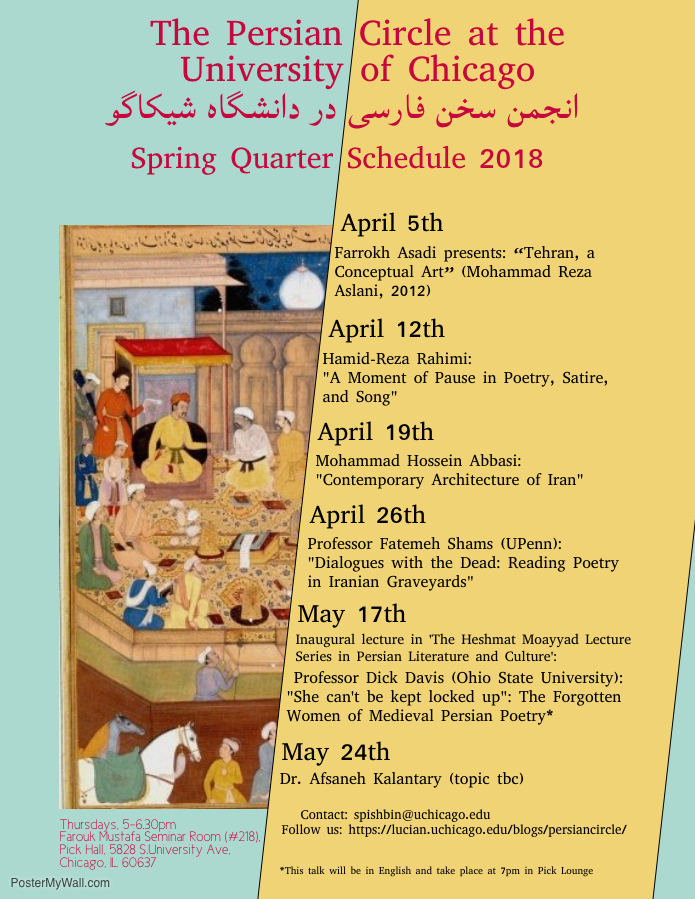
This quarter the Persian Circle at the University of Chicago has a number of exciting lectures lined up. Please see the current schedule below and take note in your calendars!
– 5th April: Professor Farrokh Asadi (Rush University) presents a screening of Mohammad Reza Aslani’s poetic documentary, “Tehran, a Conceptual Art” (2012)
– 12th April: Hamid-Reza Rahimi: “A Piece of Time: a Lapse in Poetry, Satire, and Song”
– 19th April: **tbc**
– 26th April: Professor Fatemeh Shams (UPenn), “Dialogues with the Dead: Reading Poetry in Iranian Graveyards”
– 17th May: Inaugural lecture in The Heshmat Moayyad Lecture Series in Persian Literature and Culture: Professor Dick Davis (Ohio State University): “She can’t be kept locked up”: The Forgotten Women of Medieval Persian Poetry*
– 24th May: Dr. Afsaneh Kalantary, *topic tbc*
*This talk will be in English and may take place at a different time/location
Unless otherwise stated, all our talks will be in Persian and take place on Thursdays, from 5pm-6.30pm:
Farouk Mustafa Seminar Room (Pick Hall #218)
5828 S. University Ave.
Chicago, IL 60637
About us:
The Persian Circle is a weekly lecture series in Persian at the University of Chicago’s Center for Middle Eastern Studies. The lectures include social, cultural, and academic discussions about the Persian-speaking world and are led by faculty, students, and visiting scholars and artists. The opinions of the speakers are their own. We hope that you enjoy these lectures. And if you would like to volunteer to give a talk, please do get in touch!
Please see our blog and Facebook page to stay up-to-date:
https://lucian.uchicago.edu/blogs/persiancircle/
https://www.facebook.com/groups/uchicagopersiancircle/
Be Omid-e Didar,
Shaahin
Panorama Theme by
Themocracy