It has only been a month since Japan declared that it would close down its nuclear industry by the end of the 2030s, but already a contentious plan to complete several partially built reactors is sowing doubts about the government’s commitment to the radical policy shift.
The facilities – stretching from the northern tip to the southwestern part of the country – were approved years before the triple meltdown in Fukushima in March last year, but construction had been frozen following the disaster. The decision over their fate is seen as a test of just how serious Japan is about abolishing an industry that had been the source of 30 per cent of its electricity.
In the weeks since the nuclear phase-out was announced, Yukio Edano, industry minister, has said three approved but unfinished reactors are exempt from a central provision of the phase-out policy, under which no new plants will be built. Electric Power Development, the utility that owns one of the facilities, responded by saying it plans to resume work this year, with an eye to beginning electricity production some time after 2014.
[…]
In theory, it is possible to reconcile finishing the plants with the gradual phase-out envisioned by the new energy policy. Japan has 50 reactors already in service, and they are to be used while the country develops alternative energy sources such as solar and wind power. Supporters of the partially built plants argue that they will contain the latest, safest technology, and scrapping them now would mean writing off the tens of billions of yen already sunk into construction.
However, Kenichi Oshima, a nuclear policy expert at Ritsumeikan University, says uncertainties about the future cost of operating nuclear plants in Japan weaken the economic case for more atomic power. “There will be more costs for safety upgrades, and no one knows what kind of insurance system is going to be put in place. These things will make a big difference to generating costs.”
Since it takes about 40 years for a reactor to recoup its initial building costs, switching off the new plants in the 2030s, around two decades before the end of their normal operating lifespans, would mean accepting major investment losses – something a future government might be unwilling or unable to impose on utilities. “Basically, building these reactors would mean reversing the nuclear phase-out,” Mr Oshima says.
Allowing Oma and Shimane to go ahead could also open the door to more plants being built. Nine other reactors were in various stages of planning before Fukushima, and while the government has said they will not be constructed, some pro-nuclear local leaders have continued to push.
The governor of Fukui prefecture, a western area with a big nuclear industry, has recently stepped up lobbying for two planned reactors in his jurisdiction that had been close to receiving final approval before the accident. Higashidori’s village council has appealed for construction on its reactor to resume over fears for the local economy.
The phase-out plan could recede even further if Mr Noda’s Democratic party of Japan is ousted in an election early next year, which polls suggest is likely. The opposition Liberal Democrats nurtured the nuclear industry for decades when they were in power, and are more sceptical towards renewable energy.
Continue reading at Doubts cast over Japan nuclear phase-out (subscription is required)
Subscribe

-



Featured Topics / 特集
-
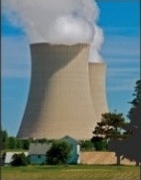
A nuclear power plant in Byron, Illinois. Taken by photographer Joseph Pobereskin (http://pobereskin.com). カレンダー
-
Latest Posts / 最新記事
- 被爆者らのゲノム解析 放影研方針、次世代への影響調査 via 日本経済新聞 2024/03/04
- 「おなか張る」から、亡くなるまで4カ月…生身の人間を苦しめたトロトラスト 知識ゼロから始まった「日本初の薬害」の取材 via 信濃毎日新聞 2024/02/29
- 福島第1原発で汚染水トラブル連発、経済産業相が東京電力を指導 「覚悟が見えない」地元もバッサリvia東京新聞 2024/02/23
- It’s not just toxic chemicals. Radioactive waste was also dumped off Los Angeles coast via LA Times 2024/02/21
- 仏で保管のプルトニウム 九州電力と四国電力の原発で利用へ via NHK News Web 2024/02/17
Discussion / 最新の議論
- Leonsz on Combating corrosion in the world’s aging nuclear reactors via c&en
- Mark Ultra on Special Report: Help wanted in Fukushima: Low pay, high risks and gangsters via Reuters
- Grom Montenegro on Duke Energy’s shell game via Beyond Nuclear International
- Jim Rice on Trinity: “The most significant hazard of the entire Manhattan Project” via Bulletin of Atomic Scientists
- Barbarra BBonney on COVID-19 spreading among workers on Fukushima plant, related projects via The Mainichi
Archives / 月別アーカイブ
- March 2024 (1)
- February 2024 (6)
- January 2024 (4)
- November 2023 (8)
- October 2023 (1)
- September 2023 (7)
- August 2023 (5)
- July 2023 (10)
- June 2023 (12)
- May 2023 (15)
- April 2023 (17)
- March 2023 (20)
- February 2023 (19)
- January 2023 (31)
- December 2022 (11)
- November 2022 (12)
- October 2022 (7)
- September 2022 (6)
- August 2022 (22)
- July 2022 (29)
- June 2022 (15)
- May 2022 (46)
- April 2022 (36)
- March 2022 (47)
- February 2022 (24)
- January 2022 (57)
- December 2021 (27)
- November 2021 (32)
- October 2021 (48)
- September 2021 (56)
- August 2021 (53)
- July 2021 (60)
- June 2021 (55)
- May 2021 (48)
- April 2021 (64)
- March 2021 (93)
- February 2021 (69)
- January 2021 (91)
- December 2020 (104)
- November 2020 (126)
- October 2020 (122)
- September 2020 (66)
- August 2020 (63)
- July 2020 (56)
- June 2020 (70)
- May 2020 (54)
- April 2020 (85)
- March 2020 (88)
- February 2020 (97)
- January 2020 (130)
- December 2019 (75)
- November 2019 (106)
- October 2019 (138)
- September 2019 (102)
- August 2019 (99)
- July 2019 (76)
- June 2019 (52)
- May 2019 (92)
- April 2019 (121)
- March 2019 (174)
- February 2019 (146)
- January 2019 (149)
- December 2018 (38)
- November 2018 (51)
- October 2018 (89)
- September 2018 (118)
- August 2018 (194)
- July 2018 (22)
- June 2018 (96)
- May 2018 (240)
- April 2018 (185)
- March 2018 (106)
- February 2018 (165)
- January 2018 (241)
- December 2017 (113)
- November 2017 (198)
- October 2017 (198)
- September 2017 (226)
- August 2017 (219)
- July 2017 (258)
- June 2017 (240)
- May 2017 (195)
- April 2017 (176)
- March 2017 (115)
- February 2017 (195)
- January 2017 (180)
- December 2016 (116)
- November 2016 (115)
- October 2016 (177)
- September 2016 (178)
- August 2016 (158)
- July 2016 (201)
- June 2016 (73)
- May 2016 (195)
- April 2016 (183)
- March 2016 (201)
- February 2016 (154)
- January 2016 (161)
- December 2015 (141)
- November 2015 (153)
- October 2015 (212)
- September 2015 (163)
- August 2015 (189)
- July 2015 (178)
- June 2015 (150)
- May 2015 (175)
- April 2015 (155)
- March 2015 (153)
- February 2015 (132)
- January 2015 (158)
- December 2014 (109)
- November 2014 (192)
- October 2014 (206)
- September 2014 (206)
- August 2014 (208)
- July 2014 (178)
- June 2014 (155)
- May 2014 (209)
- April 2014 (242)
- March 2014 (190)
- February 2014 (170)
- January 2014 (227)
- December 2013 (137)
- November 2013 (164)
- October 2013 (200)
- September 2013 (255)
- August 2013 (198)
- July 2013 (208)
- June 2013 (231)
- May 2013 (174)
- April 2013 (156)
- March 2013 (199)
- February 2013 (191)
- January 2013 (173)
- December 2012 (92)
- November 2012 (198)
- October 2012 (229)
- September 2012 (207)
- August 2012 (255)
- July 2012 (347)
- June 2012 (230)
- May 2012 (168)
- April 2012 (116)
- March 2012 (150)
- February 2012 (198)
- January 2012 (292)
- December 2011 (251)
- November 2011 (252)
- October 2011 (364)
- September 2011 (288)
- August 2011 (513)
- July 2011 (592)
- June 2011 (253)
- May 2011 (251)
- April 2011 (571)
- March 2011 (494)
- February 2011 (1)
- December 2010 (1)
Top Topics / TOPトピック
- anti-nuclear
- Atomic Age
- Capitalism
- East Japan Earthquake + Fukushima
- energy policy
- EU
- France
- Hanford
- health
- Hiroshima/Nagasaki
- Inequality
- labor
- Nuclear power
- nuclear waste
- Nuclear Weapons
- Radiation exposure
- Russia/Ukraine/Chernobyl
- Safety
- TEPCO
- U.S.
- UK
- エネルギー政策
- メディア
- ロシア/ウクライナ/チェルノブイリ
- 健康
- 公正・共生
- 兵器
- 再稼働
- 労働における公正・平等
- 原子力規制委員会
- 原発推進
- 反原発運動
- 大飯原発
- 安全
- 広島・長崎
- 廃炉
- 東京電力
- 東日本大震災・福島原発
- 汚染水
- 米国
- 脱原発
- 被ばく
- 資本主義
- 除染
- 食の安全
Choose Language / 言語